Parts We Carry
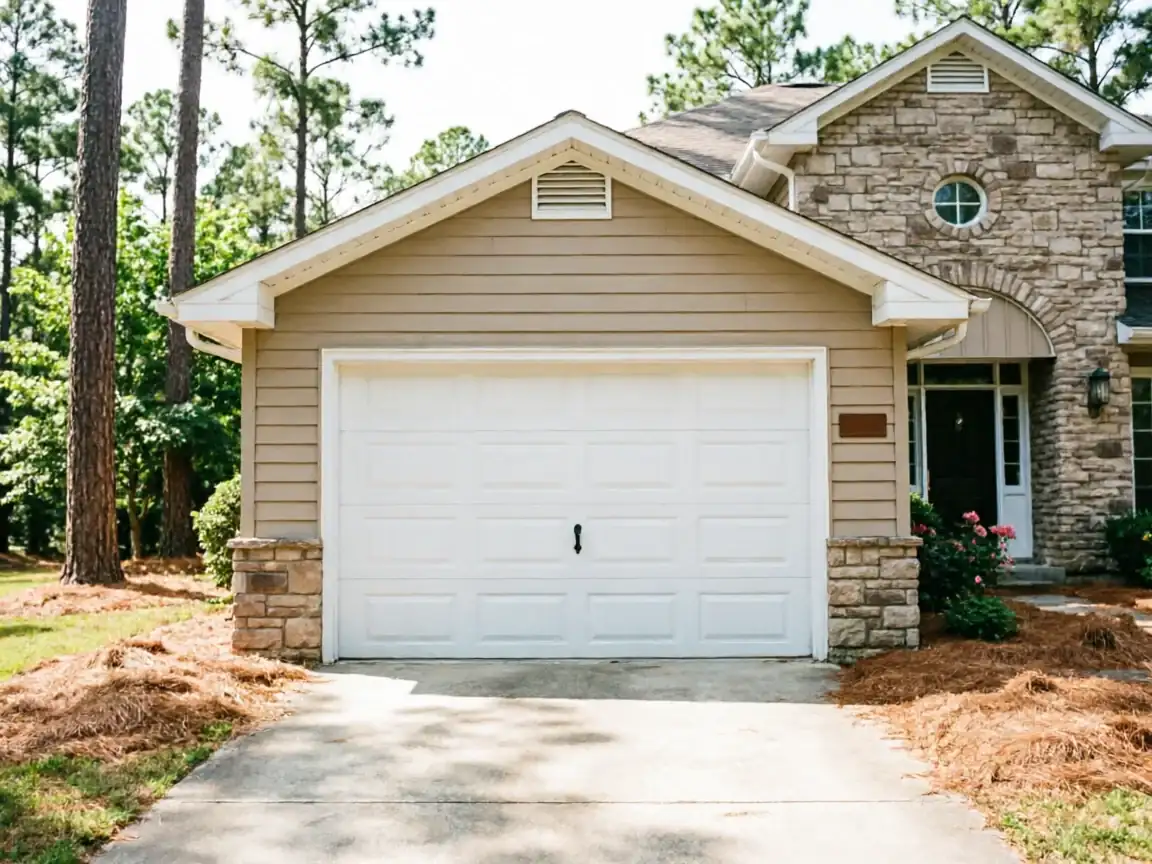
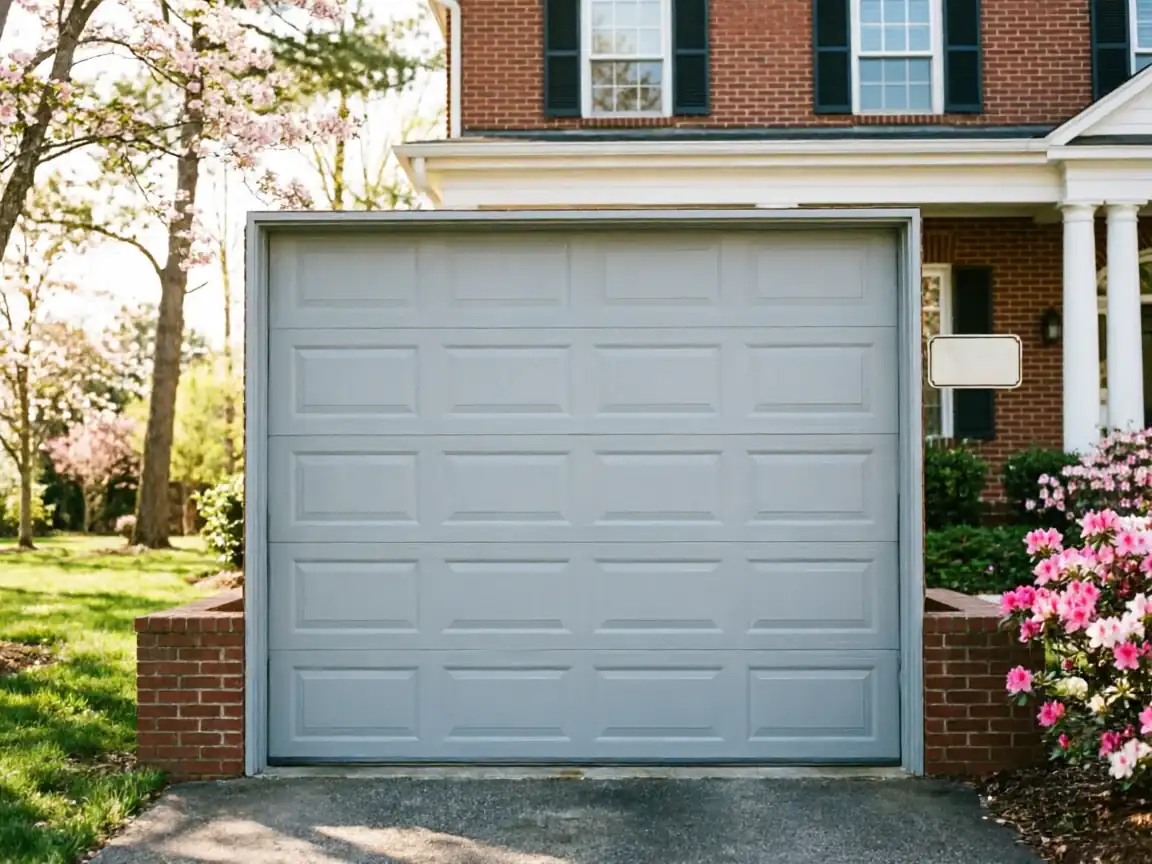
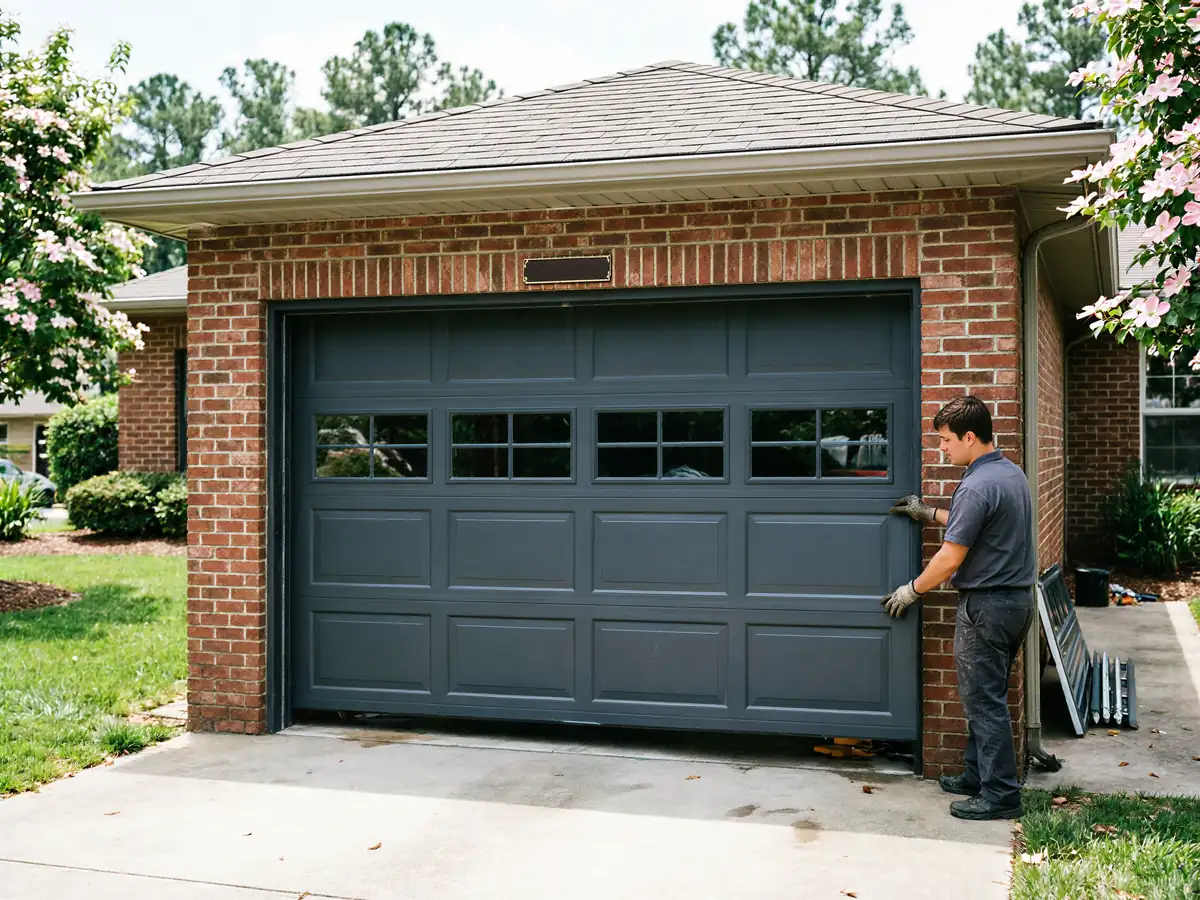
Humboldt is a small town - about 3,384 households - and that size shapes what we stock for the trip out. We're not carrying a warehouse's worth of panel profiles on the truck, so before we head out from Jackson we confirm the door's brand, panel width, and whether it's a raised-ridge or flat design. Most of the panel work we see out this way matches doors from the 1971 era that dominates the housing stock here, which narrows things down fast - those doors use older panel-to-panel hinge spacing that doesn't always match what's sold off the shelf today. When we can match the existing panel exactly, we do, down to the embossing pattern, so one new section doesn't stick out against three faded ones. When an exact match isn't available anymore - and for doors this old, sometimes it isn't - we'll tell you that up front rather than installing something close and hoping you don't notice the seam. Full-door replacement becomes the honest answer at that point, not a replacement panel that's close enough.
What You Pay
We don't post a flat number for panel work here because the range depends on whether we're matching an existing panel line or replacing the whole door, and that split comes up often in a town built mostly in the early 1970s. What we can tell you: Humboldt's median household income runs lower than the wider Jackson service area, and that's part of why we always price the repair-versus-replace question honestly rather than defaulting to the bigger job. A single dented panel on an otherwise sound door is a different quote than a full-door swap, and we'll walk you through both before any work starts. One limitation worth saying plainly - if your panel profile has been discontinued, sourcing a match can push the job past what a simple single-panel repair would normally run, and sometimes buying a new door outright costs less than chasing an obsolete part.
What the Repair Takes
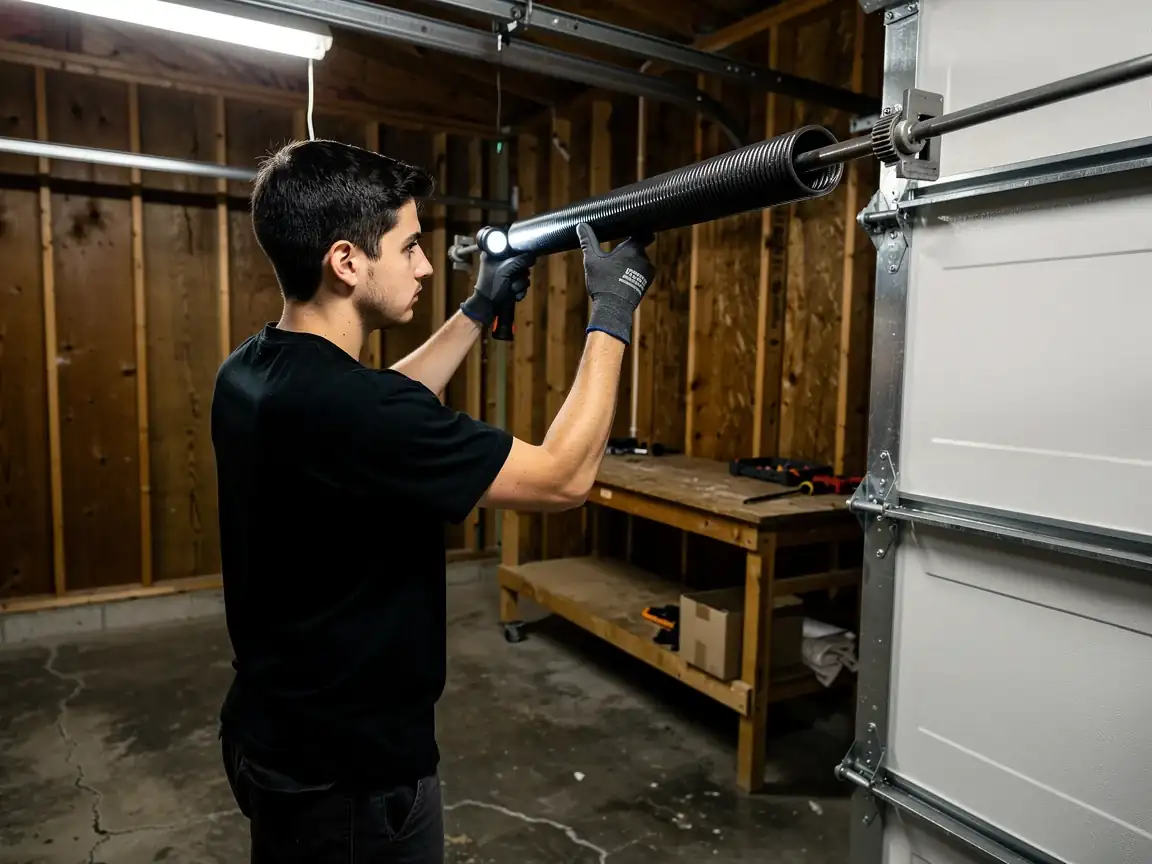
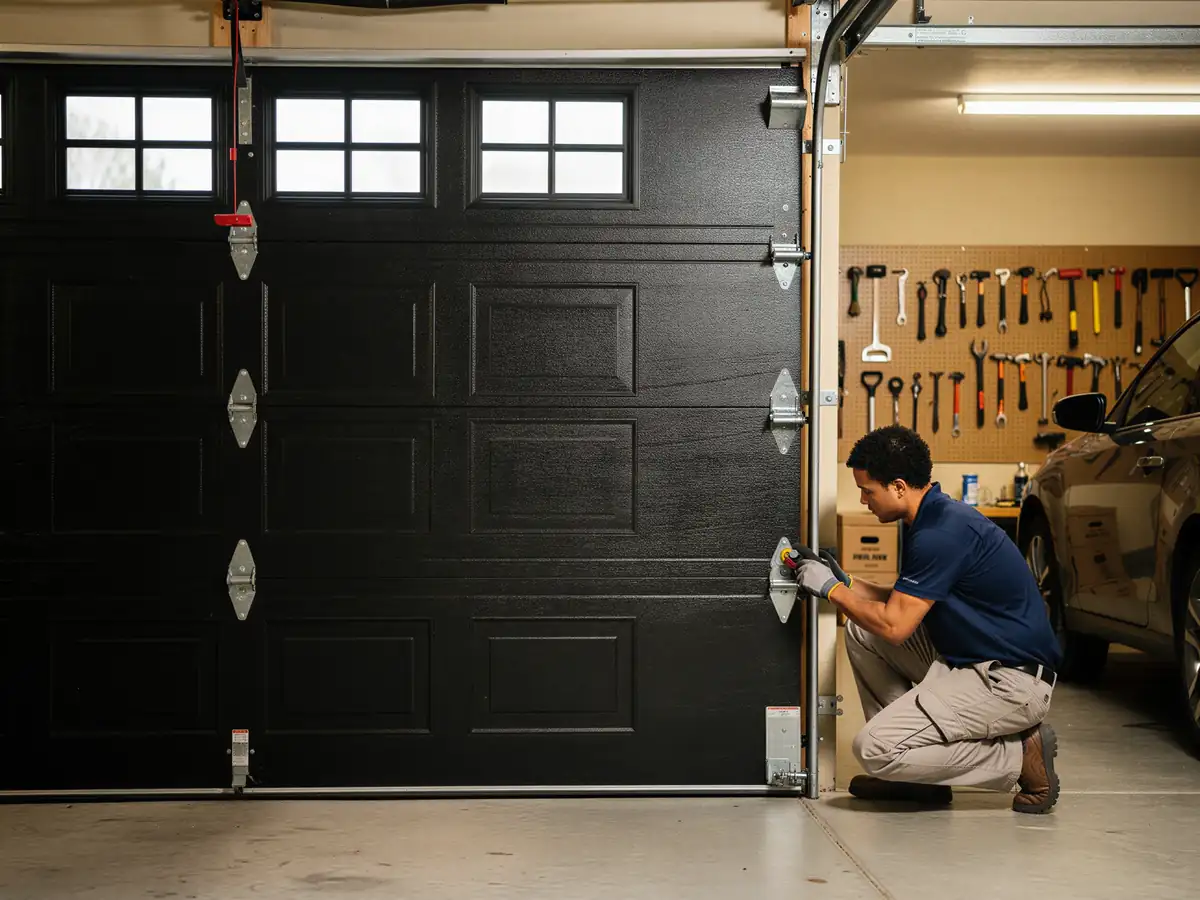
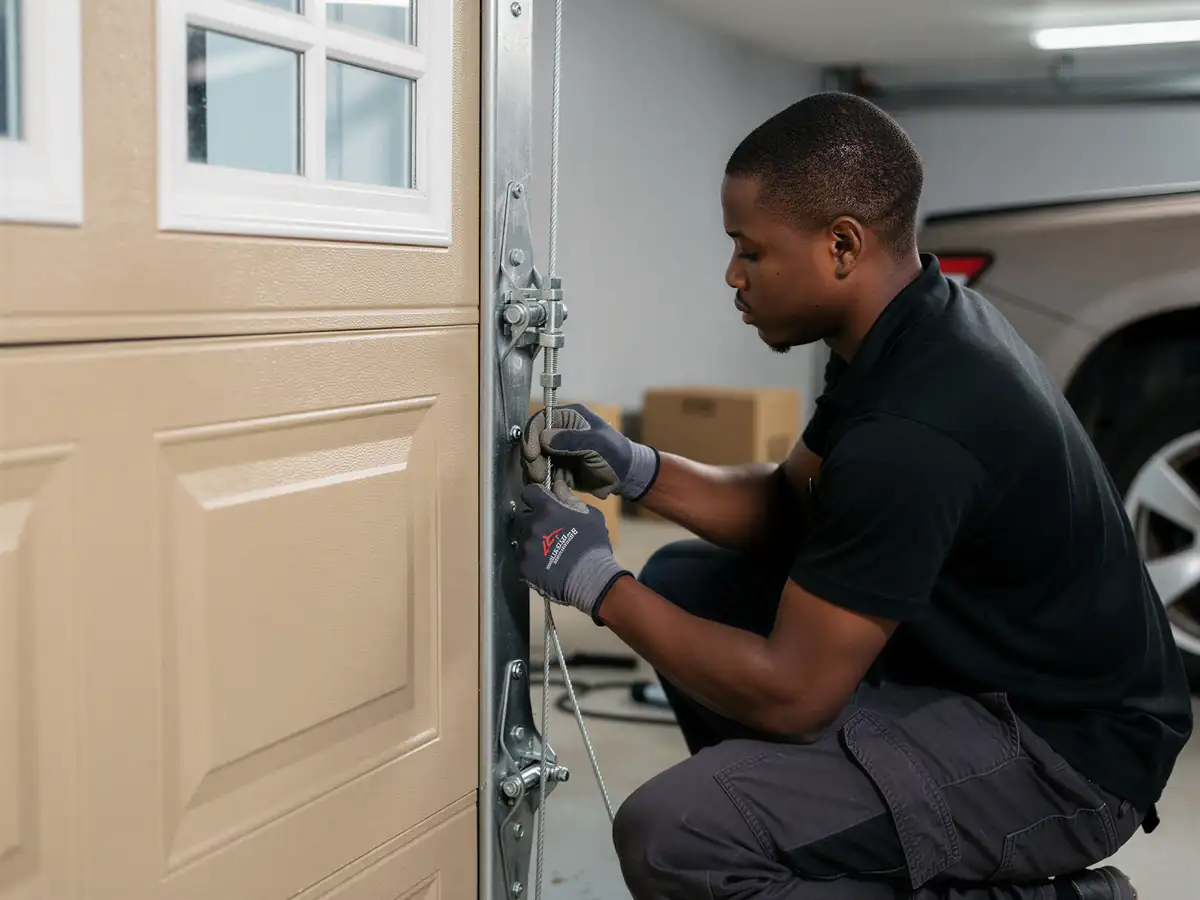
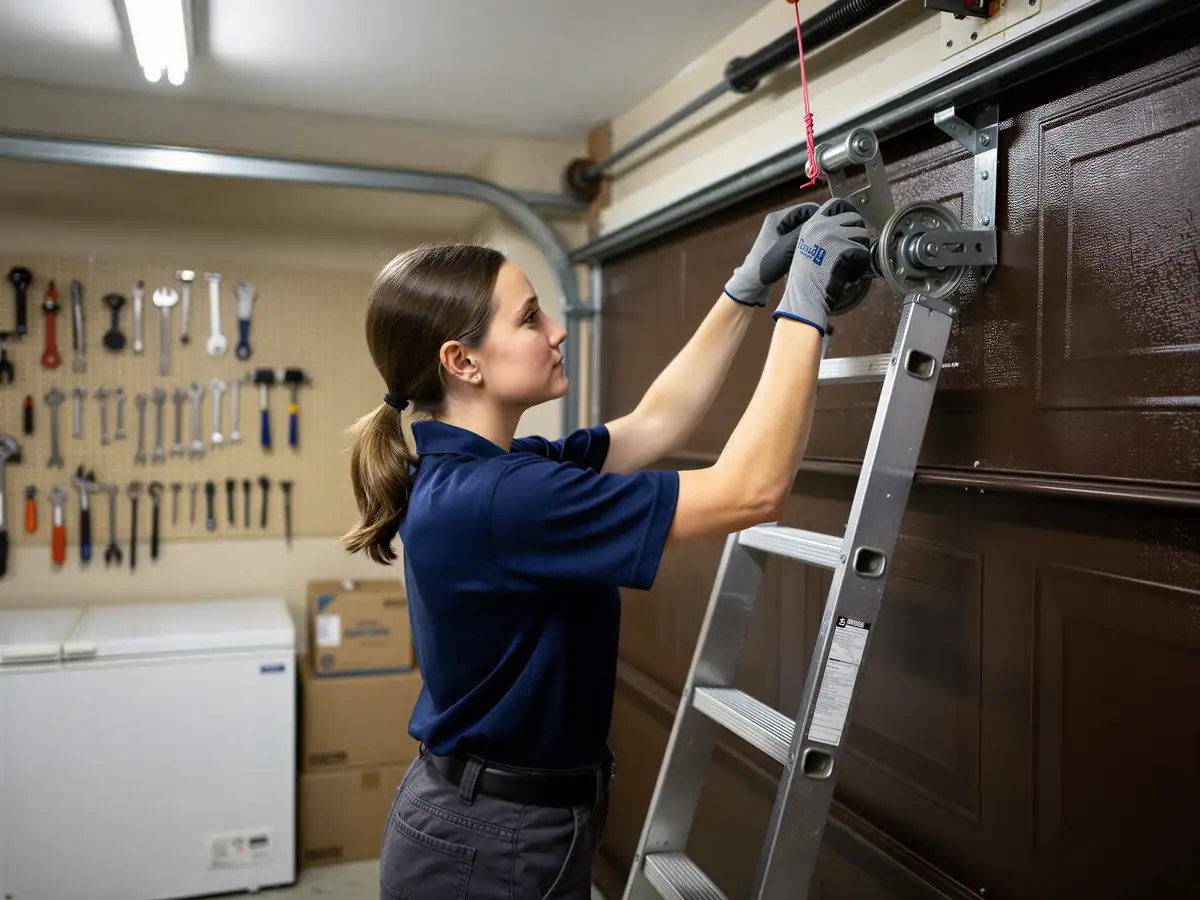
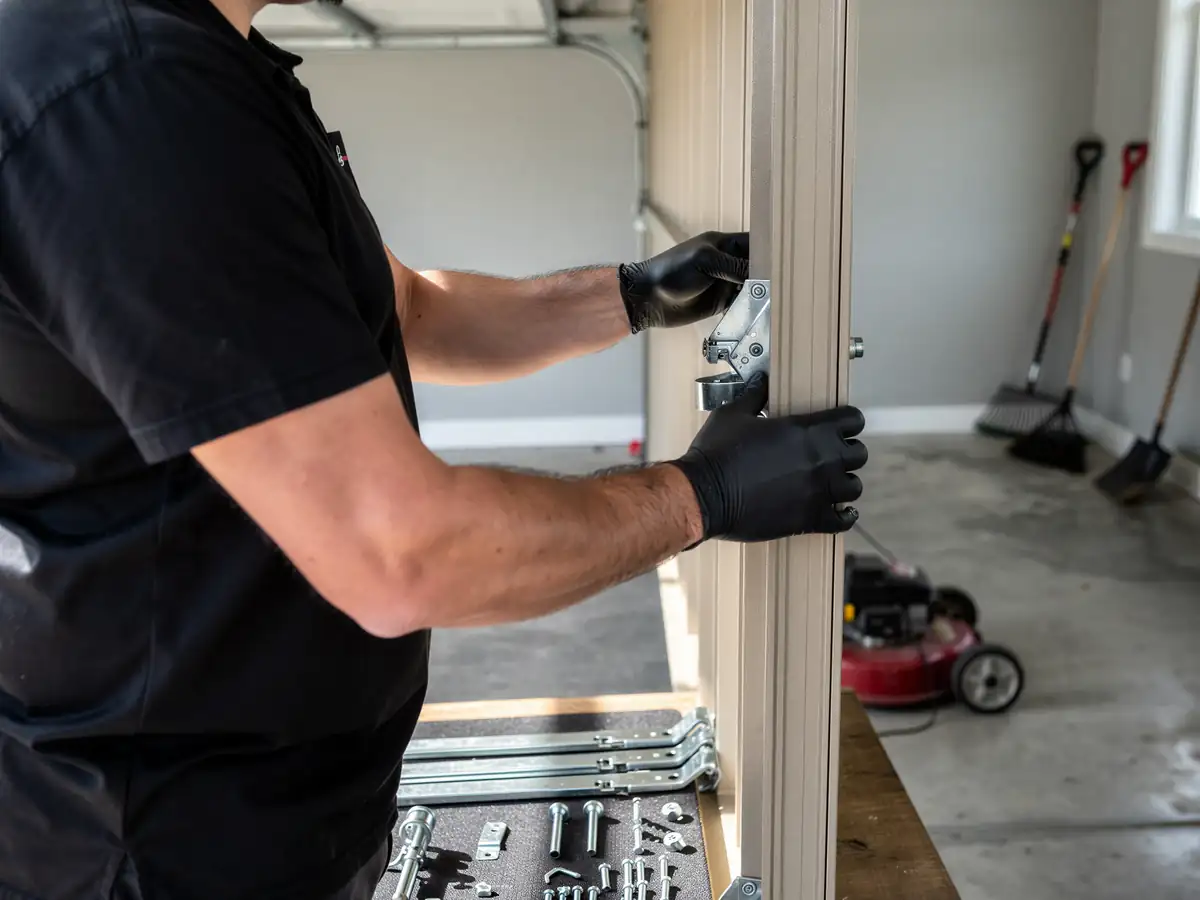
A clean panel swap means pulling the hinges and rollers off the damaged section, unbolting it from the panels above and below, and setting the new section in without throwing off the door's weight distribution. On doors from the early 1970s, the steel gauge and hinge spacing are often different from what's standard now, so fitting a replacement panel sometimes means swapping the hinges too, not just the panel skin. After the new section is in, we re-check the door's balance against the spring - a mismatched panel weight is a common reason doors that
What Causes It Around Here
Most of the panel damage we see on calls out to Humboldt traces back to the housing stock's age. The area runs mostly 1960s-70s builds, and doors from that era are thinner-gauge steel without the foam-core insulation that's standard now - a stray mower, a trailer hitch backing in wrong, or just decades of sun and cold cycling will dent or crack those panels more easily than a modern insulated door takes the same hit. The region sits in a cold-moderate climate band, and that freeze-thaw swing over fifty-plus years works on old seams and hinge points even without a single dramatic impact. We also see rust-through along the bottom panel on doors that have sat low to grade for decades, which isn't damage from one event - it's just what happens to steel that's been there since 1971 or so. Knowing this pattern up front means when we get out there, we're usually not guessing at the cause; we're confirming it.