Parts We Carry
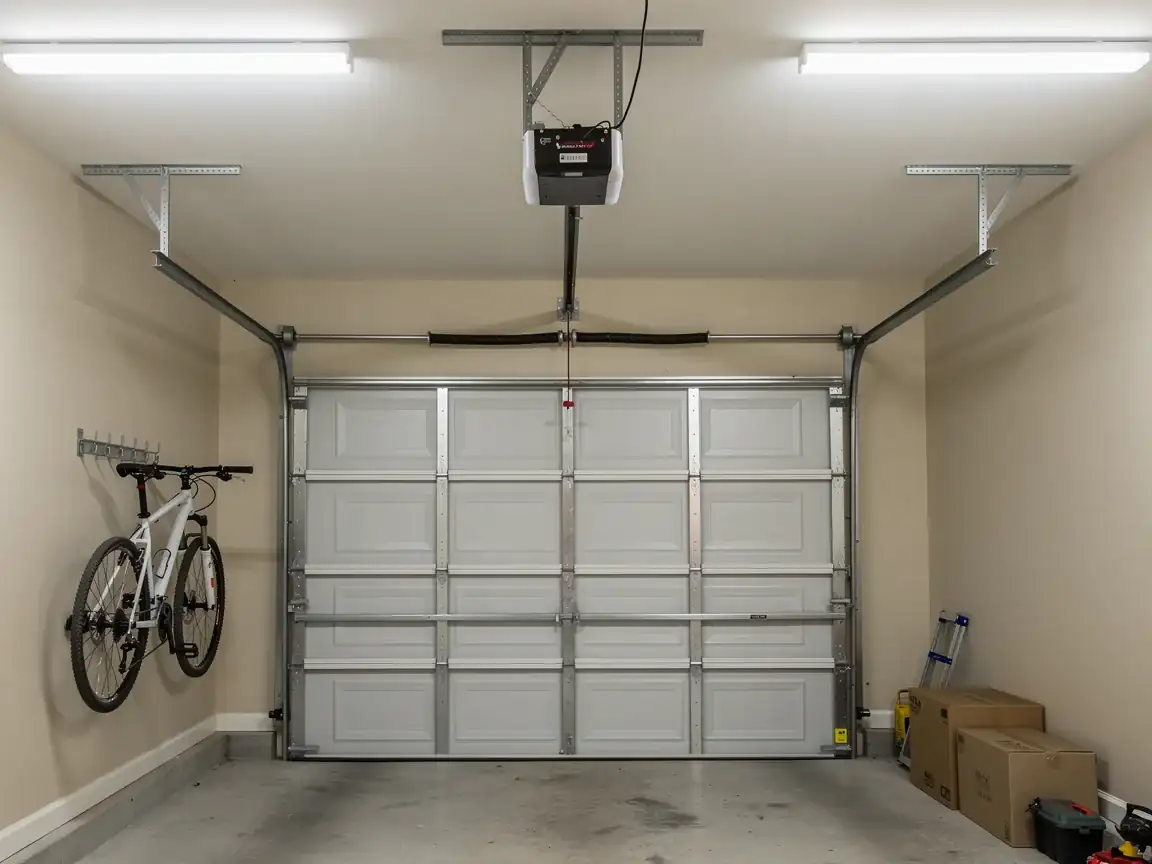
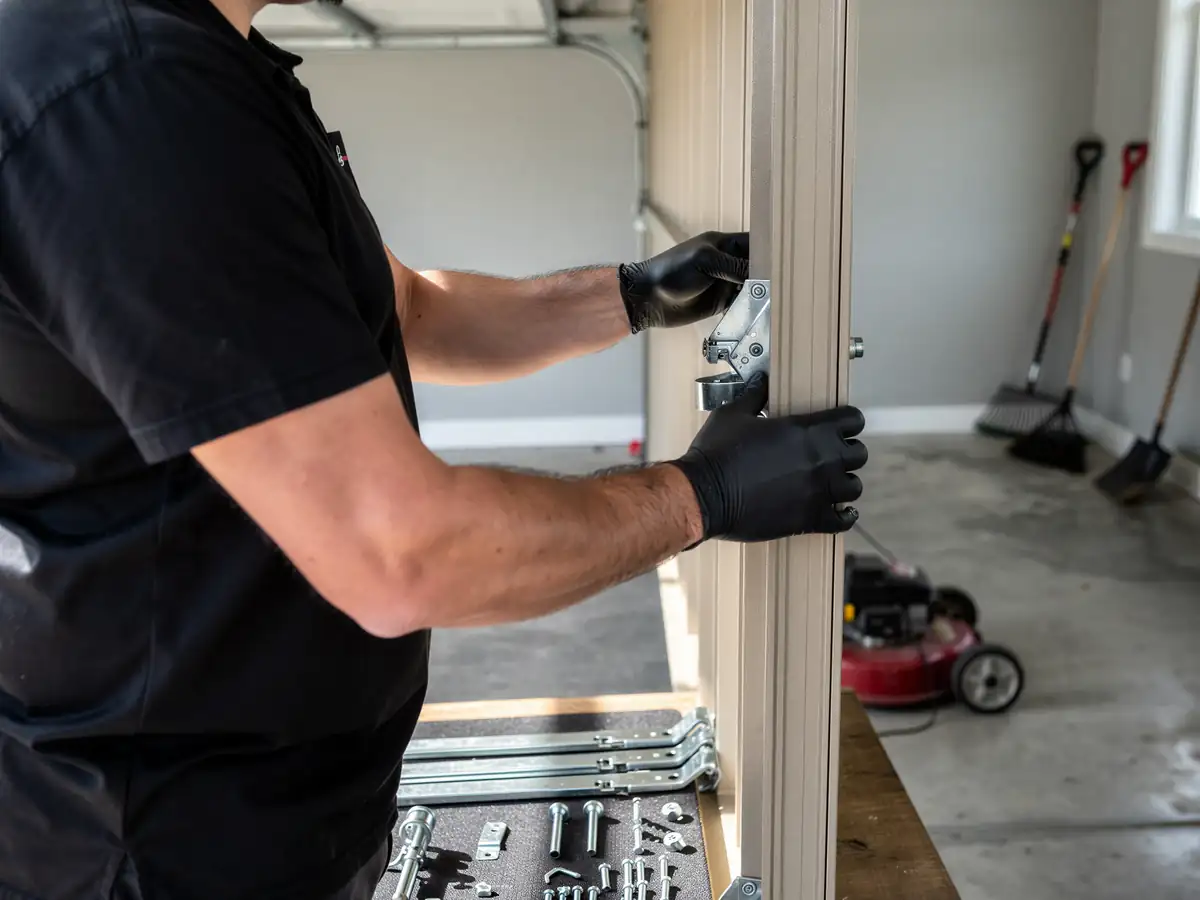
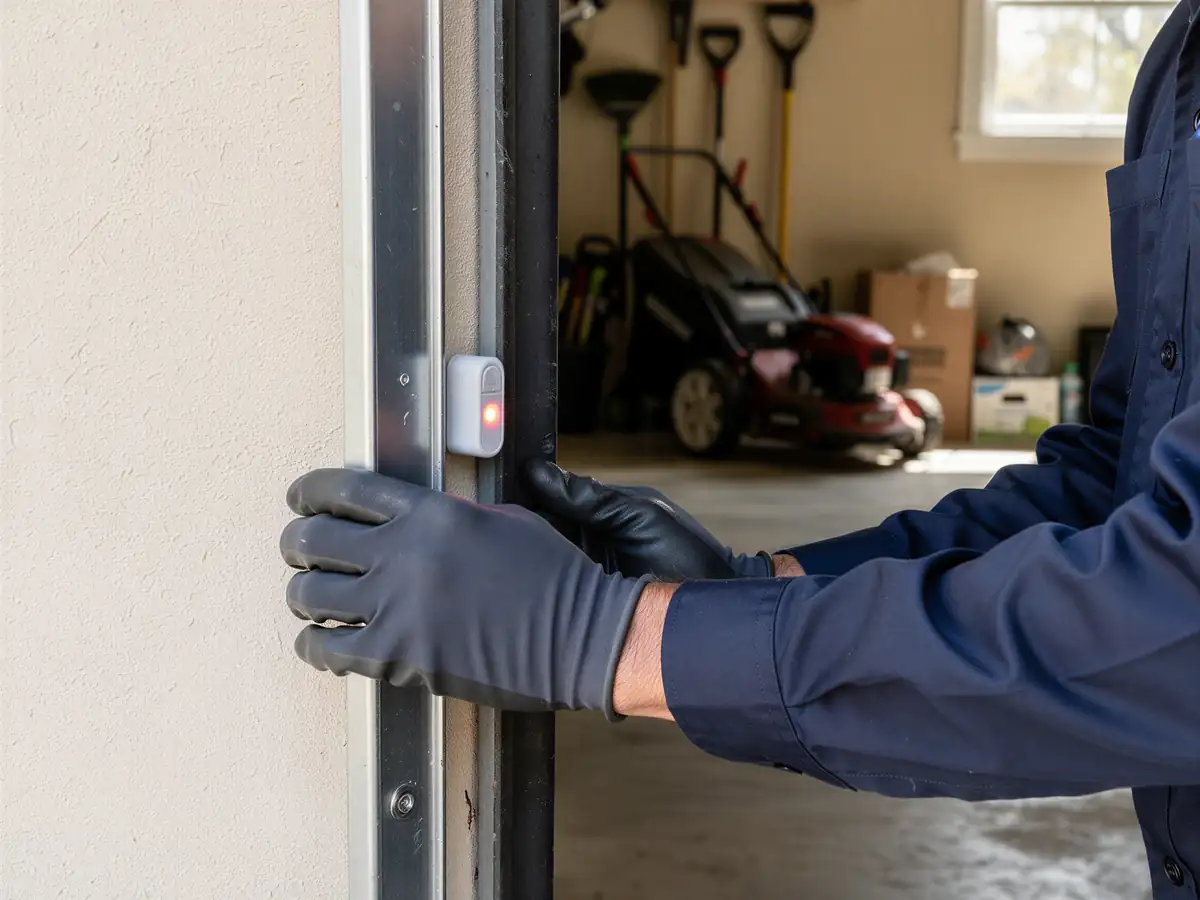
The opener you've got in Humboldt is probably not the opener you'd find on a house built last year. Most of this town's housing stock went up between 1960 and 2004, with the middle of that run landing around 1971, so what we see on these calls is a lot of chain-drive units, some original, some a first or second replacement installed sometime in the 80s or 90s. We carry drive gears and sprockets for the chain-drive models that fail most, logic boards for openers old enough that the circuit design has been through a few revisions, and retrofit safety sensor kits for units that predate the sensor requirement entirely. What we don't always have on the truck is a board for a discontinued model from a brand that stopped making parts years ago - if that's your situation, we'll tell you straight that a new opener costs less than hunting down a part nobody stocks anymore. That's not a sales pitch, it's just the math on obsolete hardware.
What You Pay
We don't post prices here because a logic board swap and a full gear-and-sprocket rebuild aren't the same job, and quoting one number for both would be a lie either way. What we can tell you is what drives the cost: whether the fix is a part or a whole unit, how old the opener is, and whether the original installer wired in anything non-standard that slows down the diagnosis. Across the wider service area, 6,973 of the owner-occupied houses are the kind where the homeowner is the one deciding whether to repair or replace - no landlord approval, no property manager delay - which usually means the decision gets made on the spot once we've looked at it. Median household income in Humboldt runs $42,873, noticeably below the $54,132 figure for the broader area, and that gap is part of why we always walk through the repair-versus-replace math out loud instead of defaulting to a new unit.
What the Repair Takes
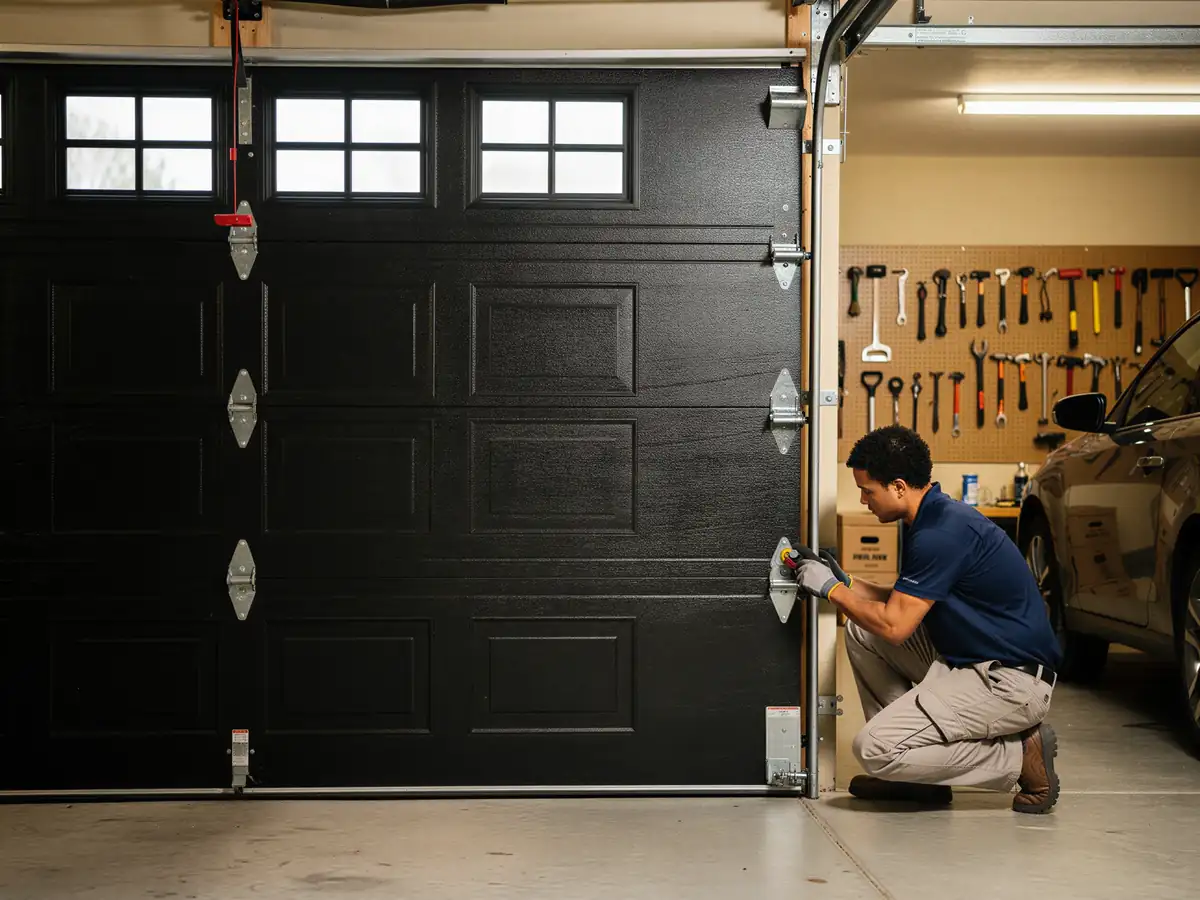
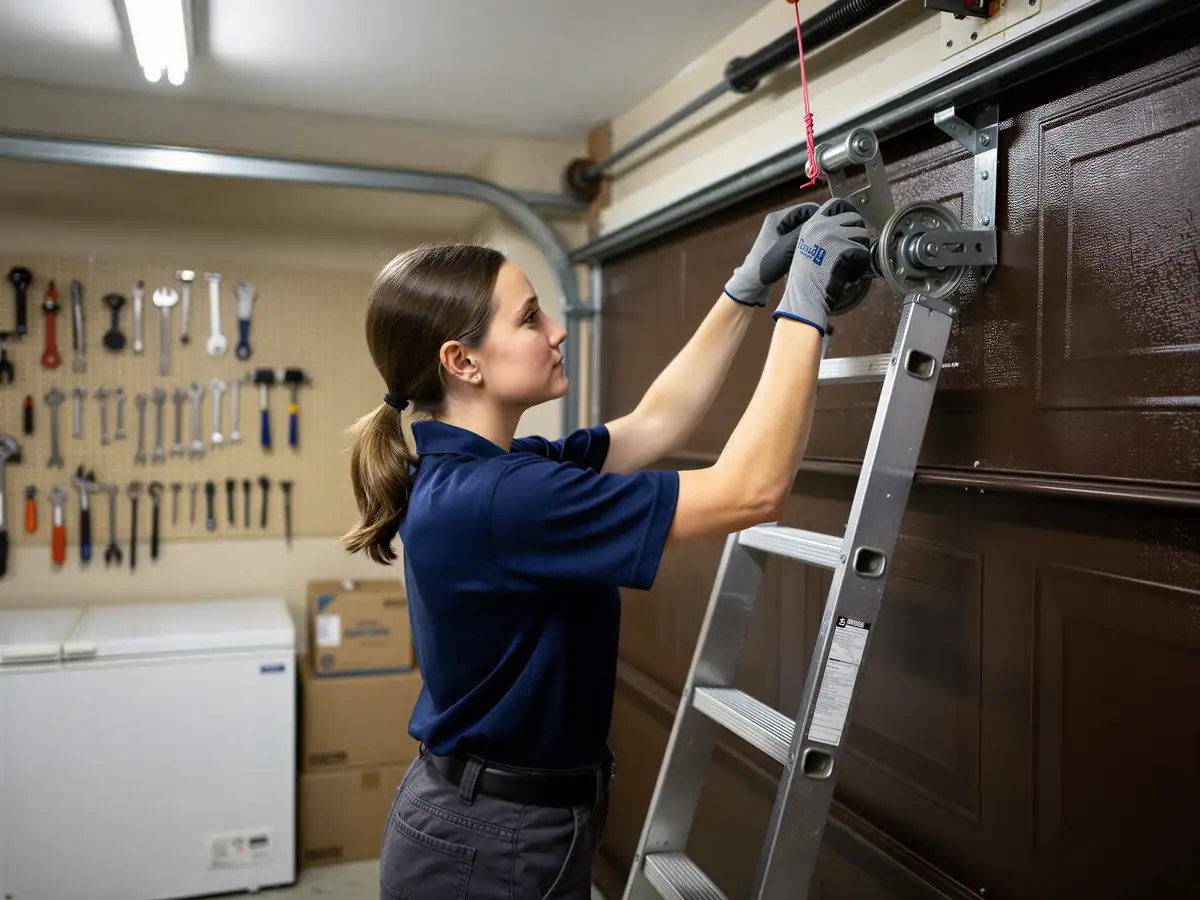
We start the same way every time: watch the door cycle, listen to the motor, check whether the problem is the opener itself or something downstream - a binding track or an off-balance door will make a perfectly good opener struggle and burn itself out early. Once we've isolated it to the opener, we check the capacitor, the drive gear and sprocket, the logic board, and the safety sensors in that order, because that's roughly the order they fail in on units this age. On a 1971-era house, we're also checking the wiring itself - insulation on original runs gets brittle after five decades of temperature swings, and a short there will mimic a dead board. We test the fix under load before we leave, not just on an empty cycle, because a door that opens fine with nothing resisting it can still fail the first time it meets real resistance.
What Causes It Around Here
This area sits in a cold-but-moderate climate band, which means winters cold enough to thicken grease and summers humid enough to swell wood jambs - both of which put extra load on an opener motor that's already decades old. On houses from that 1971-ish build era, the two failures we see most are gear stripping, from years of a motor working harder than it should because the door itself is out of balance, and capacitor failure, which shows up as a motor that hums but won't turn the gear. Neither of those is a Humboldt-specific defect - it's what happens to chain-drive openers from that period everywhere this climate reaches. What is specific to the local housing is how common original, unreplaced openers still are here, which means more of these calls end with a full replacement than you'd see in a neighborhood built in the last fifteen years.