When It Stops Being a DIY Job
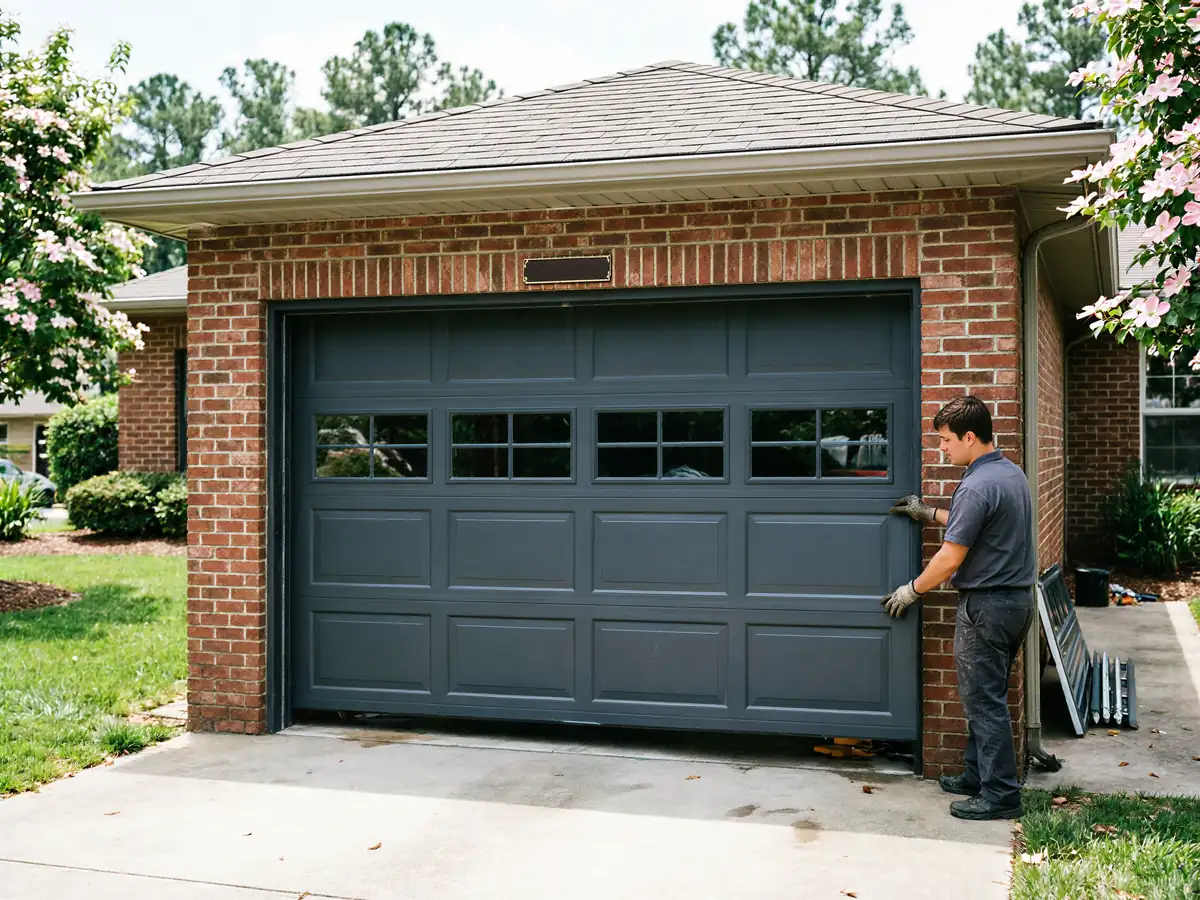
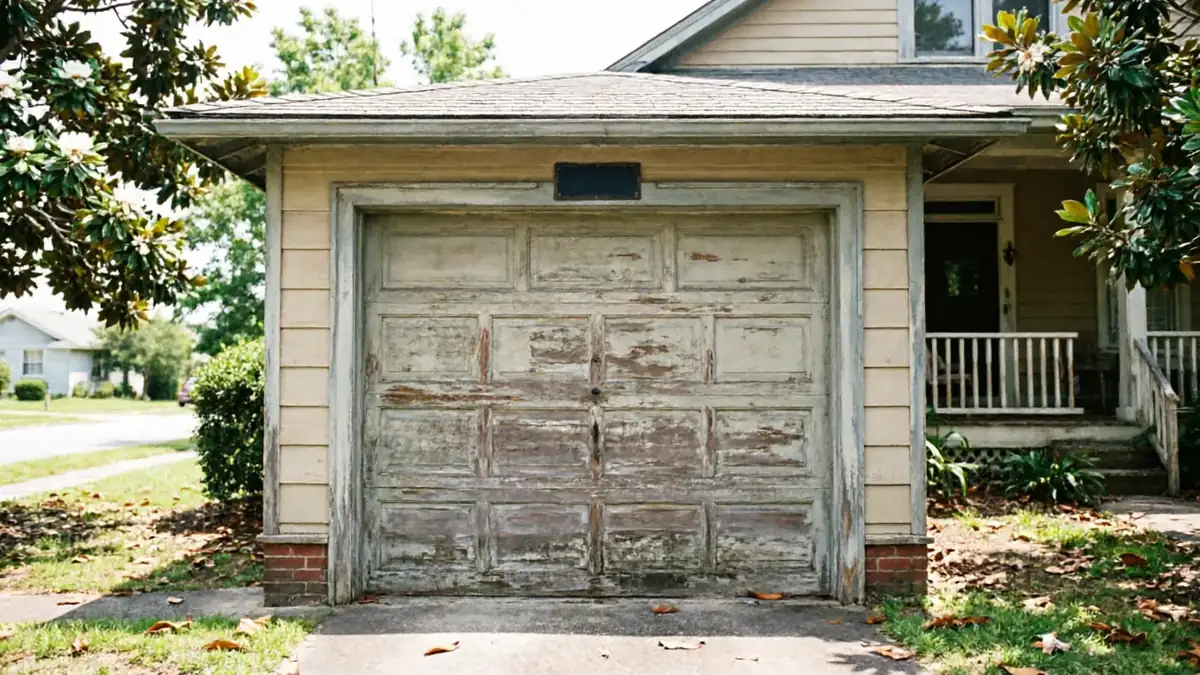
Most of the housing across this service area went up between 1960 and 2004, with the median build year landing around 1975. That means a lot of the doors we get called on are either original or close to it - older torsion and extension spring setups, steel tracks that have been realigned by hand a few times over, and hardware patterns that don't match what's sold new today.
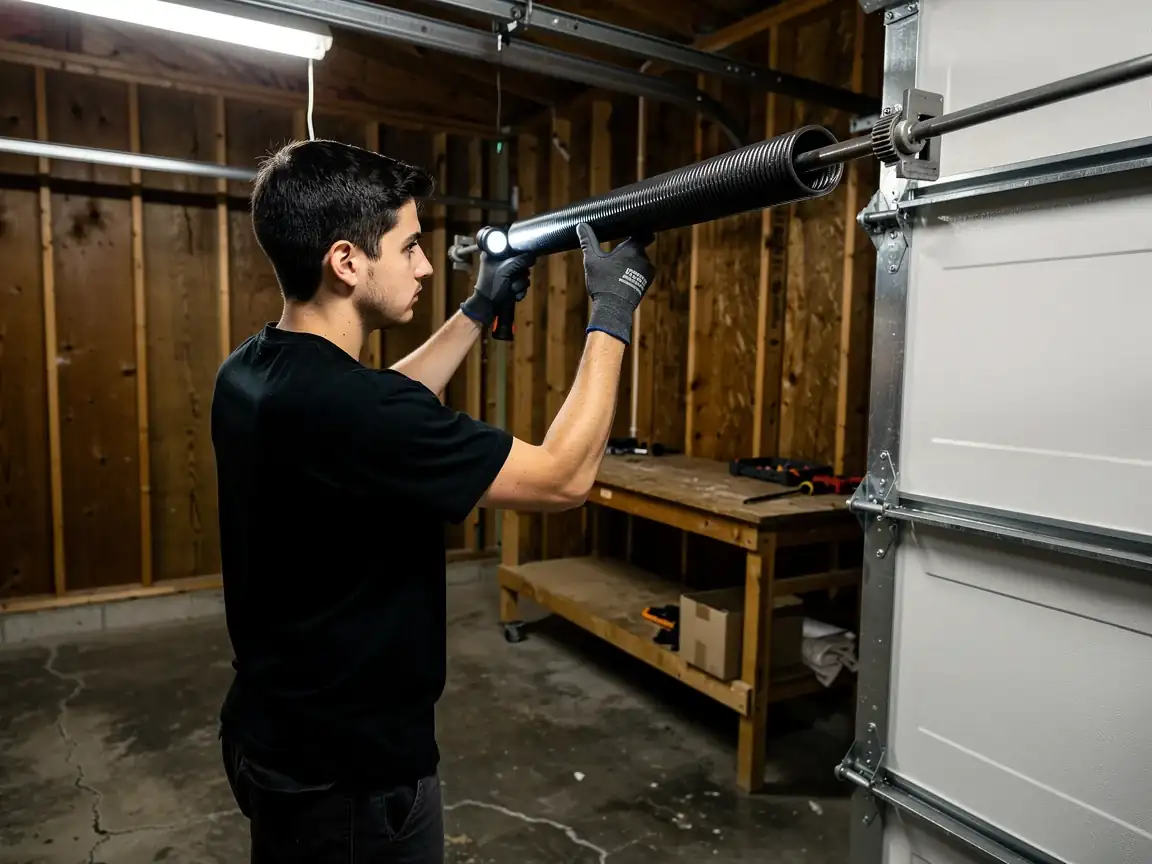
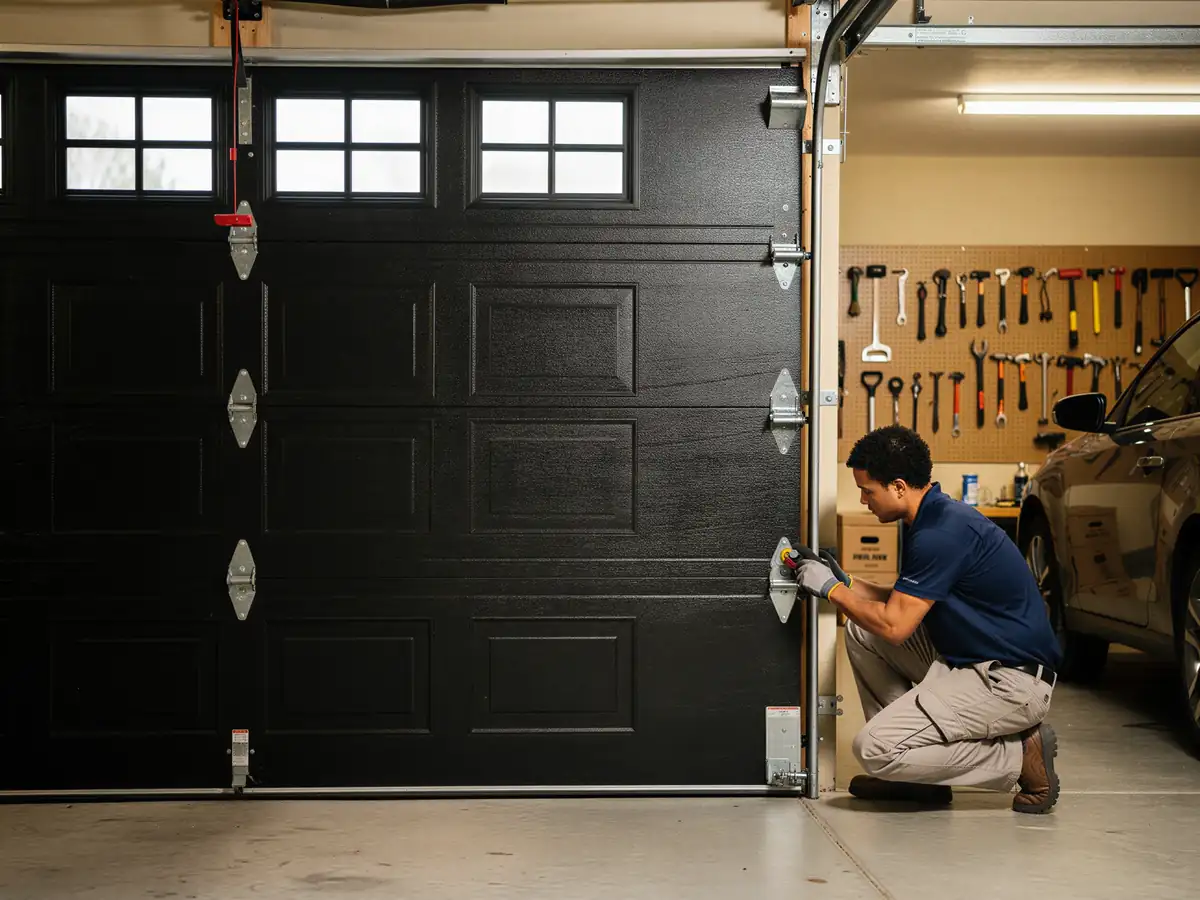
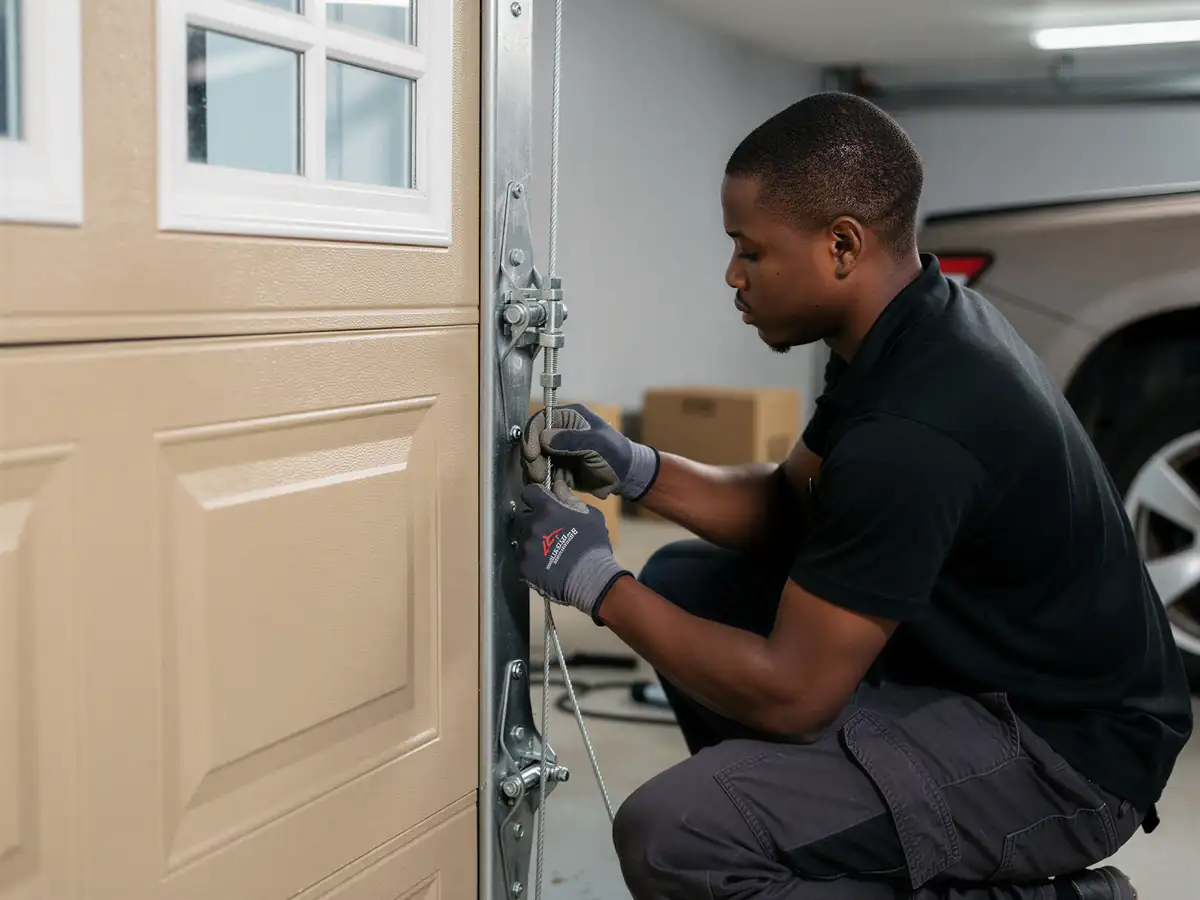
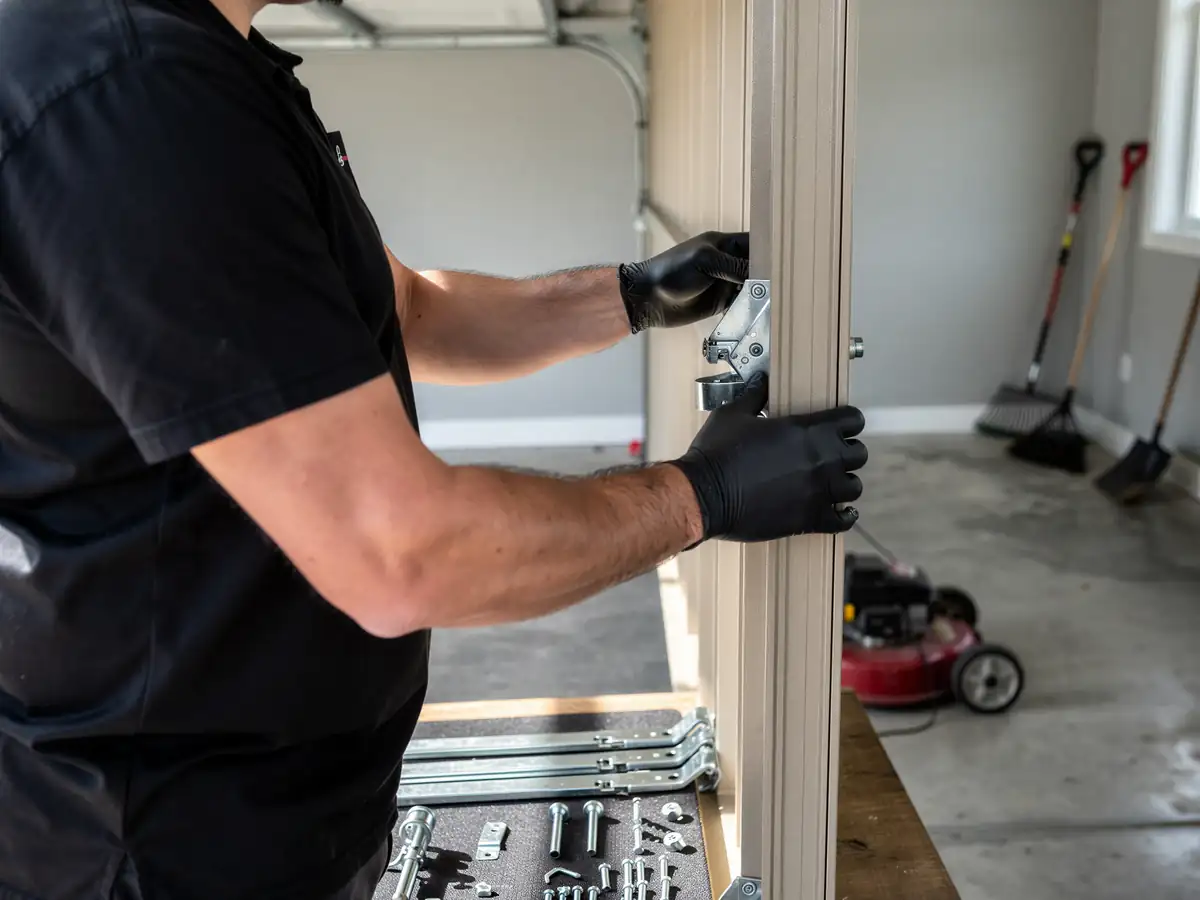
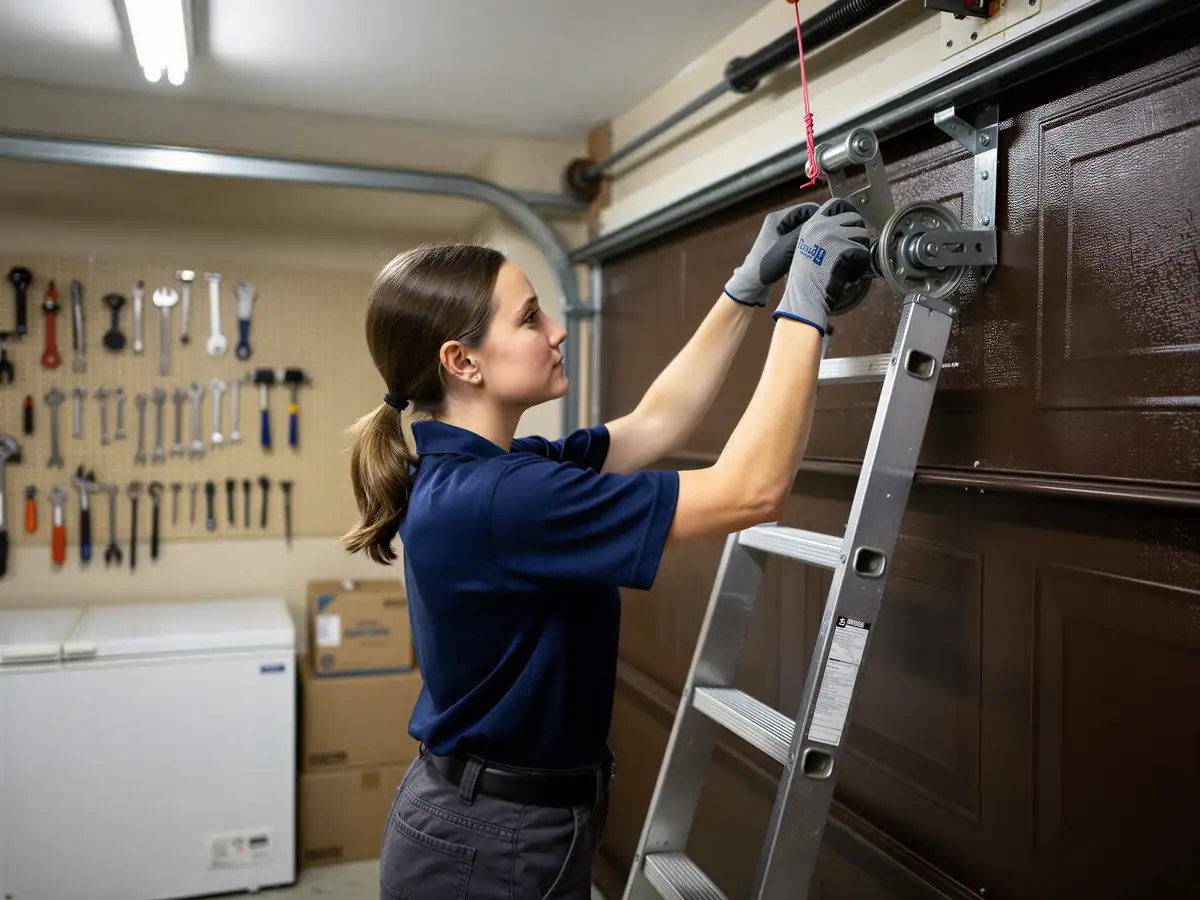
A sagging panel or a door that's noisy going up is still a homeowner job most days - tighten the hardware, lube the rollers, check the track bolts. But once a torsion spring lets go, or a cable jumps its drum, or the door comes off the track on one side, that's not a tightening-bolts problem anymore. Springs on a double door are under enough tension to cause real injury, and on houses from this era the drums and cable routing aren't always the same as what you'll find in a how-to video shot on a newer build.
We'll say plainly: we don't do same-day service on every call, and if a part for an older panel design has to be special-ordered, that adds time we can't shorten. Knowing when to stop and make the call is worth more than finishing the job yourself with the wrong spring size.
How Local Conditions Play In
This area sits in a cold-moderate climate band, which matters more to a garage door than most people expect. Steel contracts in cold weather, and on a door that's forty-plus years old - common here given the 1960-2004 build window - that contraction finds every bit of slack already in the hardware. Nylon rollers that have gone brittle with age crack instead of flexing. Torsion springs that have already given decades of cycles lose a little more tension with every cold snap.
The bottom seal is usually the first thing to go. On an original door from this era, that rubber has been baking in summer and splitting in winter for a long time, and once it hardens and cracks, cold air gets into the garage in a way it didn't used to. That's not a dramatic failure, just a slow one - until the day the door won't seal at all.
We're not claiming this area gets extreme weather events; the climate band here is moderate, not severe. But moderate cold repeated every winter for decades is exactly the kind of wear that catches up with a door built when Ford was still making the Pinto. It's steady, not sudden, and that's what makes it easy to ignore until the spring finally snaps.
What Is Going On
When a door from this era starts acting up, it's rarely one single thing
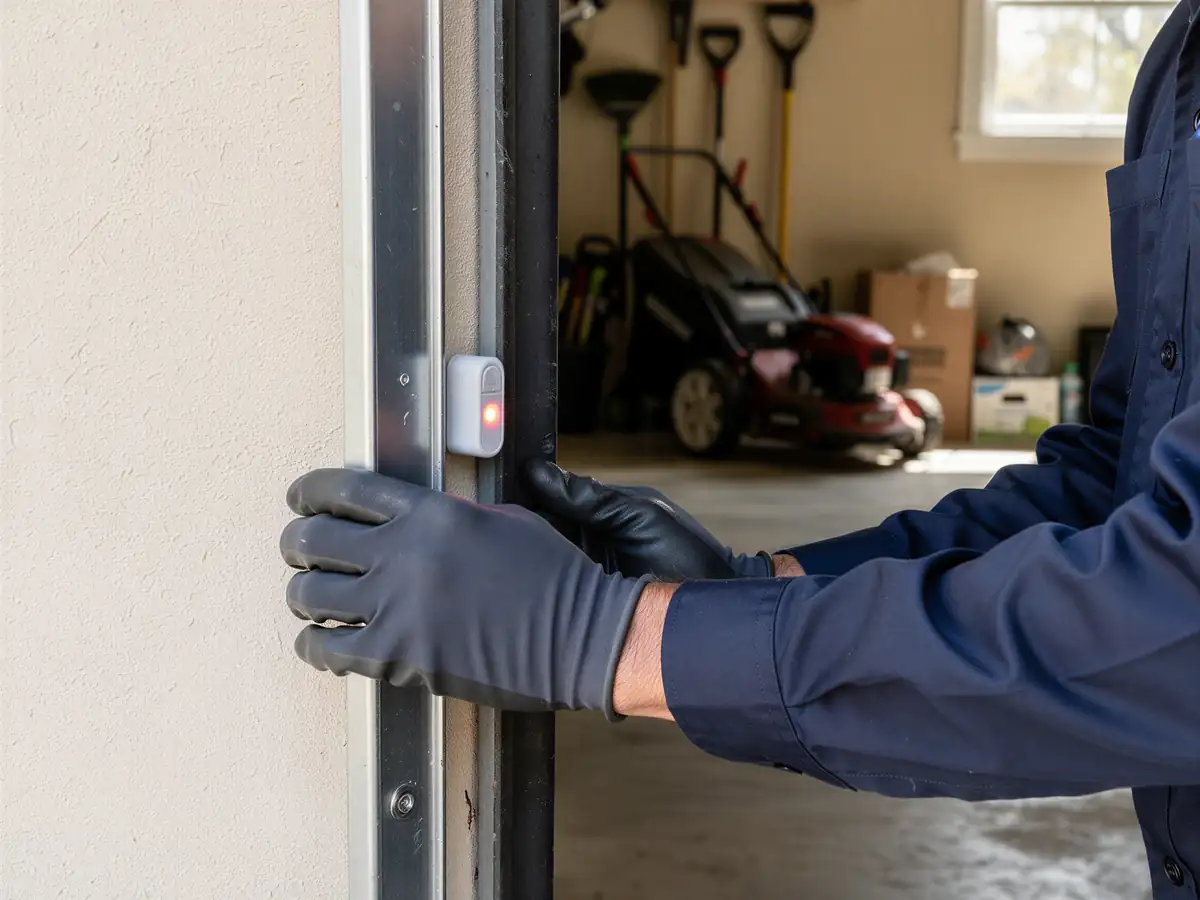
Across the nine named areas that make up most of the housing stock here, built mainly through the 1960s and 70s with construction continuing out to 2004, the doors share a common set of wear points: torsion springs rated for a cycle count that's long since been used up, original openers without the modern safety reversal sensors, and track hardware that was installed to the standards of its decade, not this one.
A door that drags on one side usually means the track has shifted slightly over the years as the house itself has settled
Normal for a structure built forty to sixty years ago. A door that won't stay up means the spring has lost tension gradually, which is exactly what you'd expect from hardware that's been cycling since before most current owners bought the house. None of this is a mystery, and none of it means the door was installed wrong. It means the door is doing what hardware from that construction era does on schedule.
What we look at first is whether the frame and panels are still sound
If they are, a spring and some rollers get you another long run. If the panels are rusted through or the track is bent past straightening, that changes the conversation.
Leaving It Alone
Here's the honest part: not every old door is worth saving, and we'd rather tell you that up front than sell you a spring replacement on a door that's going to fail somewhere else in six months. If the panels are rusted or cracked, or the track has been bent and re-bent, sinking money into matching parts for a design that predates the current opener safety standards usually costs more over two or three repairs than one replacement would.
At a median household income of $54,132 across this area, most owners we talk to are weighing that decision carefully rather than just defaulting to the newest option. That's fair. A door from the 1960-2004 building window that's structurally sound, with a frame that's square and panels that aren't damaged, is almost always worth repairing - new springs and rollers on good bones will outlast a lot of people's expectations.
We work this stretch of the area out toward Three Way, Medina, Gadsden, Humboldt, Bells, Gibson, Henderson, Alamo, and Milan, and the same pattern holds across most of it: same housing era, same winters, same wear points. If you're not sure which side of the line your door is on, that's a reasonable thing to ask us to look at before you spend on parts.