What You Pay
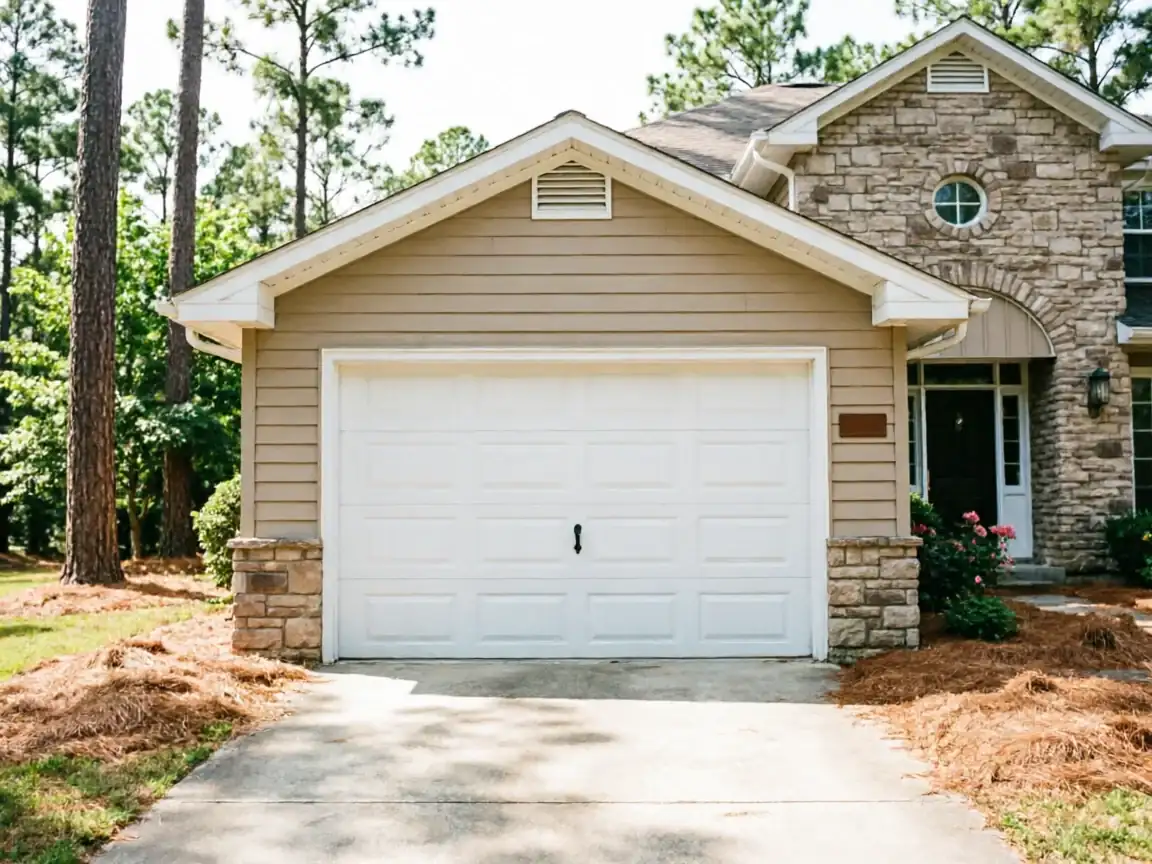
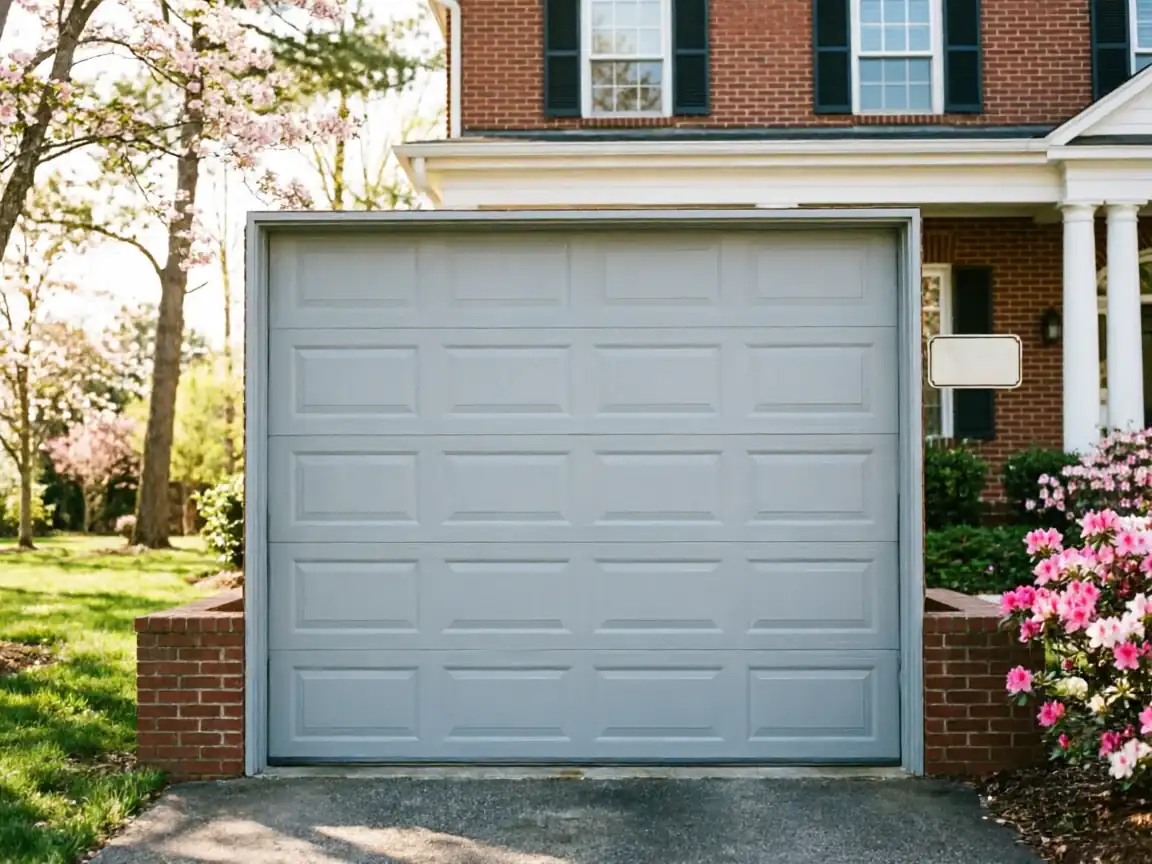
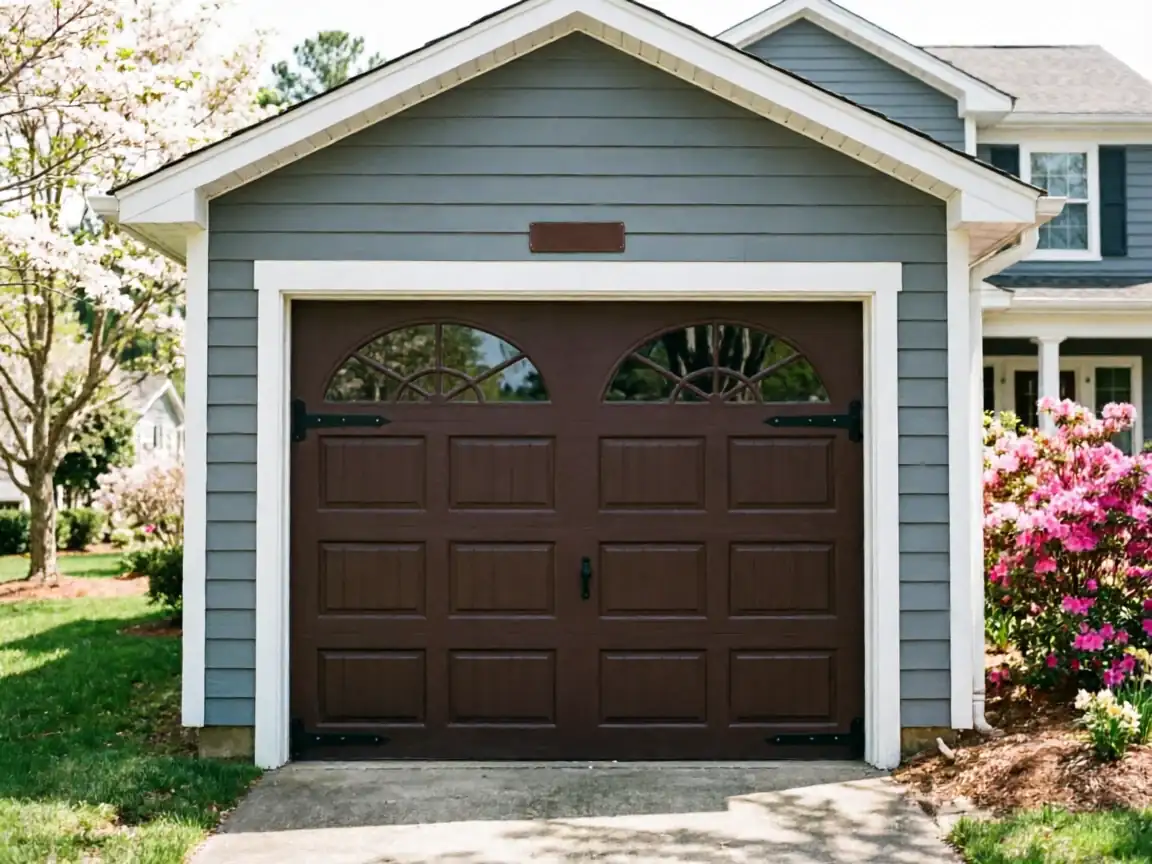
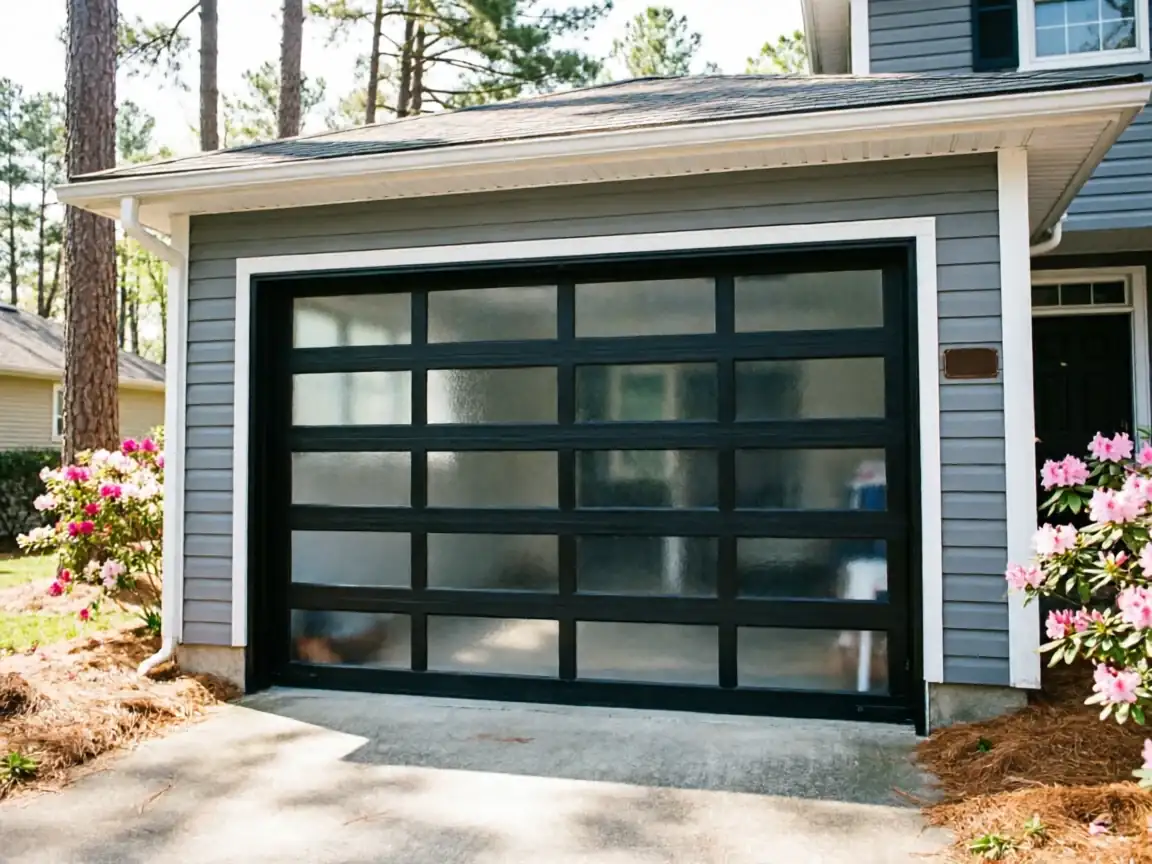
We're not going to print a number here that doesn't mean anything once we're standing in your driveway. What a new door costs in Jackson depends on three things: the size of the opening, the insulation level you pick, and whether your existing track and header need rework or just a swap. Houses built here between 1960 and 2004 - which covers most of the area - were framed for standard single and double openings, so a like-for-like install is usually the straightforward end of the job. Where cost jumps is when the old jamb is out of square or the opening was never sized for an insulated door with thicker rail.
With a median household income around $54,132 across the service area, most of our installs land in the mid-tier range on materials - steel, factory-primed, with a basic polystyrene core. Insulated steel or wood composite costs more up front but earns its keep through a cold-moderate winter. We'll walk the opening with you, point out what's standard and what's an upcharge, and give you a written number before anything gets ordered. No guessing games over the phone.
The Symptom
The calls we get aren't usually "my door won't open." They're more specific than that: the door shudders halfway up, one side lags behind the other, or it closes and bounces back off the floor like it hit something invisible. On older doors you'll hear a new pop or grind at the same spot in the cycle every time - that's a section binding on a bent track, not a mystery.
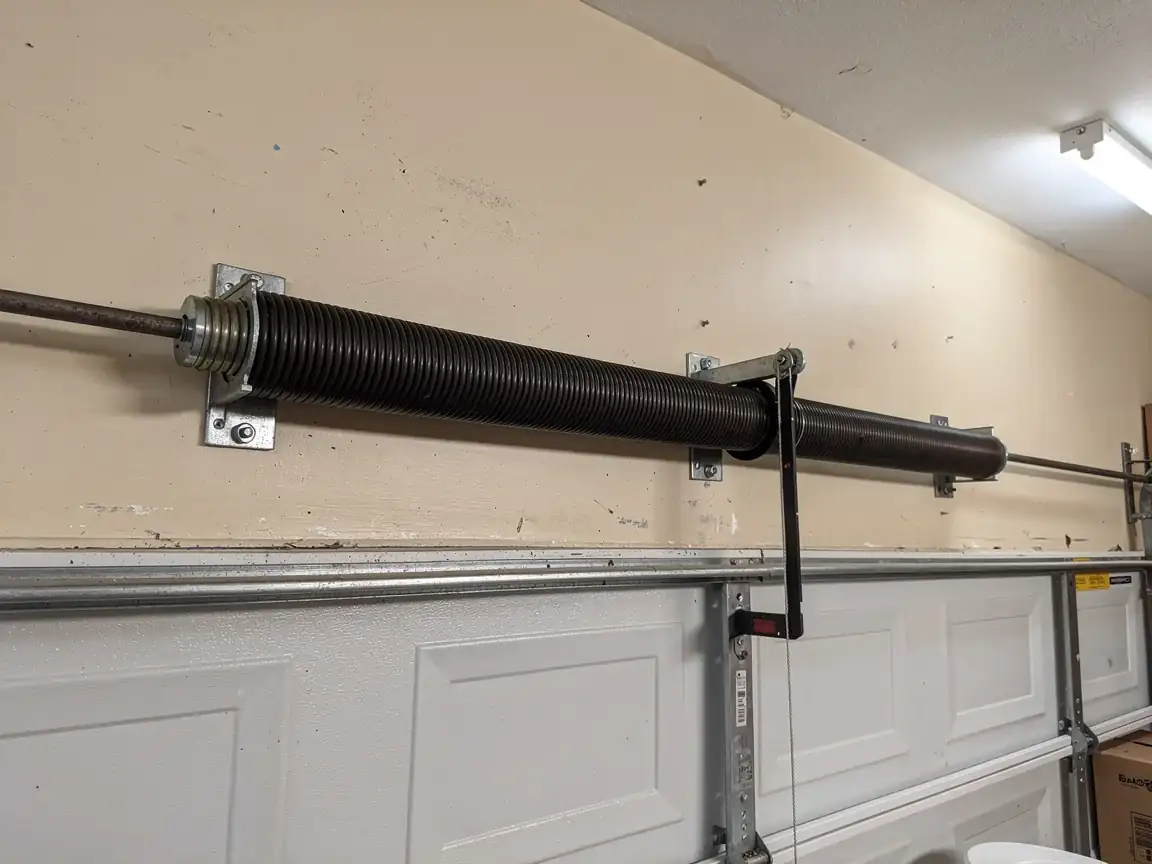
Sometimes it's quieter than that. The opener runs, the chain or belt moves, but the door barely lifts, or it only moves a few inches before stalling. That's torque, not electronics - a door that heavy shouldn't need that much help from the motor. If your door is original to a house built in the 1960s or 70s, which describes a large share of homes across Jackson's nine named areas, the symptom is often the door itself reaching the end of its service life, not a part you can patch one more time.
What Causes It Around Here
Jackson's housing stock runs mostly 1960 through 2004
With the bulk of it dating to the 1960s and 70s across the named areas in and around town. That matters for garage doors because a door installed in 1975 was built to a spec nobody follows anymore - thinner steel, no thermal break, hardware sized for a lighter panel. Forty-plus years of a cold-moderate climate cycling that door through freeze-thaw swings works the steel, the hinges, and the weatherseal harder than people expect from a part of the state that doesn't get brutal winters.
That combination - older original doors plus repeated cold-season expansion and contraction
Is the single biggest reason we get called for full installs rather than repairs. The panel seams flex, the bottom seal hardens and cracks, and the track mounting pulls loose from a jamb that's shifted slightly over four or five decades. None of that is dramatic failure. It's just a door built for a different era meeting fifty winters it was never rated for.
The Complications
The complication we run into most in Jackson is the opening itself. On a house from the 1960s-70s stretch, the framing and header were built around the door that came with the house - change the door type and you sometimes have to touch the jamb, the header, or the track mounting too. We won't know until we've got the old door off and can see the bones of the opening.
Here's the honest limitation: if your jamb is rotted, out of square by more than a small margin, or the header was never sized for an insulated door's extra weight, that's carpentry work, not garage door work, and we'll tell you to get a contractor in before we hang anything. We'd rather lose a same-day install than hang a door on a frame that can't hold it.
We work out of Jackson and cover the surrounding area - Three Way, Medina, Gadsden, Humboldt, Bells, Gibson, Henderson, Alamo, and Milan - and drive time does factor into scheduling on installs that need a return trip for hardware.