What You Pay
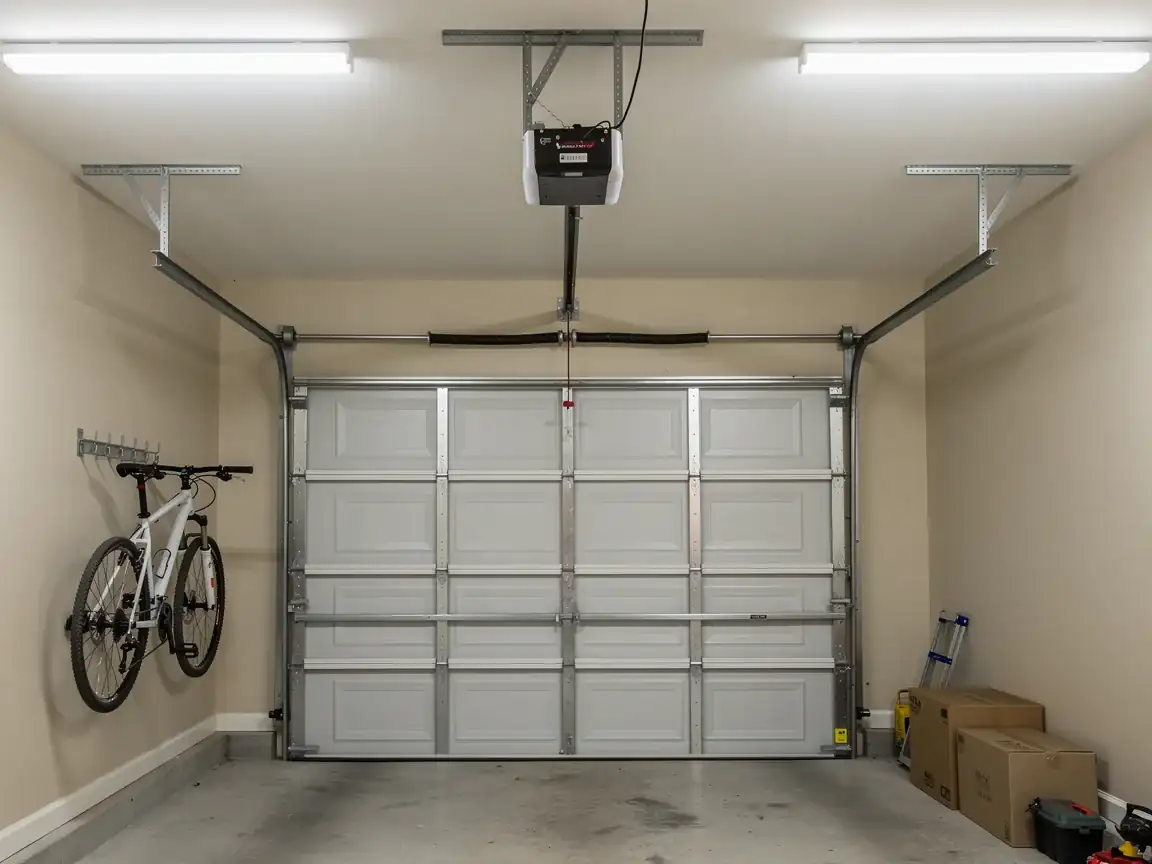
We don't post a flat number here because the cost of an opener install depends on three things: the opener itself (chain, belt, or wall-mount jackshaft), whether we're replacing an existing unit or wiring a bare opening for the first time, and what we find once the old bracket comes down. Houses in this service area were mostly built between 1960 and 2004, and a lot of them still carry the original header bracket and track configuration from that era - sometimes that hardware is fine to reuse, sometimes it's rusted through or undersized for a modern opener and has to be swapped too. That second scenario adds cost you can't quote over the phone. What we can tell you up front: a straightforward swap of a dead opener for a new one on existing rail is the cheaper job, and anything involving new wiring, a reinforced top panel, or a second opener for a double door costs more. We'll give you the real number after we look at the door, not before.
The Symptom
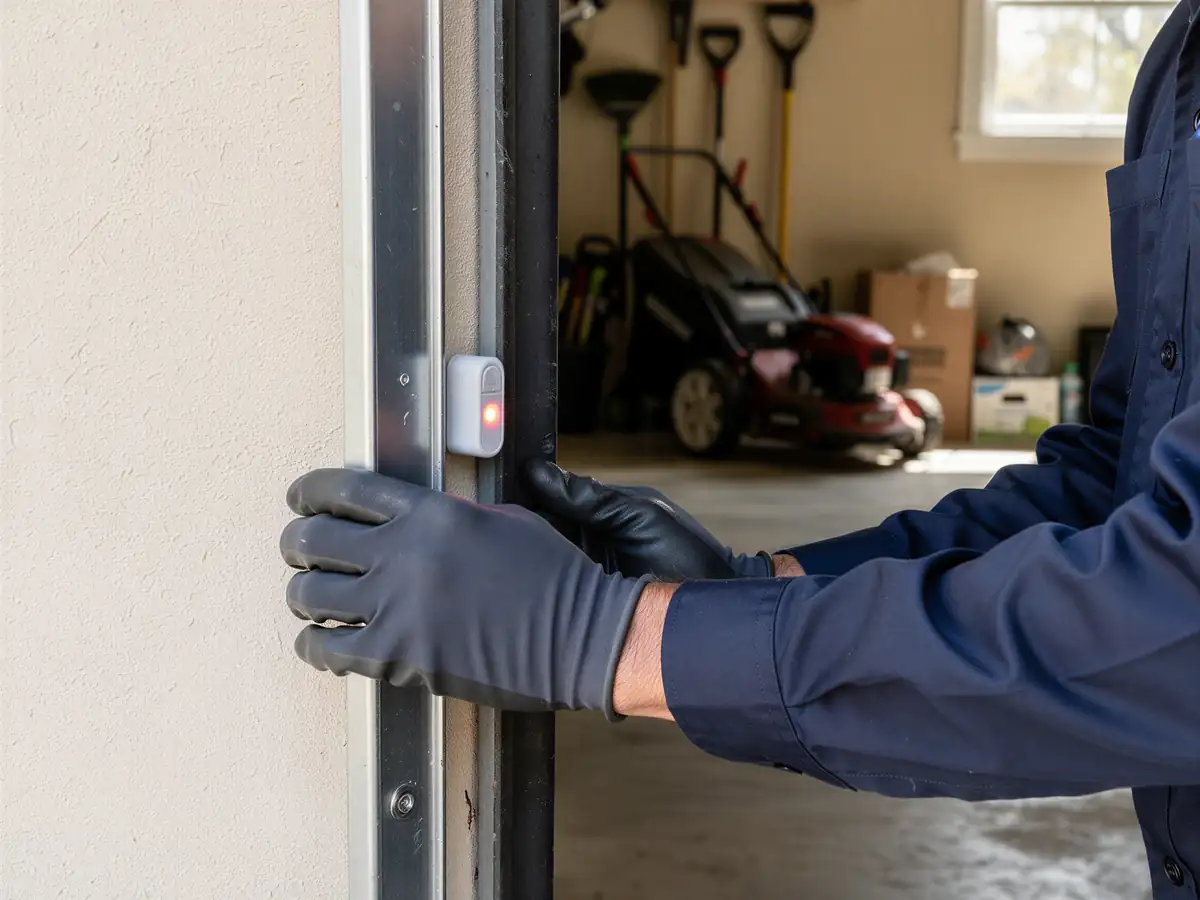
The opener runs but the door doesn't move, or it moves a few inches and reverses. Sometimes the motor hums and nothing happens at all. Other times it works fine for months and then starts closing on its own schedule, no remote involved - a sign the logic board or the wall control is going, not the motor. On older chain-drive units common in homes from the 1960s and 70s, the symptom is often a grinding or slapping sound before the unit quits entirely, because the drive gear inside the housing has stripped. None of this is a weather problem by itself. It's a parts-reaching-end-of-life problem, and in a service area where a big share of the housing stock is 50 to 60 years old, that end-of-life point arrives on a lot of doors at roughly the same time.
The Complications
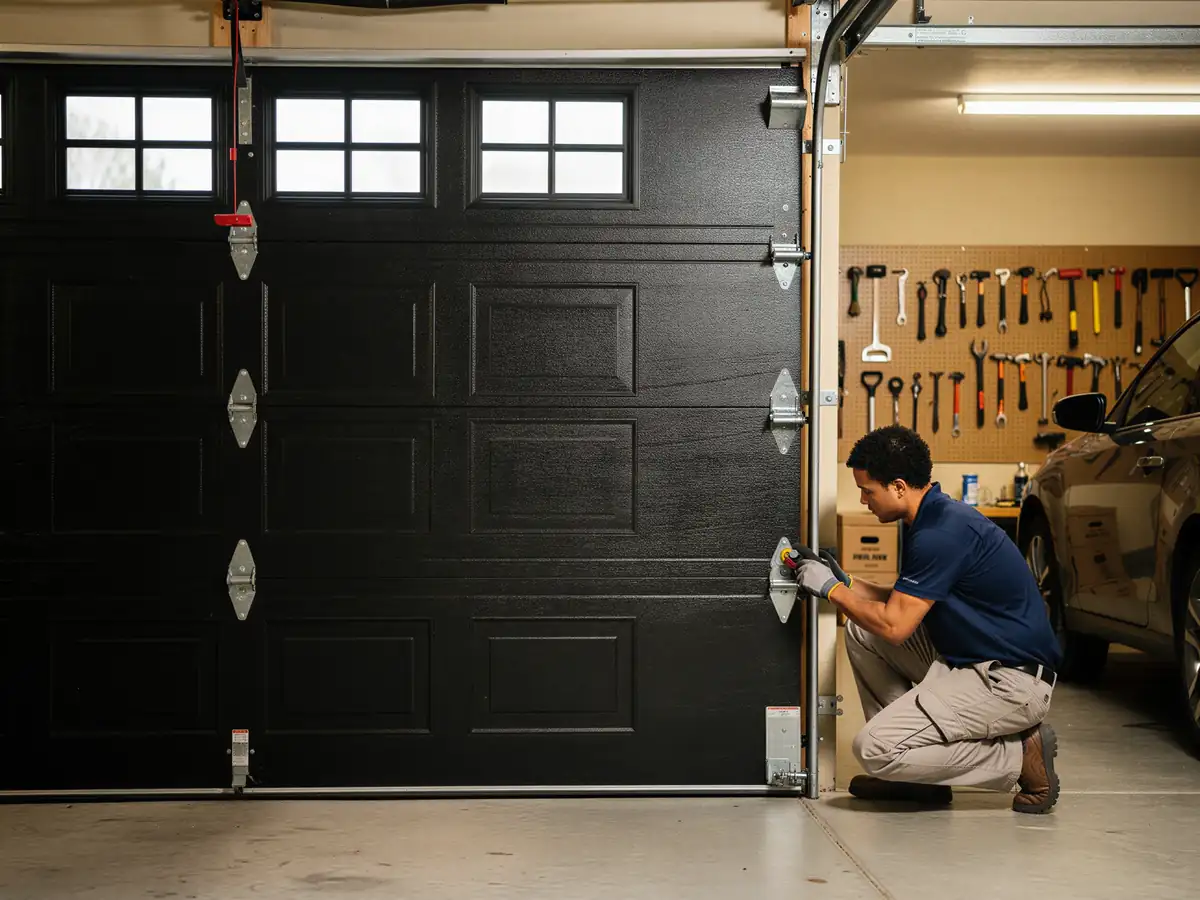
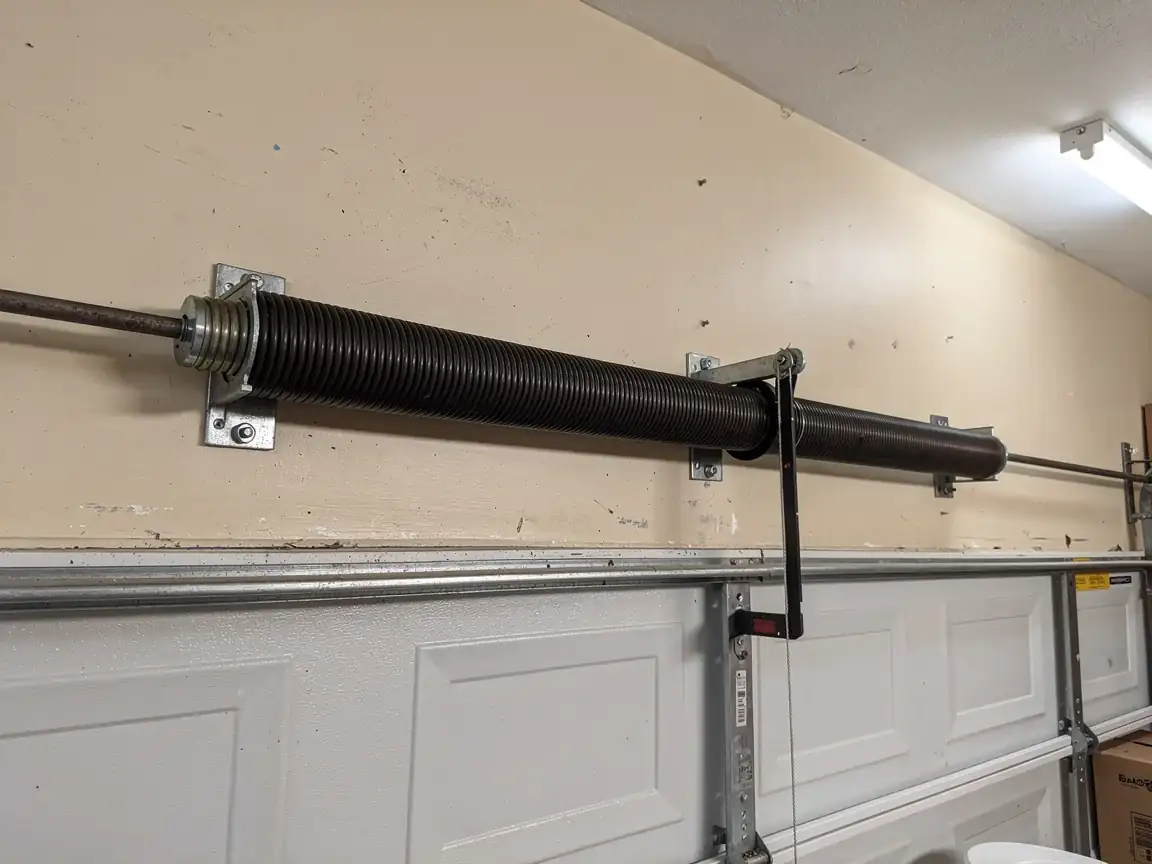
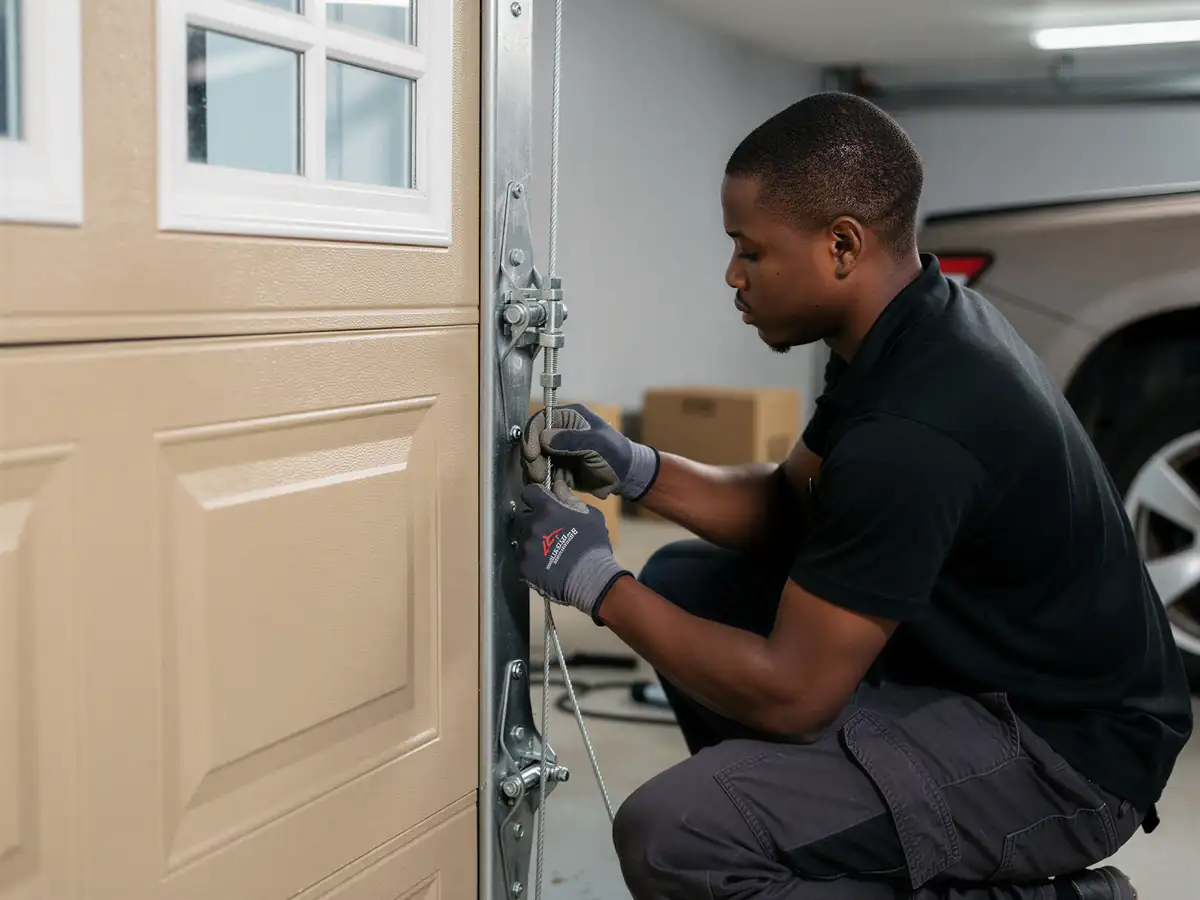
The complication we run into most in this area is mismatched hardware: a newer opener bolted onto a header bracket or track sized for a door built in the 1960s or 70s, where the stress and clearance were never checked. It still works for a while. Then it doesn't, and it fails in a way that strains the new motor too. The honest limitation here is that we don't install a new opener on a door we haven't inspected - if the springs, cables, or track are near the end of their life, putting a new motor on top of that just moves the next service call closer. We'll tell you when the door needs attention first, even if that means a smaller job today and a bigger one down the road, instead of the other way around.