What You Pay
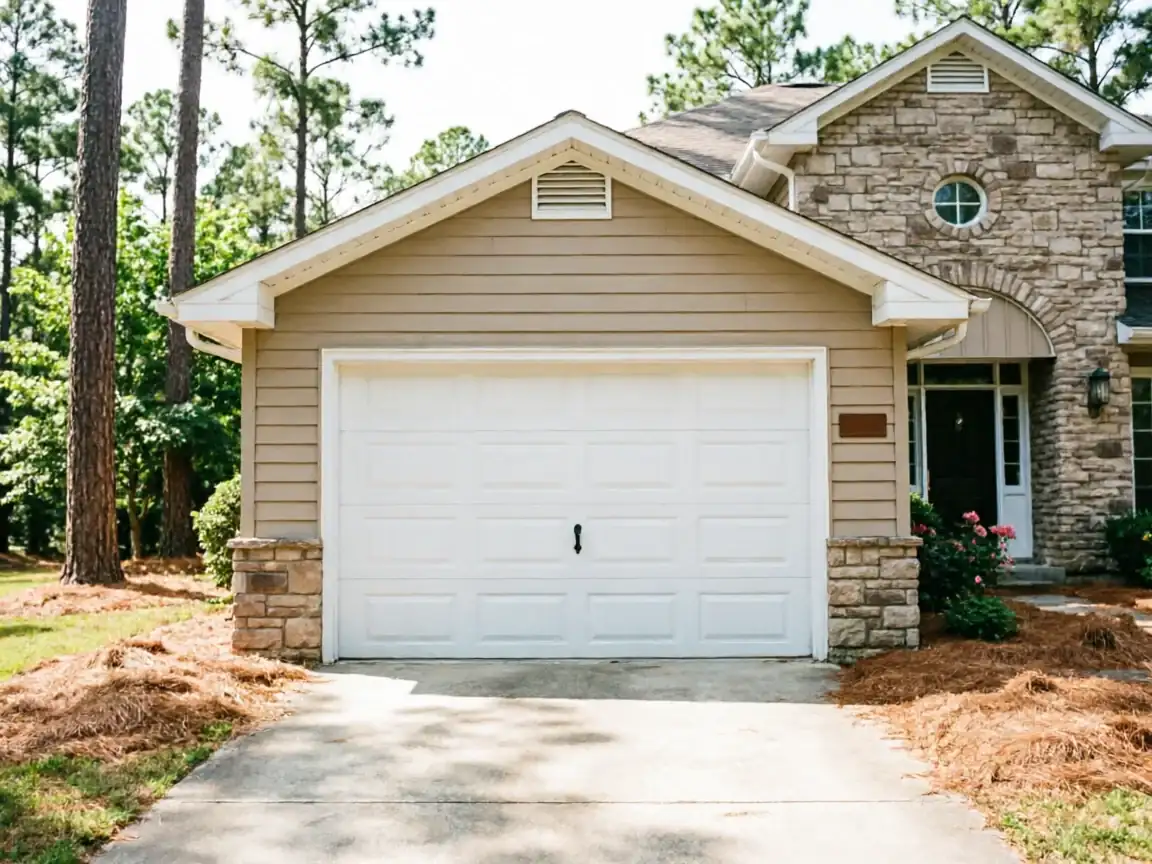
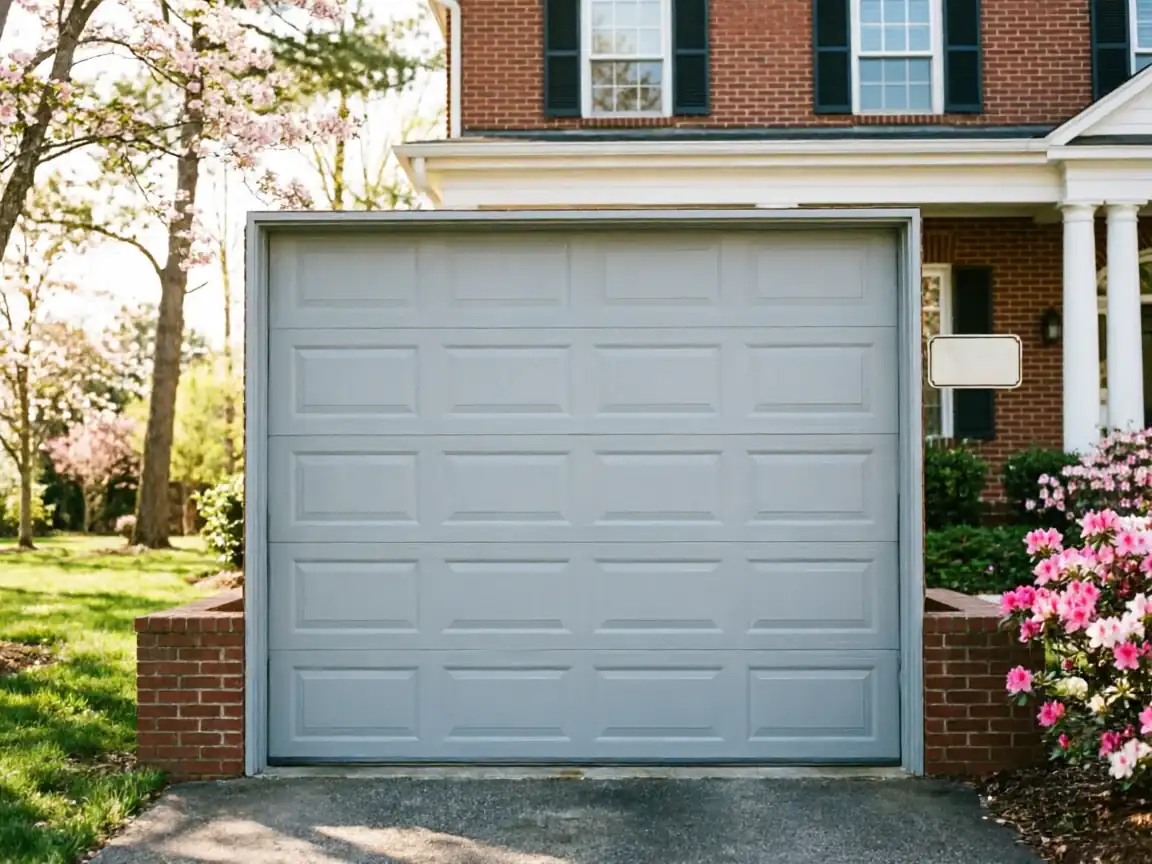
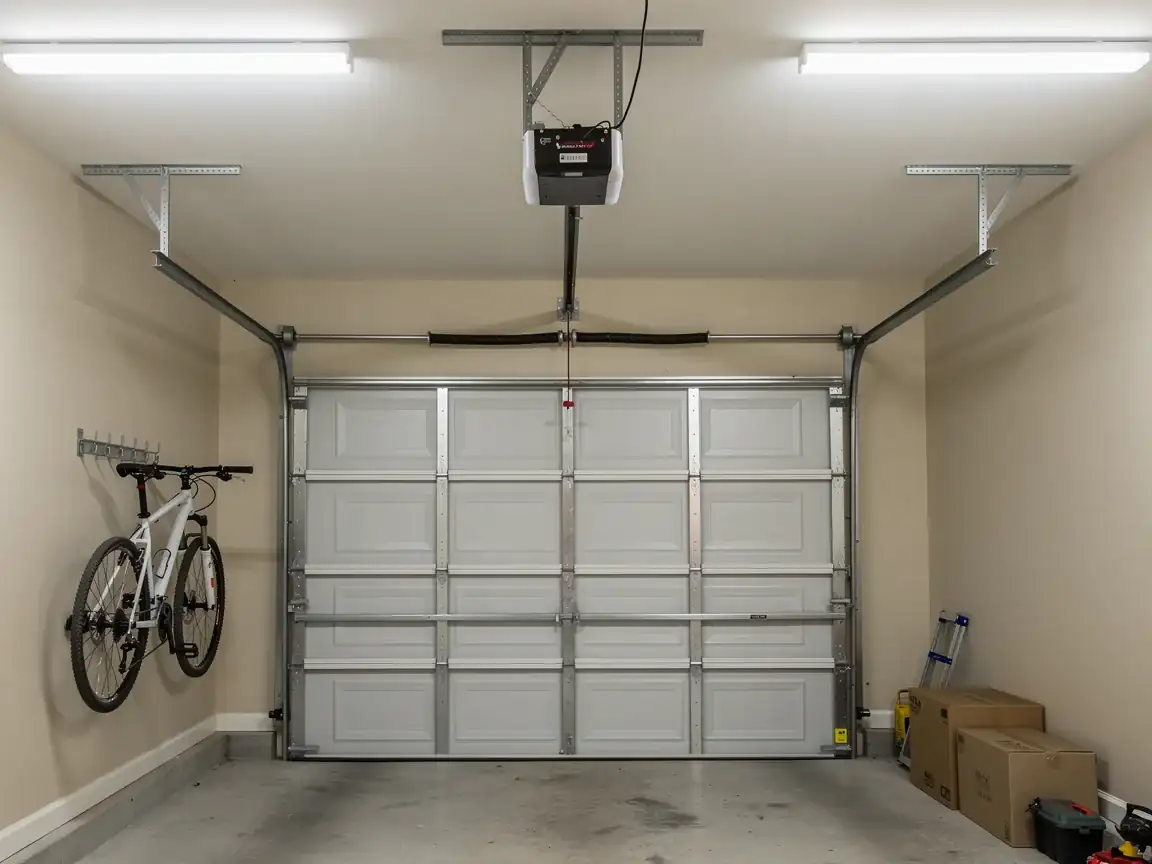
We don't post a flat number for panel replacement because the job depends on what's actually wrong with your door. A single-panel swap on a standard steel door is a different job than matching an embossed panel style that your door's manufacturer stopped running years ago, or pulling a whole section because the track bent along with it. Jackson's housing stock runs mostly 1960s through the early 2000s, with median construction around 1975, so a lot of the doors we quote are older designs where the exact panel profile isn't sitting on a shelf anymore. That means your cost often has two parts: the panel itself, and the time to source or special-order a match. If your door is old enough that matching one panel isn't practical, we'll tell you straight that a full door replacement may cost less in the long run than chasing a discontinued panel. We'd rather give you that answer honestly than quote a panel job we know won't hold up or won't match.
The Symptom
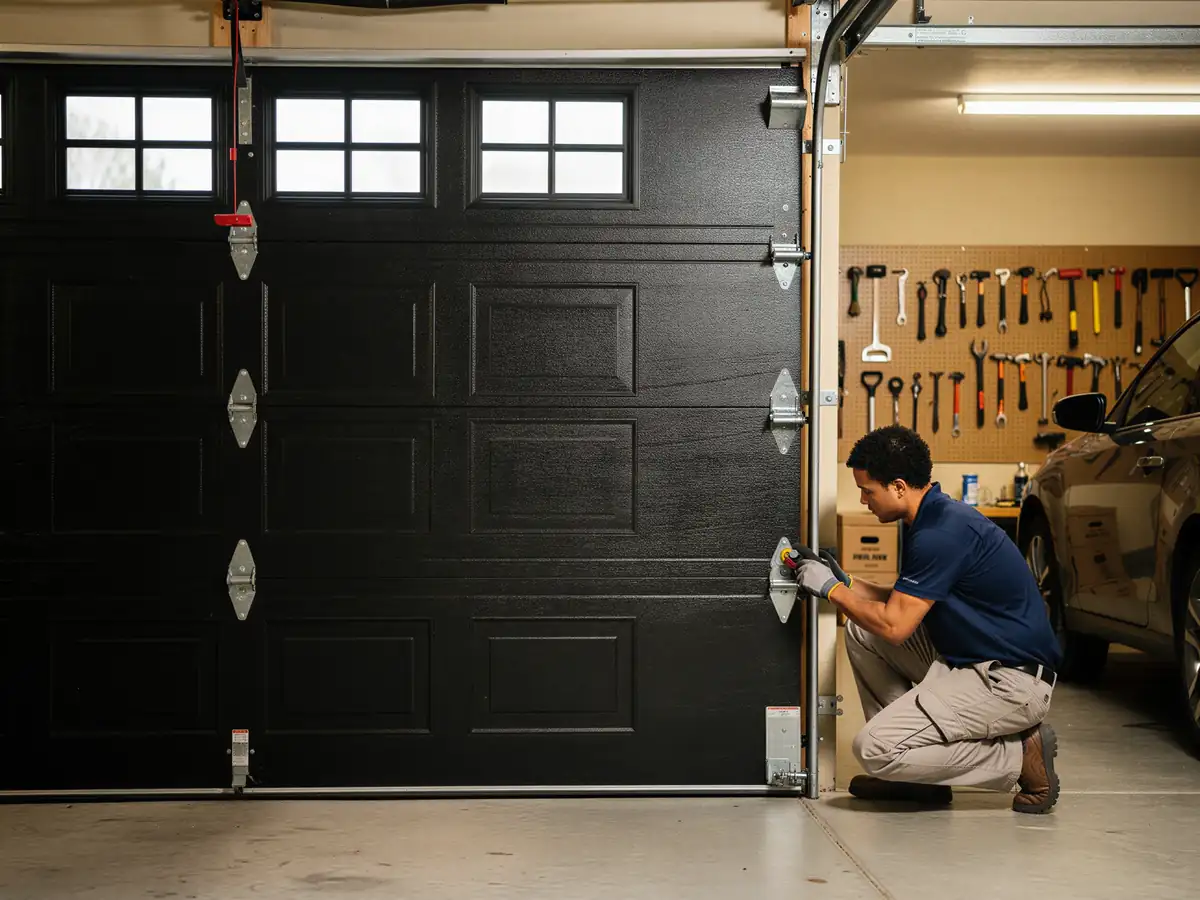
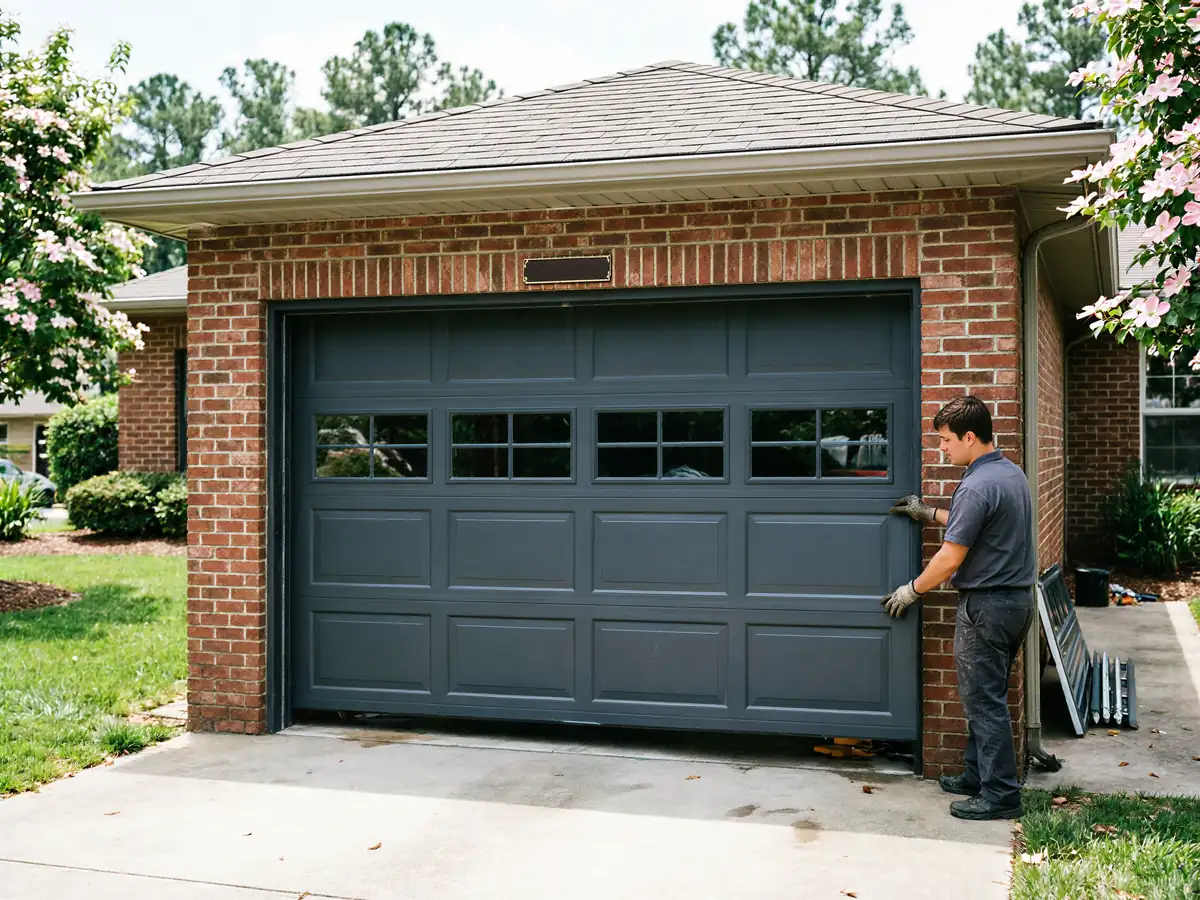
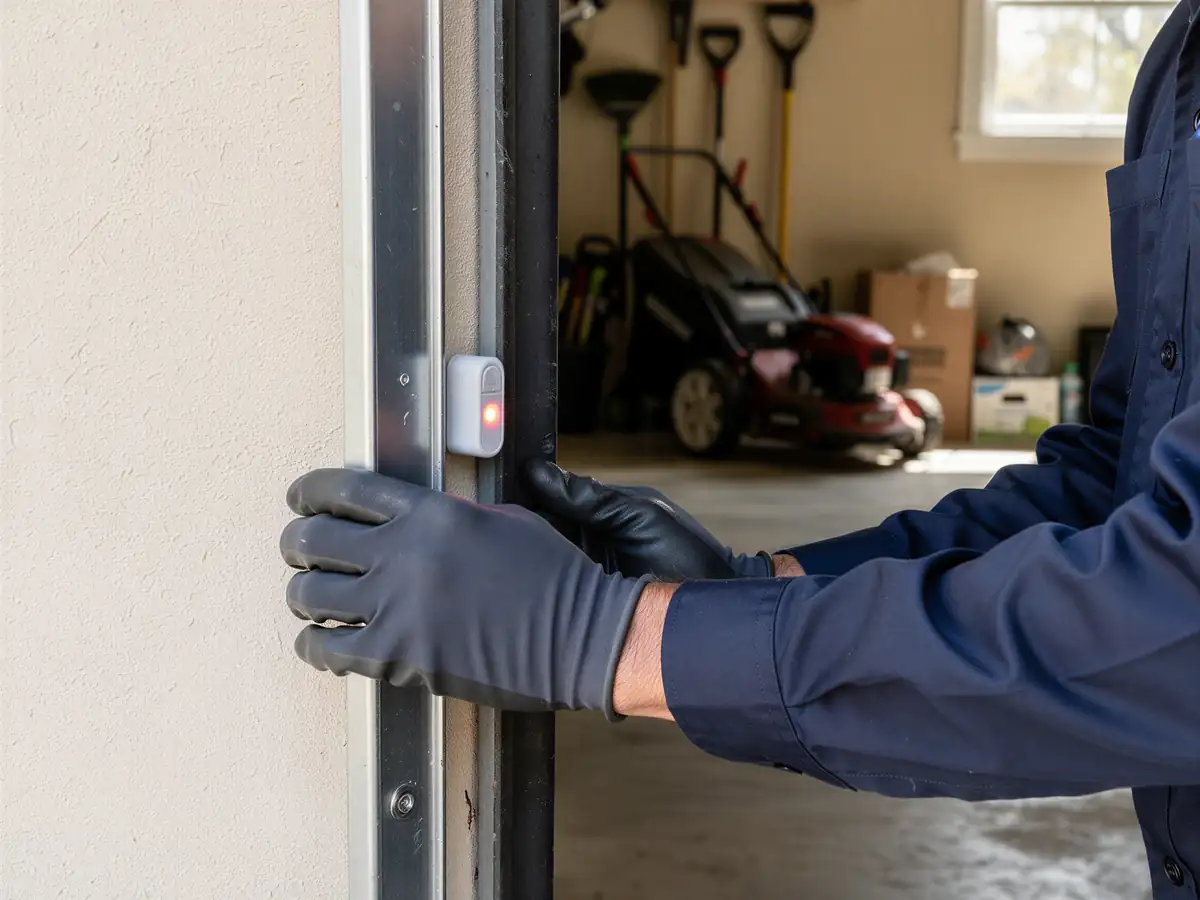
Usually it starts with one bad section - a dent from a car bumper or a thrown rock, a crease along the bottom panel where something backed into it, or a panel that's bowed enough that the door no longer sits flush in the track. Sometimes it's not an impact at all: the panel seams have rusted through at the bottom, where moisture sits against the steel season after season. You'll notice the door binding as it travels, a visible gap at the bottom corner, or the opener straining because the section is no longer square. On older doors across our service area, we also see panels that have simply delaminated - the steel skin separating from the insulation core - which shows up as a soft, flexing spot you can push in with a hand.
The Complications
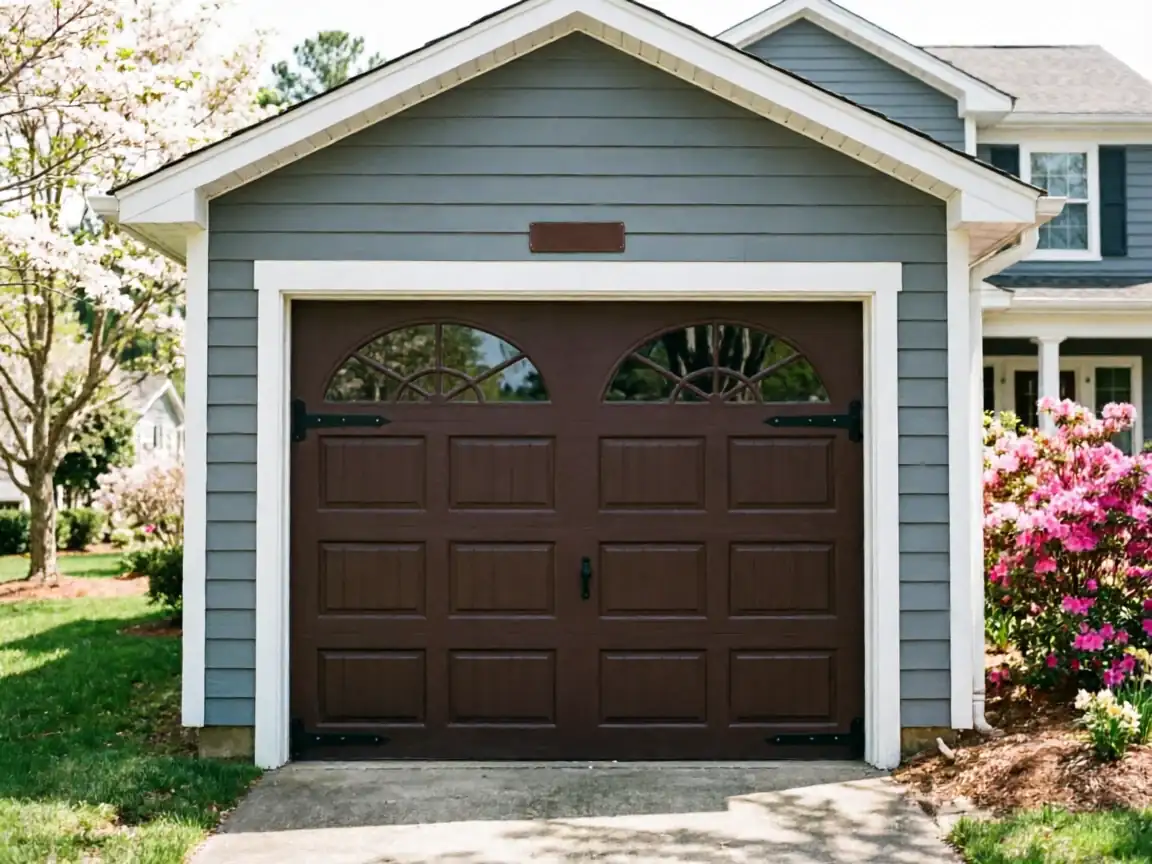
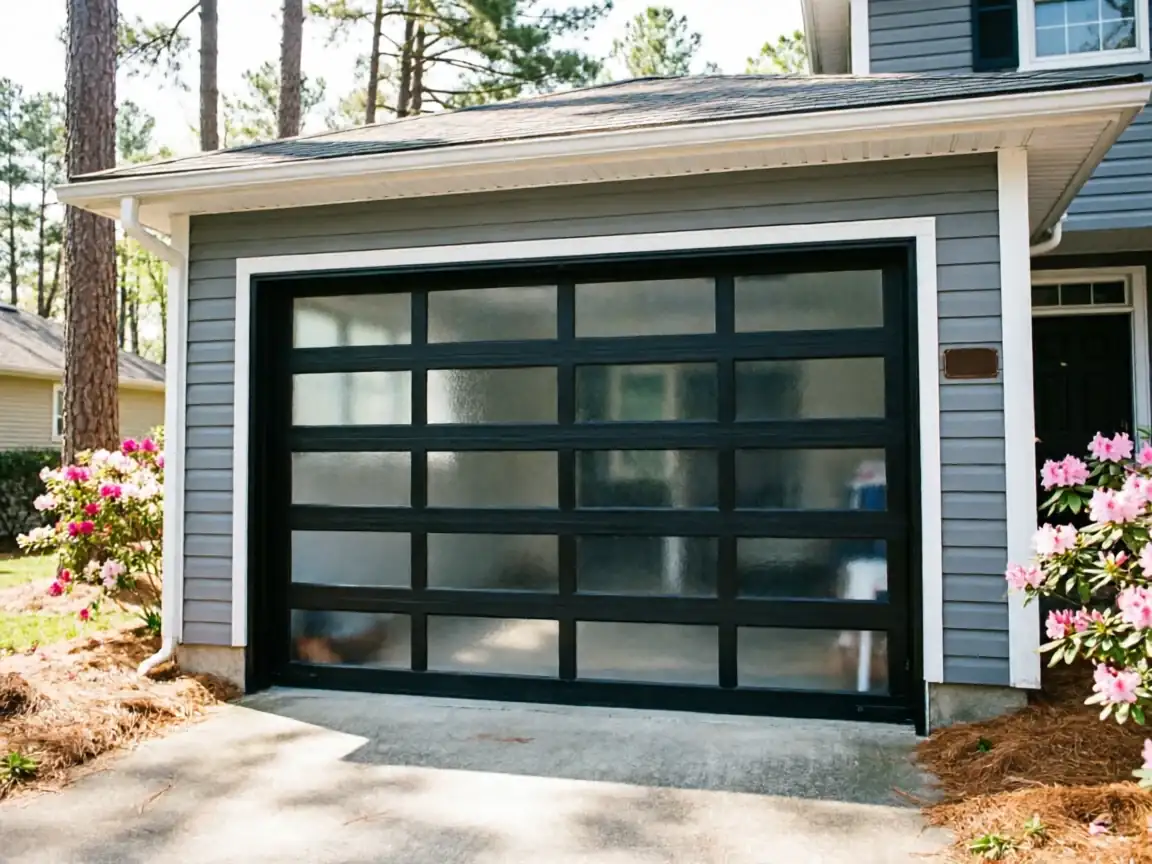
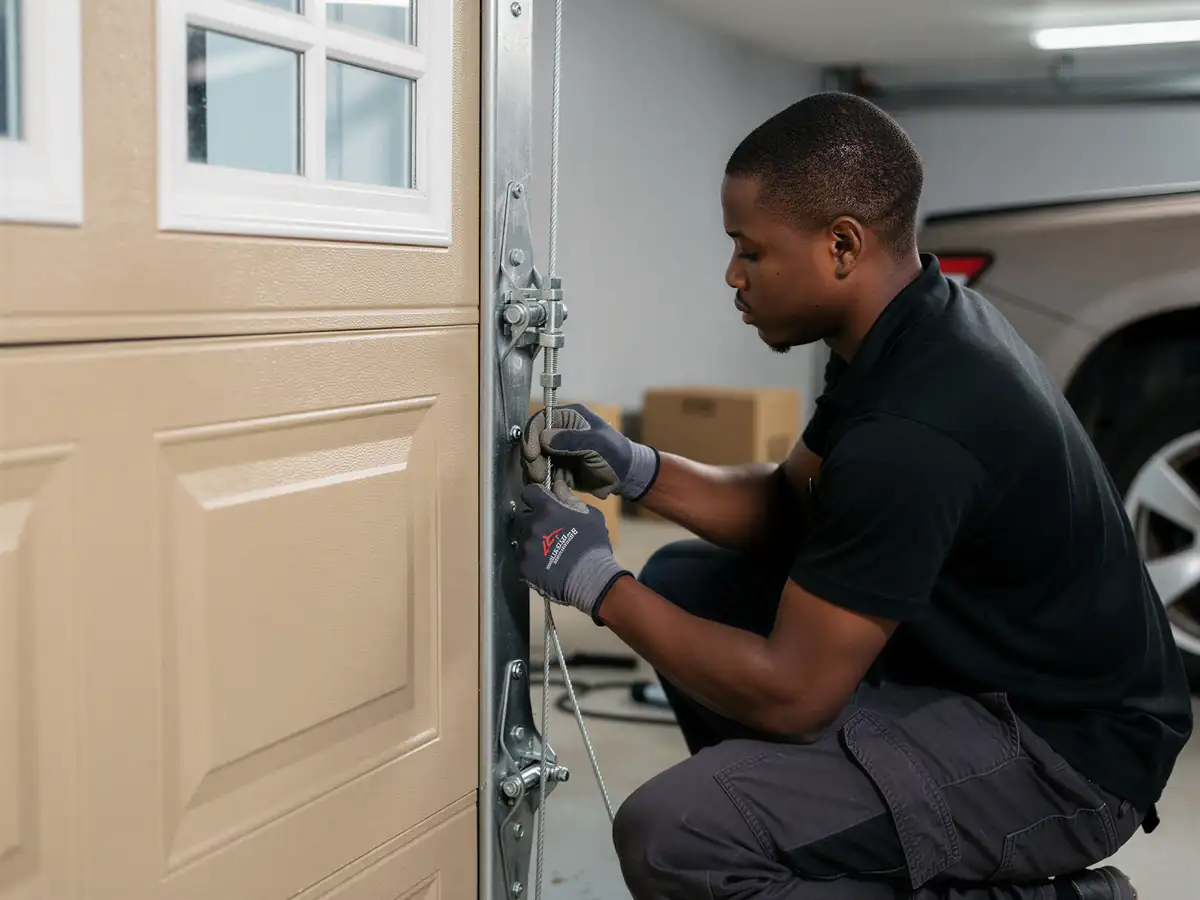
The honest complication is matching. If your door was installed in the 1970s or 80s, the exact panel width, groove pattern, or window cutout may not be manufactured anymore, and a near-match panel on an old door can look worse than the dent did - different texture, different color weathering, a visible seam line. We check what's available before we commit to a one-panel repair, and if nothing matches well, we'll say so rather than install something that looks patched. There's also a structural wrinkle: a hit hard enough to crack a panel sometimes also tweaks the track or bends a hinge, so what looks like a simple panel swap can turn into a track alignment job once we're in there. And on insulated doors, a damaged panel sometimes means the foam core is compromised even if the steel skin looks salvageable, which changes whether patching makes sense at all.