When It Stops Being a DIY Job
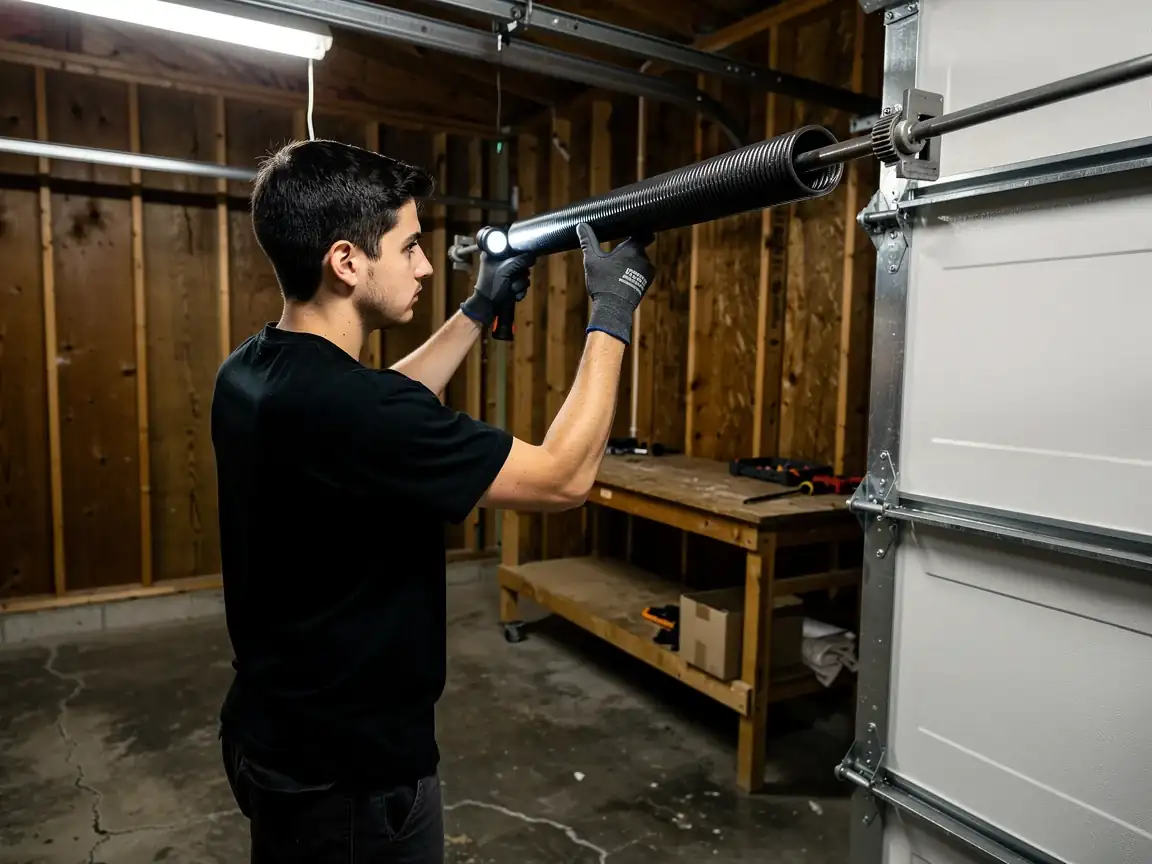
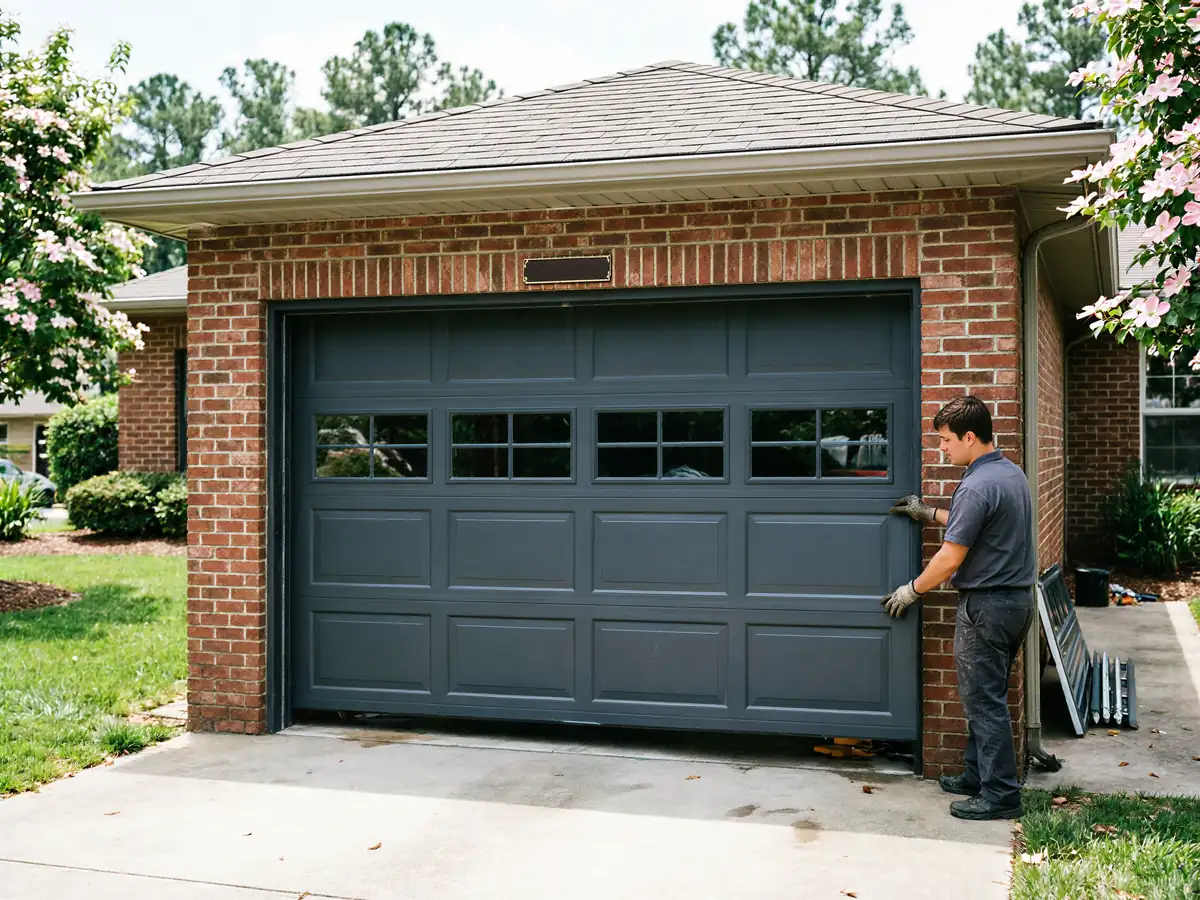
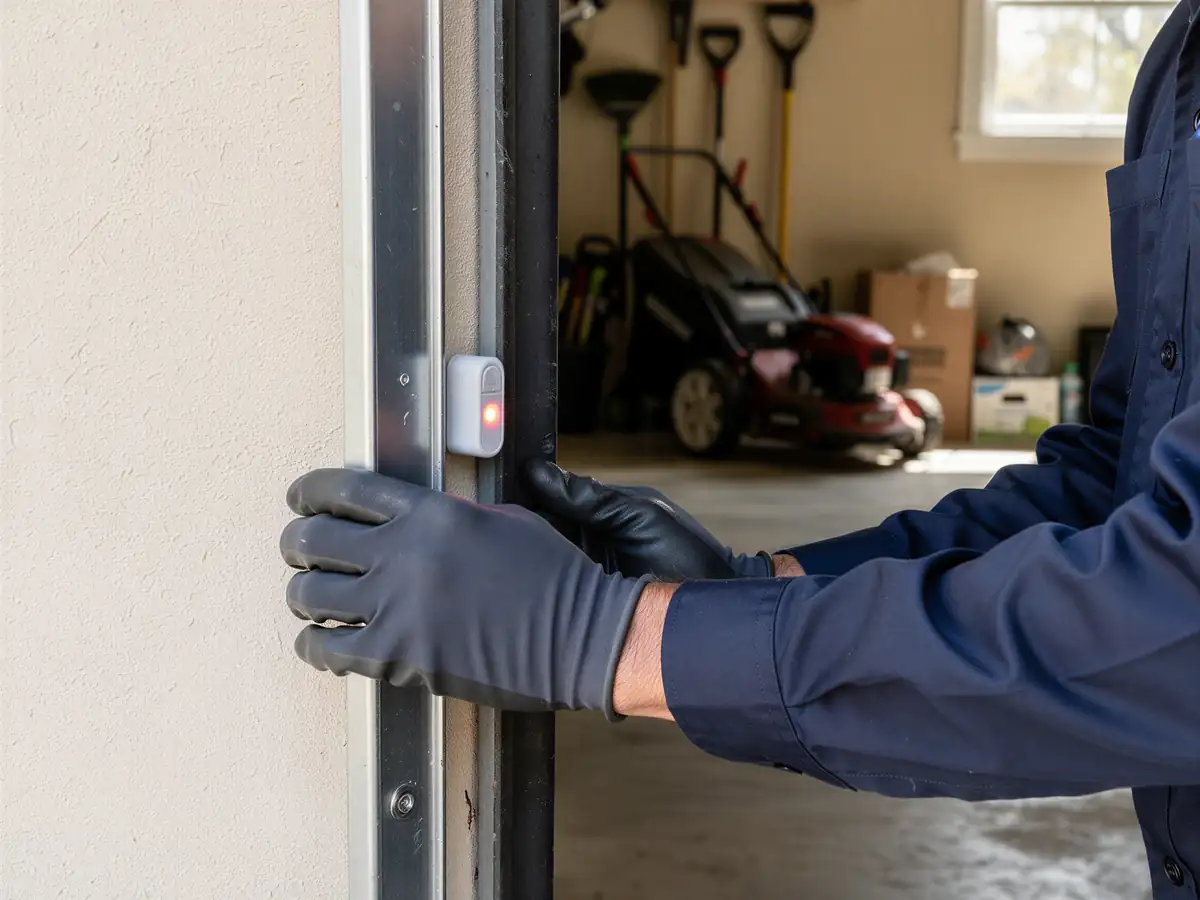
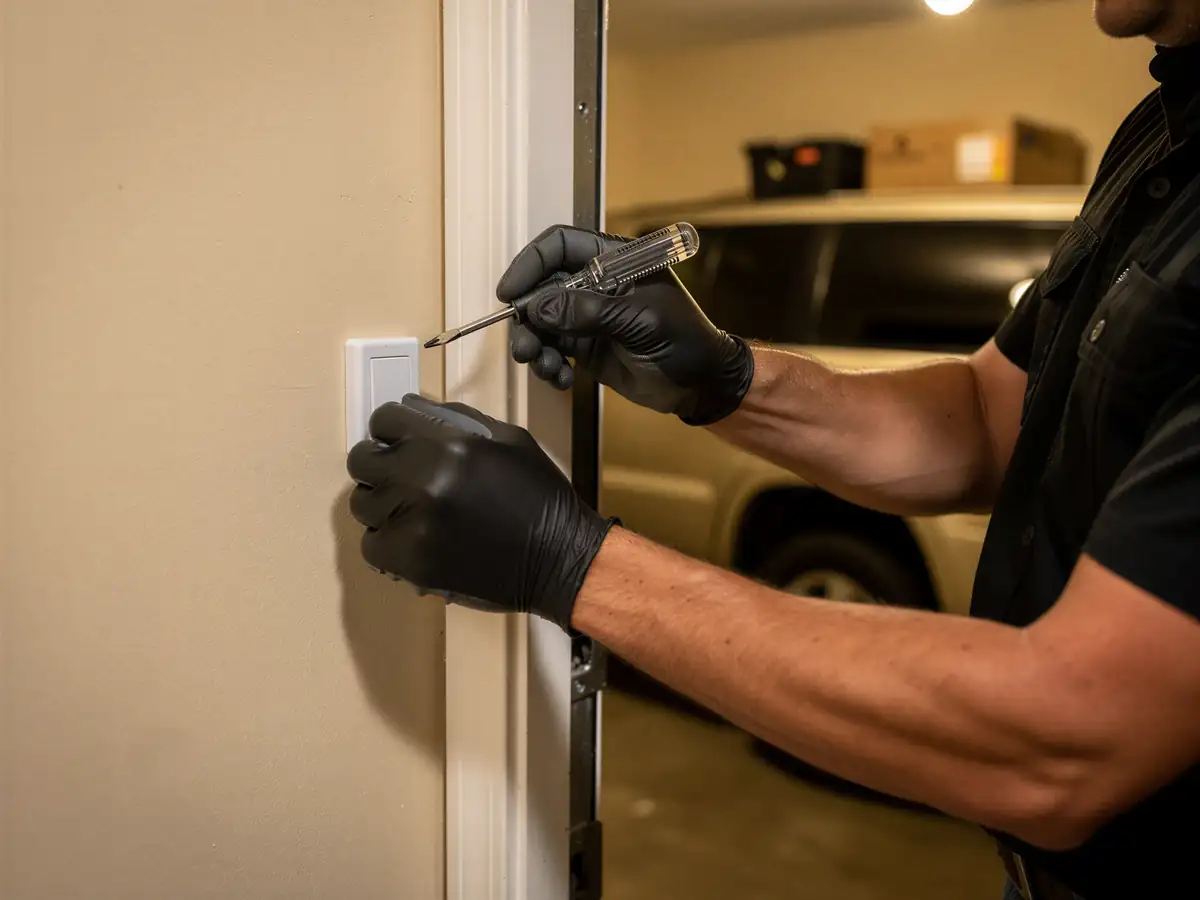
Most of the houses we work on in Jackson went up between 1960 and 2004, with the bulk of that stock dating to the 1960s and 70s across the nine areas we cover. That matters because a door built in that window usually runs on a torsion spring system installed before some of the safety brackets and cable drums that are standard on newer hardware. If you're loosening set screws on a spring that's under full tension, or pulling a bent track off its mounting without knowing what's holding the drum in place, you're working on equipment that can take a finger or worse. Swap a broken extension spring on a light single door, sure, that's a reasonable weekend job if you know what you're doing. Swap a torsion spring on a double door, or touch anything with the cable still wound, and that's a call, not a project. We'd rather you phone us before you start than after you're in the ER. With 6,973 owner-occupied houses across the service area and a median household income of $54,132, we see a lot of homeowners trying to stretch a repair budget by doing it themselves - and that's fine, right up until the job involves stored spring tension or a counterweight system you can't see fully assembled.
How Local Conditions Play In
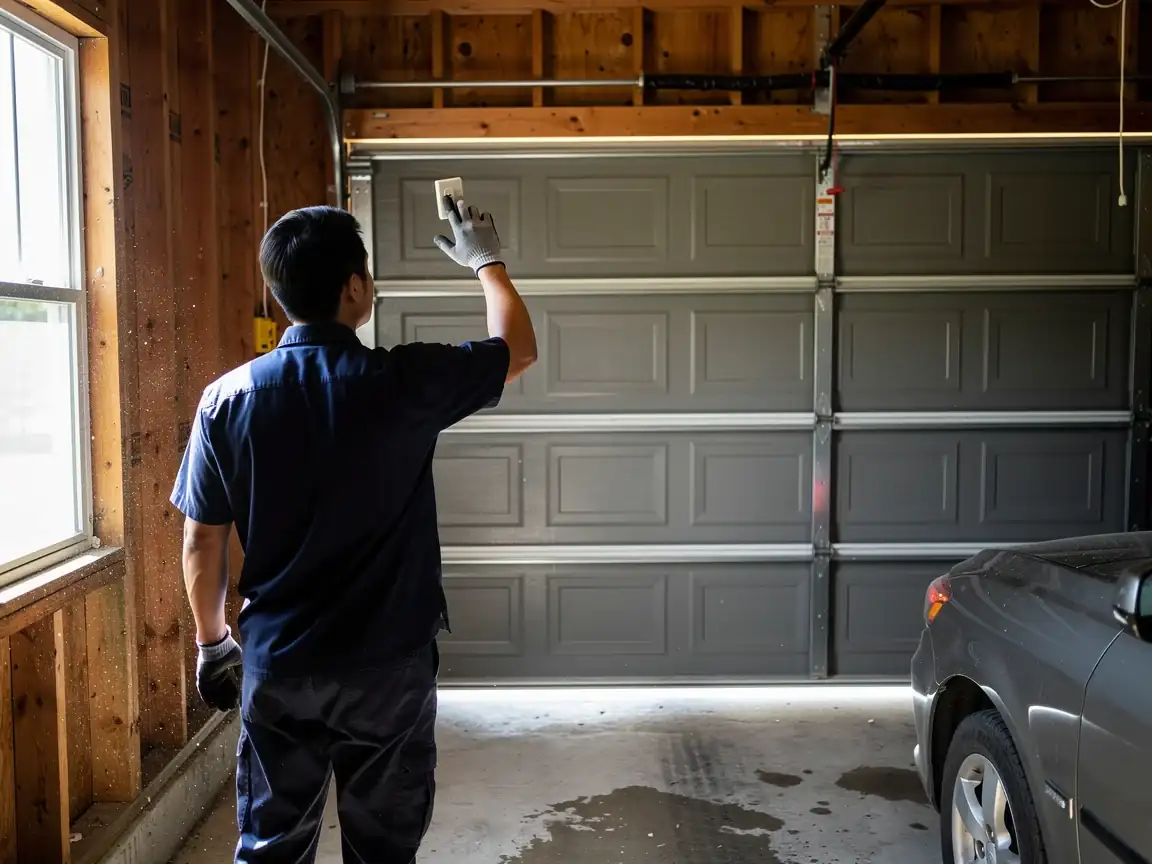
Jackson sits in a cold-moderate climate band, which means the swing between a damp winter morning and a dry summer afternoon is real but not extreme. On a door and opener built in the 1975 median-age range common to this area, that swing shows up as seasonal binding - a track that lines up fine in July and drags in January because the slab shifted a sixteenth of an inch and nobody shimmed the bracket. It's not dramatic weather, it's slow weather, and it works on fasteners and alignment over years rather than all at once. We don't get the kind of hard freeze-thaw cycling that cracks concrete aprons in one season, but we do get enough cold mornings that stiff, under-lubricated rollers on an older door will groan and sometimes jump the track. If your opener motor strains more in winter than summer, that's usually alignment, not the motor dying.
Leaving It Alone
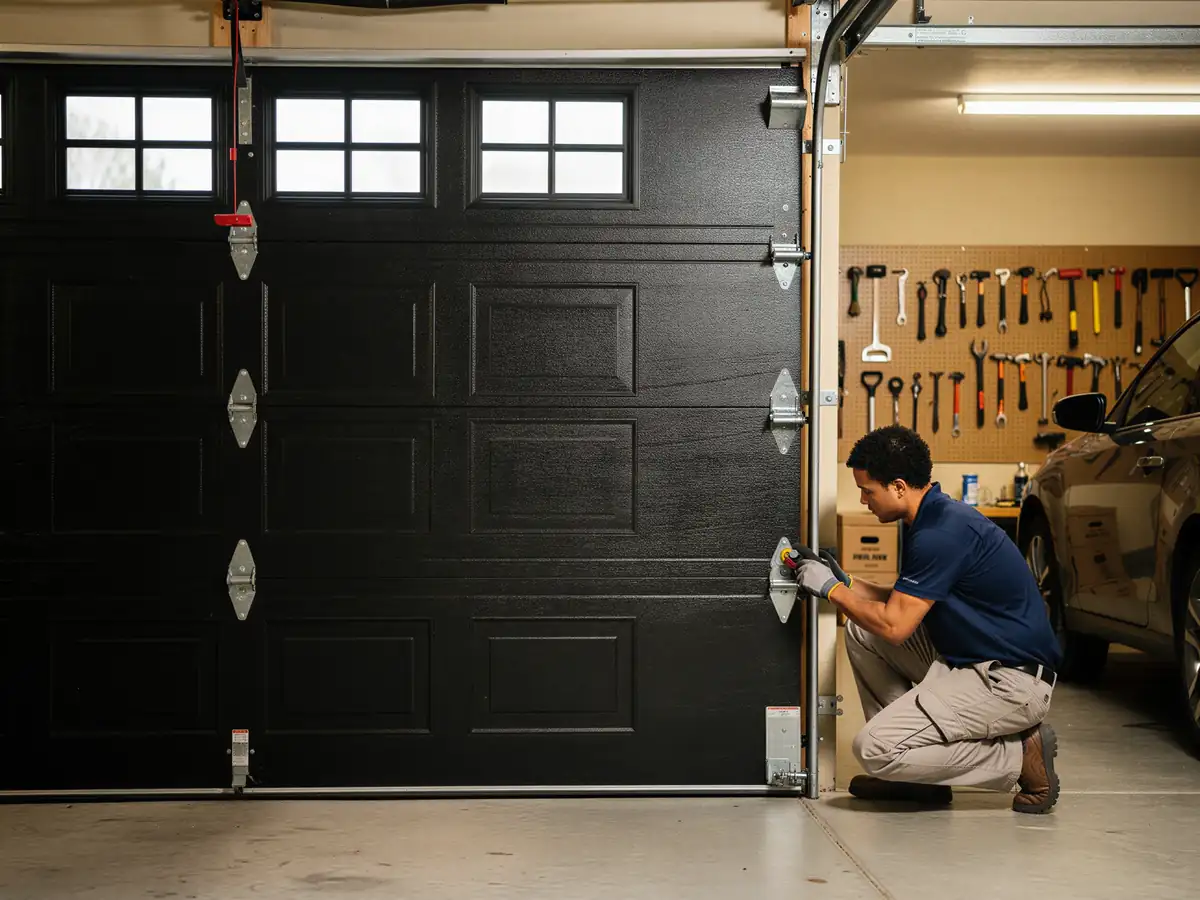
Here's the honest limit: if your door is one of the older torsion setups common to houses built in this area before the mid-1970s, and the drum or the spring anchor shows rust pitting, we're not going to recommend you keep patching it. At some point the frame of the hardware itself is the problem, not any one part, and replacing the whole spring-and-drum assembly is cheaper over three years than three separate service calls. We also won't tell you a small dent in a steel panel from that era is worth matching paint on - those panels were made in runs that aren't stocked anymore, and chasing a perfect color match on a 1970s door is money better spent on the opener or the spring. Some jobs just aren't worth doing right, only worth doing acceptably, and we'll say so.