What You Pay
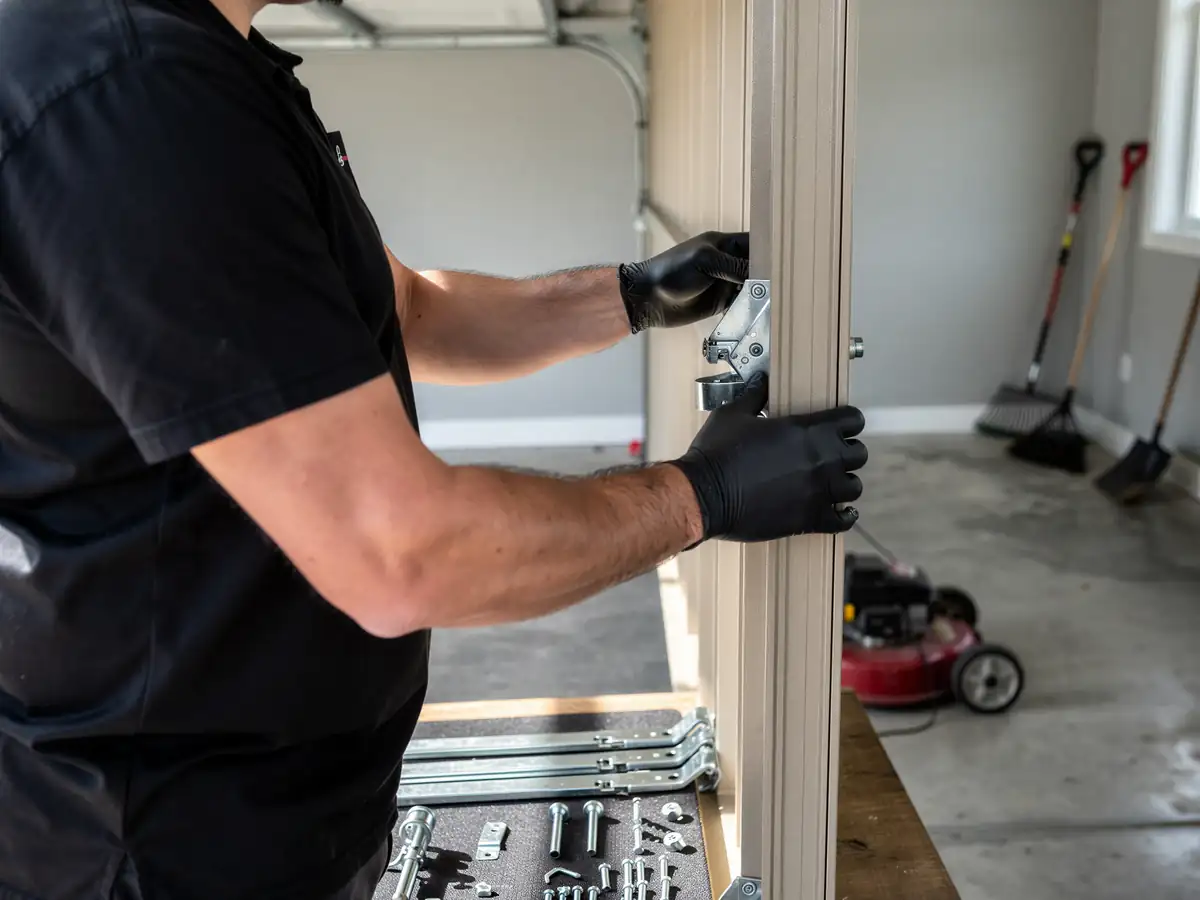
We're not going to throw a number at you that doesn't hold up once a tech is standing in your driveway looking at the actual track and roller type. Roller jobs vary by how many rollers are bad, whether they're steel, nylon, or sealed-bearing, and whether the track itself got bent in the process - a bent track turns a roller swap into a track job. What we can tell you is that a full roller replacement is almost always cheaper than letting a bad roller keep grinding until it takes out your track or a cable along with it. If you want a firm number, that comes after we look at the door, not before. One honest limitation: if your rollers are original to a door from the 1960s-70s building boom in this area, some matching hardware isn't stocked anymore, and a full roller set swap (sometimes with a track upgrade) ends up being the real fix rather than a one-for-one part match.
The Symptom
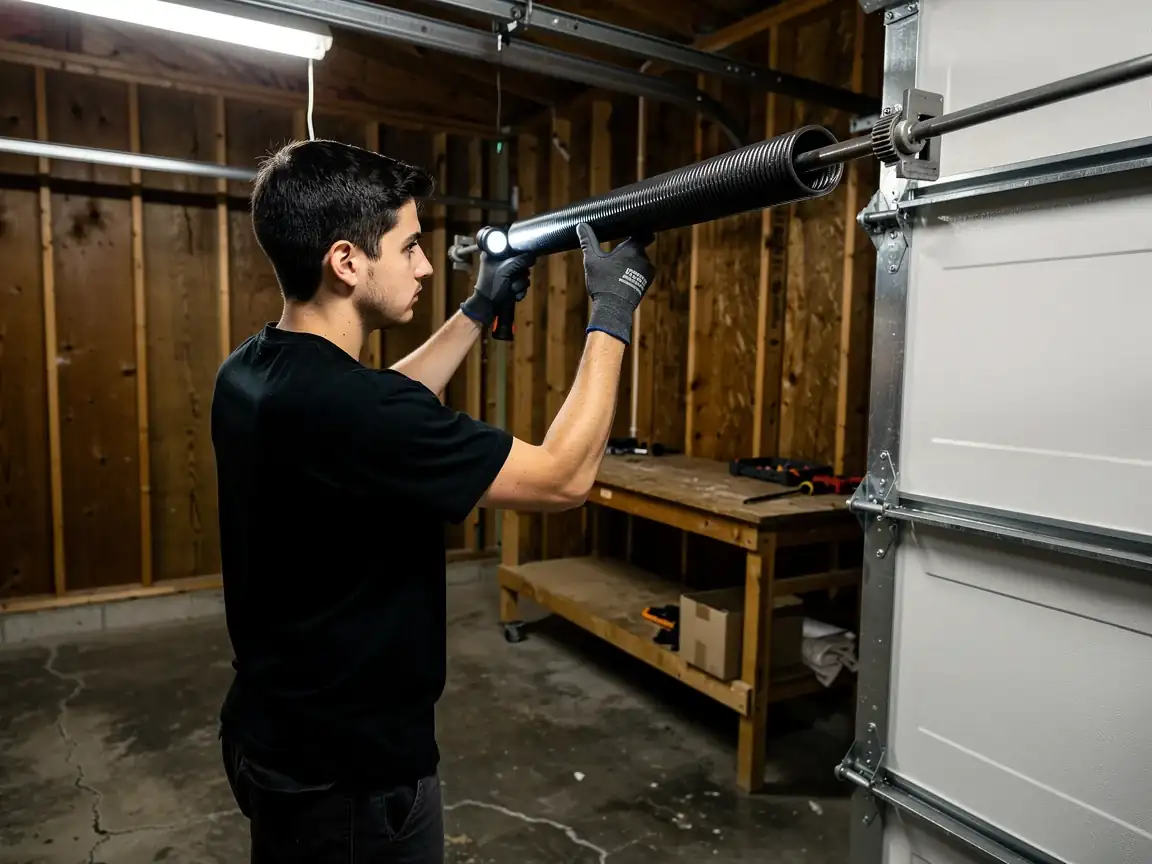
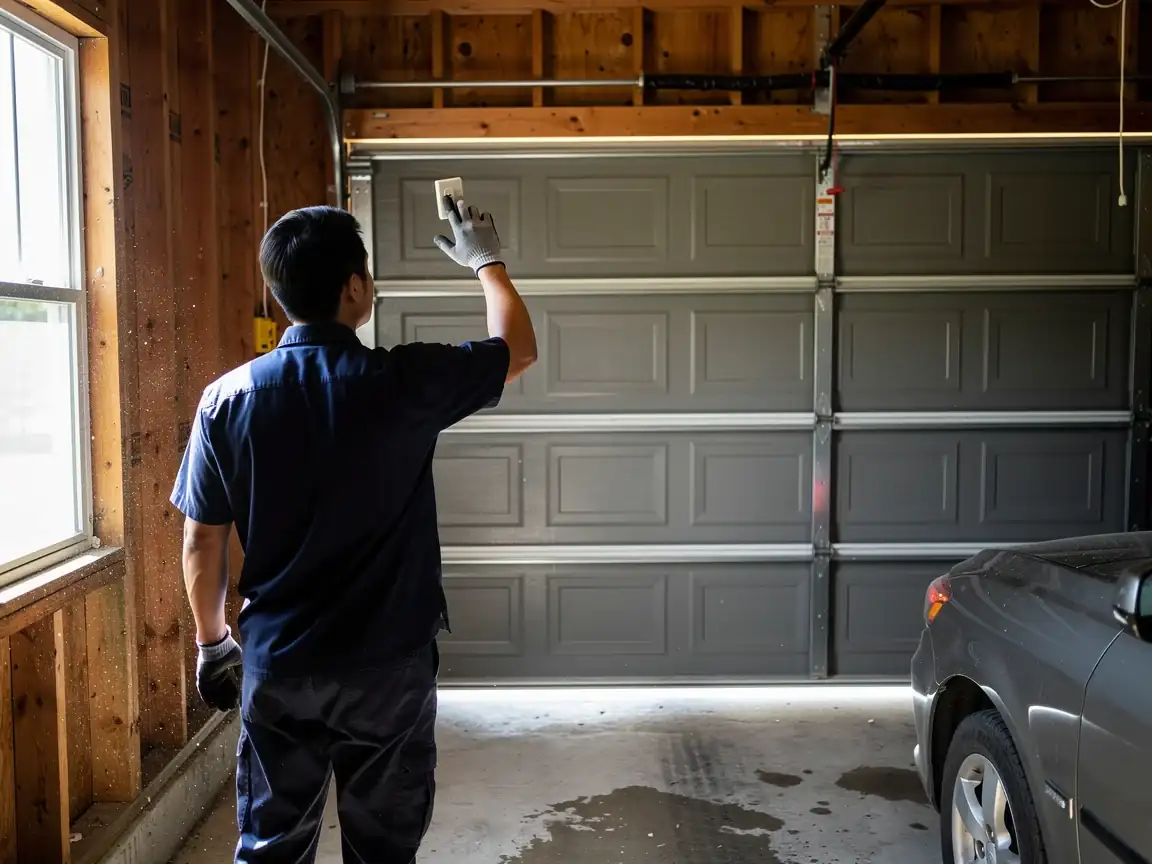
You hear it before you see it - a grinding or scraping sound as the door travels, worse at the same spot every time, or a door that jumps, shudders, or hangs up partway through the cycle instead of gliding smooth. Sometimes a roller has visibly worn down to a sliver of nylon, or a steel roller's bearing has seized so the wheel doesn't spin at all anymore, just drags. You might also see the door sit crooked in the frame when closed, cables slightly slack on one side, because an uneven roller is pulling the panel at an angle. None of this is an opener problem. It's a roller problem, and it gets louder and more expensive to fix the longer you run the door on it.
The Complications
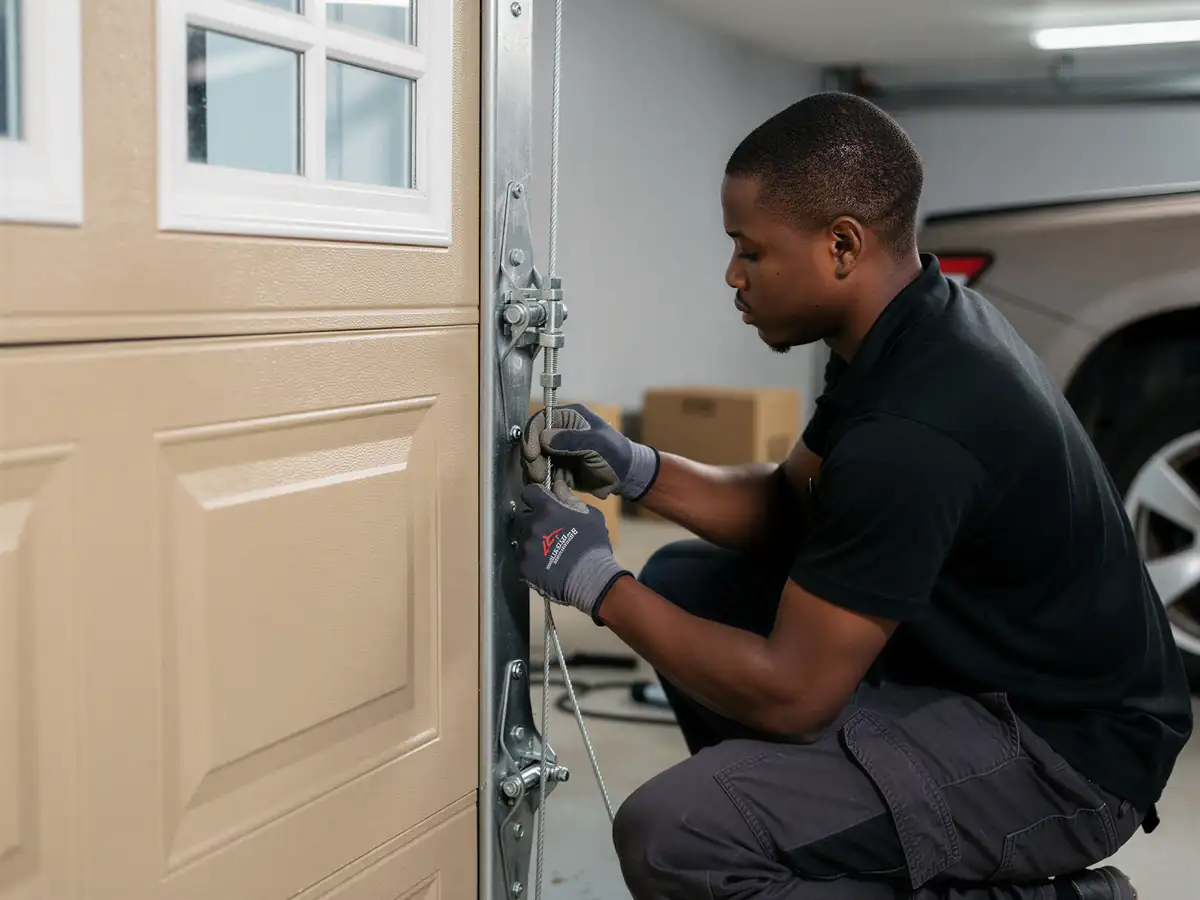
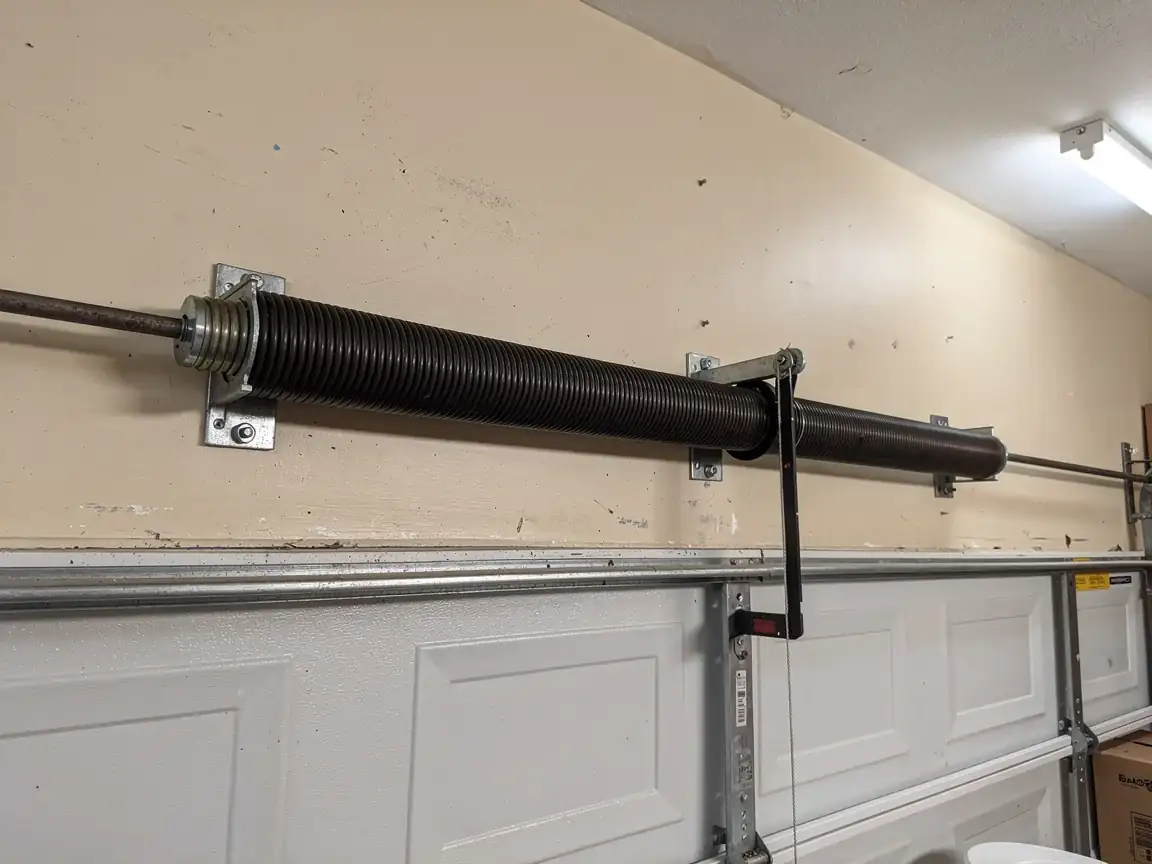
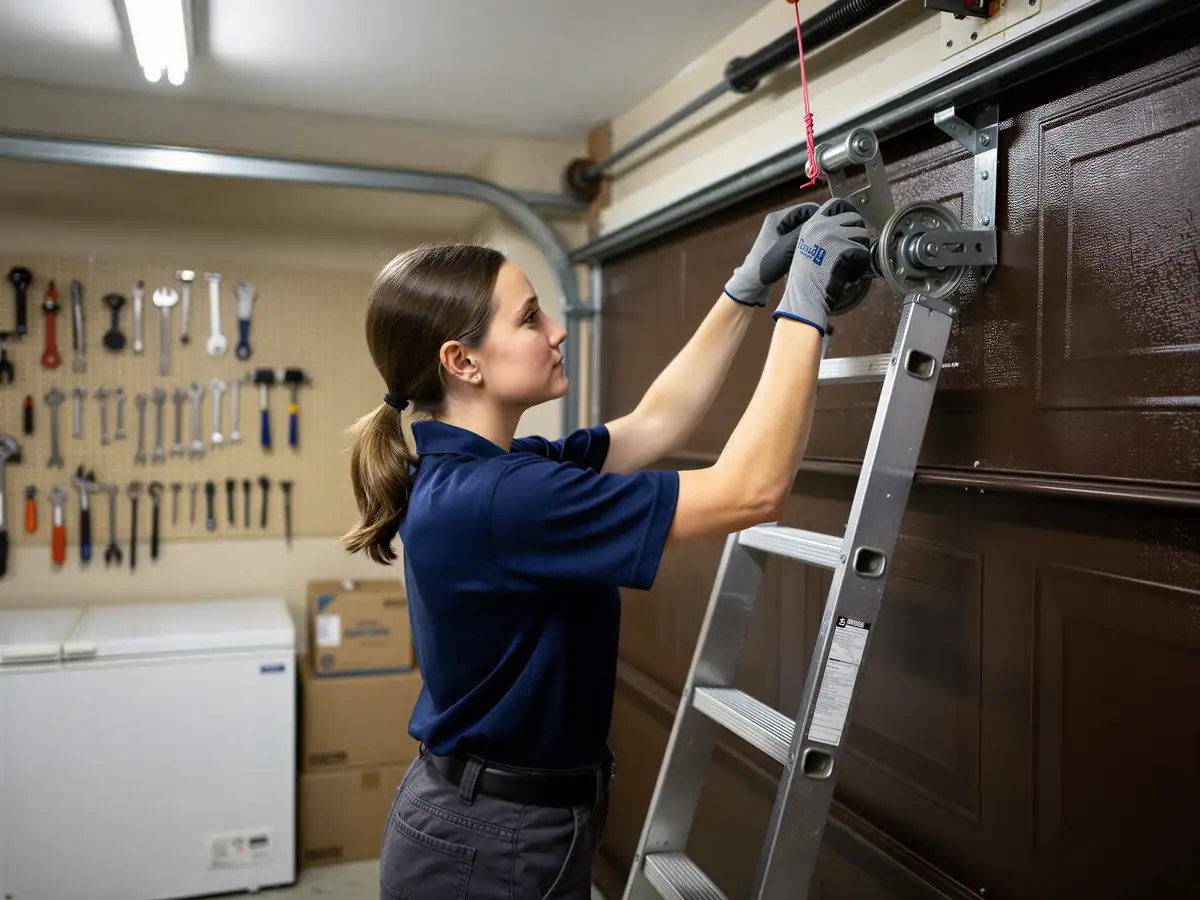
A straightforward roller swap turns into a bigger job in a few predictable ways. If the rollers went bad slowly and nobody noticed, the track can develop a bend or a worn spot from the dragging, and a new roller in a bent track will just wear out again fast - the track has to get straightened or replaced first. If one side's rollers failed and the other side's didn't, the door's been running unevenly long enough to stress the opposite cables and hinges too, so we check those while we're in there rather than swap rollers and call it done. And on older doors from the 1960s-70s stock, the roller stems sometimes don't match anything current, which means the hinge or bracket gets swapped along with the roller instead of just the wheel. None of that is guesswork on our end - we look at the specific door before quoting the job, because a roller-only estimate on a door that actually needs track work isn't a number you can trust.