When It Stops Being a DIY Job
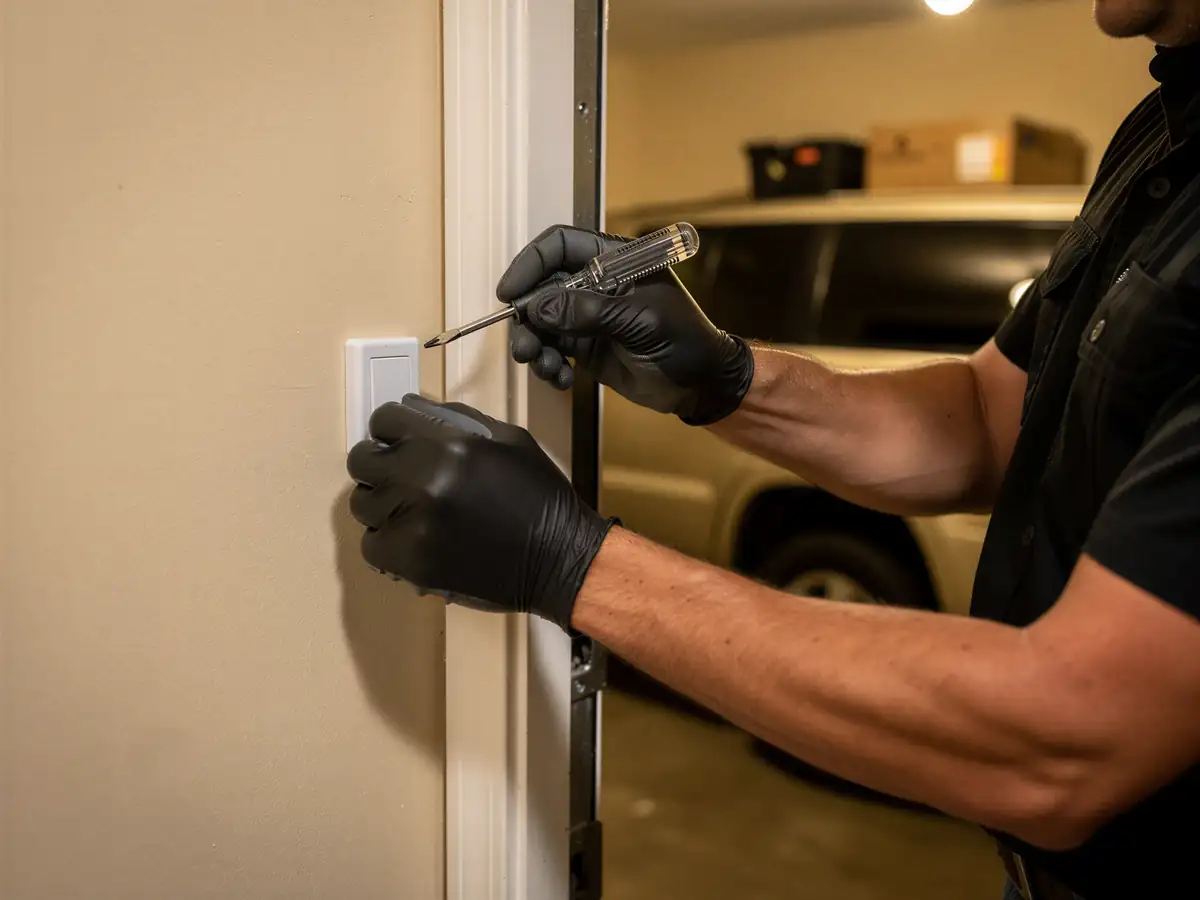
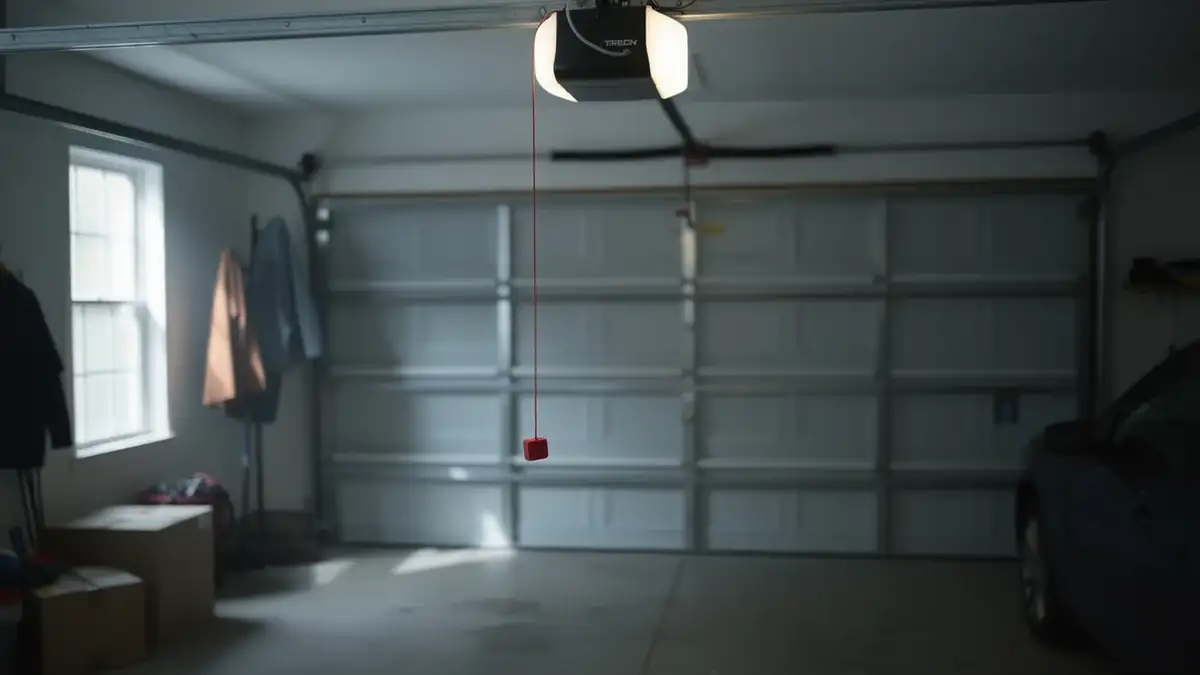
Most garage door openers running in this area went in sometime between 1960 and 2004, with the bulk of that stock dating to the 1970s. That matters because an opener from that era is either a straight chain-drive unit with a mechanical limit switch or an early circuit-board model with none of the surge protection you'd find in anything sold today. When the power cuts out and comes back on hard - which is what a grid restart after an outage does - those old boards take the hit. If your opener runs the lights but the carriage won't move, or the wall button clicks and nothing happens, that's a board or a capacitor, not a spring or a cable, and it's past the point where tightening a bolt fixes it. Pull the manual release, get the door down by hand, and leave the opener alone until someone can put a meter on it. Guessing at a logic board with a screwdriver usually turns a $40 fuse into a $300 board. If the opener is original to a house built in the 60s or 70s, there's also a decent chance parts for it simply aren't made anymore, which changes the conversation from repair to replacement before you even open the housing.
How Local Conditions Play In
This area sits in a cold-moderate climate band, not the deep freeze you'd get further north, but enough cold snaps each winter to matter. Cold tightens metal, thickens the grease in an old chain-drive gearbox, and makes a marginal capacitor fail exactly when a power cut also hits - storms and cold fronts tend to travel together. An opener that's been limping along since 1978 doesn't need much of a push to quit on the one night it's twenty degrees and the power flickers twice. Across the nine areas this shop covers - Three Way, Medina, Gadsden, Humboldt, Bells, Gibson, Henderson, Alamo, and Milan, all within about 8 to 18 miles of Jackson - the housing stock runs the same way: mostly 1960s and 70s construction, a handful of newer builds mixed in. That consistency means the failure pattern is consistent too. It's not a Jackson-specific quirk so much as a predictable result of what got built here and when. An opener installed new in 2003 behaves differently under a power cut than one from 1971, and knowing which decade your garage came from tells you more than any troubleshooting checklist does.
Leaving It Alone
Here's the honest part: not every board is worth saving. If an opener is original to a house from the 1960s or 70s and the logic board has fried, we don't always have that exact board on the truck, and some of them aren't made anymore at any price. At that point chasing a repair costs more in time and parts hunting than putting in a new opener that'll run another twenty years. We'll tell you that straight instead of billing you for a search. On the other side, if the fix is a reset, a battery swap, or re-learning the limits after an outage, that's a same-visit job and there's no reason to replace anything. The judgment call is knowing which one you're looking at before parts get ordered, and that's the part that's hard to do over the phone. A short visit to put a meter on the board and check the wiring at the garage settles it faster than guessing.