What You Pay
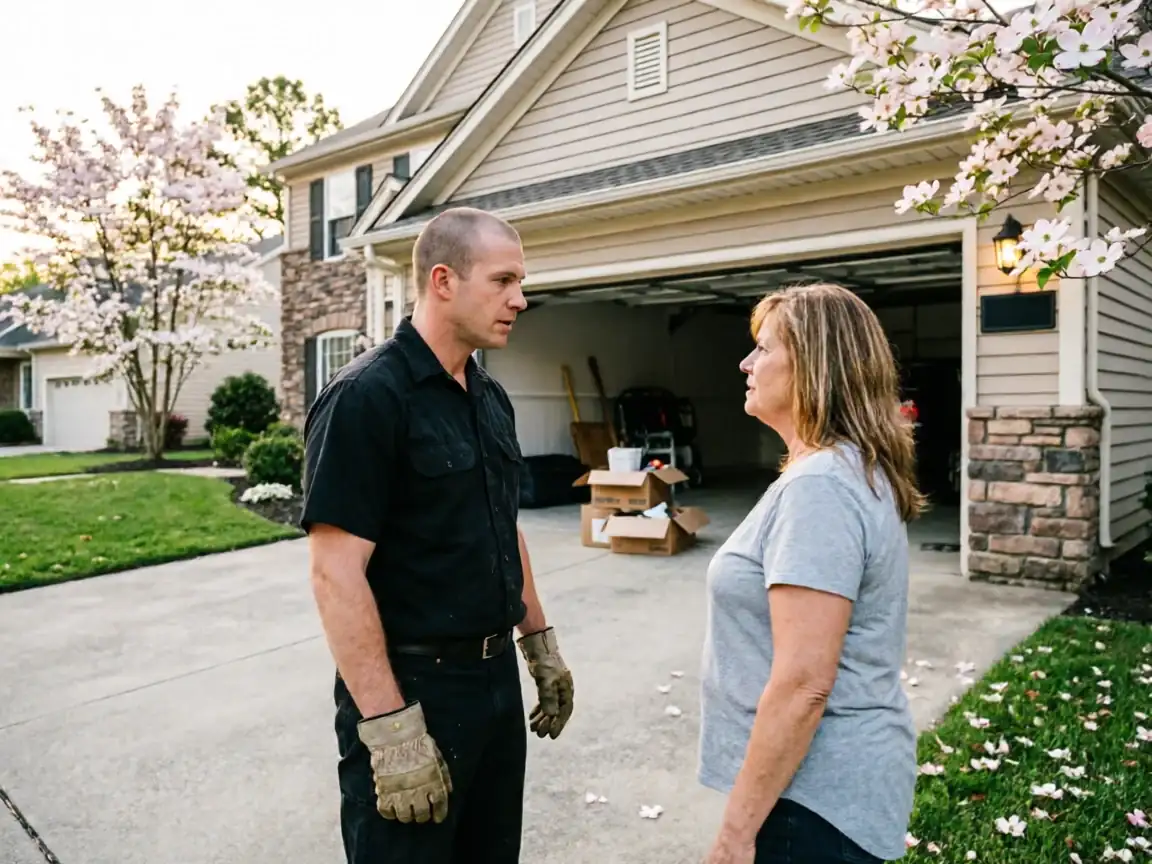
What a repair runs depends on what actually broke - a torsion spring job is a different bill than an opener swap or a bent track pull, and we won't quote a number over the phone before we've looked at the door. What we can tell you is how most Jackson calls shake out. With a median household income of $54,132 across the service area, the majority of people we see want the door fixed and working again, not torn out and replaced, and for most failures that's the right call. Replacement only makes sense when the door itself is bent beyond pulling straight, or when the panels are from a run that nobody makes anymore. We'll tell you straight if a repair isn't worth doing - that's rare, but it happens, usually on a door that's already had two or three bad patch jobs stacked on top of each other. One limitation worth saying up front: some opener control boards and matching panel sets aren't something we keep on the truck, and those can mean a short wait on parts.
The Symptom
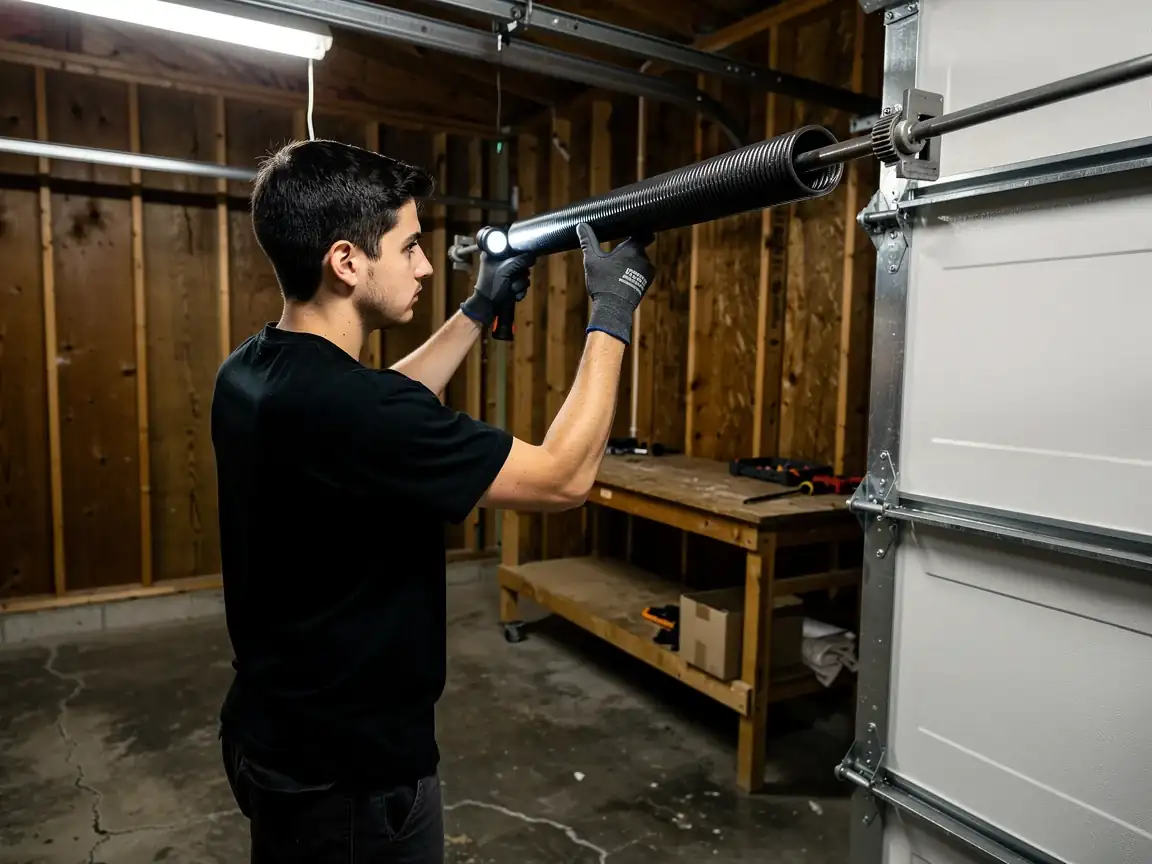
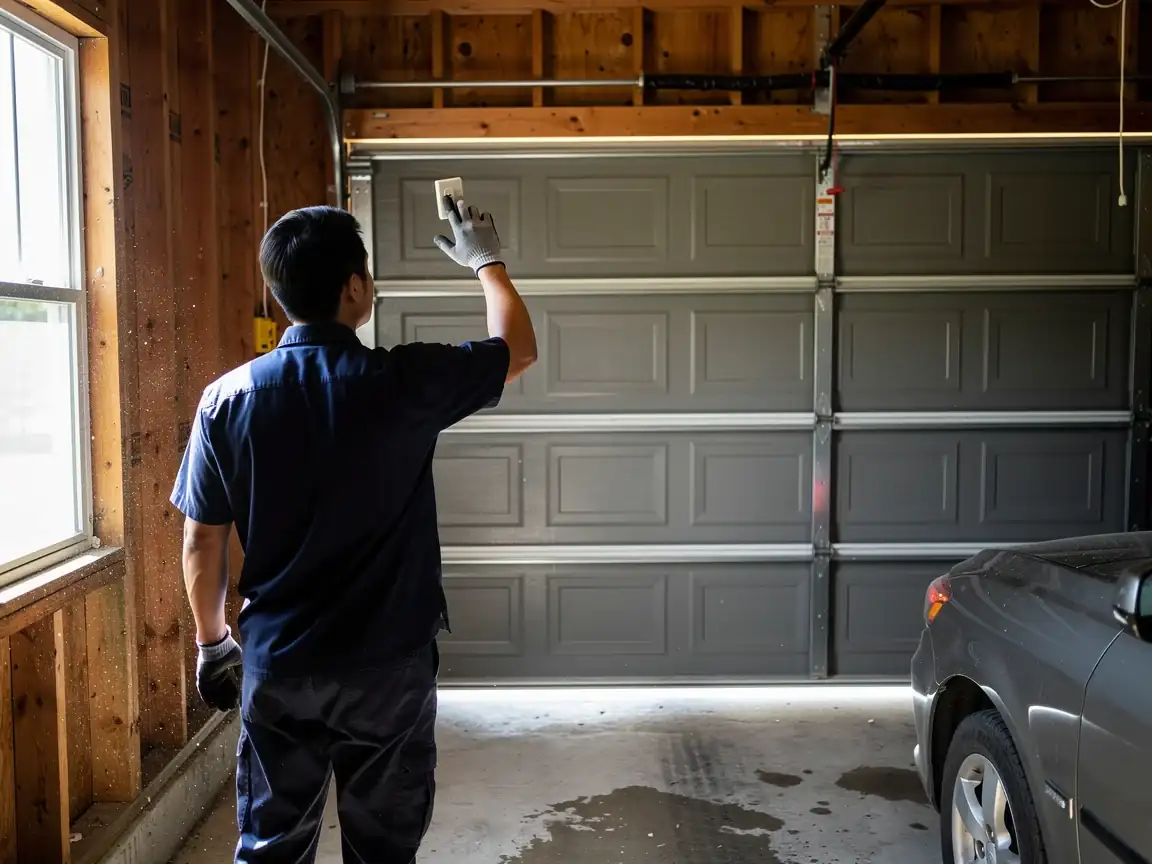
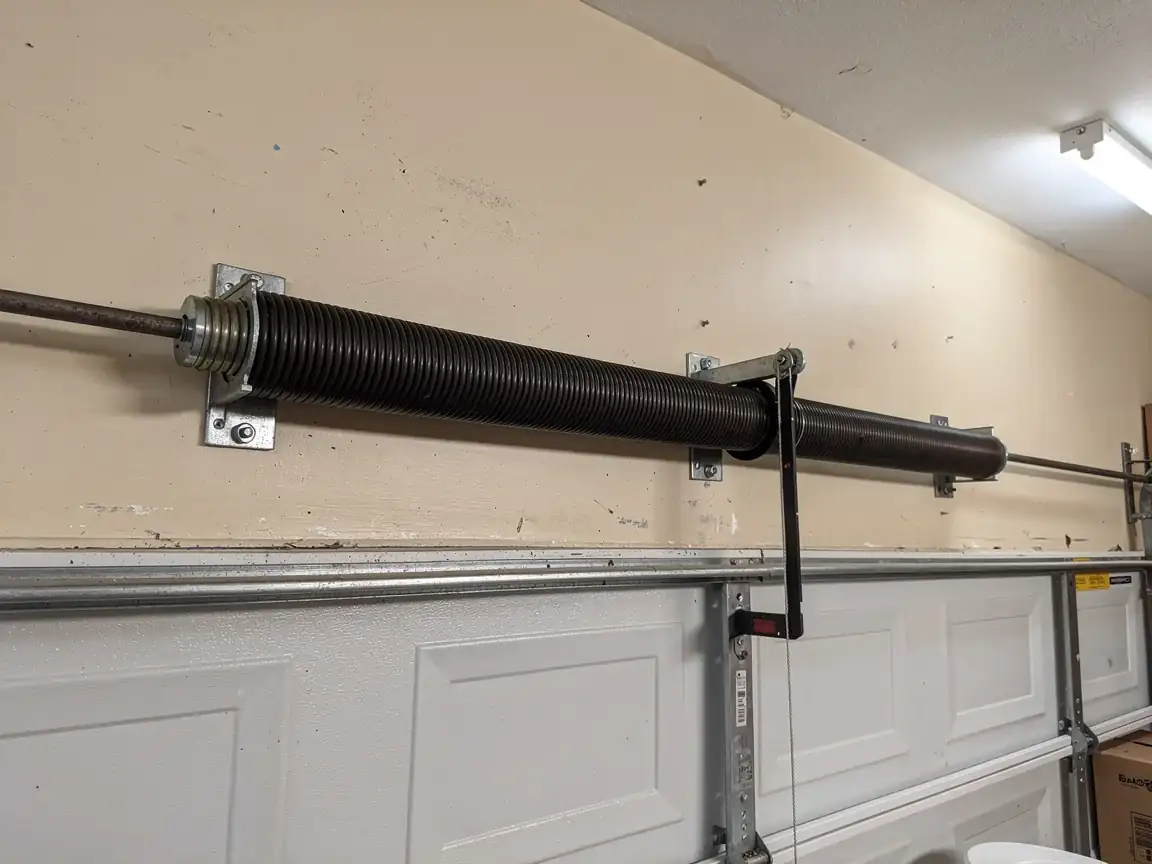
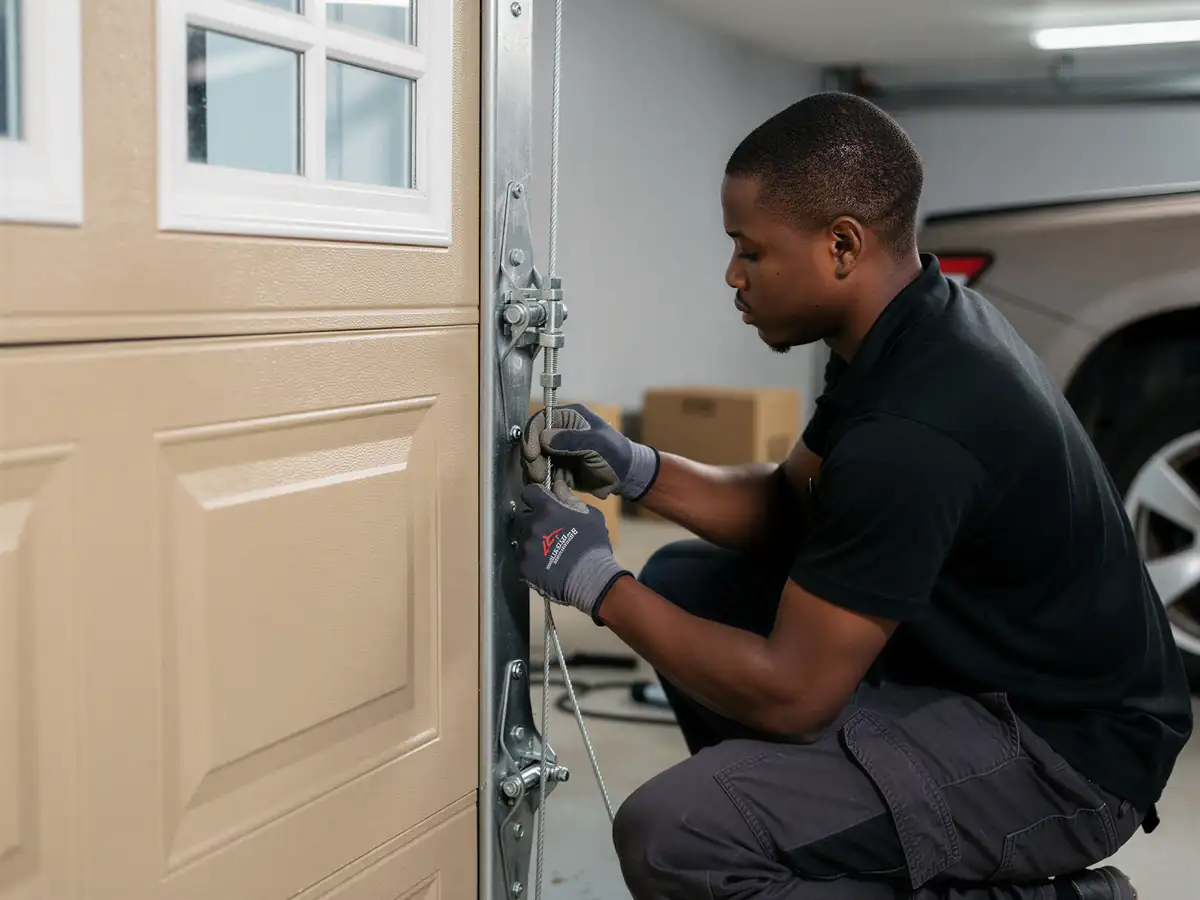
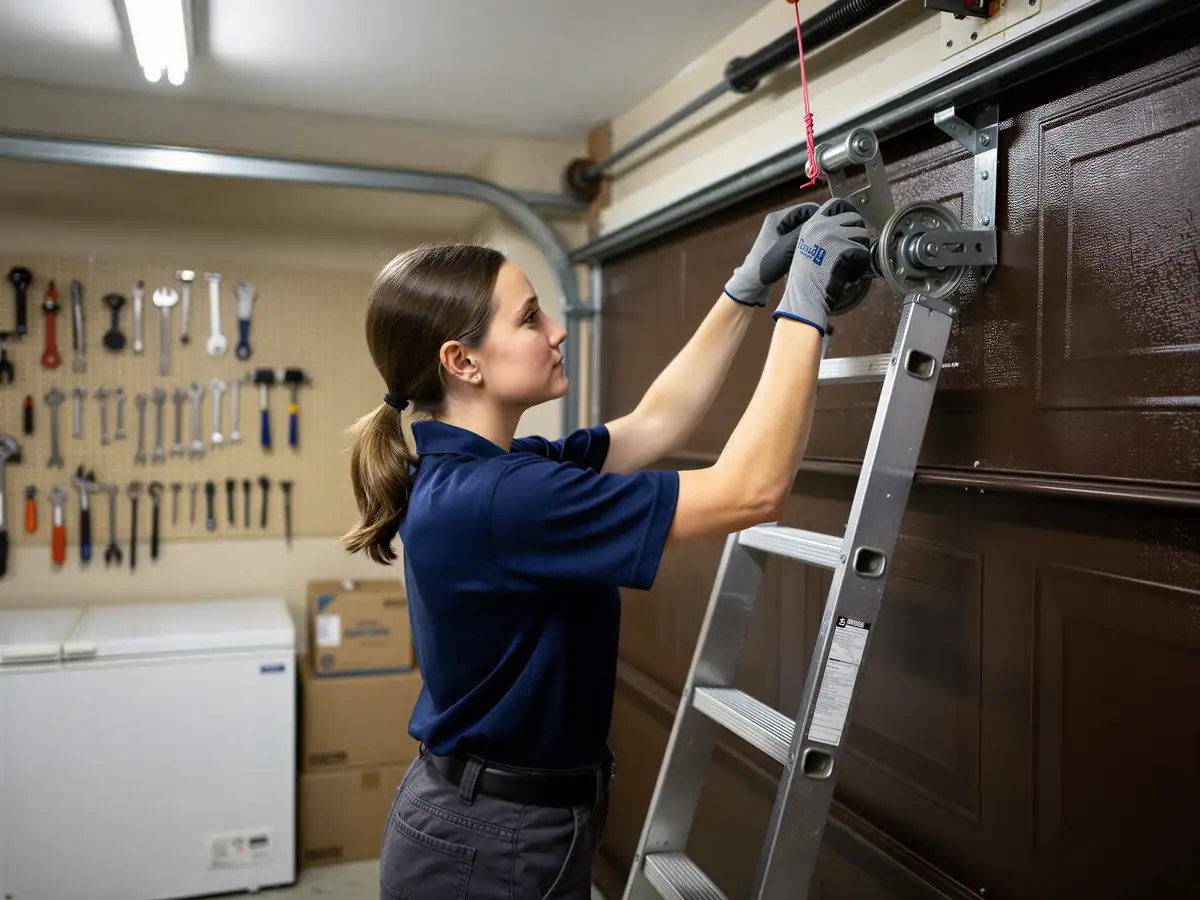
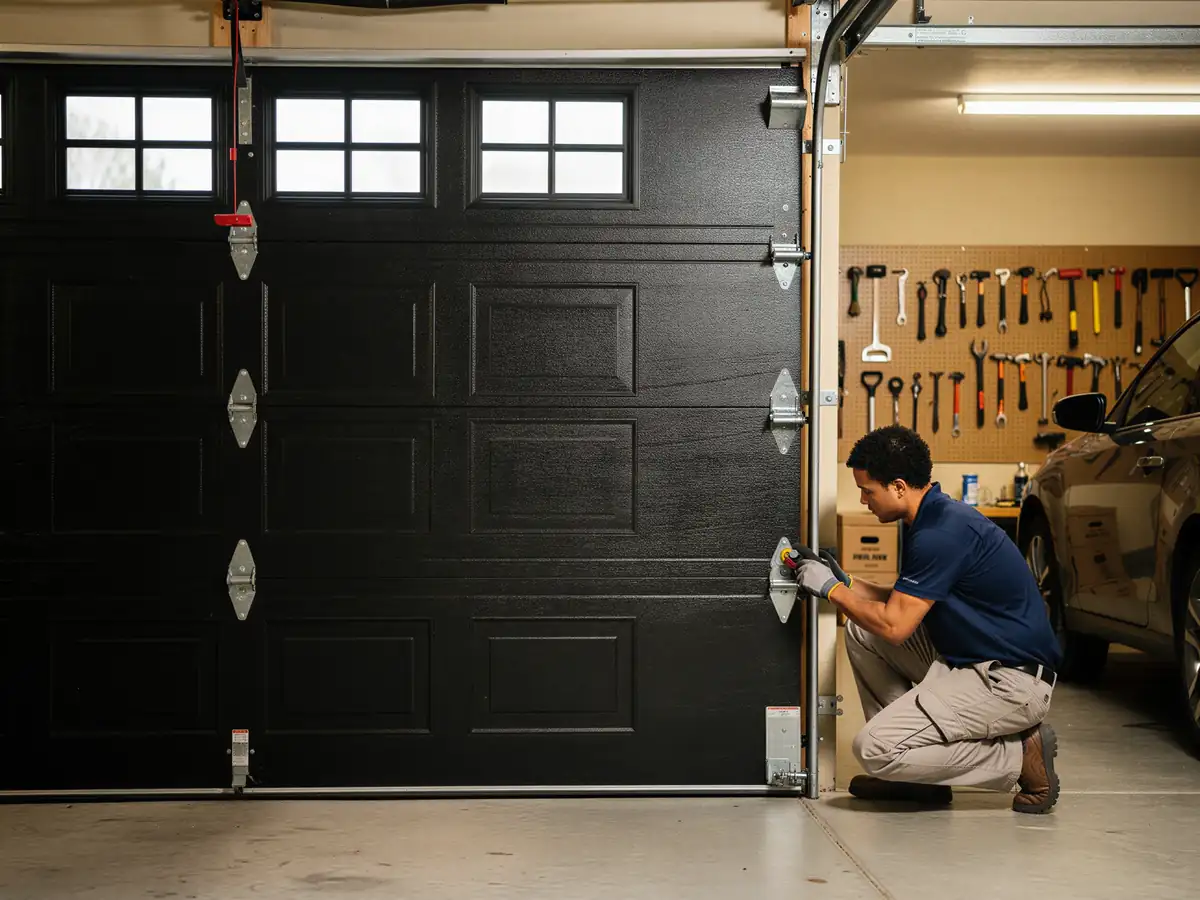
The calls we get fall into a short list. The door won't move and the opener just hums - that's almost always a spring. The door moves but sounds like it's dragging a chain, grinding on the way up - that's rollers or a track out of line. The door reverses itself halfway, or won't close all the way and bounces back up - that's a sensor or a cable starting to fray. And then there's the door that's flat-out stuck halfway up, cable hanging loose on one side, which is a broken torsion spring that let the door drop unevenly. None of these are mysterious once we're standing in front of the door, but they feel alarming from the kitchen when you hit the opener button and nothing happens, or the door slams down faster than it should. If your door is making a new noise it didn't make last month, that's worth a call before it becomes a door that won't move at all.
The Complications
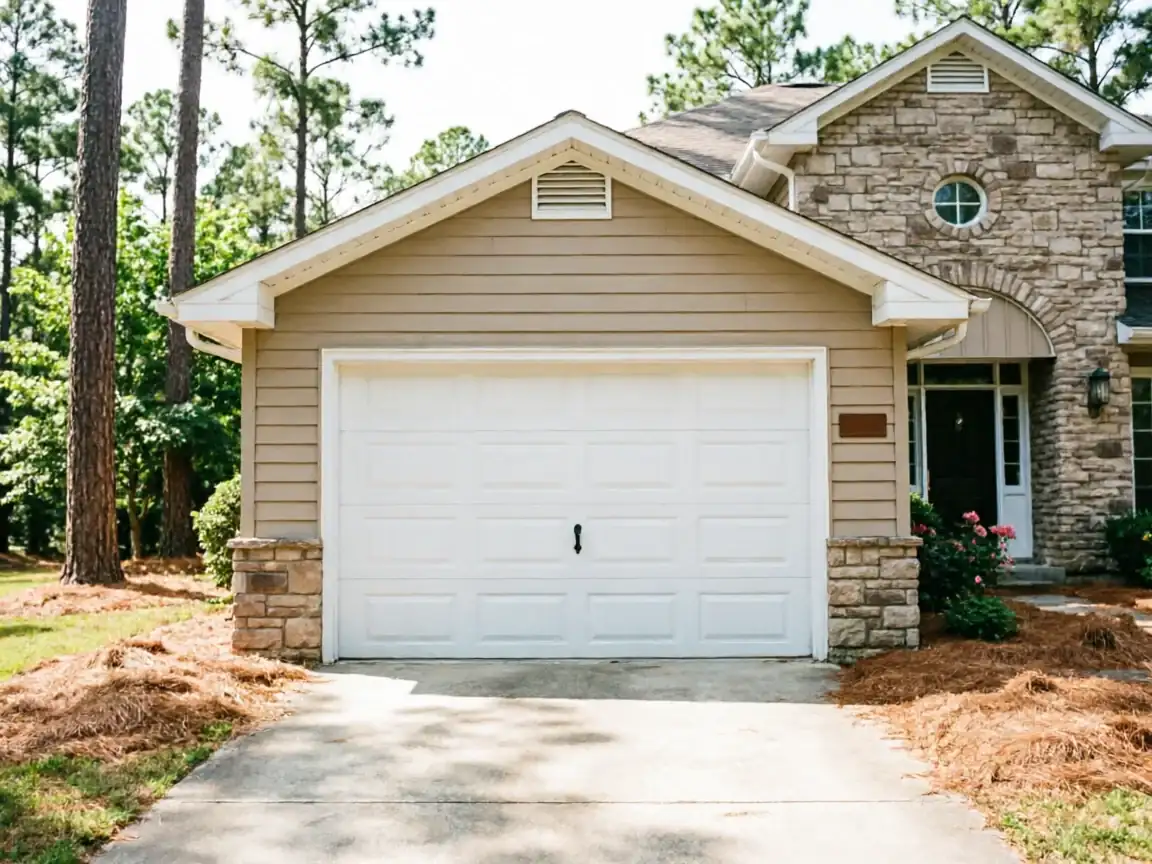
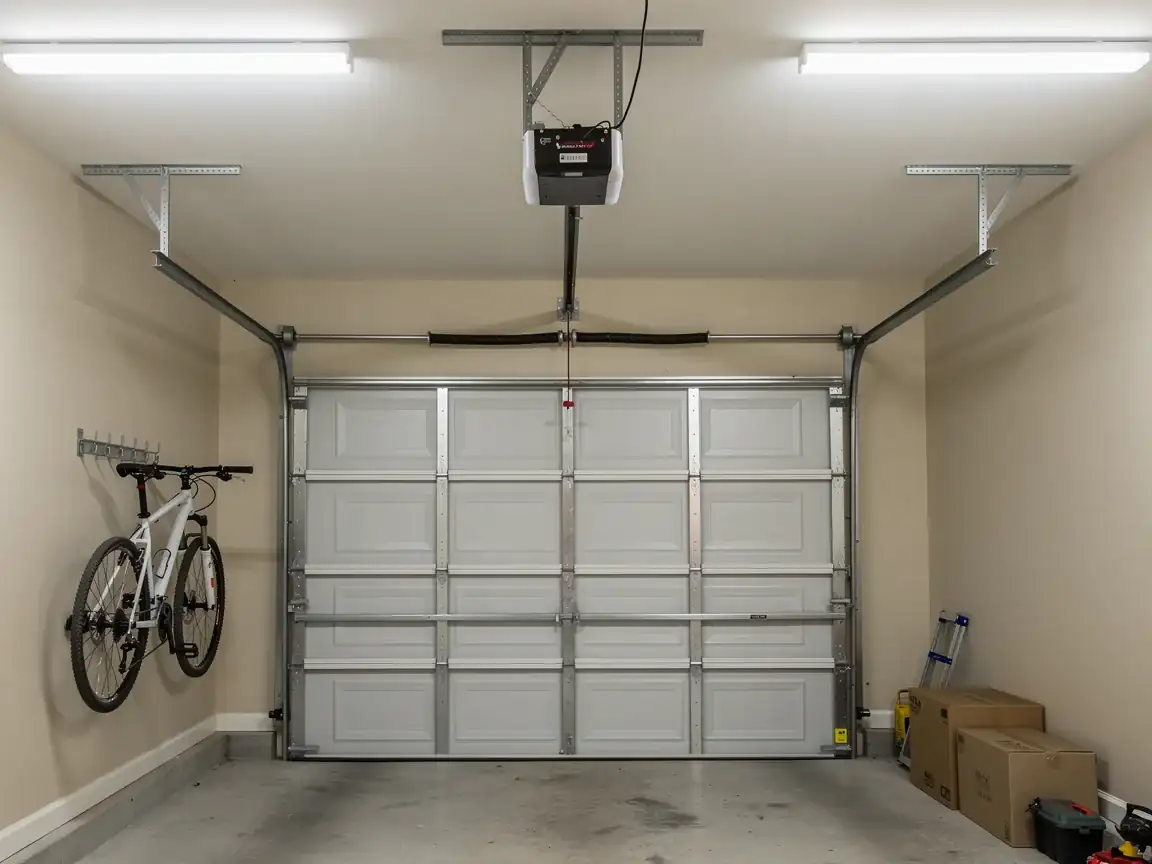
The complication with a lot of Jackson's older stock isn't the repair itself - it's finding parts that match. A one-piece door from the 1960s-70s build wave, or an opener from that same era still bolted to the ceiling, often doesn't have a drop-in replacement part anymore. We can usually source a compatible spring or roller, but matching an original panel color or profile on a door from that period sometimes isn't possible, and we'll say so rather than promise a perfect match. There's also the issue of side-mounted torsion hardware, which was common in that building period and takes different tooling than the center-mount setups most newer doors use - not every repair crew carries both, so it's worth asking before you book. And on a handful of jobs, what looks like a simple spring call turns out to be a drum or shaft worn from decades of an undersized spring doing more work than it was built for, which turns a one-part fix into a two-part one. We'd rather find that before we start than halfway through.