What You Pay
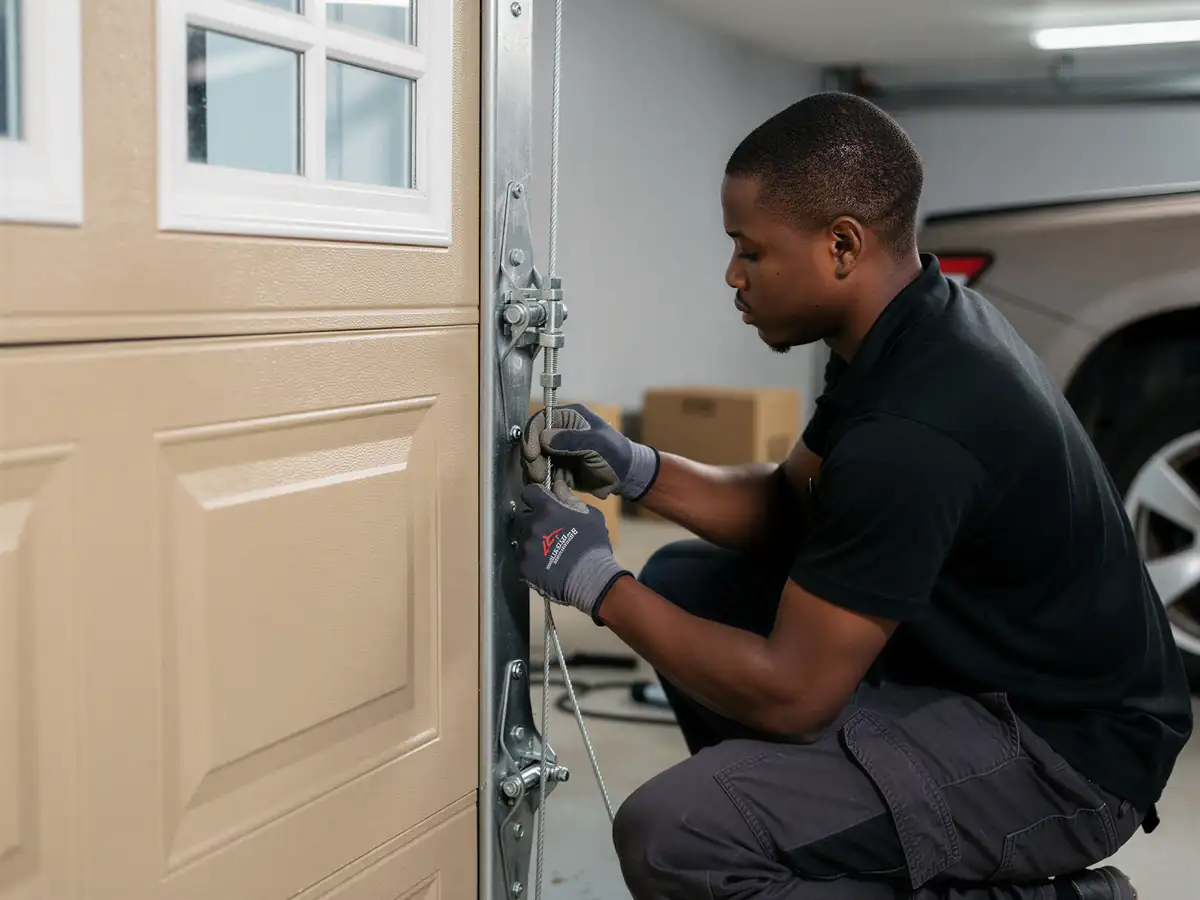
We don't post a flat number here because the fix depends on what's actually wrong - a cable off the drum is a different job than a torsion spring on a double door with a bent track. What we can tell you is how the decision usually breaks down in this area. With a median household income of $54,132 across the service area, most homeowners we talk to want the repair that solves the problem without replacing parts that still have life in them. That means we diagnose before we quote, not after. If your opener is original to a house built in the 1960s or 70s, we'll tell you straight whether it's worth repairing or whether you're better off putting that money toward a new unit. We don't pad a service call with upsells - if the fix is a $20 part and twenty minutes, that's what you pay for. The honest limit here: we can't give you a number over the phone before we've seen the door. Anyone who does is guessing, and guessing on garage doors gets expensive fast.
The Symptom
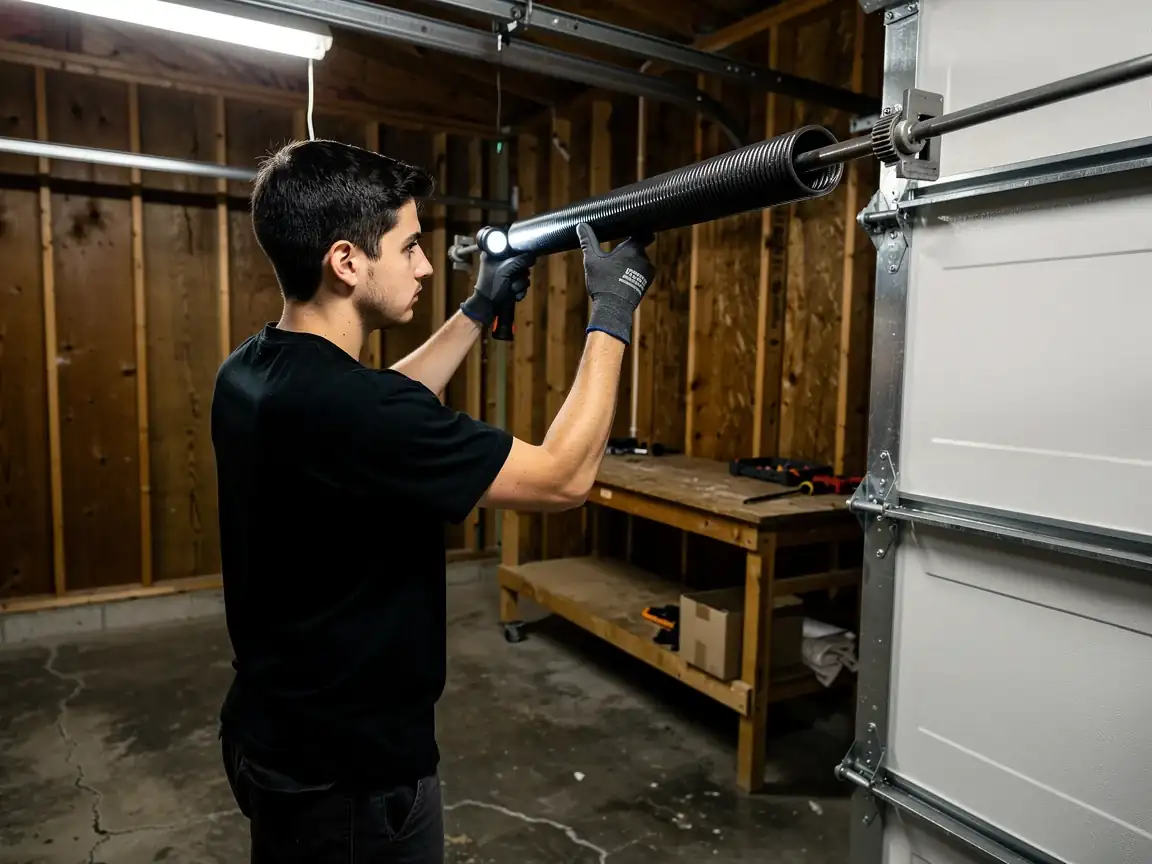
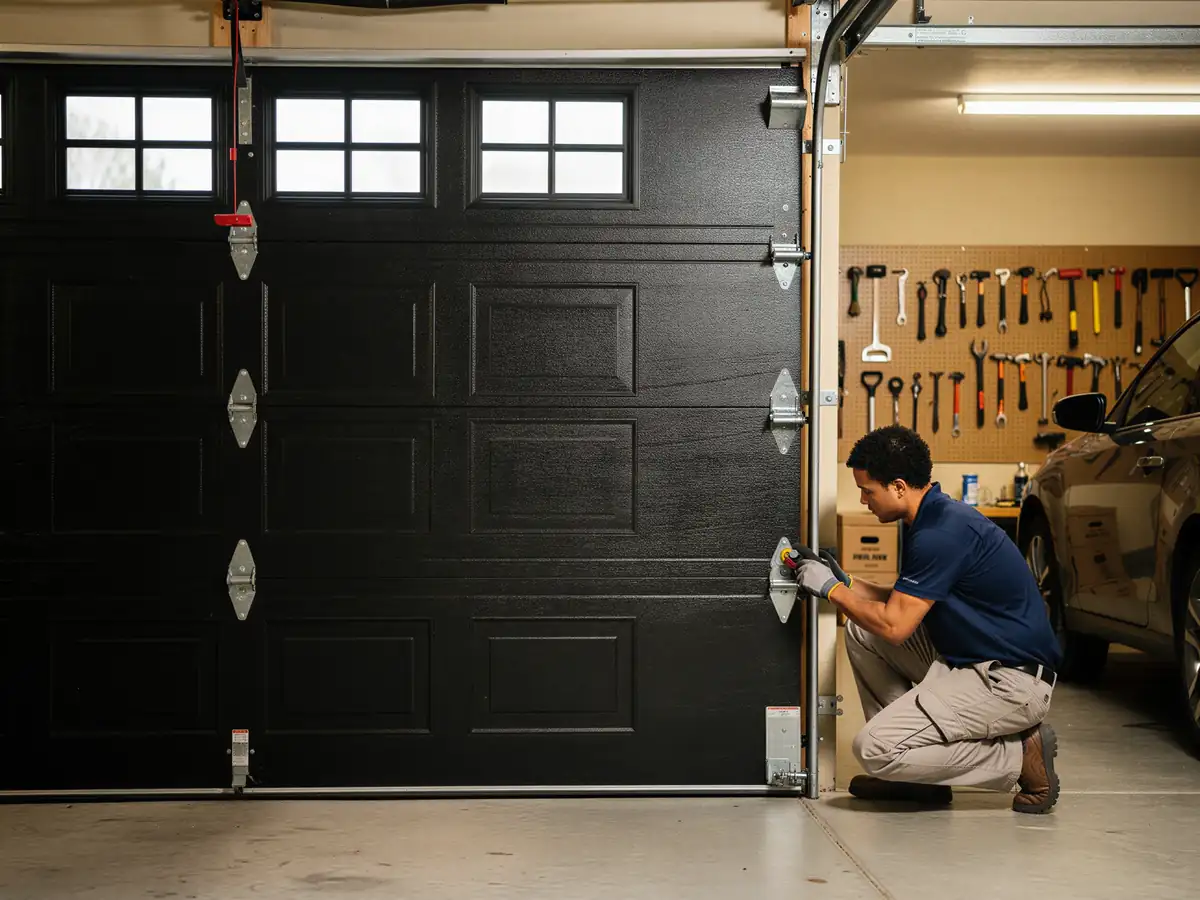
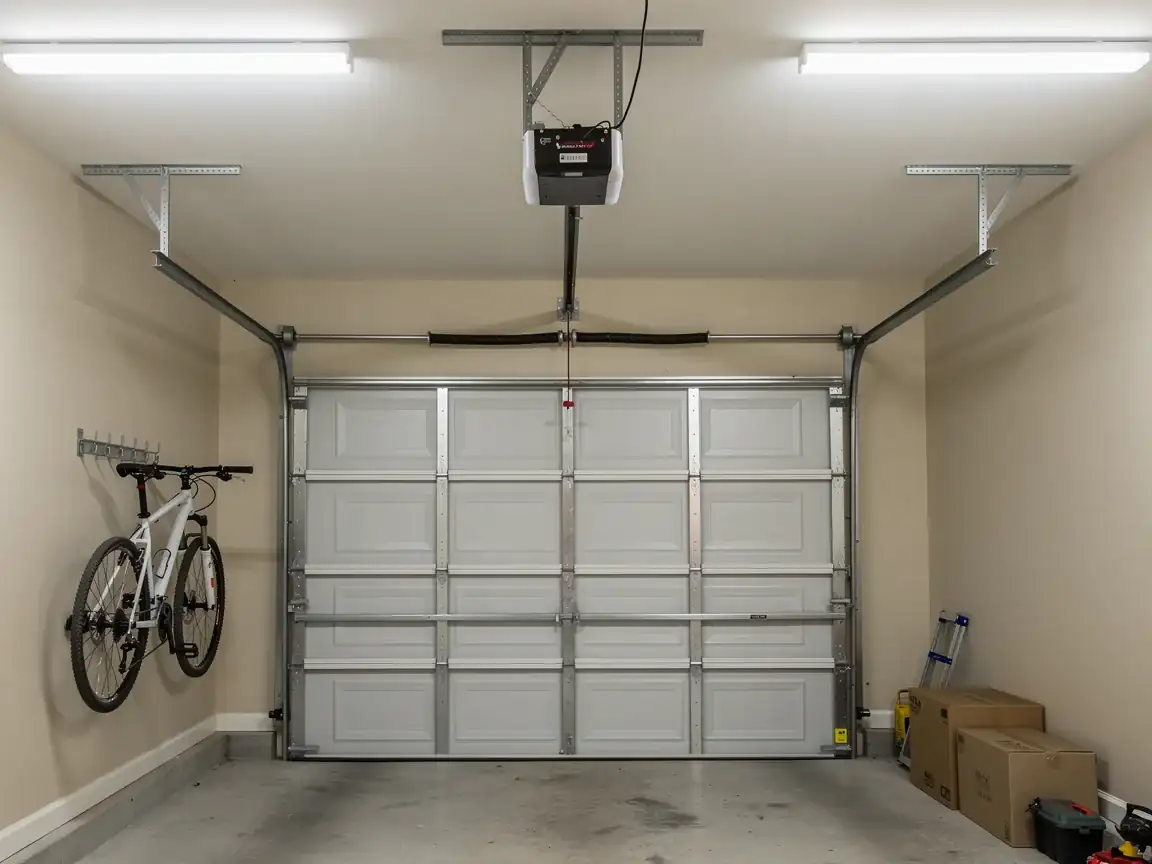
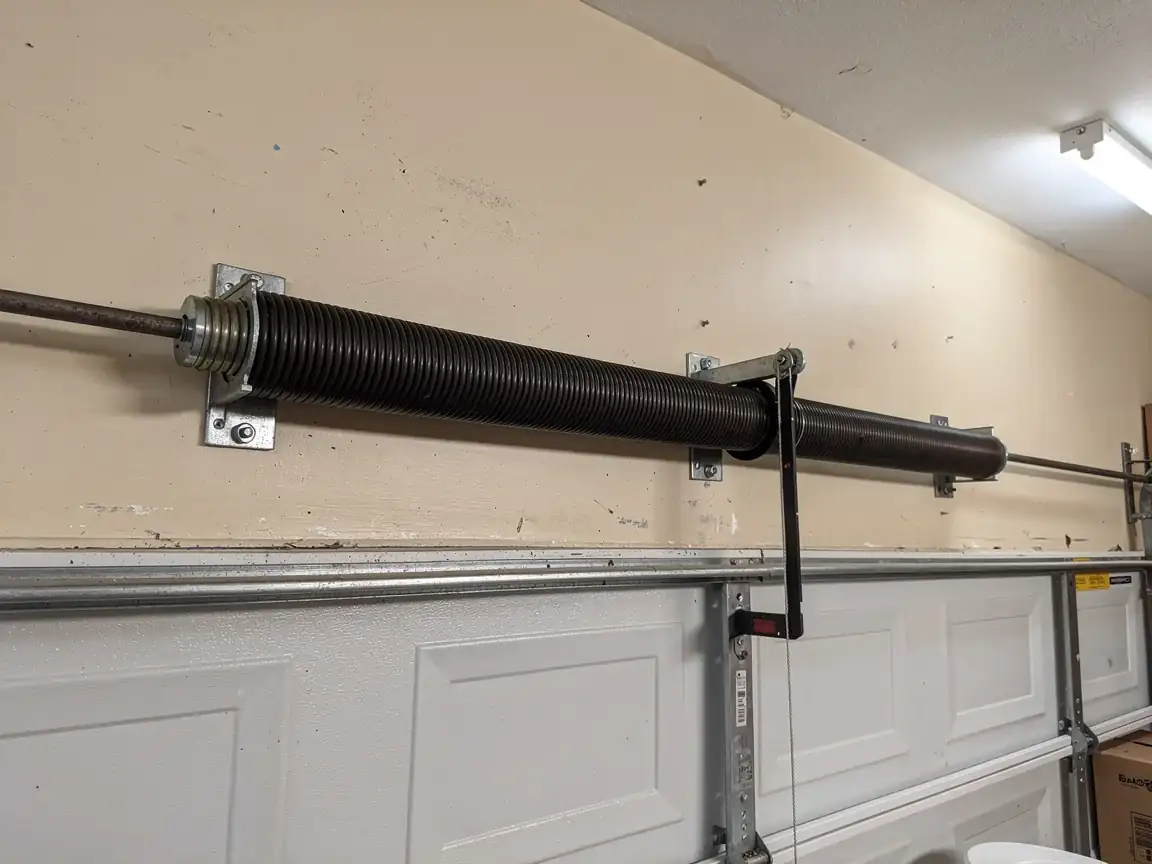
The call we get most from this area is a door that either won't budge or comes down hard and fast with a bang partway through the cycle. Sometimes it's a loud pop from the garage first, then the door won't lift at all - that's a spring letting go. Other times it's slower: the opener strains, grinds, or reverses on its own before fully closing, which points to a track that's racked or a roller that's worn through. A door that looks fine sitting still but shudders or jumps when it moves is telling you something in the hardware - spring, cable, or drum - isn't carrying the load evenly anymore. None of these are cosmetic. A door under tension that fails mid-cycle is a safety issue, not just an inconvenience, and it's the kind of thing we treat as same-day when we can.
The Complications
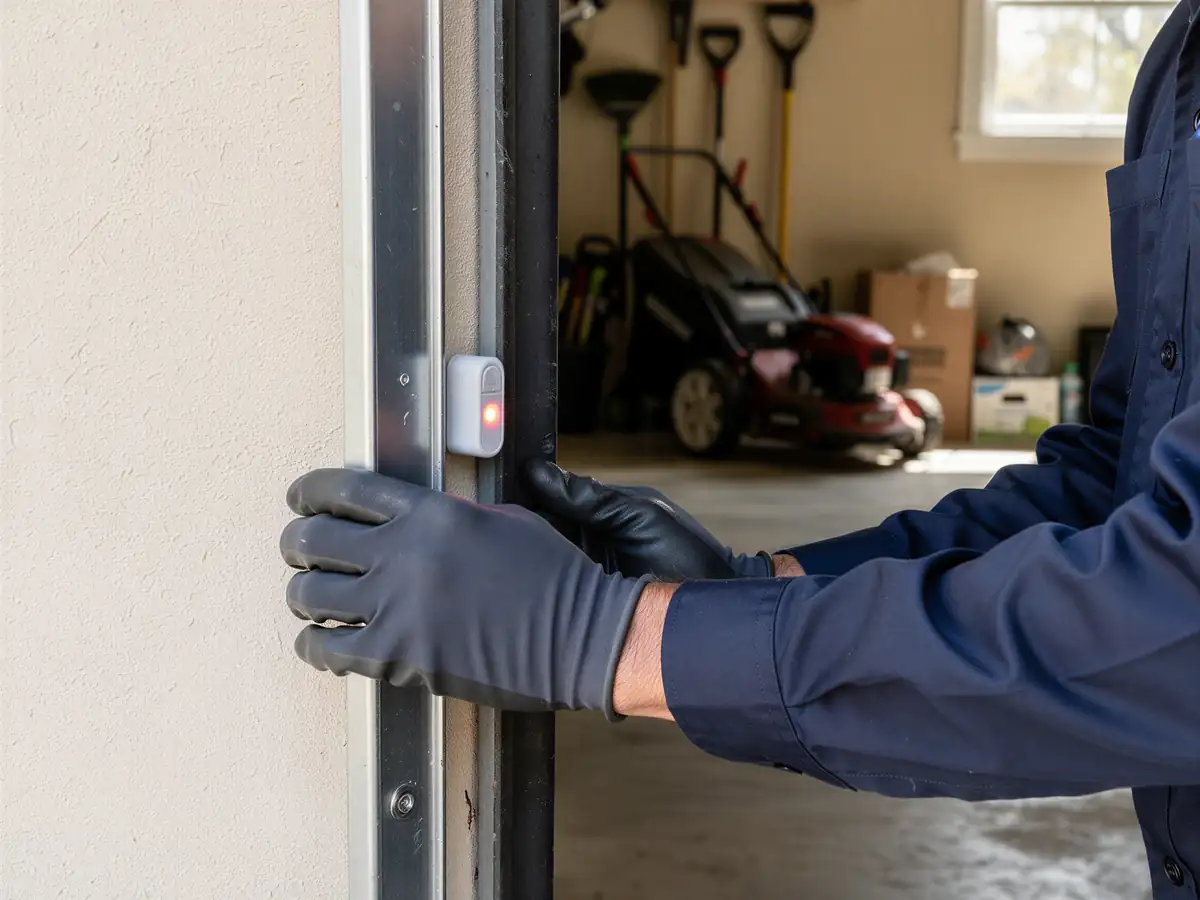
Older installations complicate a simple repair more often than homeowners expect. A door from a house built in the 70s may have a track profile or drum size that newer hardware doesn't match exactly, which means a tech sometimes has to adapt a current part to an old frame rather than bolt on something off the shelf. Openers from that era, if they're still in service, often lack the safety reversal sensors required on anything sold today - if yours is original, we're not going to pretend that's fine just to avoid a harder conversation. Rust on panels and tracks is another one we see on houses that have sat through enough Tennessee winters; it's usually cosmetic until it isn't, and it can seize a roller or pit a track enough to throw the door off alignment. The honest answer on any of this: sometimes the cheaper fix today sets you up for a bigger one next winter, and we'll tell you when that's the case instead of just doing the quick patch and moving on.