Parts We Carry
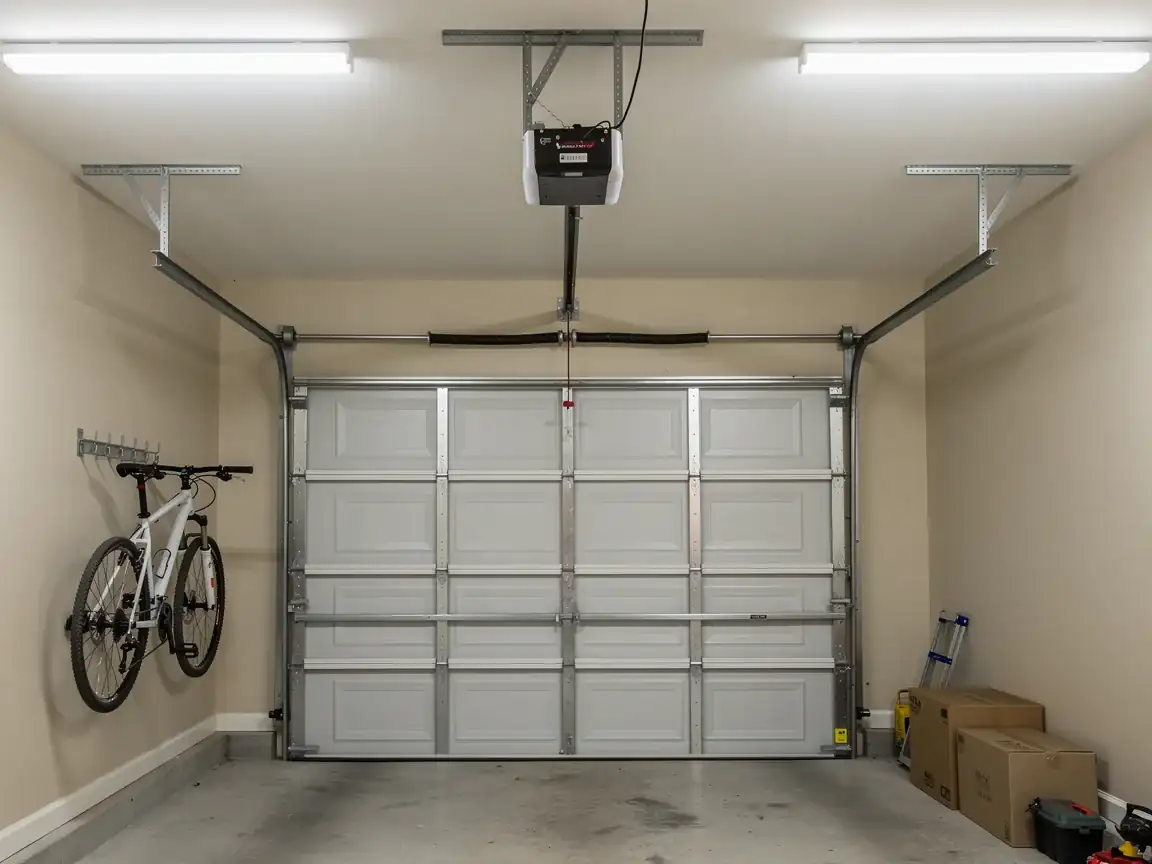
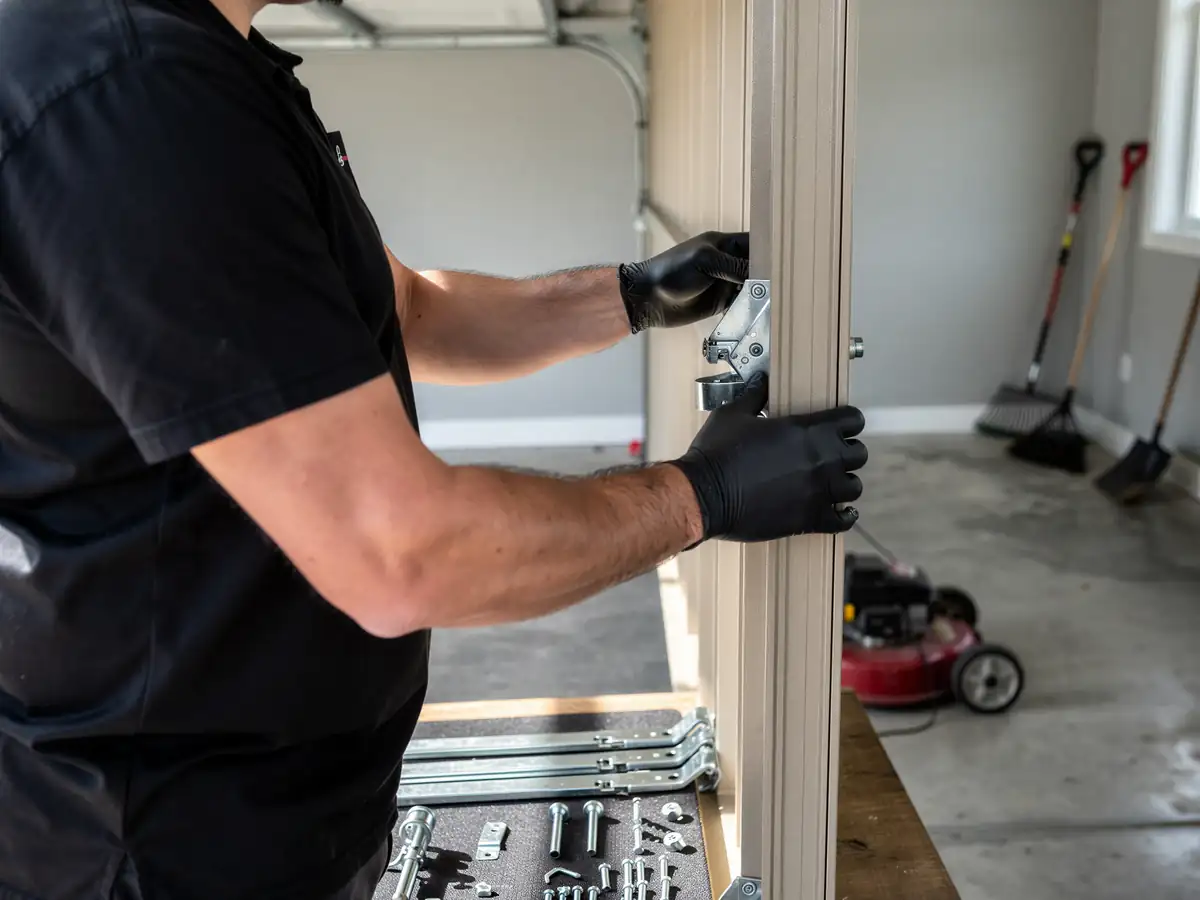
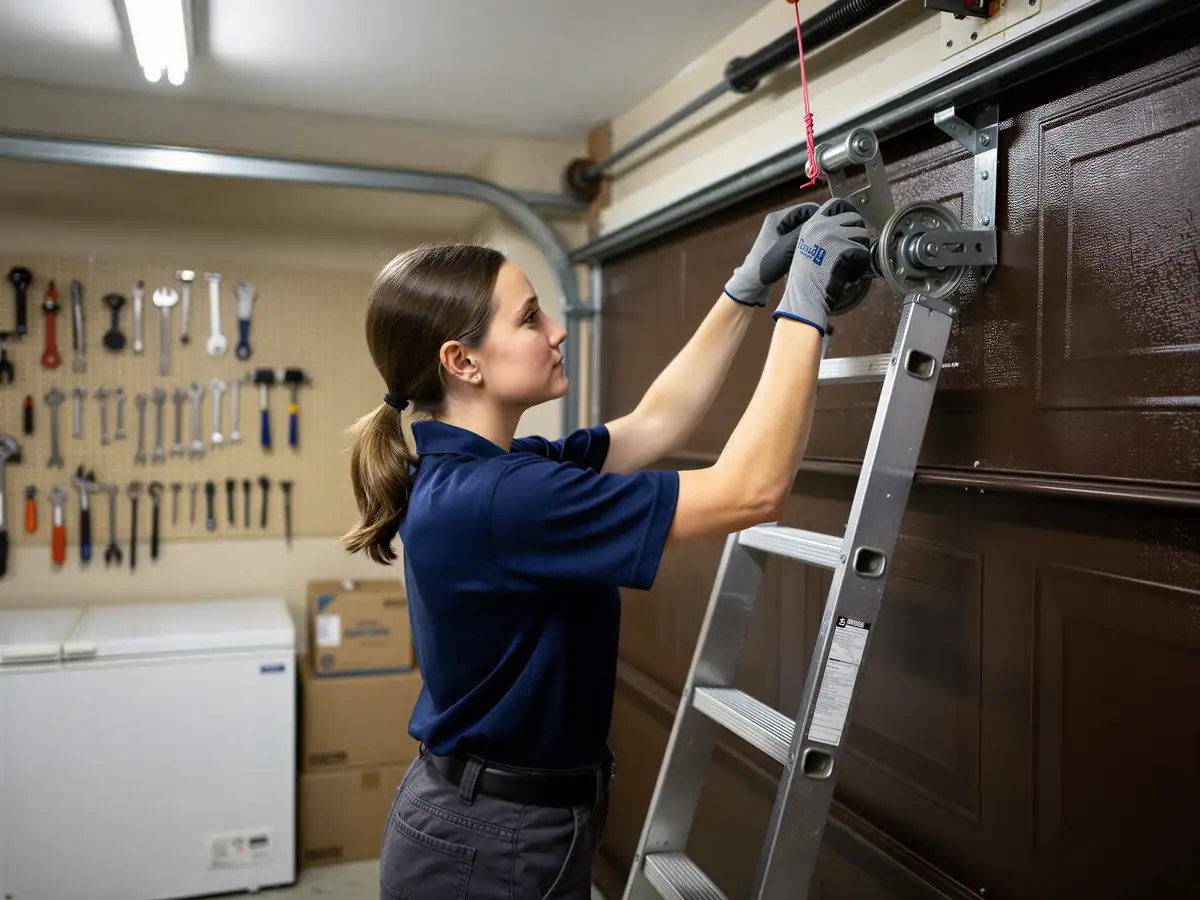
Humboldt's median house dates to 1971, and a lot of garages from that era were framed for a door but not wired for an opener - the bracket, if there's one at all, was bolted on later by whoever owned the place in the 80s or 90s. That means we show up ready for mismatches: headers too low for a standard rail, trolleys that don't line up with an old track, and j-arms that need a different mount than what's there now. We carry both belt and chain drive units, along with the wall brackets and curved rail kits that older single-car openings in this area tend to need. What we don't carry is a universal fix - if your header framing is non-standard, we tell you before we start, not after we've charged for the visit.
For doors with steel panels from a later replacement but original framing underneath, the opener has to match the door's weight and travel, not just the opening width. We measure before we quote, because guessing on a 50-year-old frame is how you end up with a door that reverses itself halfway up.
What You Pay
Humboldt's median household income runs $42,873, noticeably below the wider Jackson service area's $54,132, and that gap shapes which units we recommend here. We don't carry one price for every household - a basic chain-drive opener costs less to install than a belt-drive with battery backup, and we'll walk you through both before you commit to either. What we won't do is quote a number without seeing the opening first. A 1970s single-car garage and a newer double-wide need different hardware, and pricing one off the other gets somebody a bad surprise.
What the Repair Takes
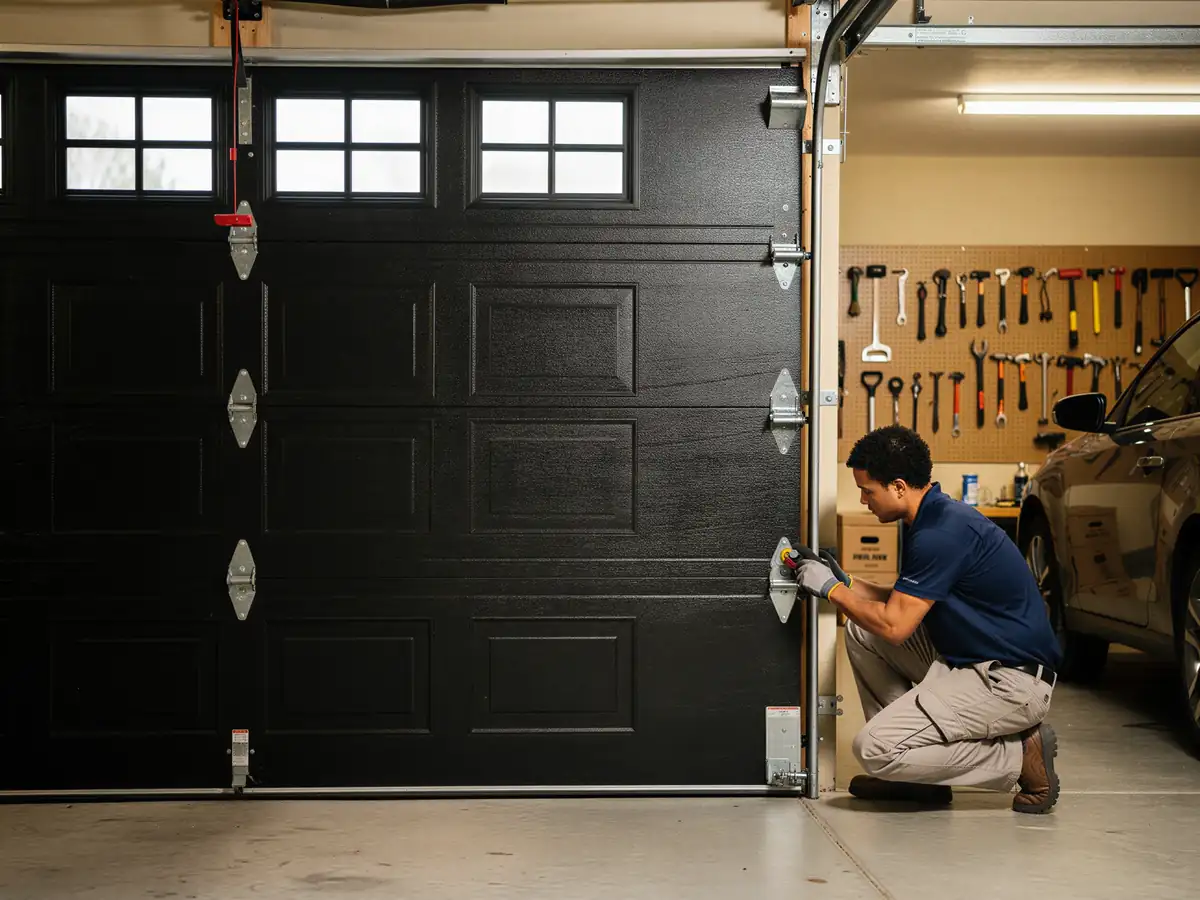
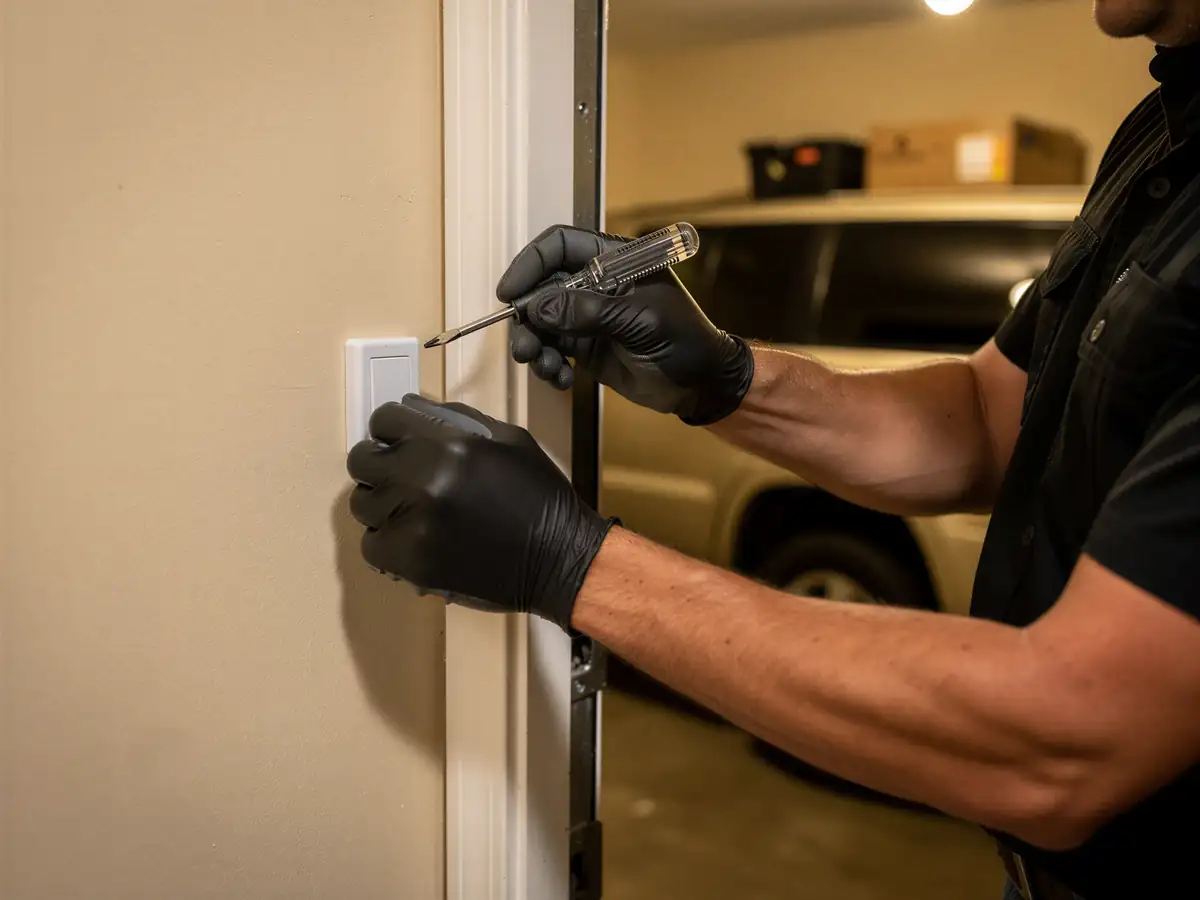
Opener problems in houses built around 1971 are rarely just the opener. The unit itself might be fine, but the wiring run to the wall switch was often done as a weekend job decades ago, with splices that corrode or staple-pierced insulation that finally fails. We check the circuit, the sensor alignment, and the drive mechanism as one job, not three separate charges, because on a house this age the fault usually sits between two of those, not inside just one. If the opener's original to a house from the early 70s, the motor and gearing are past any part we can still source - replacement, not repair, is the honest call at that point.
What Causes It Around Here
This area sits in a cold-moderate climate band, and that matters more for openers than most people expect. Grease in an old chain drive stiffens in a hard freeze, which makes the motor strain against resistance it wasn't built to fight every cycle. Over years, that strain is what burns out gears and capacitors early, especially in units that have never been serviced. With 3,384 households across Humboldt and a housing stock concentrated in that 1960s-70s band, we see the same failure pattern repeat: an opener that's run fine for years suddenly struggles every cold snap, then quits.