Parts We Carry
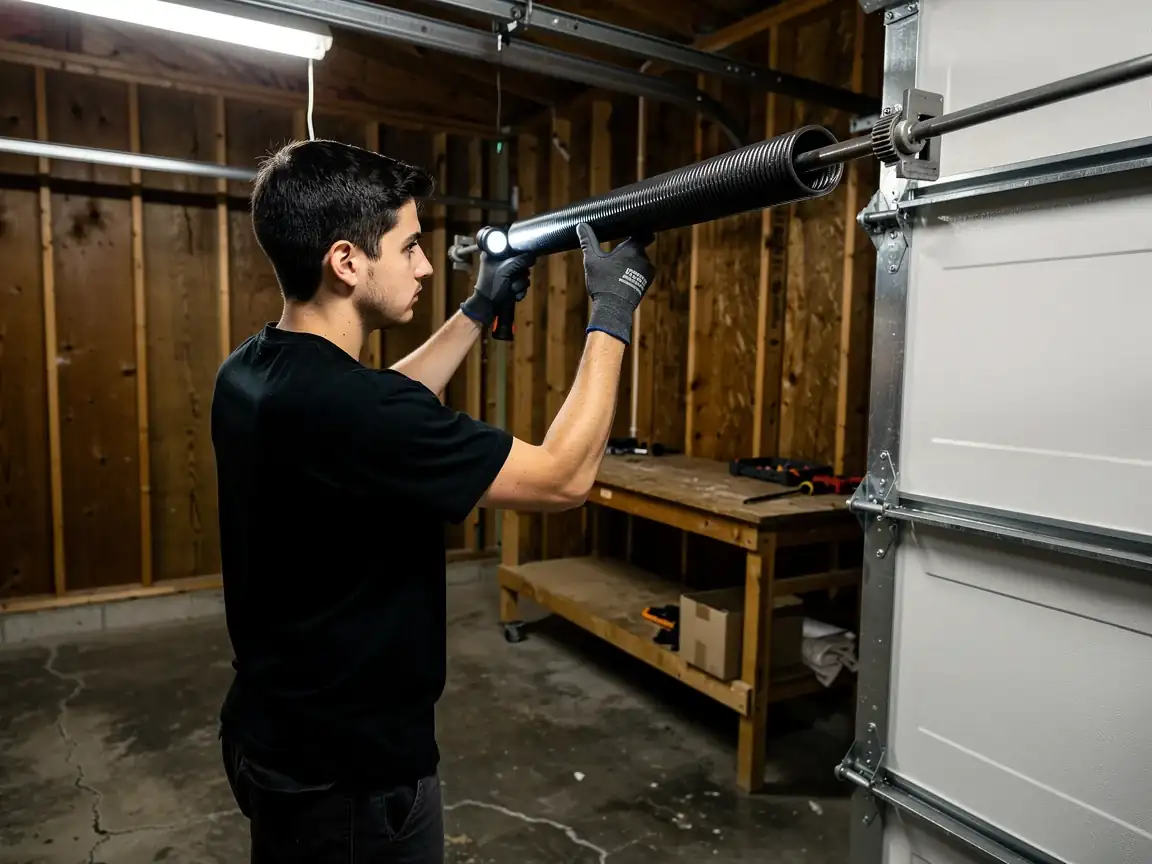
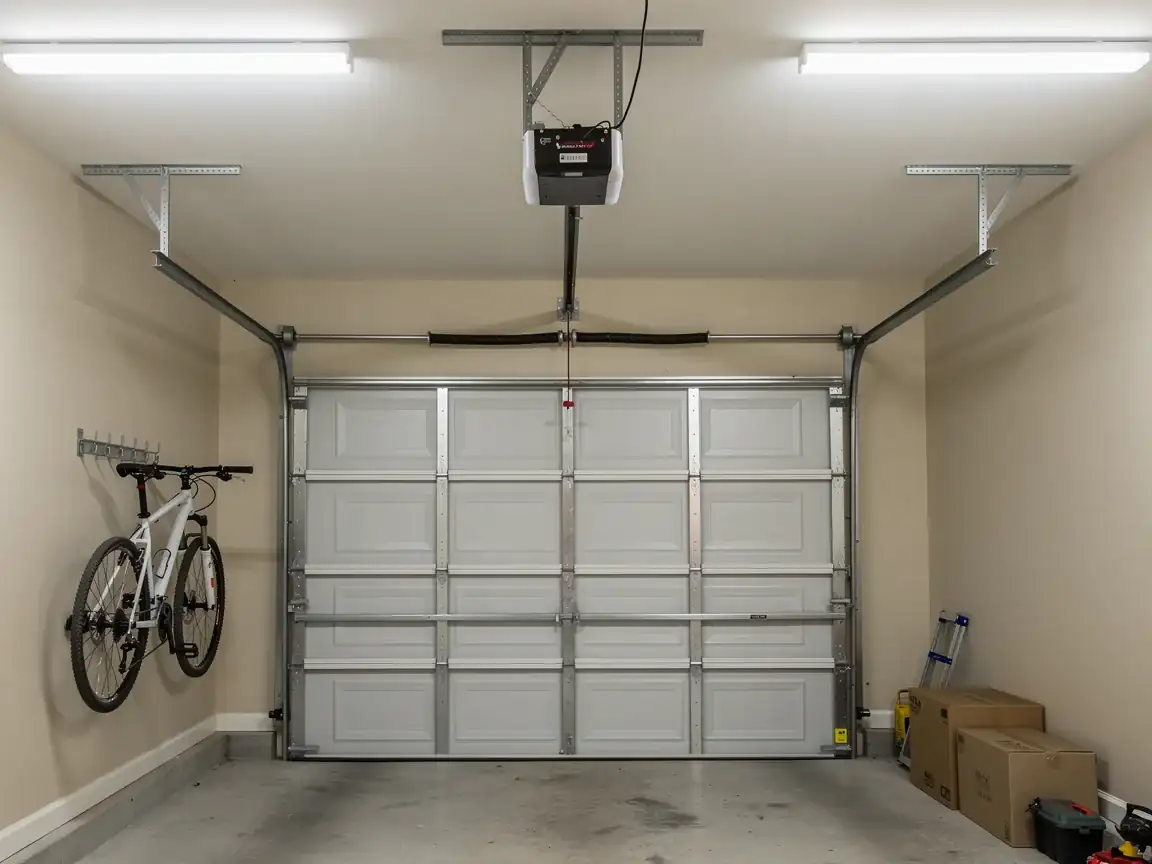
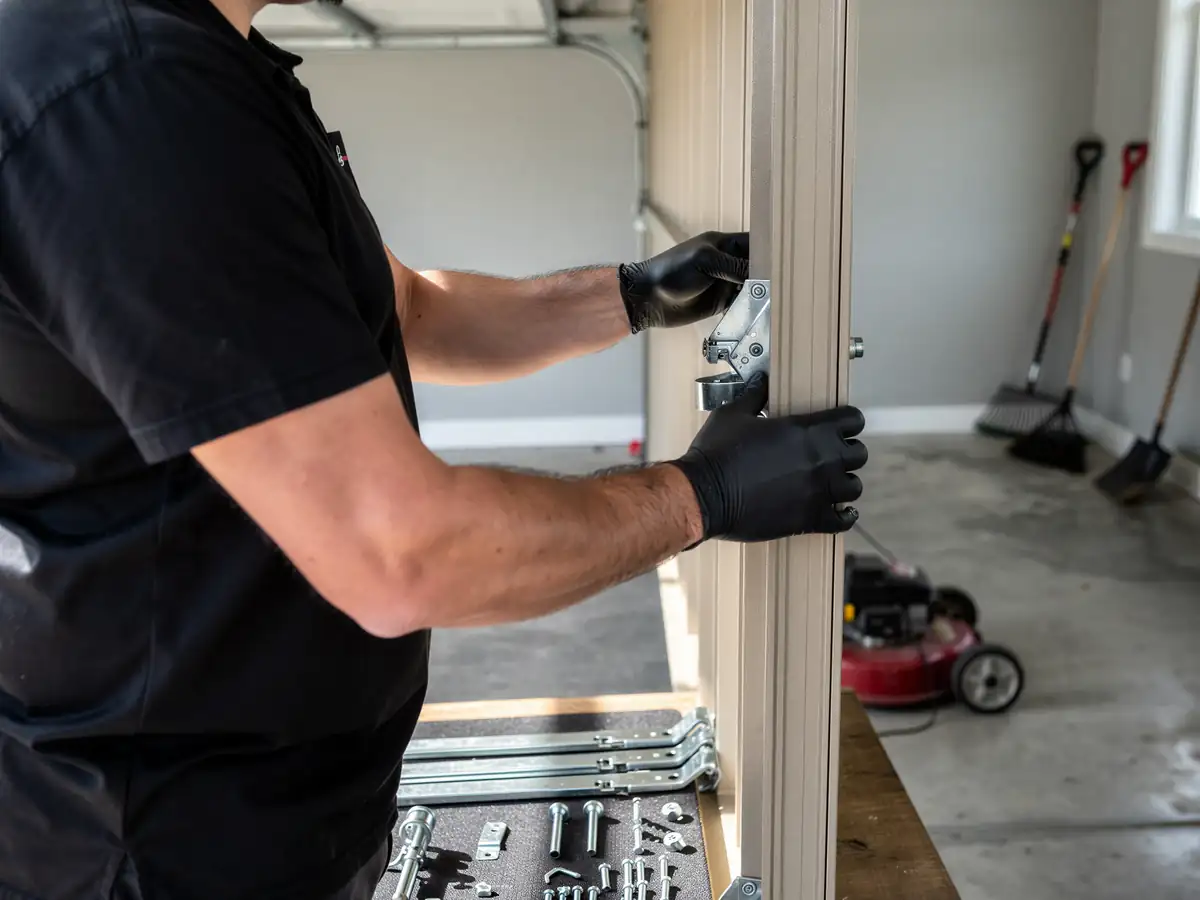
Humboldt's houses sit around a median build year of 1971, a touch older than the 1975 median across the wider service area. That extra few years matters on a garage door: it's the difference between a torsion spring system that's been rebuilt once already and original hardware that's never been touched. We carry torsion springs in the sizes that fit doors from that era, along with standard rollers, hinges, and cable. Extension spring setups still turn up on some of these older single-car openings, and we stock those too rather than telling a homeowner to wait on an order. What we don't carry on the truck is anything custom-sized for a door that's been modified or widened from its original opening - those get measured first, ordered second. If your opener is original to a 1971-built house, the gear and sprocket kit that fits it isn't always the same part number as what's sold today, and that's worth checking before we quote a fix over the phone.```
What You Pay
We don't post a flat number for Humboldt calls, because what you pay depends on what's actually broken and what parts the job needs - a single roller swap costs nothing like a full spring and cable replacement. What we can tell you is that houses built around 1971 more often need spring and hardware work than opener electronics, simply because the mechanical parts wear out on a schedule and the house has had fifty-plus years to hit it. We quote the job once we've seen the door, not before, so you're not paying for guesswork.
What the Repair Takes
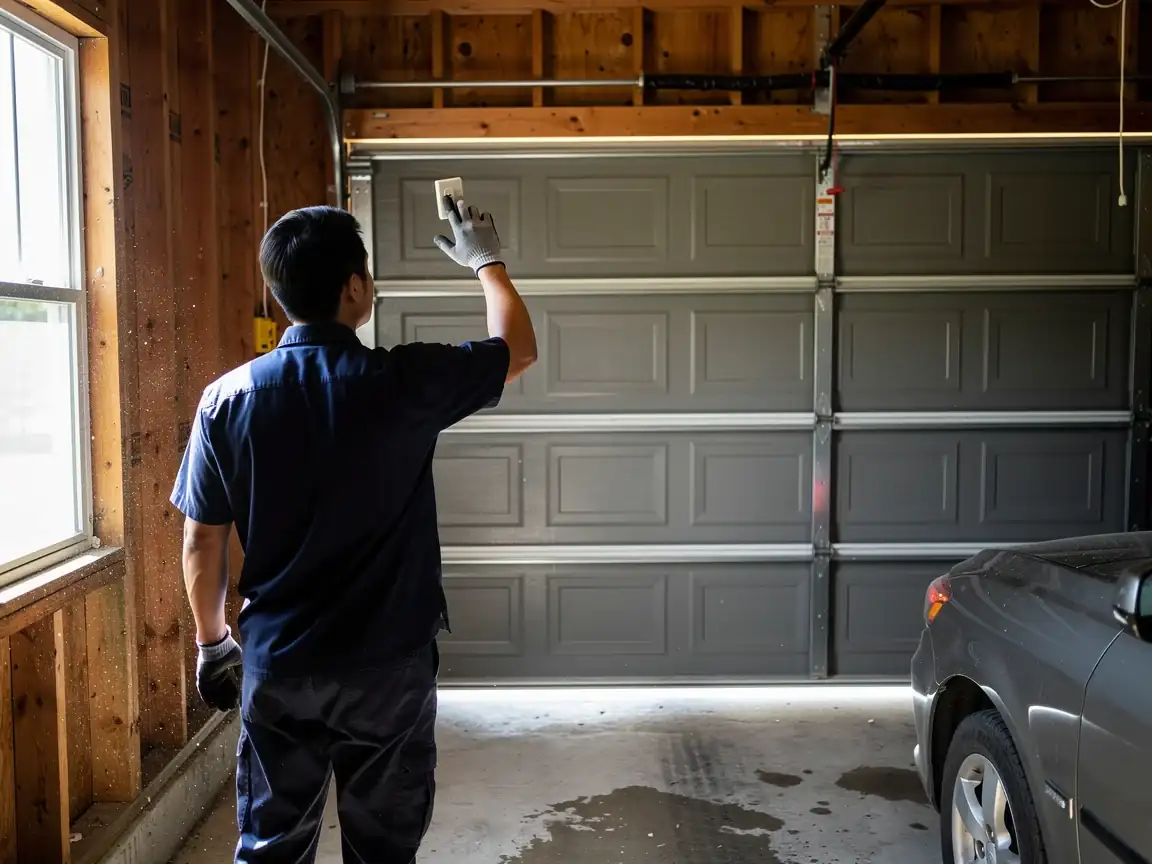
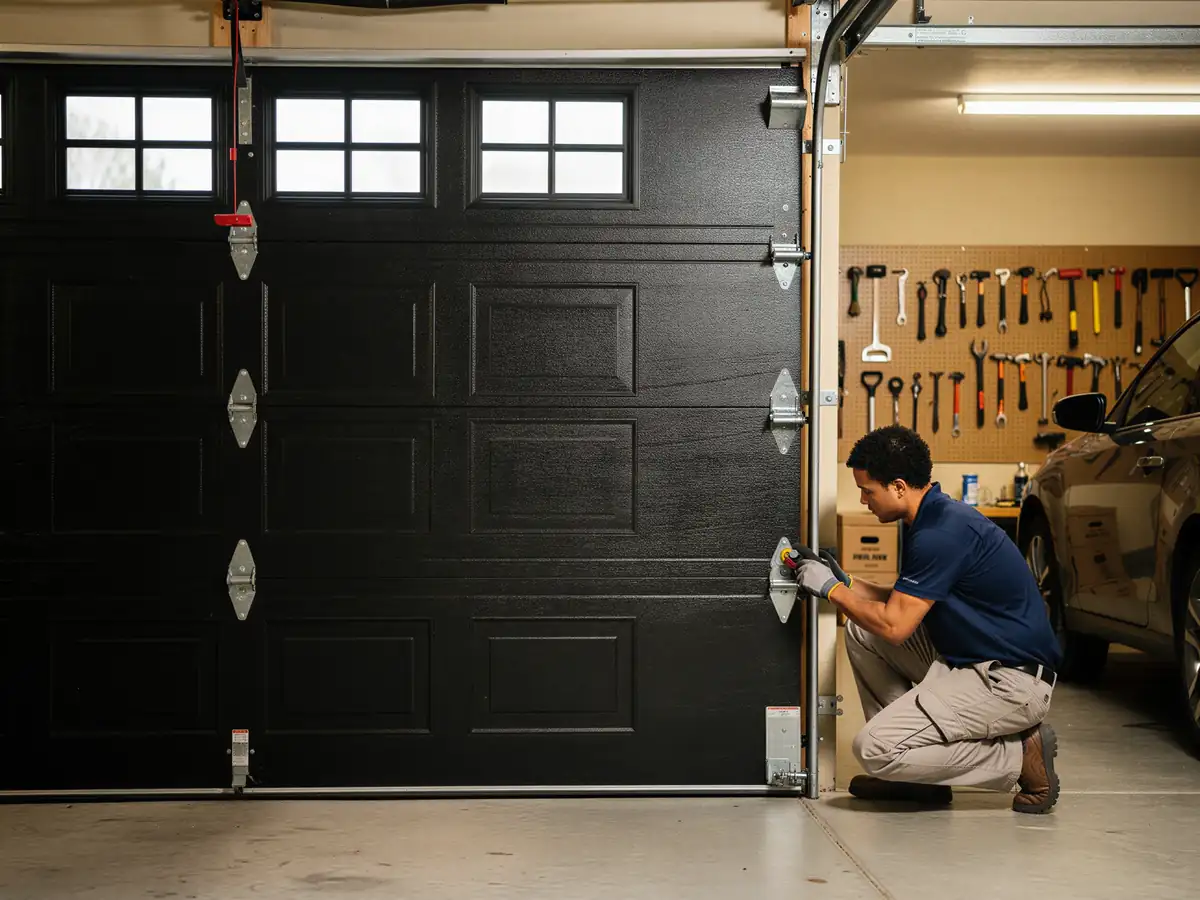
Most calls in Humboldt break down to a few repeatable jobs: torsion or extension springs that have fatigued past their cycle count, cables that have frayed at the drum, rollers that have worn their track groove wide, or an opener whose gear kit has stripped. On a house from the 1971 era, we also check whether the track and hardware were ever upgraded - a lot of these doors are running the original side-room torsion setup, which means parts and leverage points that newer pre-fab doors don't have. The honest limit here: if the door itself has warped or the panels have rusted through, replacing springs or cable is a short-term patch, not a fix. We'll say so rather than sell a repair that won't hold.
What Causes It Around Here
This area sits in a cold-moderate climate band, which means real freeze-thaw cycles every winter rather than one hard freeze and done. That cycling is hard on steel springs and on the grease in old roller tracks - metal contracts and expands, lubricant thickens, and a spring that was already near the end of its coil count goes first on a cold morning. Combine that with a housing stock built mostly in the 1960s and 70s across the area, with Humboldt's own median landing at 1971, and you get a lot of doors running original or first-replacement hardware that's simply aged out. It's less about one big storm and more about fifty winters of the same stress, repeated.