Parts We Carry
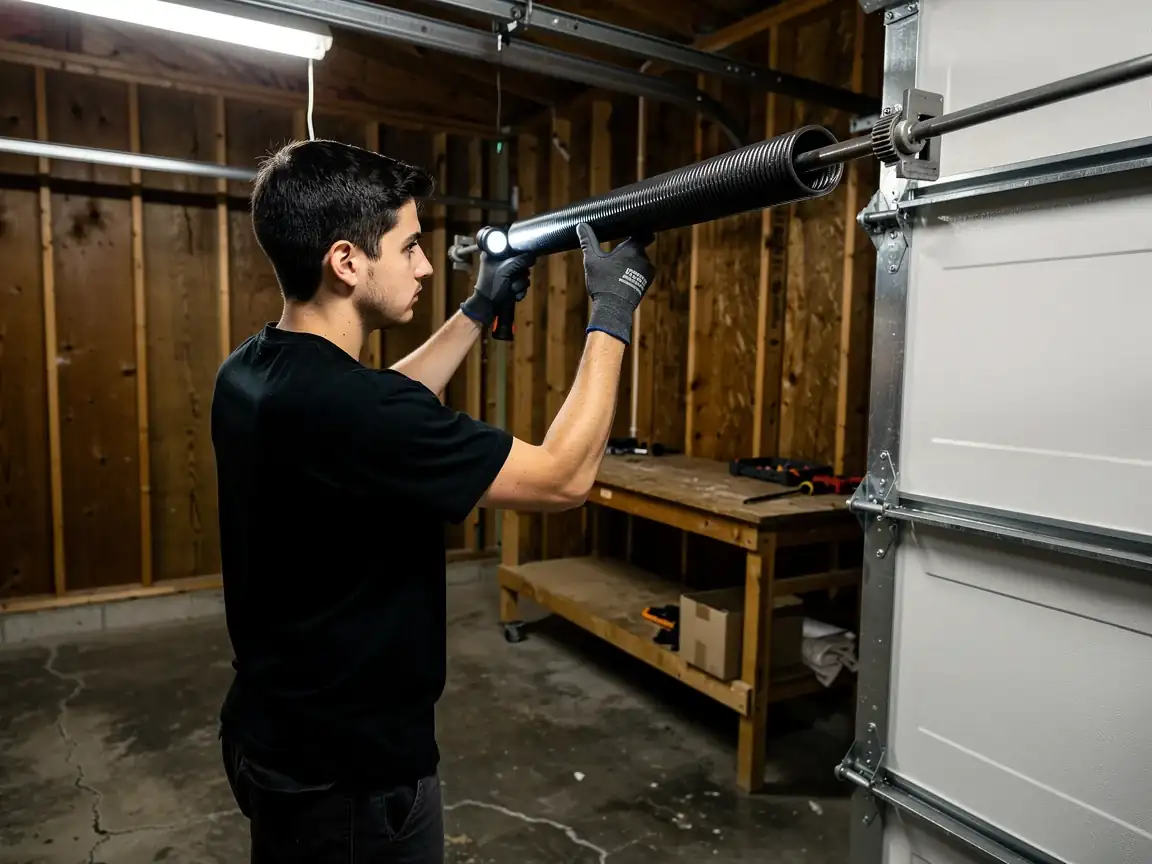
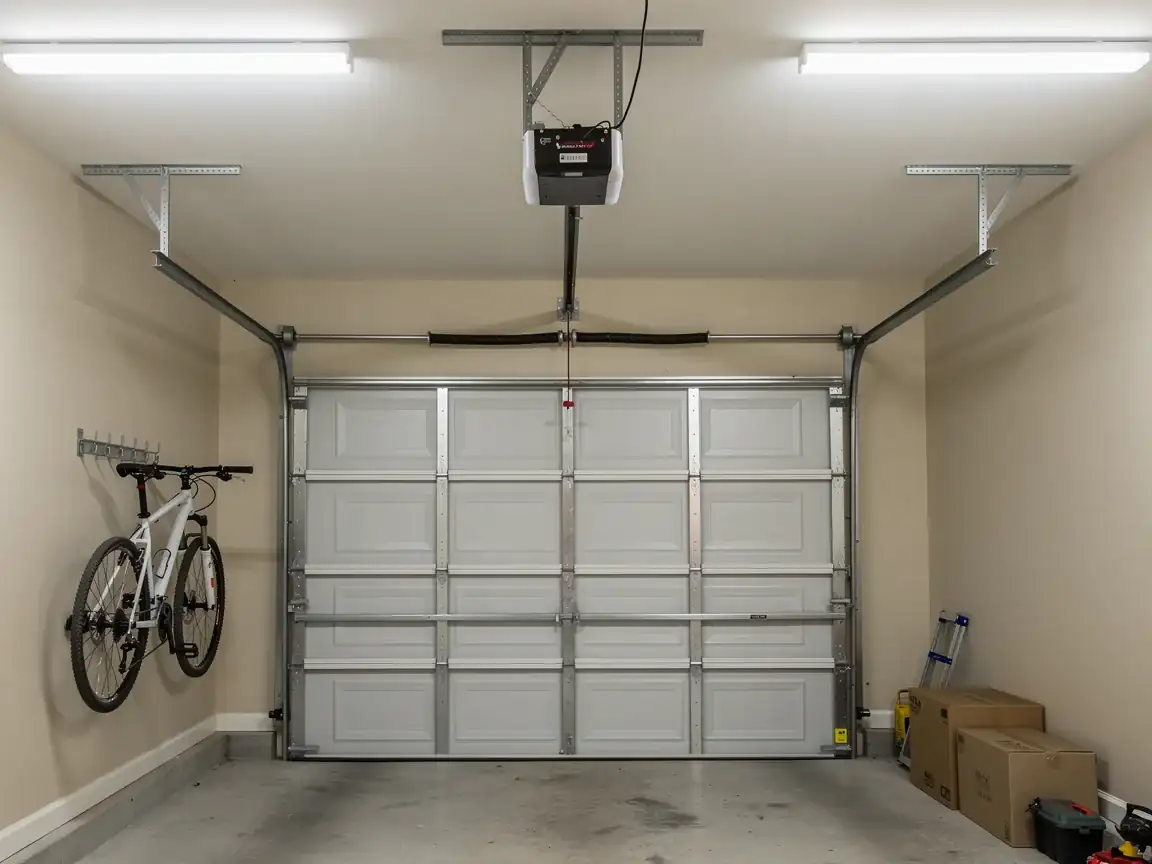
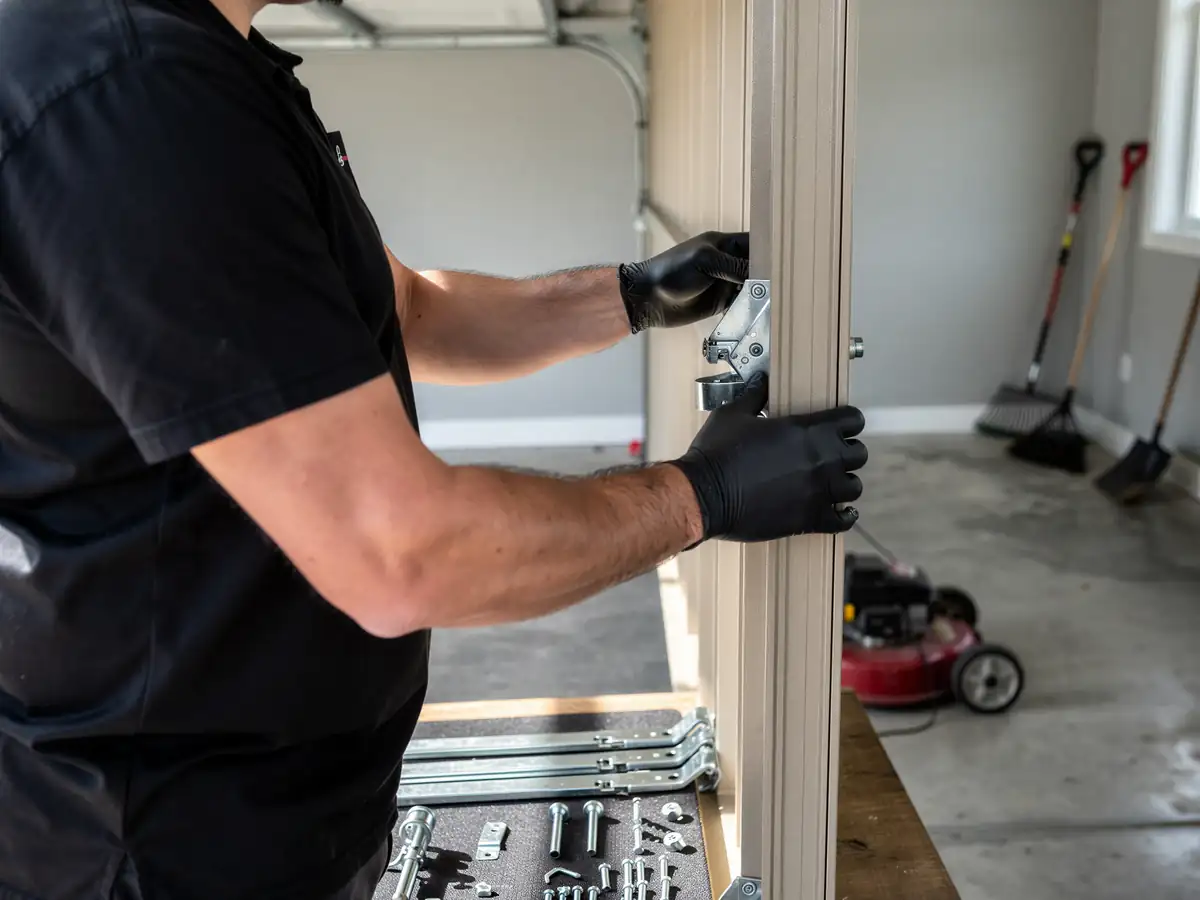
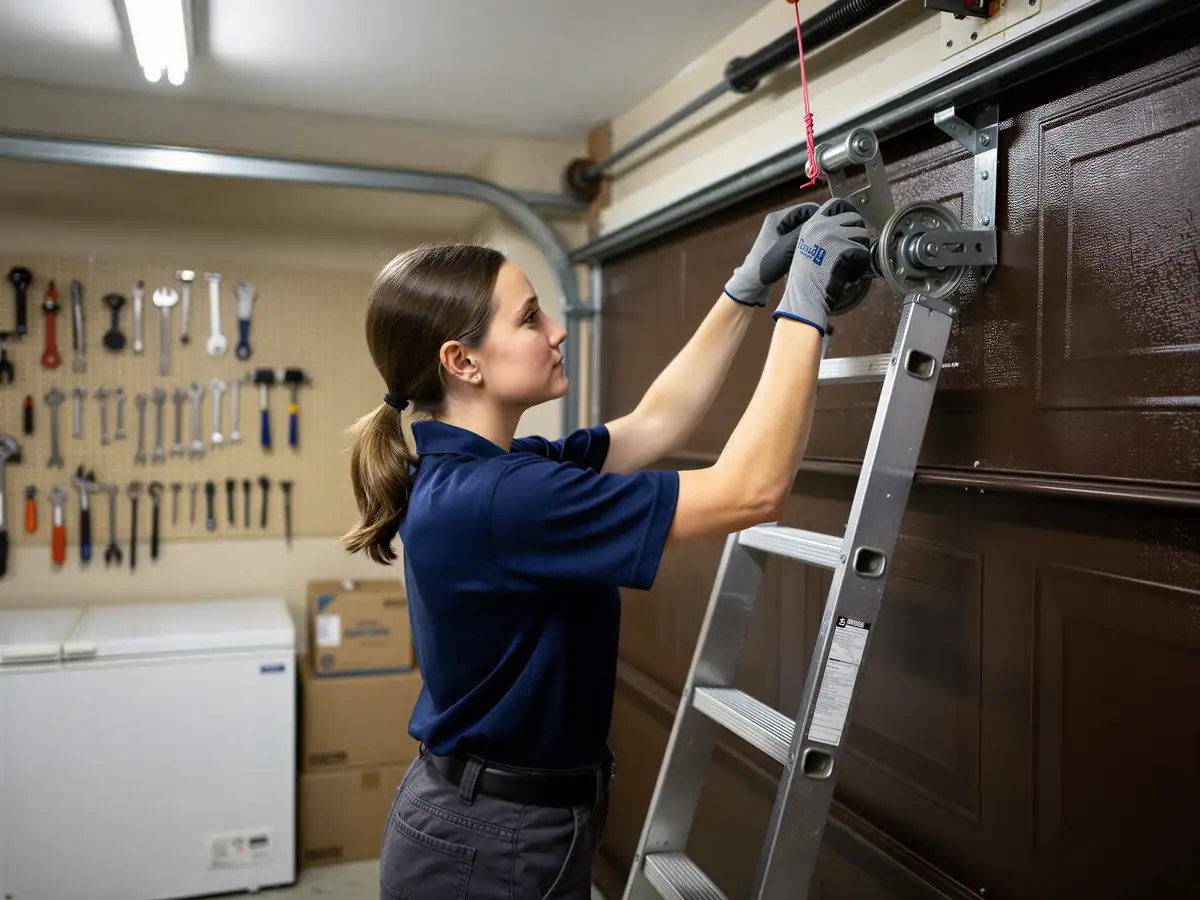
Most of the doors we open up in Humboldt were installed when the house was built, and the median year built here is 1971. That means a lot of extension-spring setups running along horizontal side tracks instead of the torsion bar over the header you'd see on anything put up in the last fifteen years. We carry both: extension springs in the common cycle ratings, torsion springs sized for single and double doors, galvanized track sections, and the steel rollers that replace the nylon ones nobody bothers to swap until they're grinding. We also stock standard opener logic boards and drive gears, since a lot of the openers out this way are second or third replacements on the original door. If a part is a discontinued panel profile from a door that old, we'll tell you straight that we're ordering it, not promising it's on the truck.
We don't carry every obsolete hinge or end bearing plate from every manufacturer that stopped making garage doors decades back. On a door that old, sometimes the honest call is a new door section rather than hunting down a part that matches a pattern nobody presses anymore.
What You Pay
We don't post a flat number for Humboldt because what a job costs depends on what's actually hanging in the opening - a single torsion spring swap on a lighter door costs less than a double-door extension-spring job with worn track, and a household budget here (median income $42,873) usually means people want the repair quoted before anyone touches a wrench, not after. We quote on-site once we've looked at the spring size, the track condition, and whether the opener is original or already a replacement. If a repair is going to run close to the cost of a new door section, we'll say so before we start, not after you're committed.
What the Repair Takes
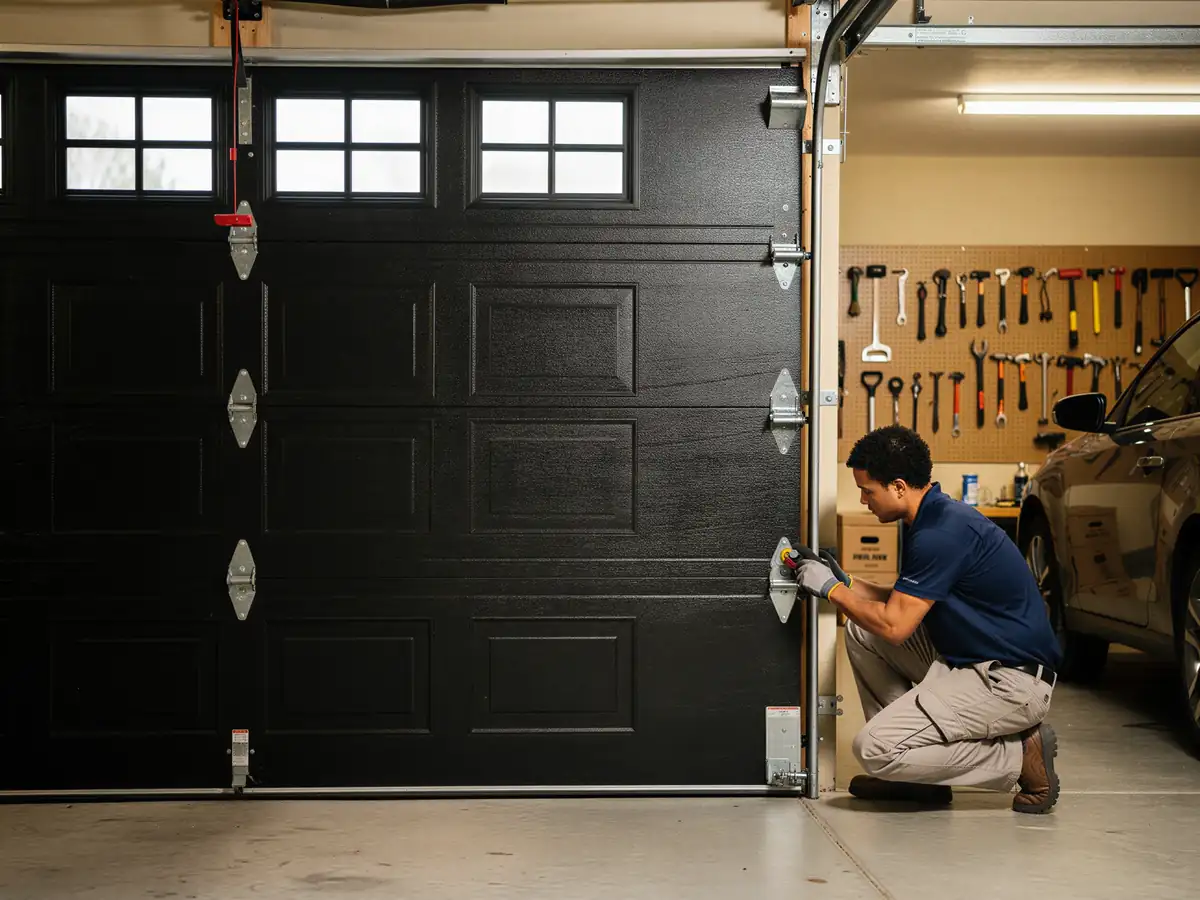
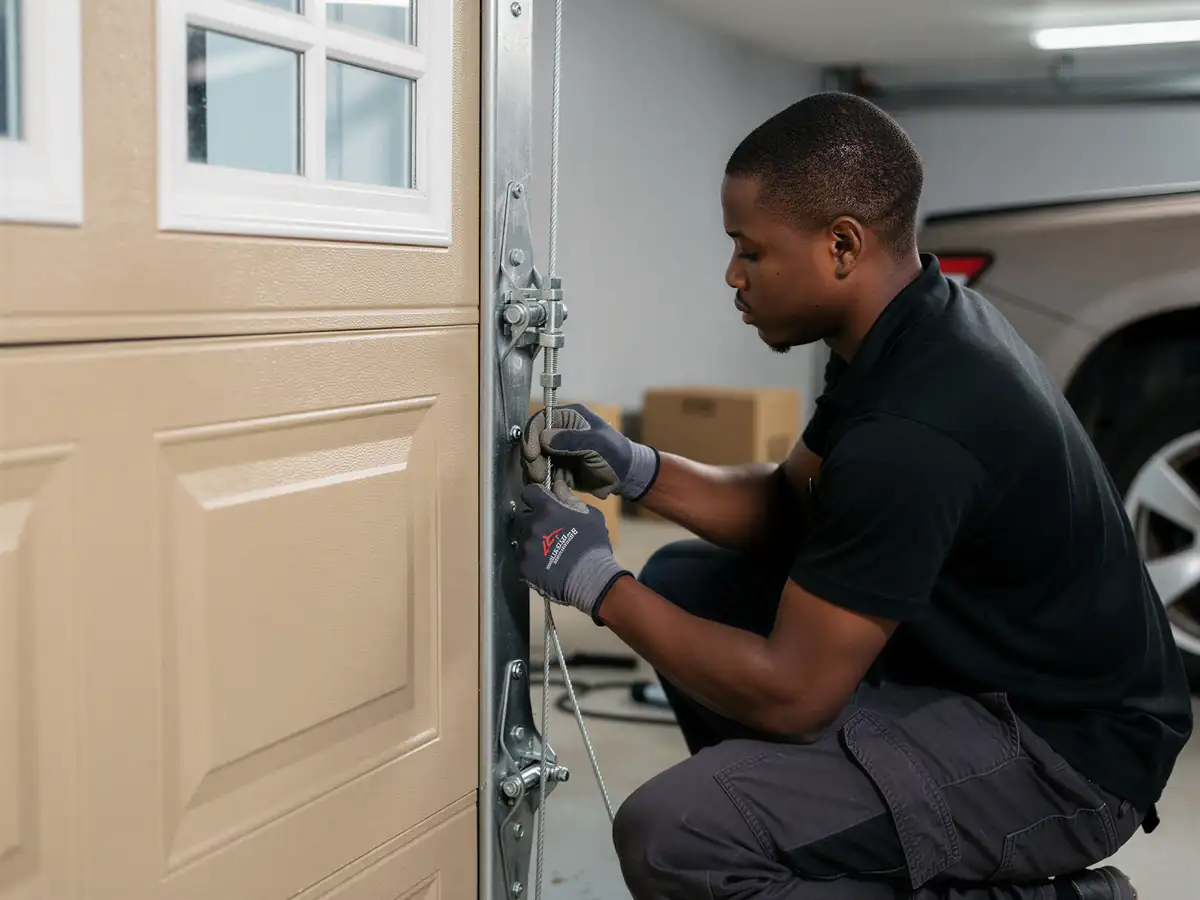
On a house built around 1971, the spring is usually the first thing that's past its service life, especially if nobody's touched it since the door was hung. A broken extension spring on a double door means we pull both springs, check the pulley and safety cable, and replace in pairs even if only one side snapped - running mismatched springs just moves the failure to the other side within a season. If the track is bent or the door is running on the original rollers, we true up the track and swap rollers at the same visit rather than send you a second bill later for the thing we saw the first time. Openers from that era, if they haven't already been replaced once, usually get swapped rather than repaired - parts for a drive unit that old aren't something we stock, and a new opener with a modern safety reversal system is the safer call anyway.
What Causes It Around Here
The cold-moderate climate band this part of Tennessee sits in doesn't produce the kind of extreme swings that crack panels outright, but it does stiffen grease in old bearings and extension springs every winter, which is when we get the call for a door that won't lift past knee height. Combine that with hardware that's now pushing fifty years old on a lot of these houses - median build year 1971 - and the failure pattern is predictable: a spring that's cycled past its rating, a cable starting to fray where it wraps the drum or pulley, or rollers that have worn their track groove oval. It's not storm damage we're chasing in Humboldt. It's age catching up with hardware nobody's looked at since it was installed.