What Causes It Around Here
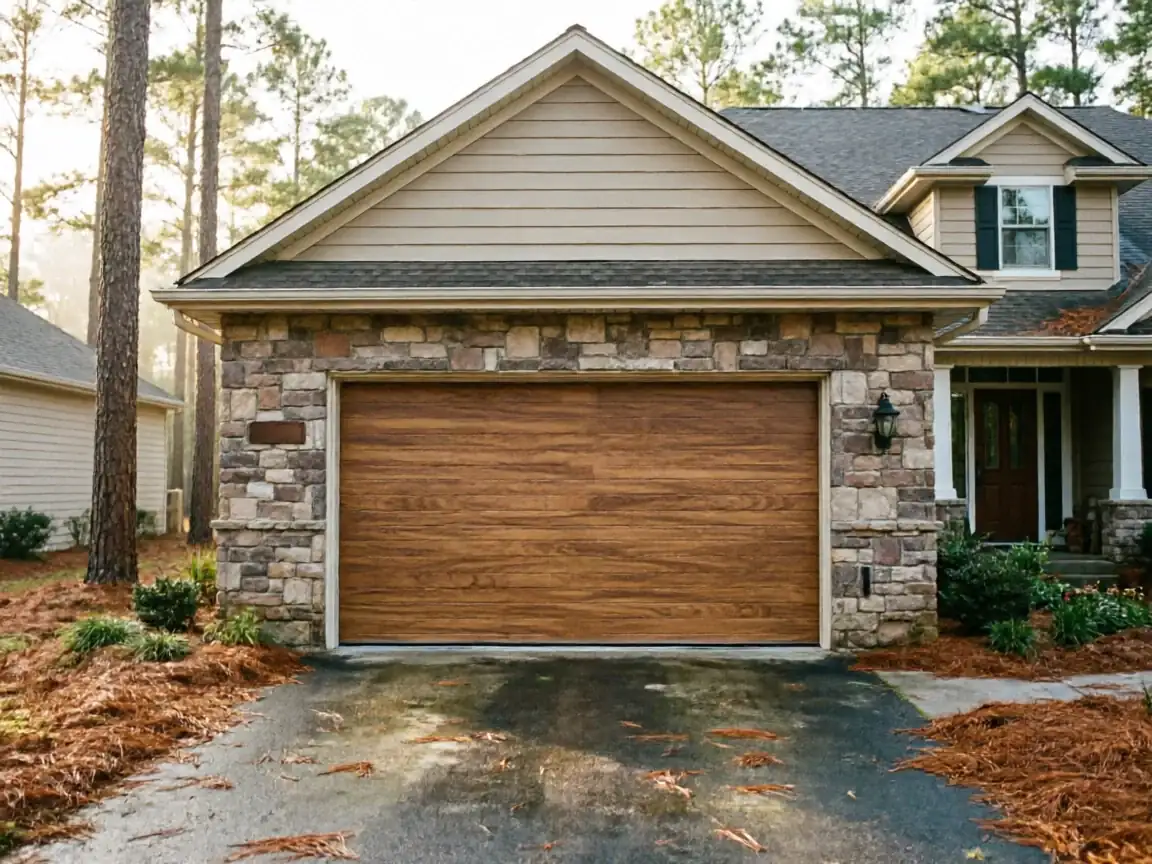
Medina is a small stop on our route - about 1,975 households, nowhere near the size of the older neighborhoods closer to Jackson. But size isn't the interesting number here. The housing stock is. Across the wider service area the median house dates to 1975, with most of it built out in the 1960s and 70s. Medina runs newer, closer to a 2004 median build year. That gap matters for openers.
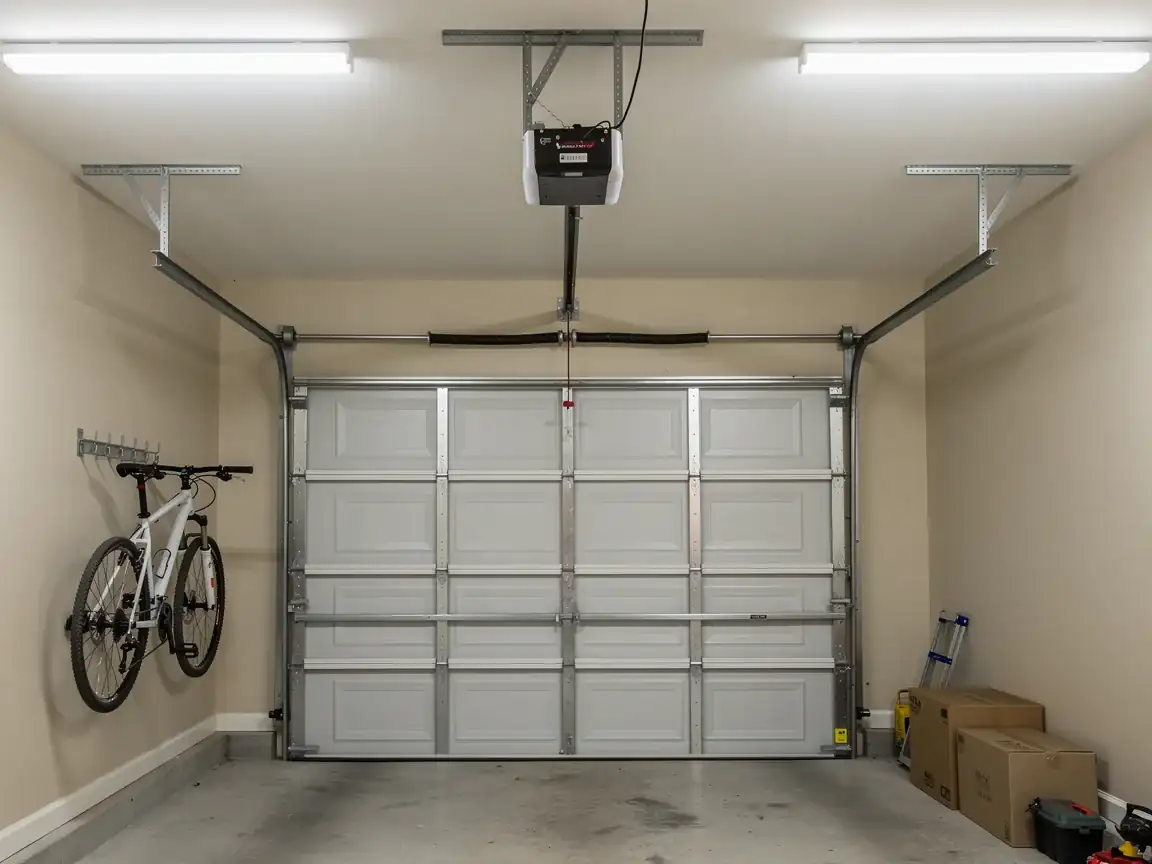
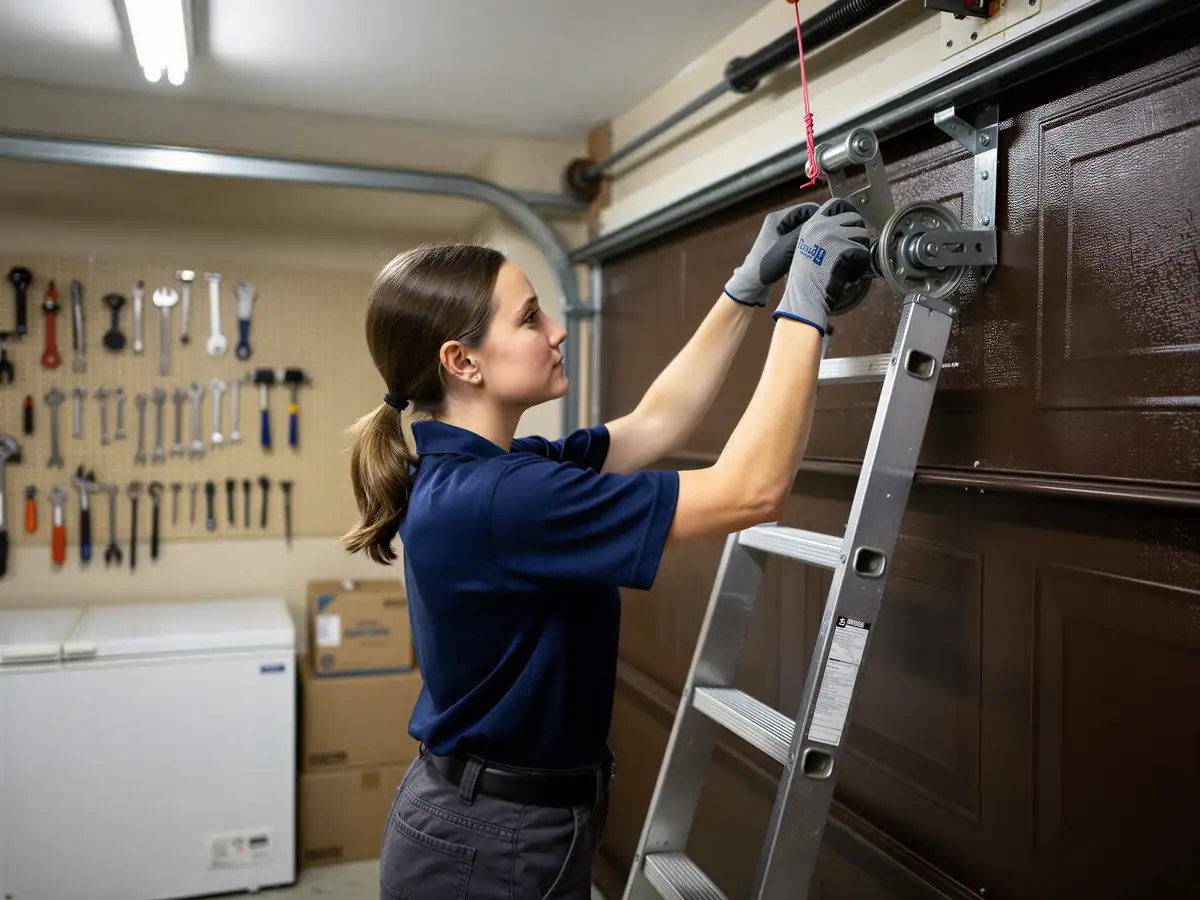
A house built in 2004 came with a chain or belt-drive opener already wired into the garage, usually a mid-grade builder unit chosen to meet a spec sheet, not to last. Twenty years on, those original units are deep into end-of-life territory - circuit boards drying out, logic boards failing to hold a code, drive gears stripped from years of normal use. We don't see the ancient torsion-and-pulley setups out here that we find on the 1960s side of the territory. What we see instead is a wave of openers all aging out around the same calendar window, because they all went in around the same few years.
Parts We Carry
For Medina calls we carry what fits 2000s-era construction: belt-drive and chain-drive opener units, replacement logic boards, wall control stations, safety sensor pairs, and battery backup modules for anyone who wants the door to open during a power cut. We don't stock every brand ever sold - if your unit used a proprietary remote system or a control board nobody makes anymore, we'll tell you straight that replacement is the cleaner path rather than hunting for a part that may not exist anymore.
Most of what we install is a belt-drive unit with a battery backup, since that's the combination that holds up best against the kind of winter cold this part of Tennessee gets. We also carry rolling-code wall controls and smart-enabled openers for anyone upgrading from a straight remote-only setup. If your garage has deeper wiring issues - old aluminum branch circuits, for instance - that's outside opener work and we'll say so before we start.
How Long It Takes
A straight swap - old opener out, new one in, same mounting rail, same door
Is a half-day job in most cases. It runs longer if the header bracket needs reinforcing, if the existing wiring doesn't meet current code, or if the safety sensors need new brackets because the old ones rusted or cracked. Homes from the early 2000s usually have cleaner garage framing than the older stock closer to Jackson, which tends to speed the install rather than slow it.
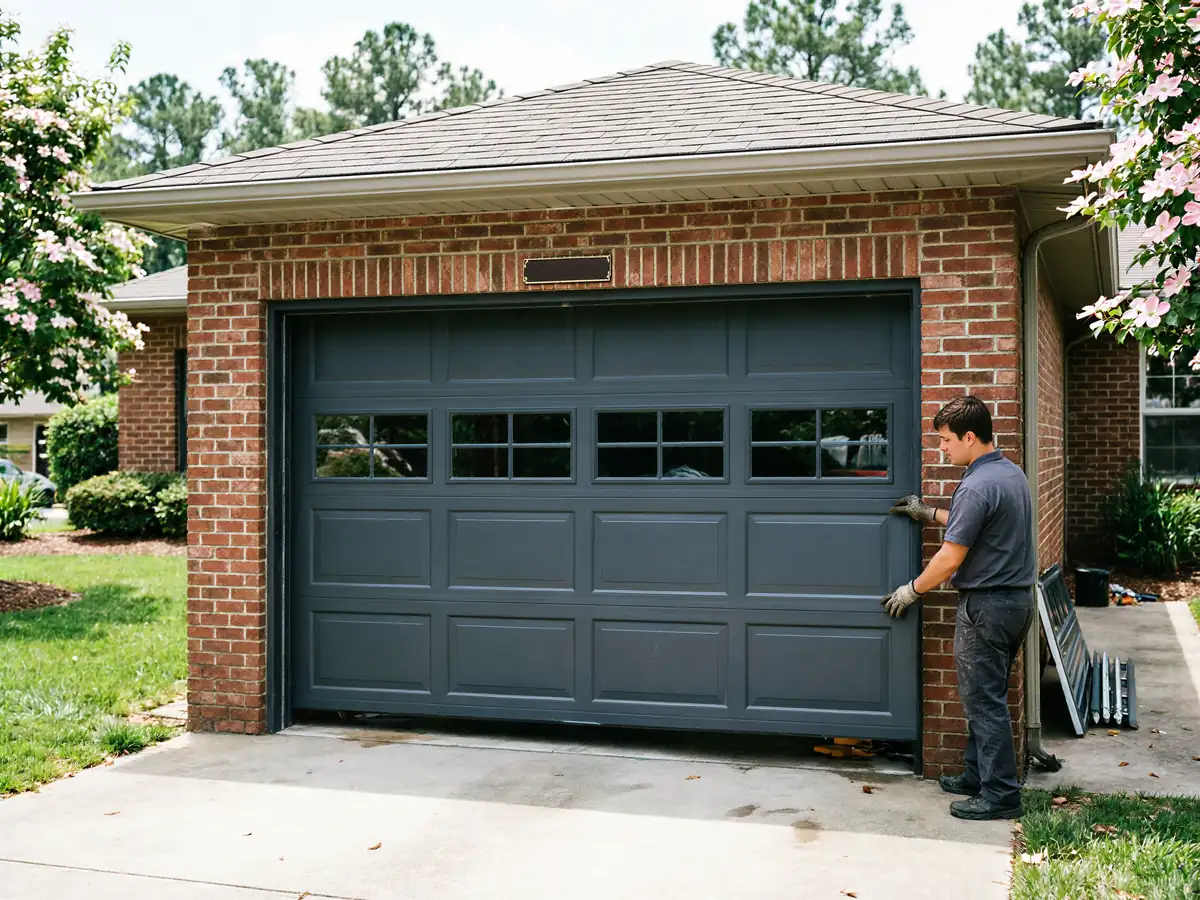
We travel from Jackson for every Medina call, about 12 miles each way
So we schedule the visit rather than drop by on short notice. If you're replacing an opener that's failed completely and the door is stuck down, say so when you call - we'll plan around that.
- 12 miles
The Symptom
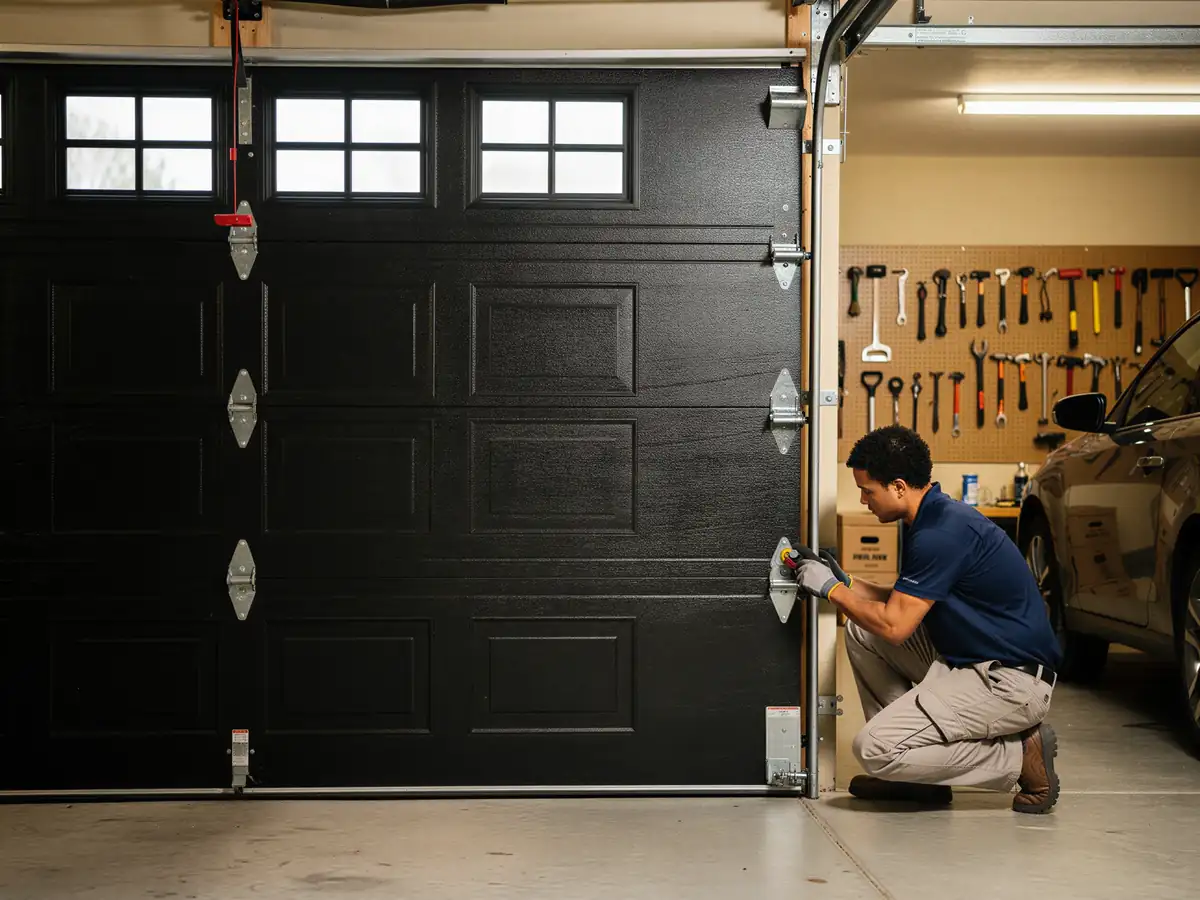
The opener problems we see in Medina tend to look like this: the unit runs but the door won't fully close, the remote works from ten feet but not from the driveway, or the motor hums and does nothing. On a house from the early 2000s, that pattern is usually a dying circuit board or a logic board that's lost sync with the remotes, not a mechanical jam. That's different from what we find in the 1960s-stock neighborhoods, where the opener itself is often fine and the real problem is a worn-out drive gear or a chain that's stretched past adjustment.
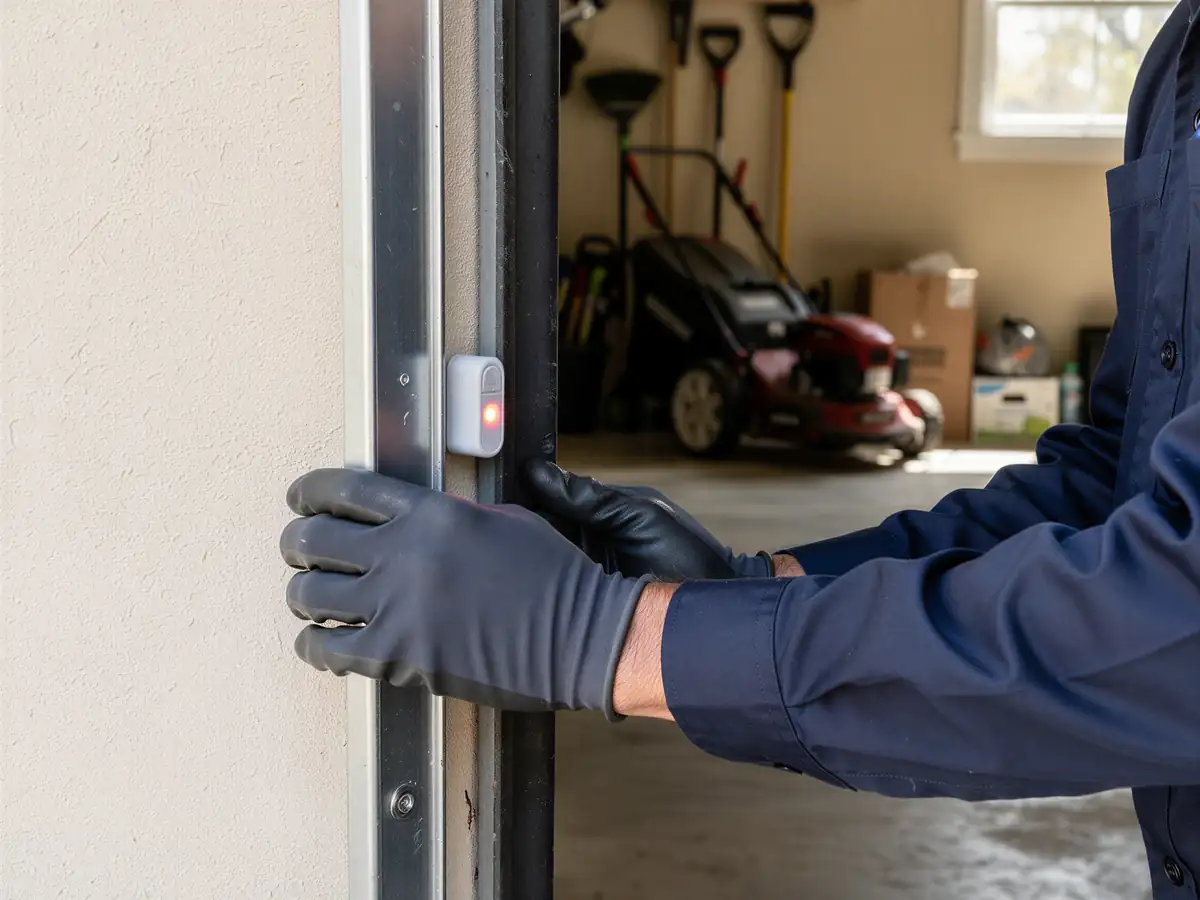
If your door reverses right after it touches the floor, check the sensor alignment first - a bumped sensor bracket is common and cheap to fix. If the opener light blinks a set number of times before you press the button, that's a diagnostic code specific to your model; note the count before you call, it saves time on the visit.
Can You Do This Yourself
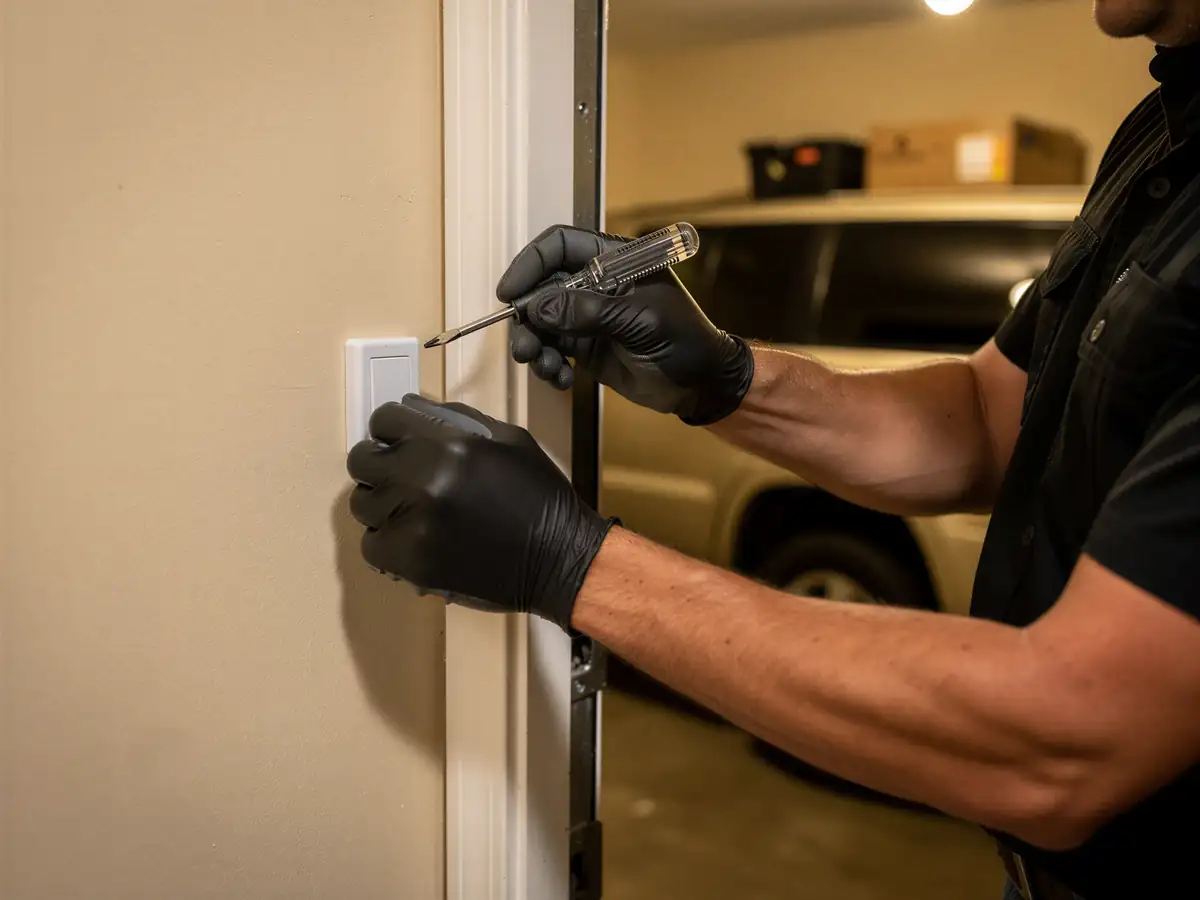
Swapping a wall control or a remote is reasonable DIY work. Mounting a new opener unit, wiring it into the circuit, and setting the travel and force limits correctly is not something we'd recommend doing solo on a first try - get the force setting wrong and the door can fail to stop on an obstruction, which is a real injury risk, not a theoretical one.
We'll also say plainly: if your opener is less than five years old and just needs a sensor realignment or a remote reprogram, that's a short fix and doesn't call for a full replacement. Replacing a working unit because it's merely old isn't worth doing - we'd rather tell you to wait until it actually fails.