What Causes It Around Here
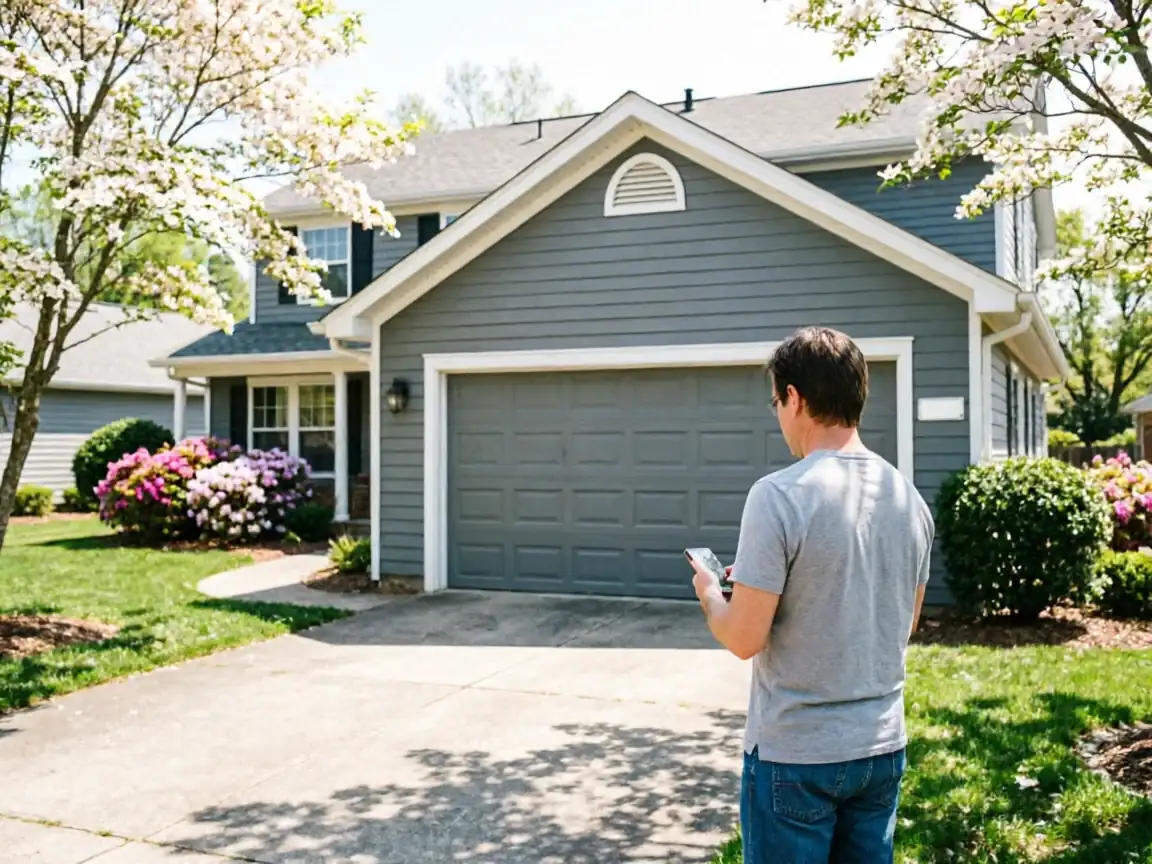
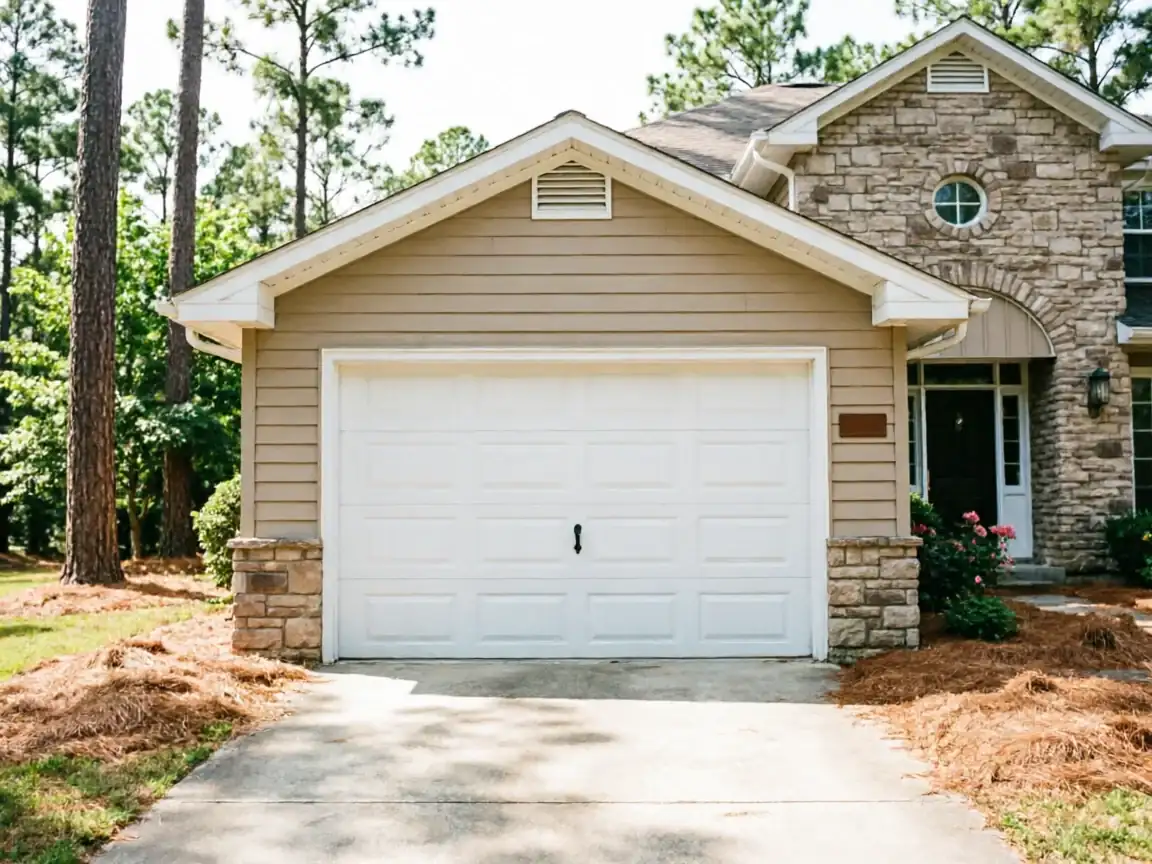
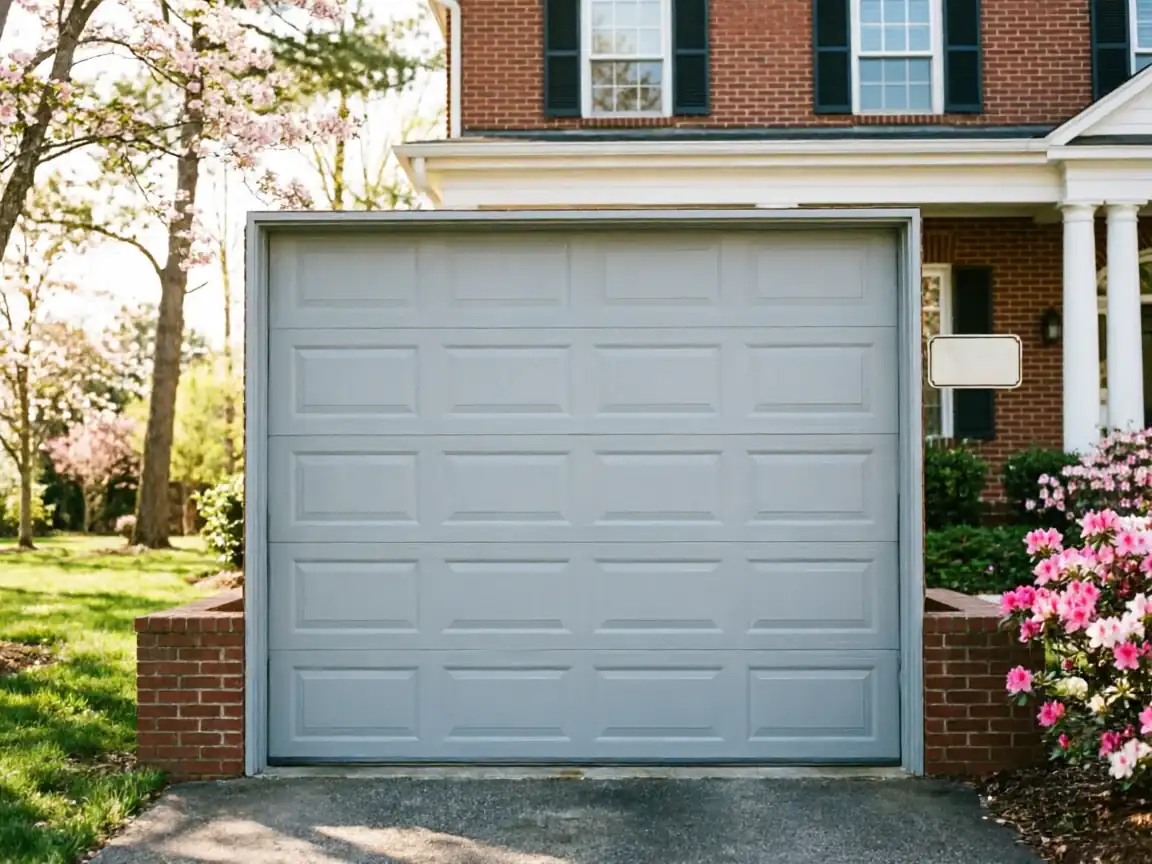
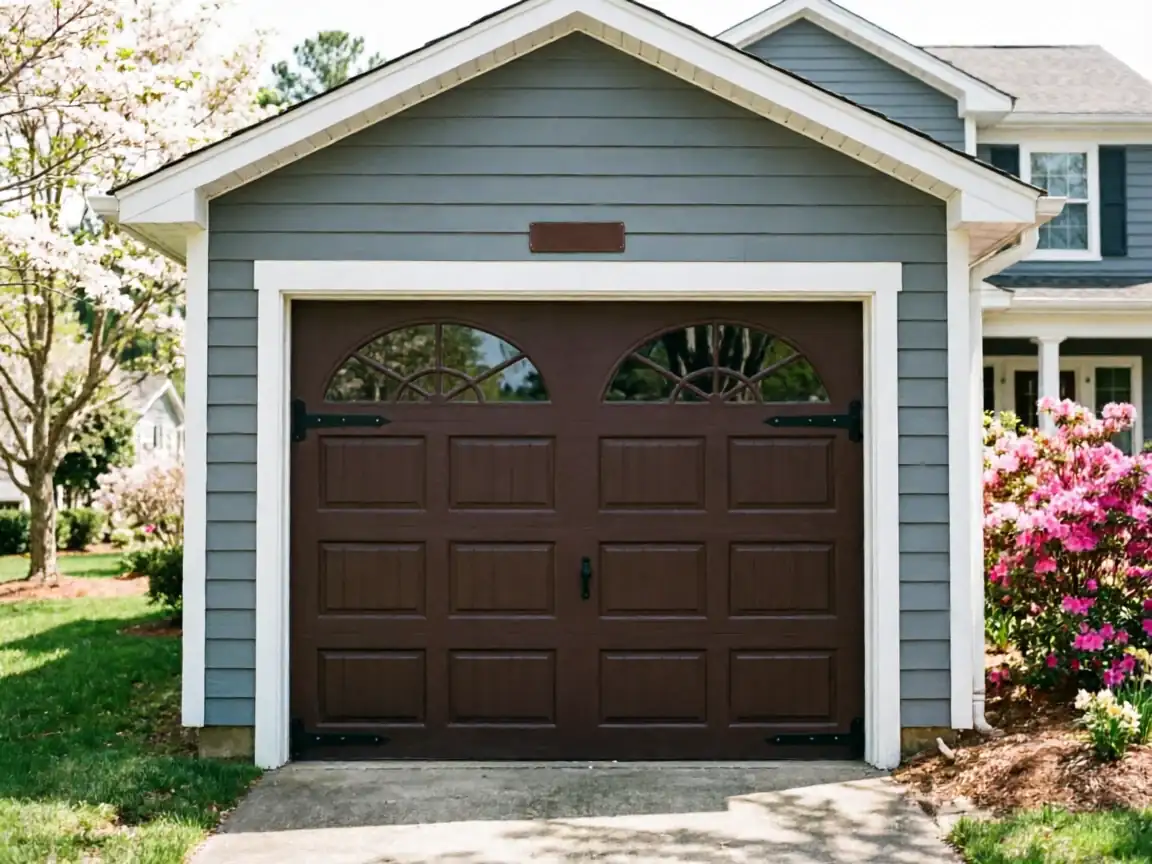
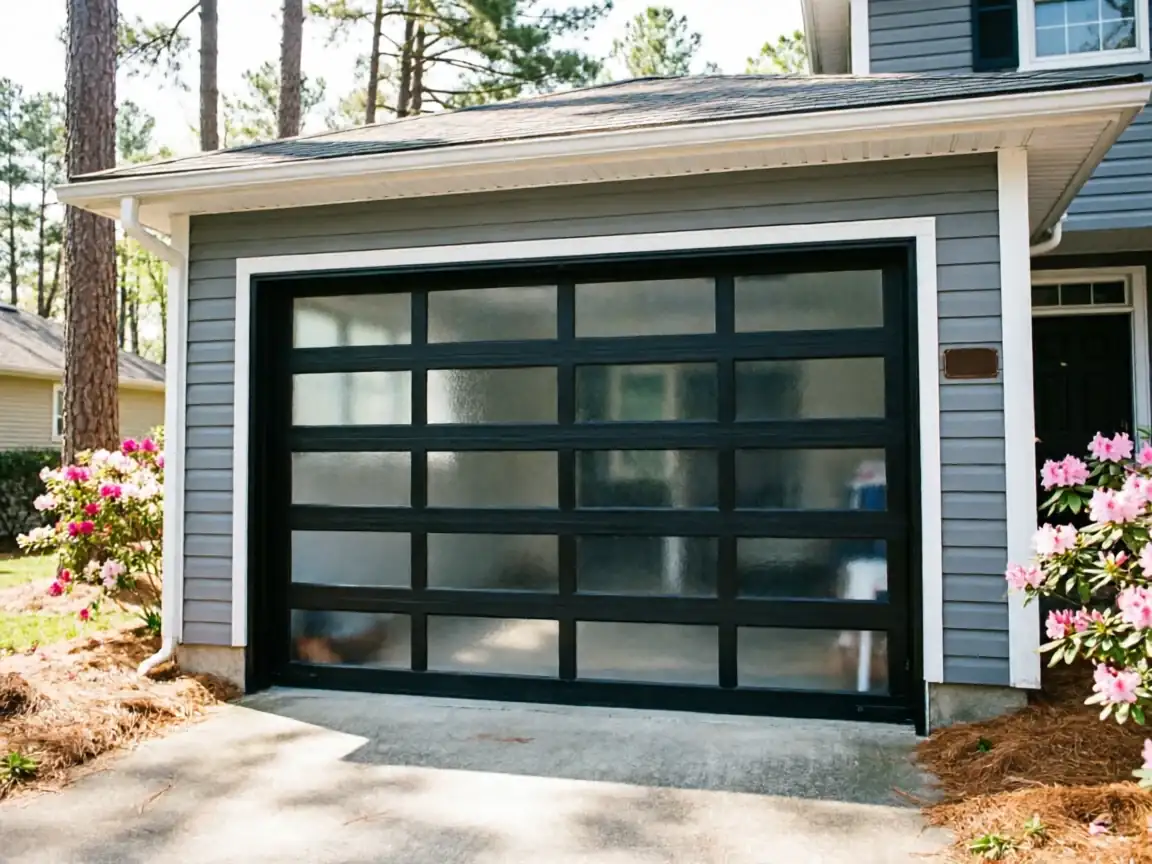
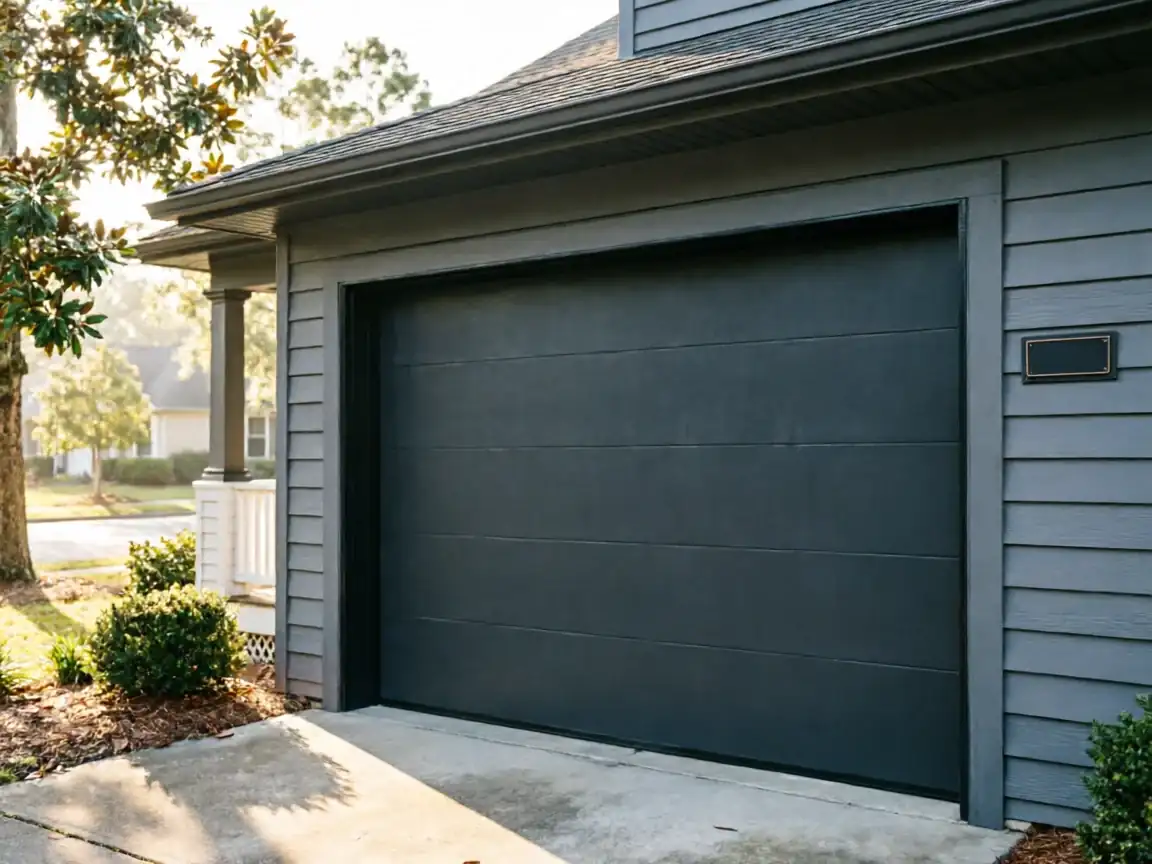
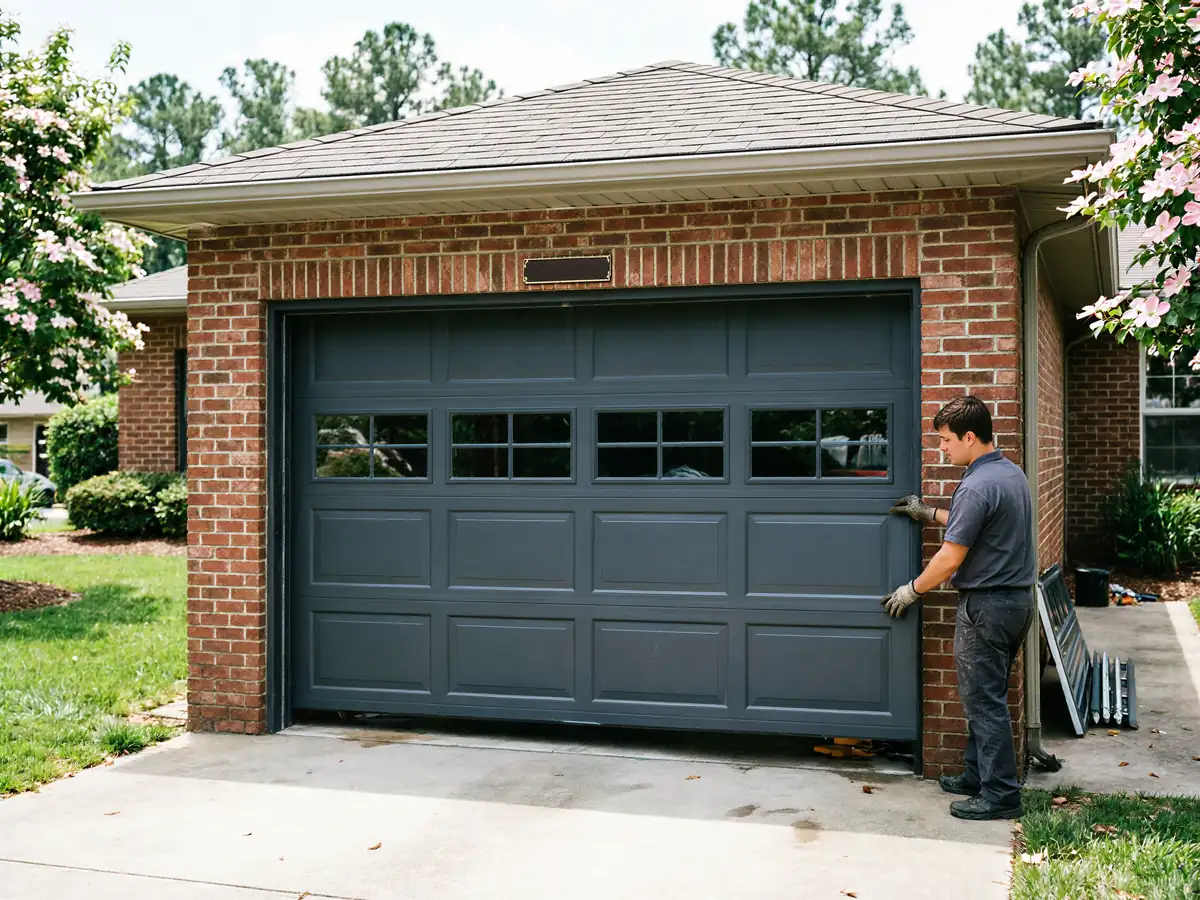
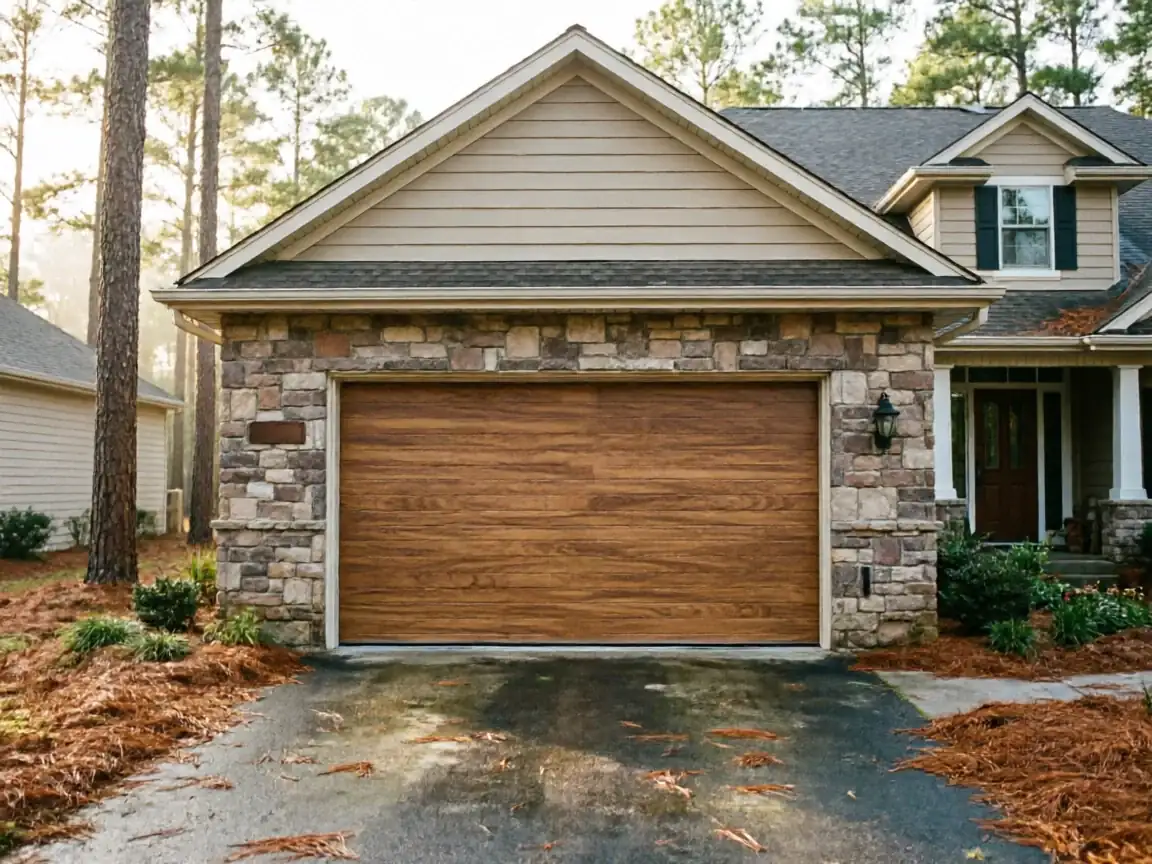
Medina's housing stock skews newer than most of the towns we cover out of Jackson. A lot of what's standing here went up after 2004, which puts these garages well past the older 1960s-70s builds that make up most of the wider service area. That matters for what breaks and why. Newer construction means wider two-car openings became standard, built for steel sectional doors on factory-matched torsion springs rather than the narrow single-door bays and mismatched hardware you find in older stock. The failures we see in Medina tend to be wear-driven, not hardware-driven: rollers that have logged a couple decades of daily cycles, cables starting to fray at the drum, openers reaching the end of their circuit board life. Tennessee's cold-moderate swings still put stress on steel panels and seals over time, but you're not dealing with the original one-piece doors or obsolete side-mount tracks that show up on the 1960s side of our coverage. It's a cleaner repair picture overall - newer parts, standard sizing, fewer surprises when we pull a panel off to look at what's underneath.
Parts We Carry
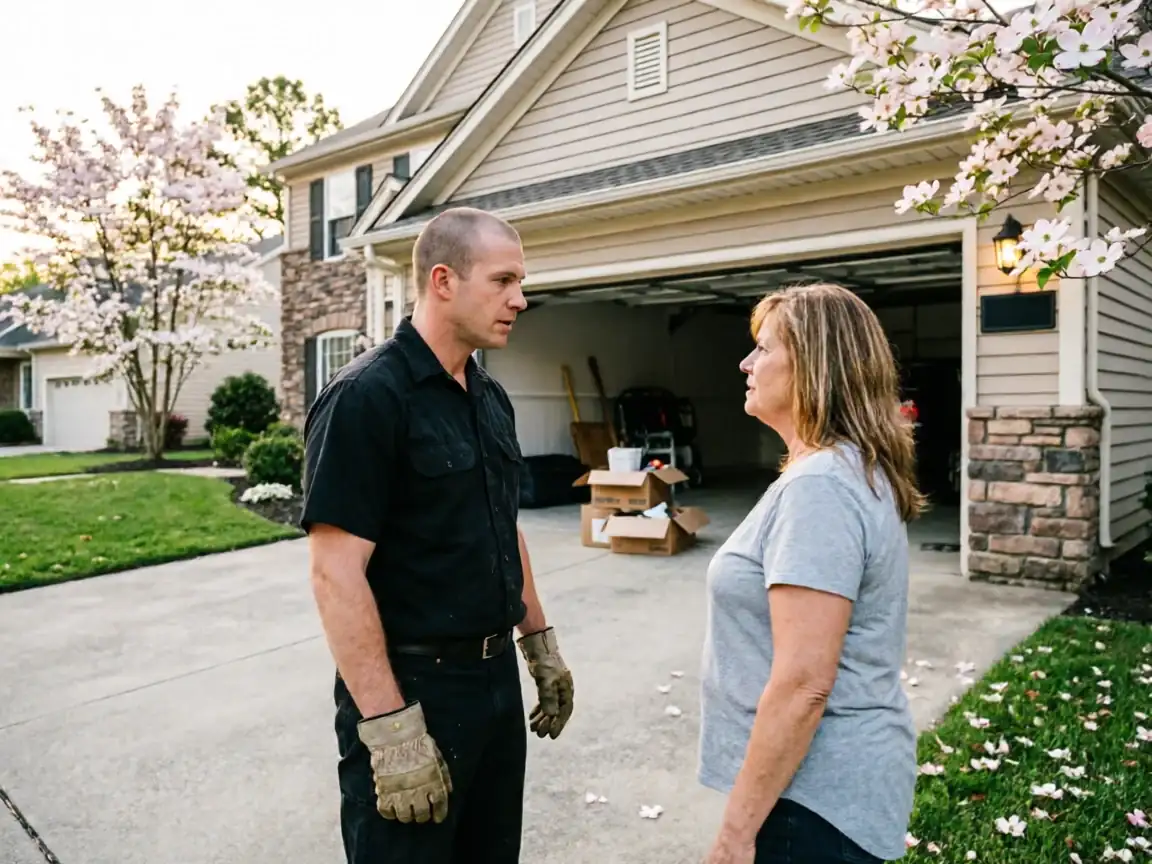
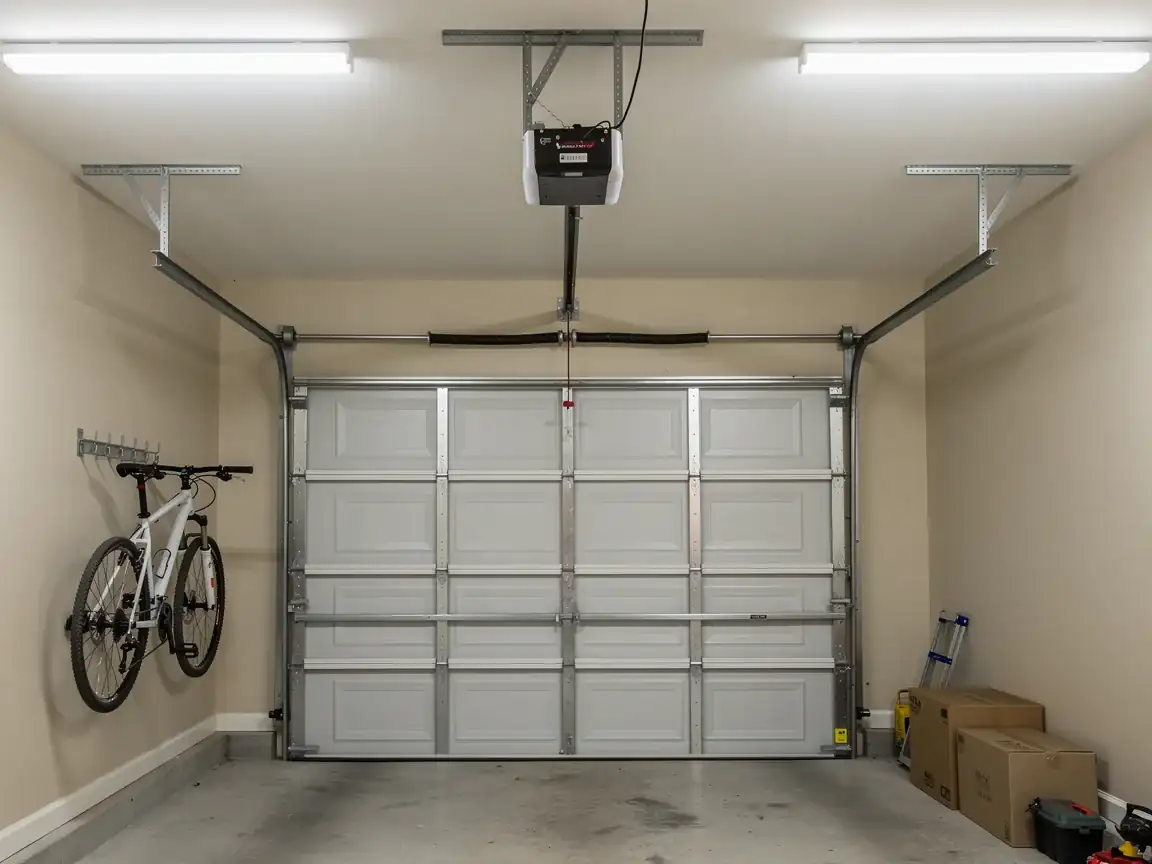
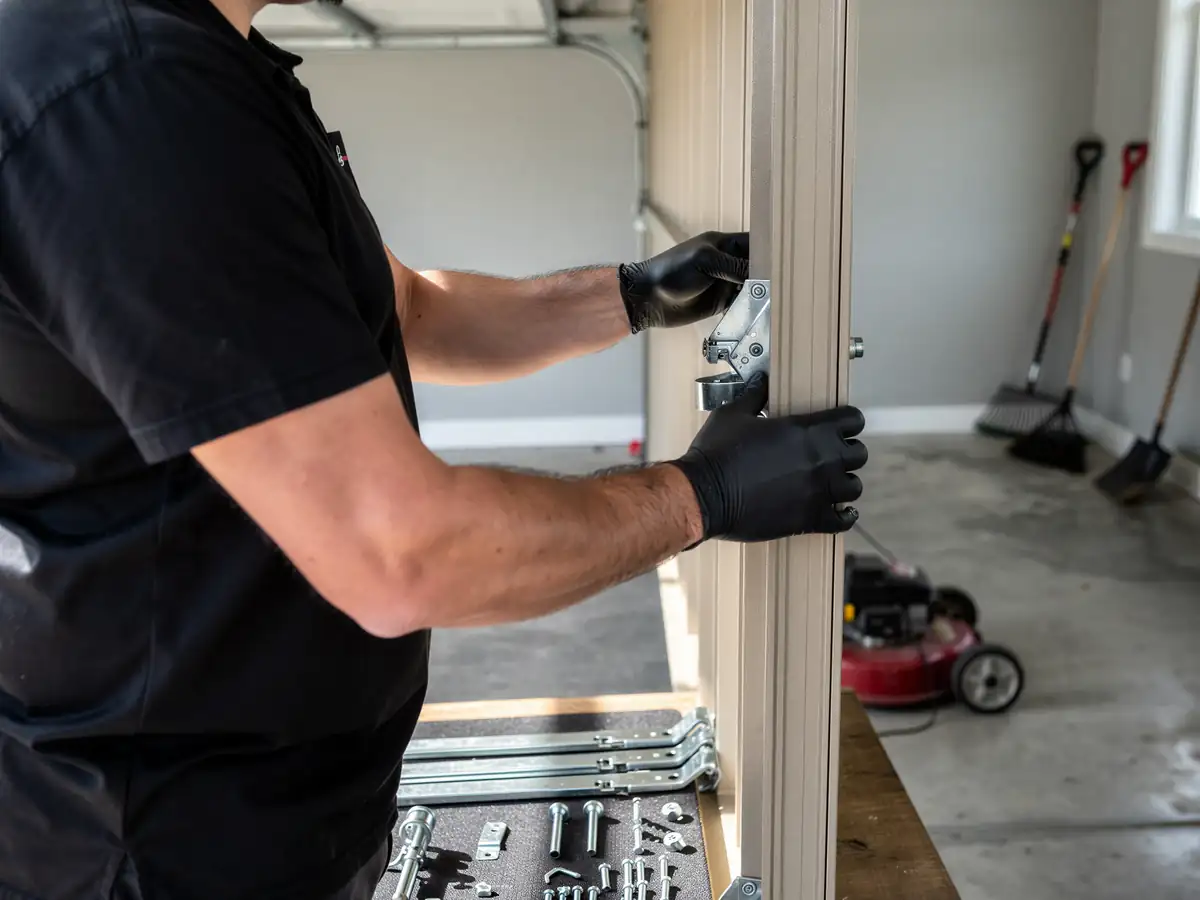
Because Medina's doors mostly fall into the post-2004 build era, the openings run wider and the torsion spring setups are more standardized than what we carry for older neighborhoods on our route. We stock steel sectional panels sized for the common double-wide openings, torsion springs matched to factory wind counts, and nylon or steel rollers built for daily-use double doors. Openers here are usually modern enough to take a straightforward board or sensor swap rather than a full unit replacement. One honest limit: if a Medina door uses a less common panel width or a specialty insulated model from a custom builder, that part isn't something we keep on the truck, and we'll need a day or two to get it in from a supplier rather than finish the job same-visit. We'd rather tell you that up front than have you wait at the curb wondering why the truck left without finishing.
The Symptom
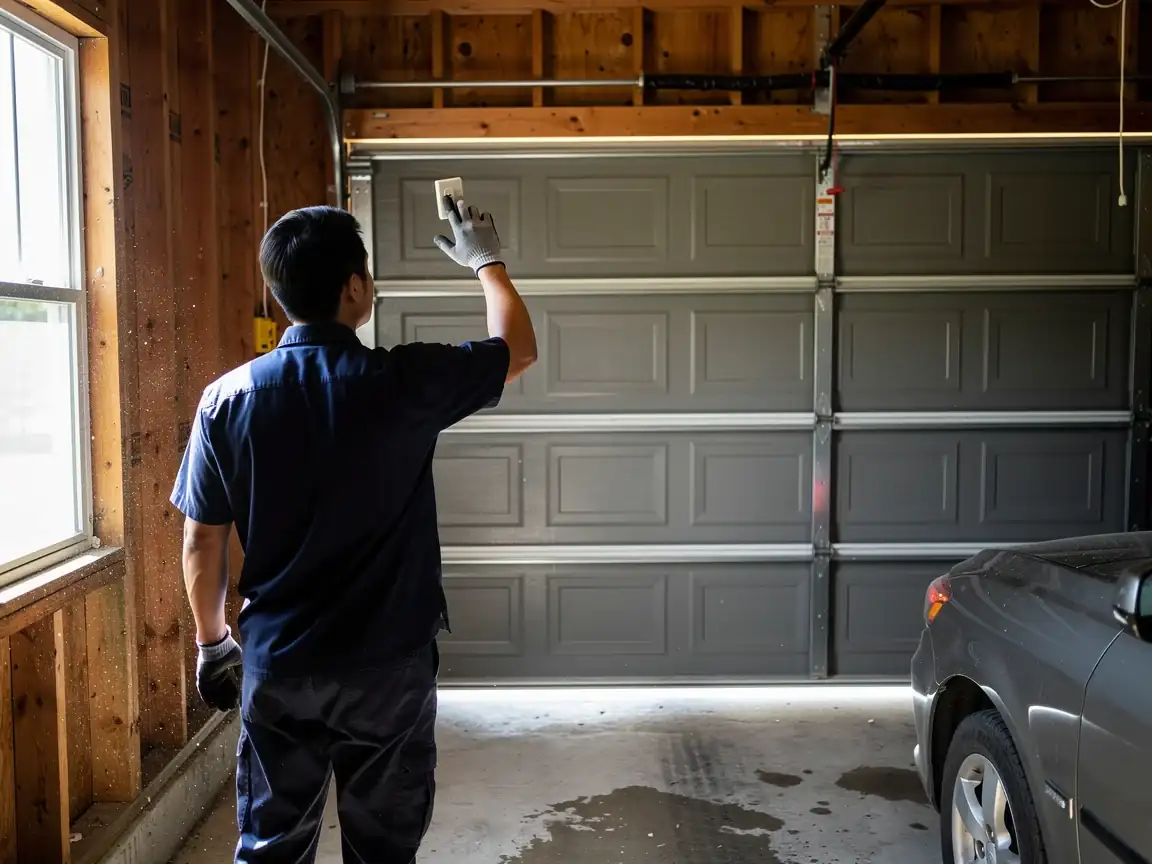
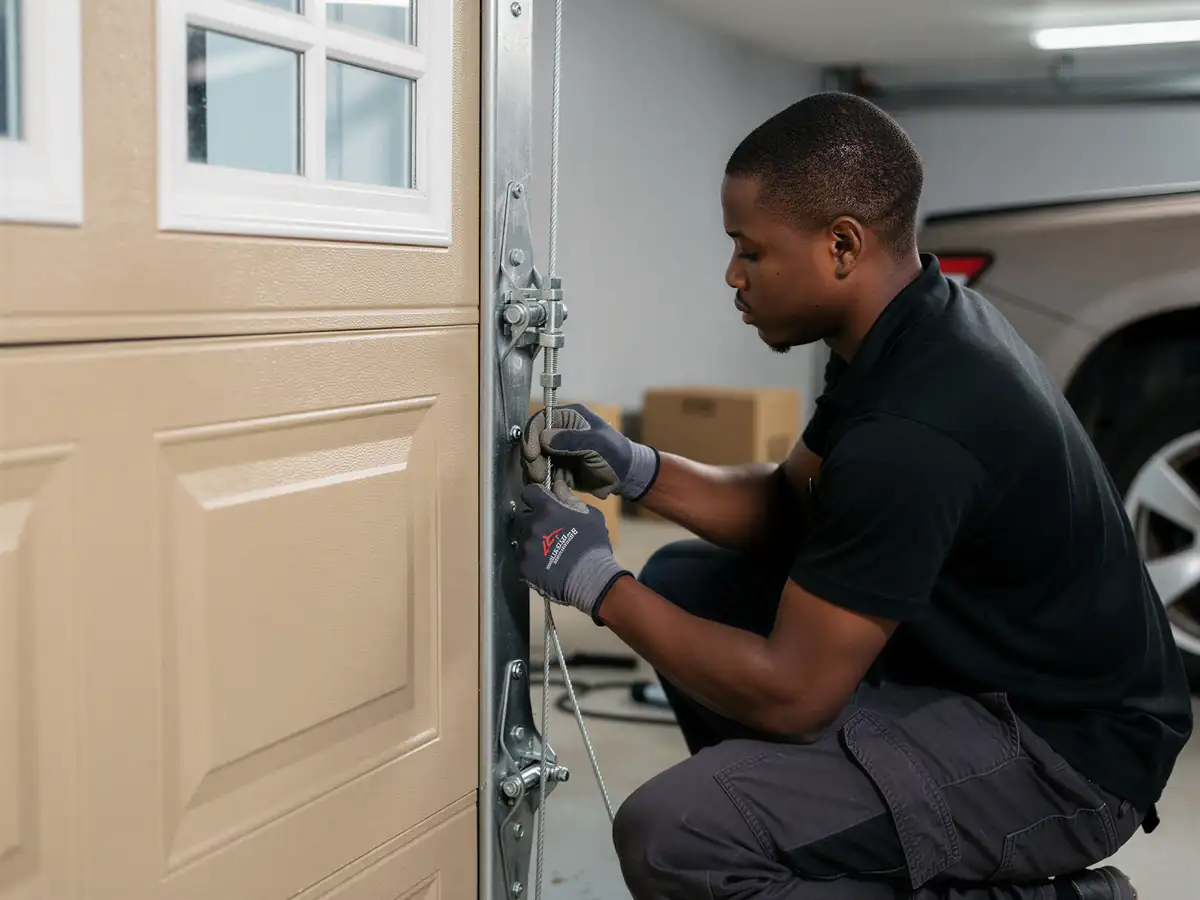
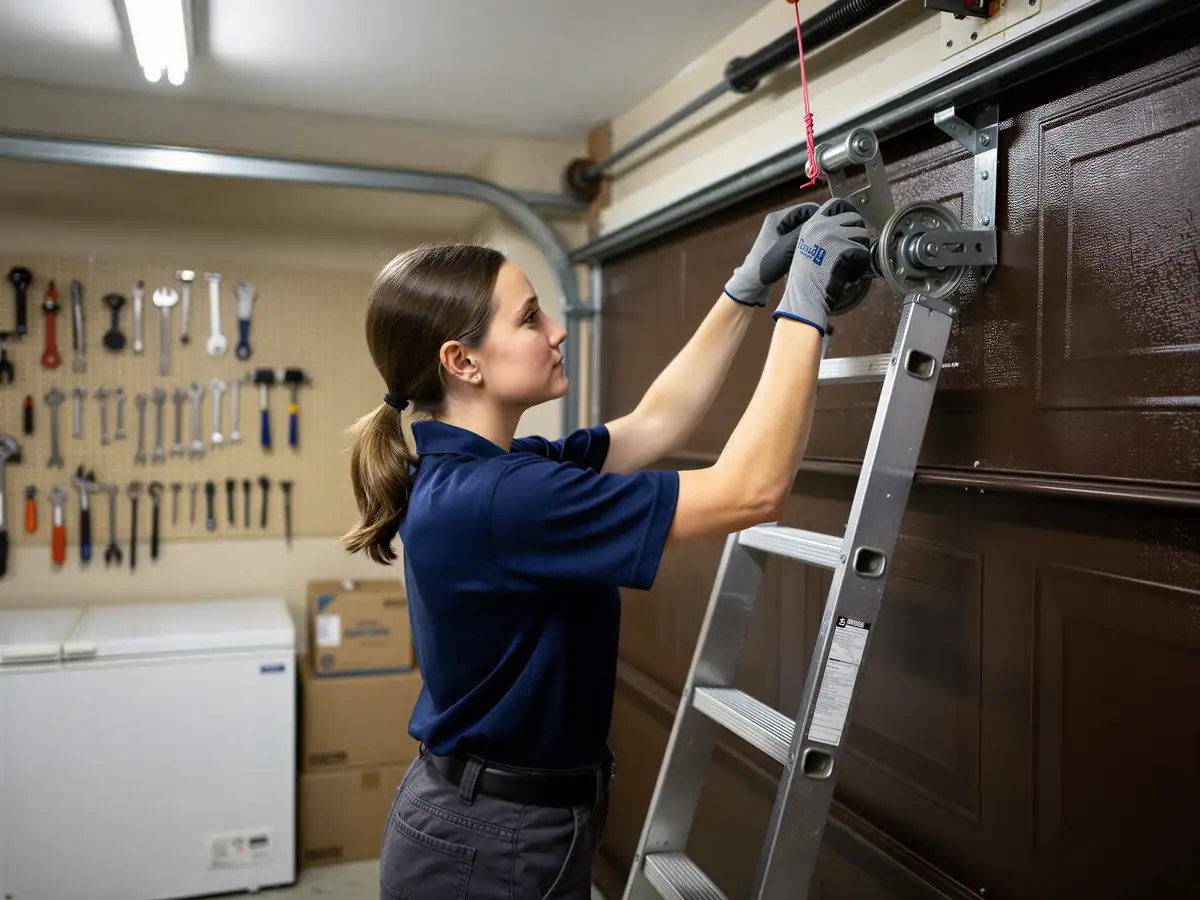
In Medina, the call we get most isn't a door that won't move at all - it's one that's noisy or uneven. A double-wide steel sectional on a newer torsion setup tends to announce wear before it fails outright: a grinding roller, a door that jerks on one side as it rises, a bang when the spring finally lets go on a door that's been cycling smoothly for years. Because most of these homes are newer builds, total hardware failure is less common here than in the older parts of the service area - what we're usually chasing is a single worn component rather than a cascade of outdated parts all failing at once. If your door is dropping fast on one side or making a loud pop followed by it refusing to open, that's almost always a spring, and it's not something to force through with the opener.
Can You Do This Yourself
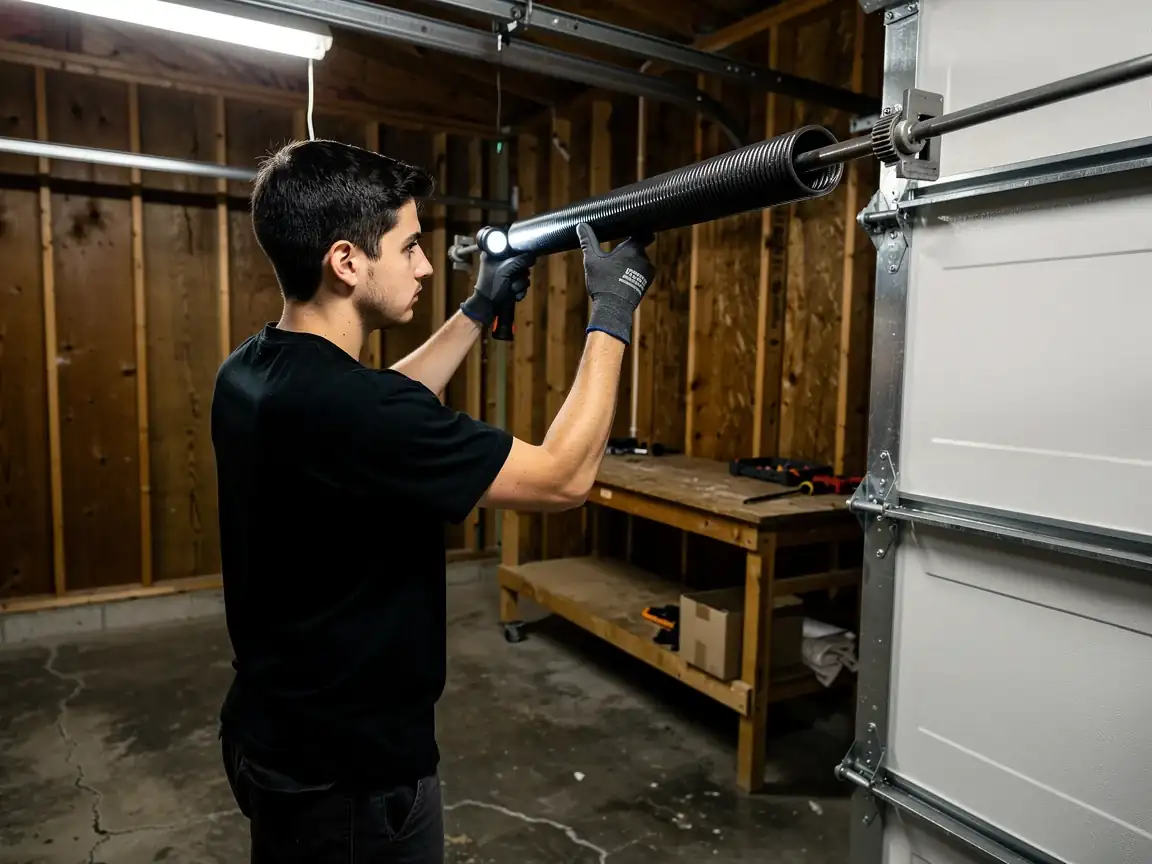
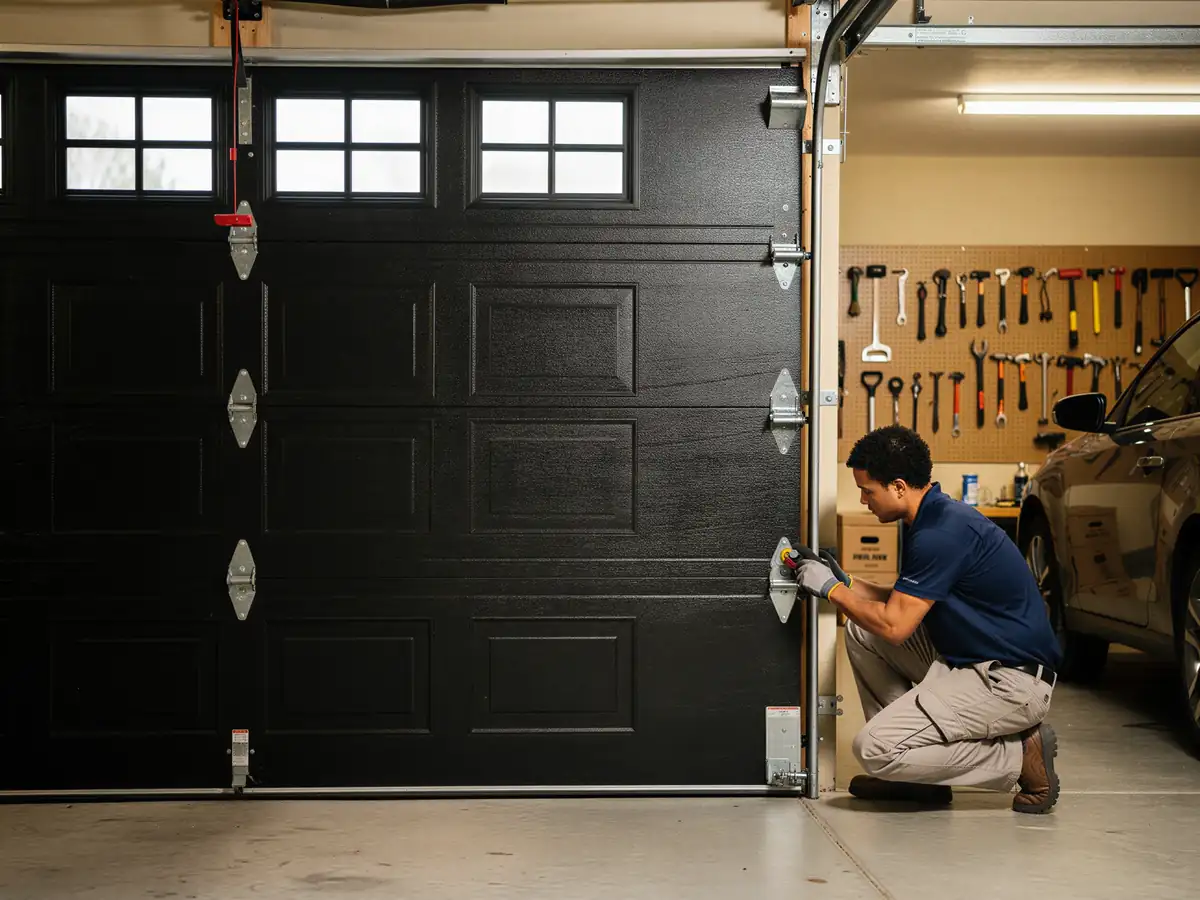
Rollers and weatherstripping on a newer steel door are reasonable DIY territory if you're comfortable on a ladder and willing to match the part size correctly. Torsion springs are not - the ones sized for Medina's wider double doors hold enough stored tension to cause a serious injury if the winding bars slip, and getting the wind count wrong on a factory-matched spring just means doing the job twice. If the opener itself is misbehaving - not responding to the remote, reversing on its own - that's worth a call before you start swapping boards, since newer units often have a specific fault code that tells us exactly what failed instead of guessing.