What Causes It Around Here
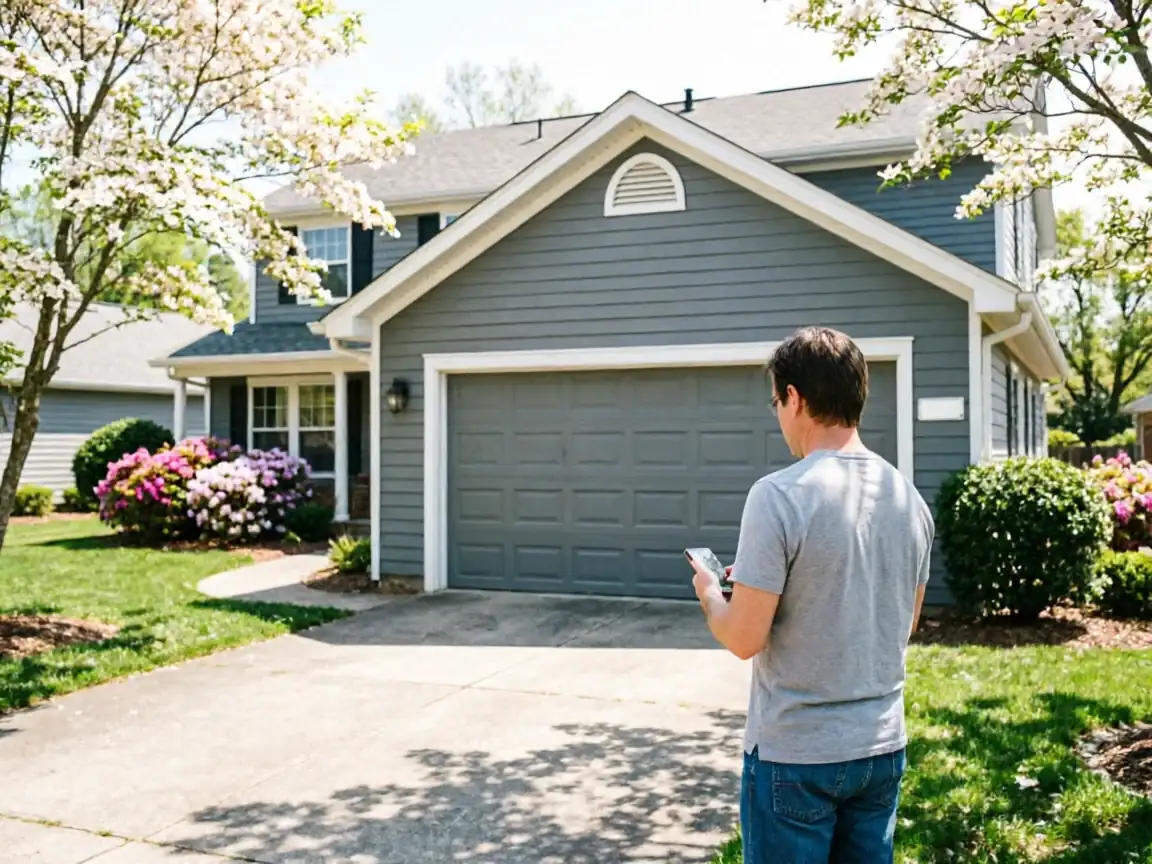
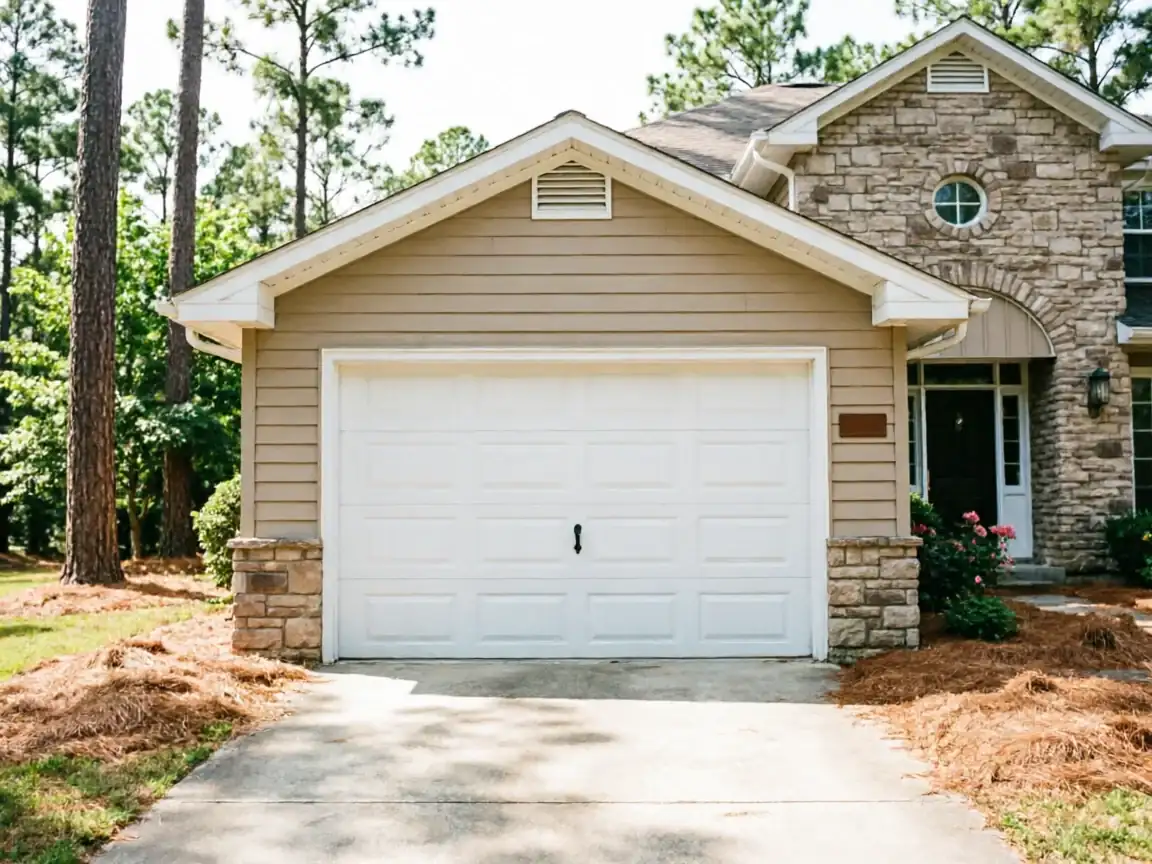
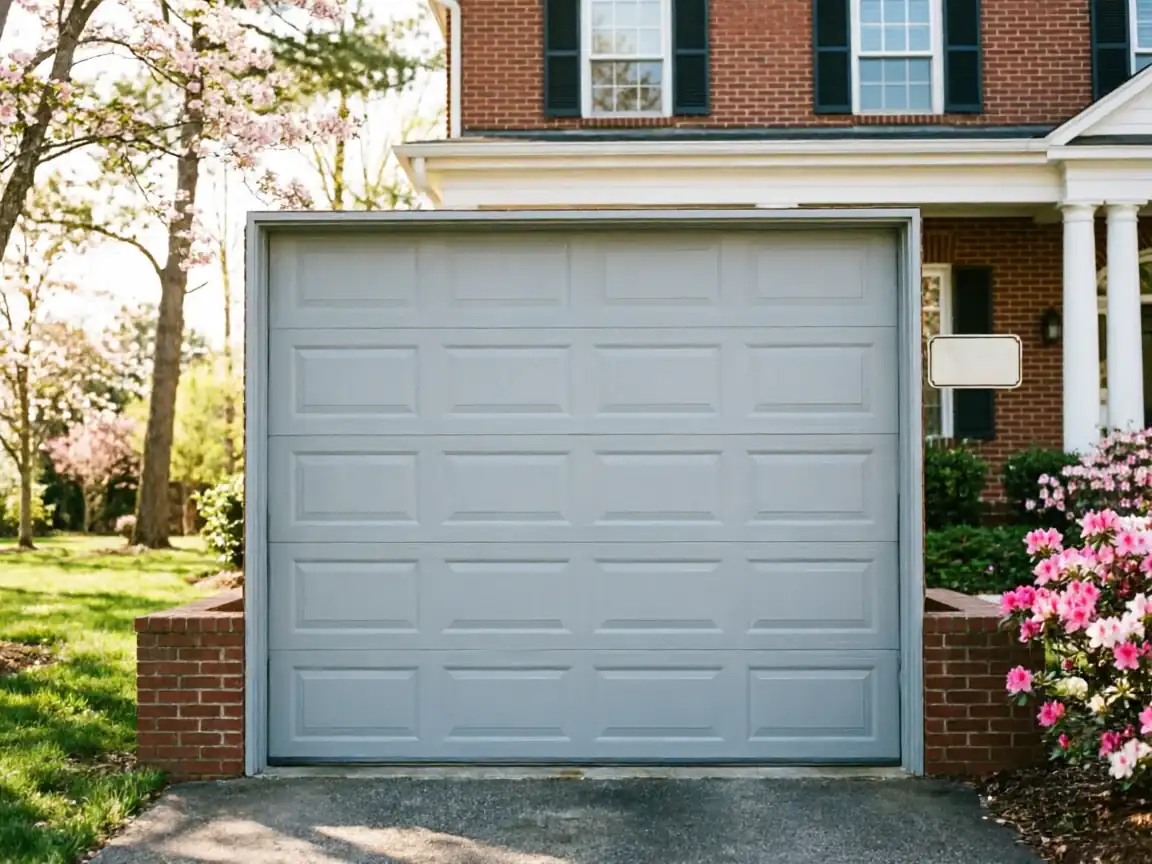
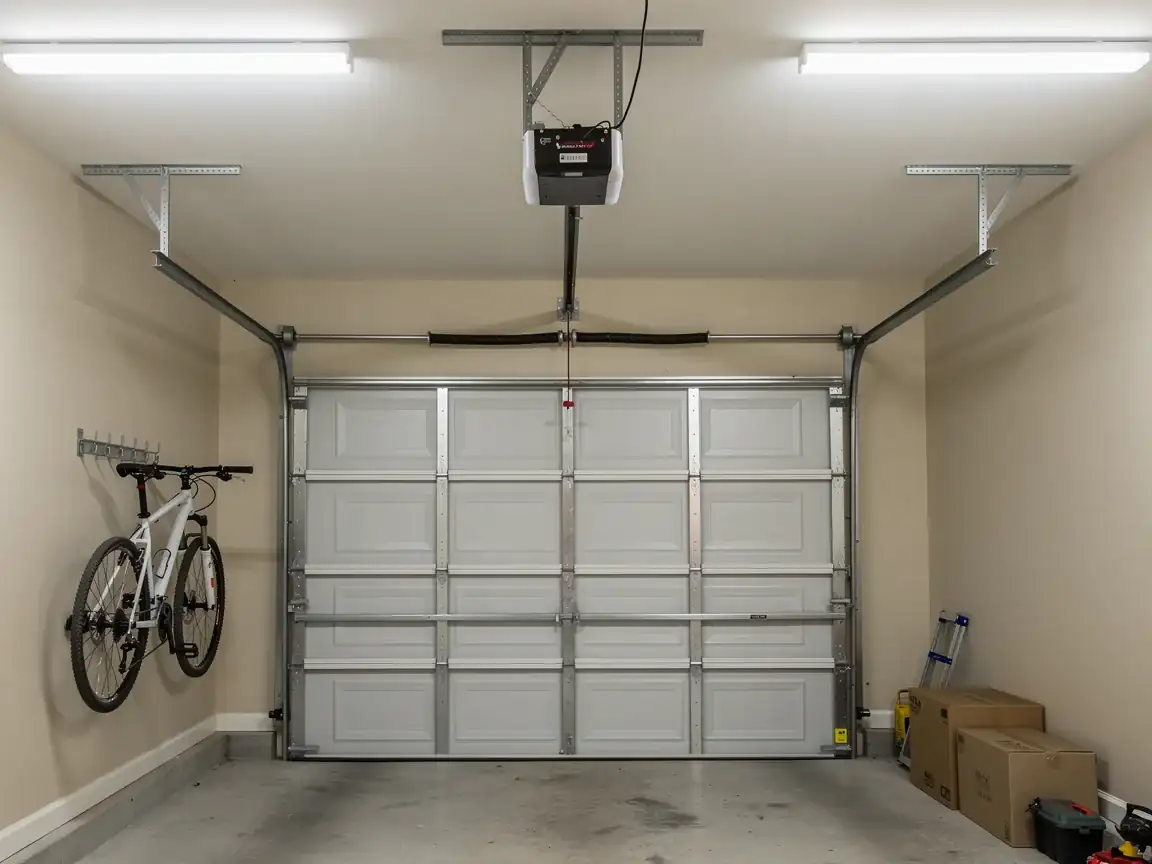
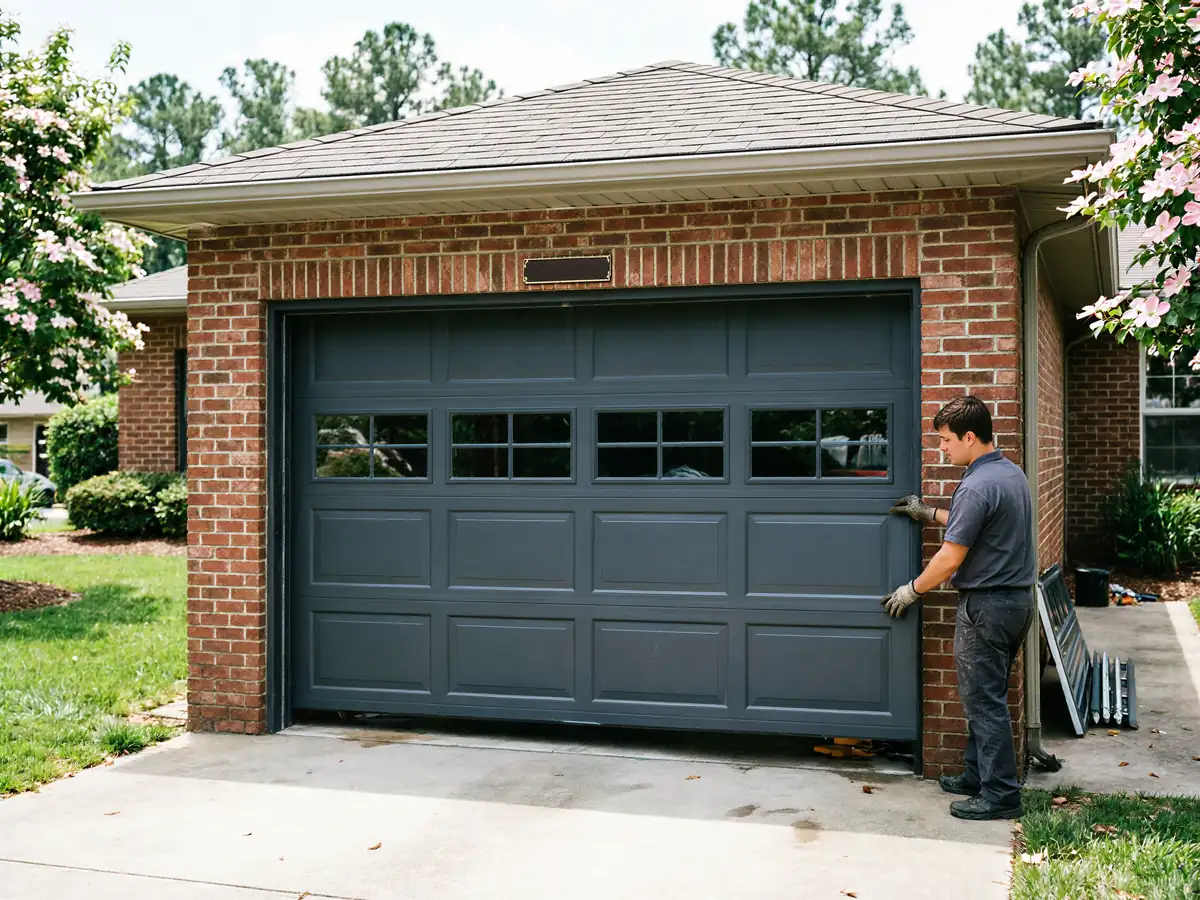
Most of Medina's houses went up after the year 2000, which puts this town well ahead of the older 1960s-70s stock you see closer in toward Jackson. That build era matters more than people think when it comes to garage doors. Builders putting up two-car garages after 2000 were already framing for wider, taller openings - usually 16 feet for a double door - and running torsion spring systems overhead instead of the side-mounted extension springs common on older single-bay garages. So when a Medina homeowner calls about a new install, we're rarely retrofitting an odd-sized opening. We're replacing a door that was sized right to begin with, which simplifies the job. The failure that actually brings people to a new-install call here isn't usually a mis-sized frame - it's a door, usually the original one from when the house was built, that's reached the end of its hardware life: a torsion spring that's cycled out, rollers that have worn their track grooves wide, or a panel that's taken a hit and won't seal evenly anymore. Given a median income in Medina near $93,964, close to double the $54,132 median for the wider Jackson service area, we also see more homeowners opting to replace rather than patch - choosing an insulated steel door with a warranty they'll actually keep the house long enough to use.
Parts We Carry
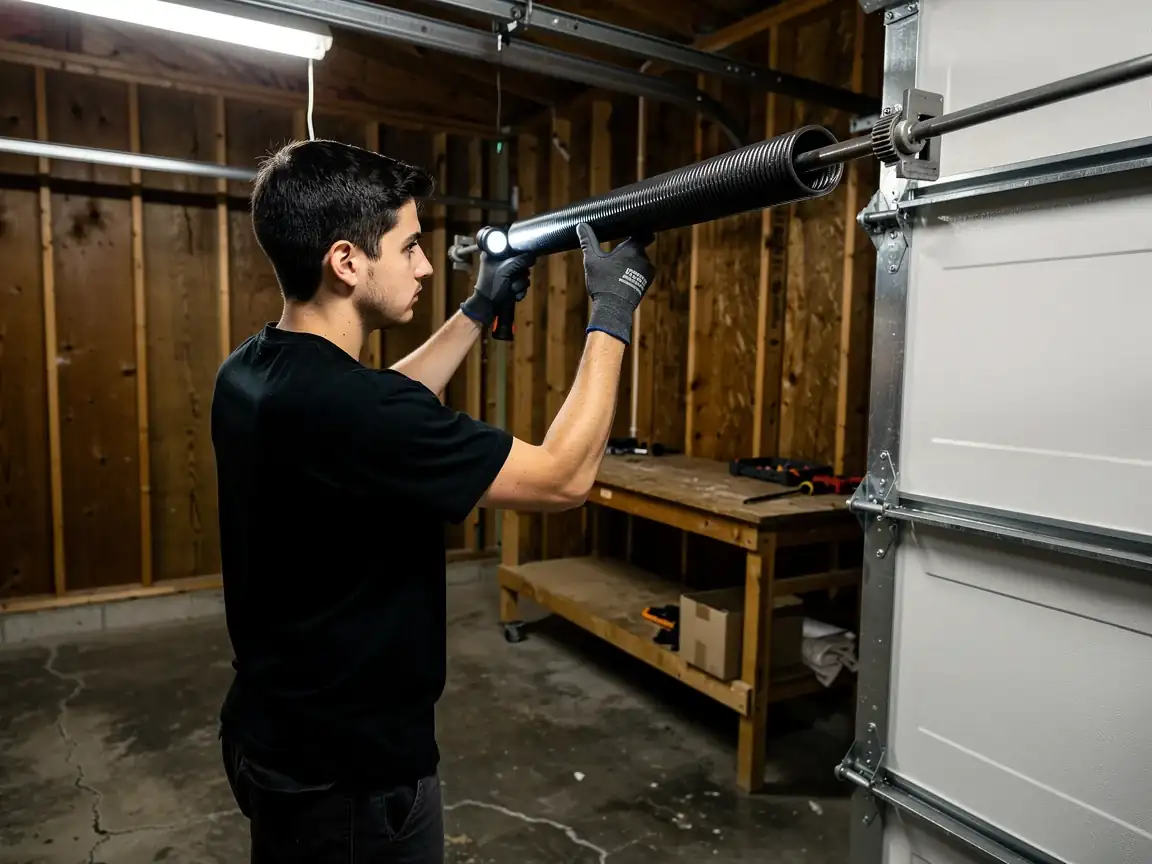
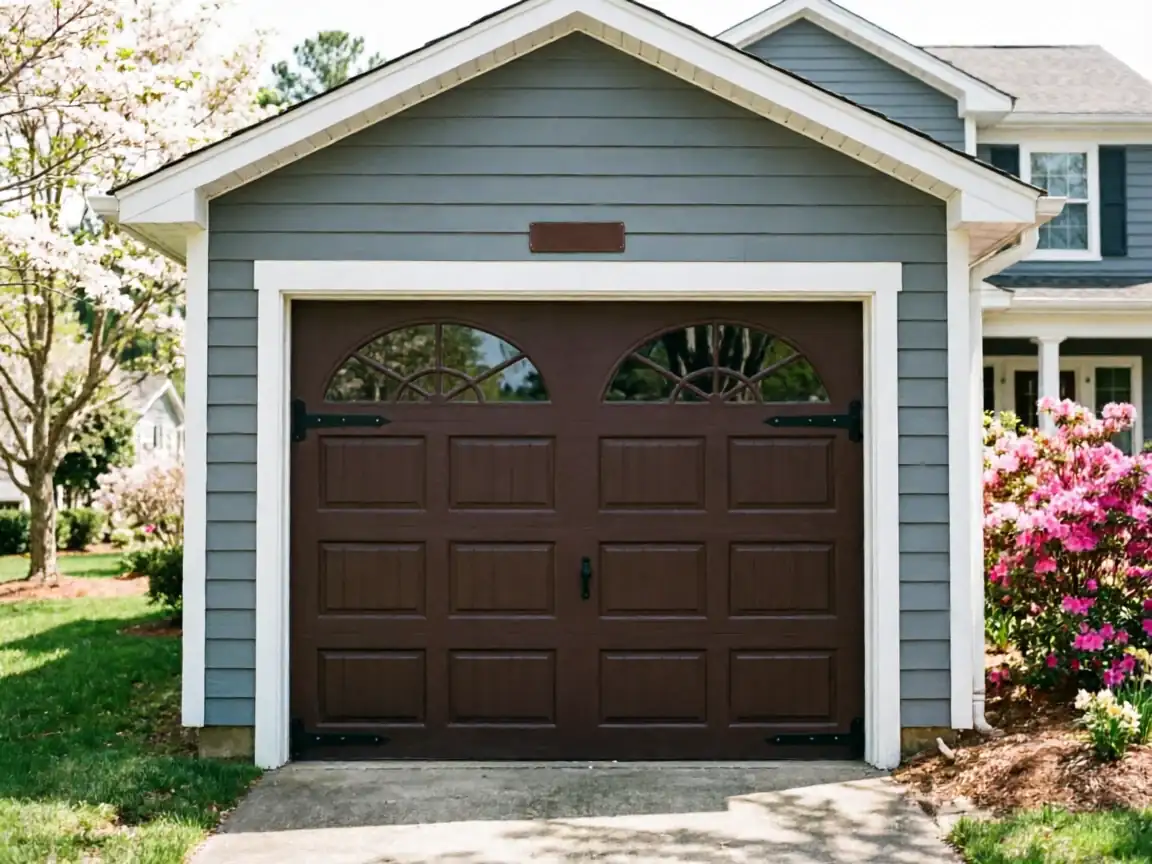
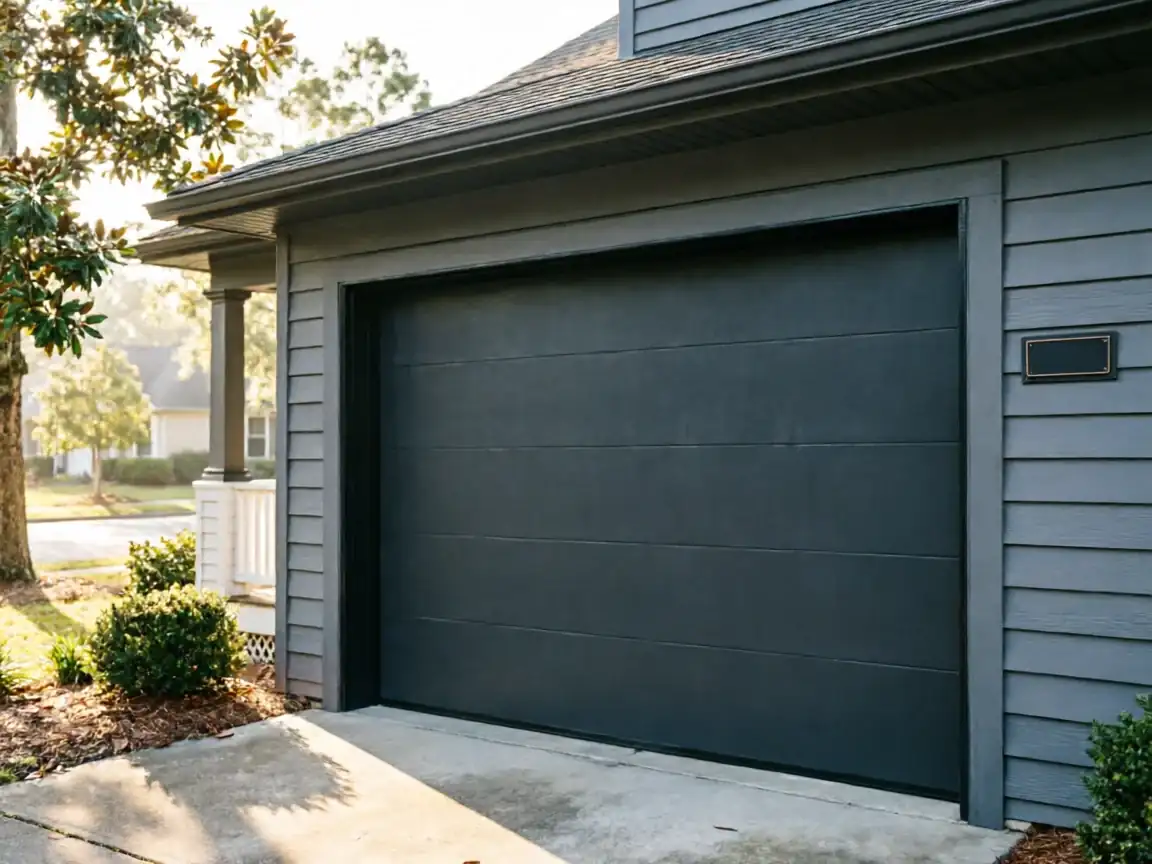
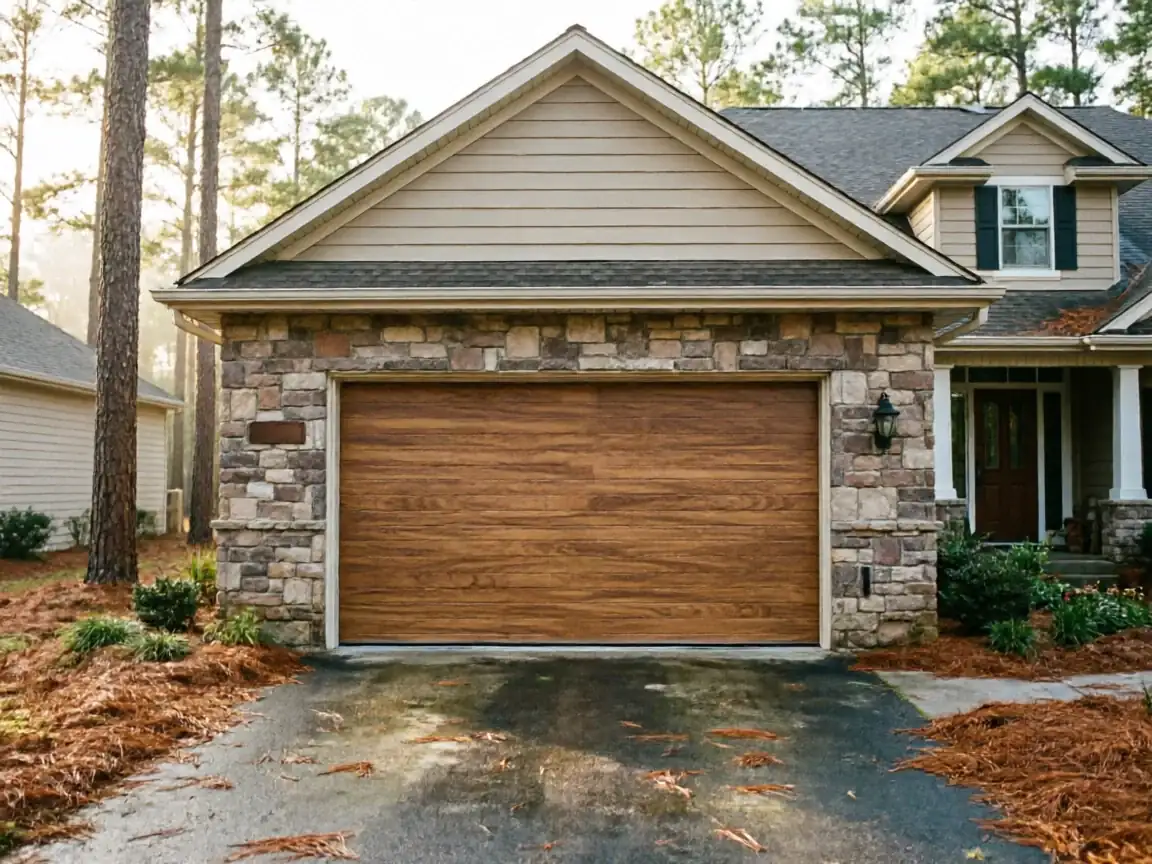
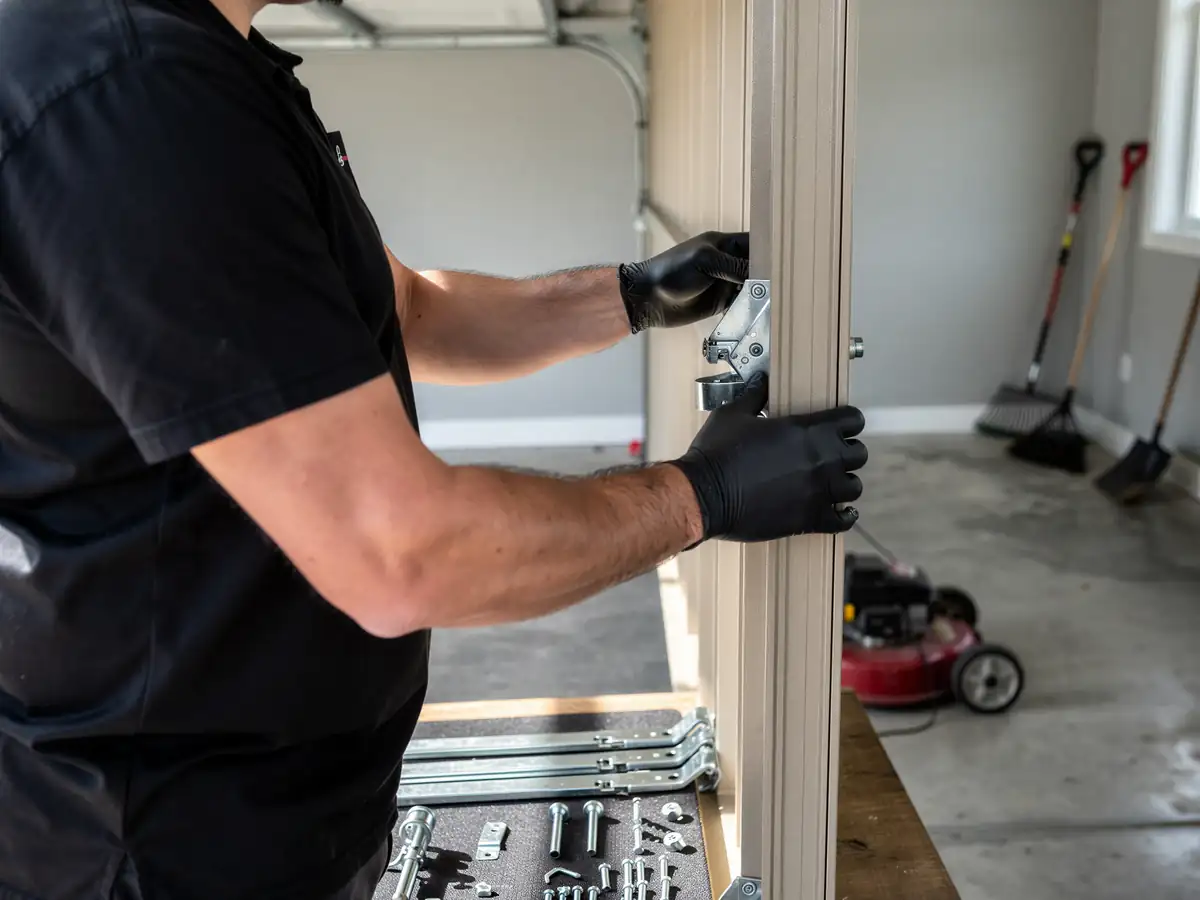
For a Medina install we're working with standard modern sizing - 16-foot double doors and 8 or 9-foot single doors - paired with torsion spring systems rated for the door's actual weight, not a universal spring pulled off a shelf. We stock steel sectional doors in a few insulation grades, from a basic single-layer panel to a double-layer steel-and-polystyrene door that holds heat better through a cold winter. Given this is a cold moderate climate zone, we lean toward recommending the insulated option more often here than we would in a milder part of the state, especially for garages that share a wall with living space. What we don't stock on the truck: custom wood doors, carriage-style doors with ornamental hardware, or anything requiring a special order from the manufacturer. Those are real options, but they're a lead-time item we order in once a homeowner picks a style, not something we show up with same-day.
The Symptom
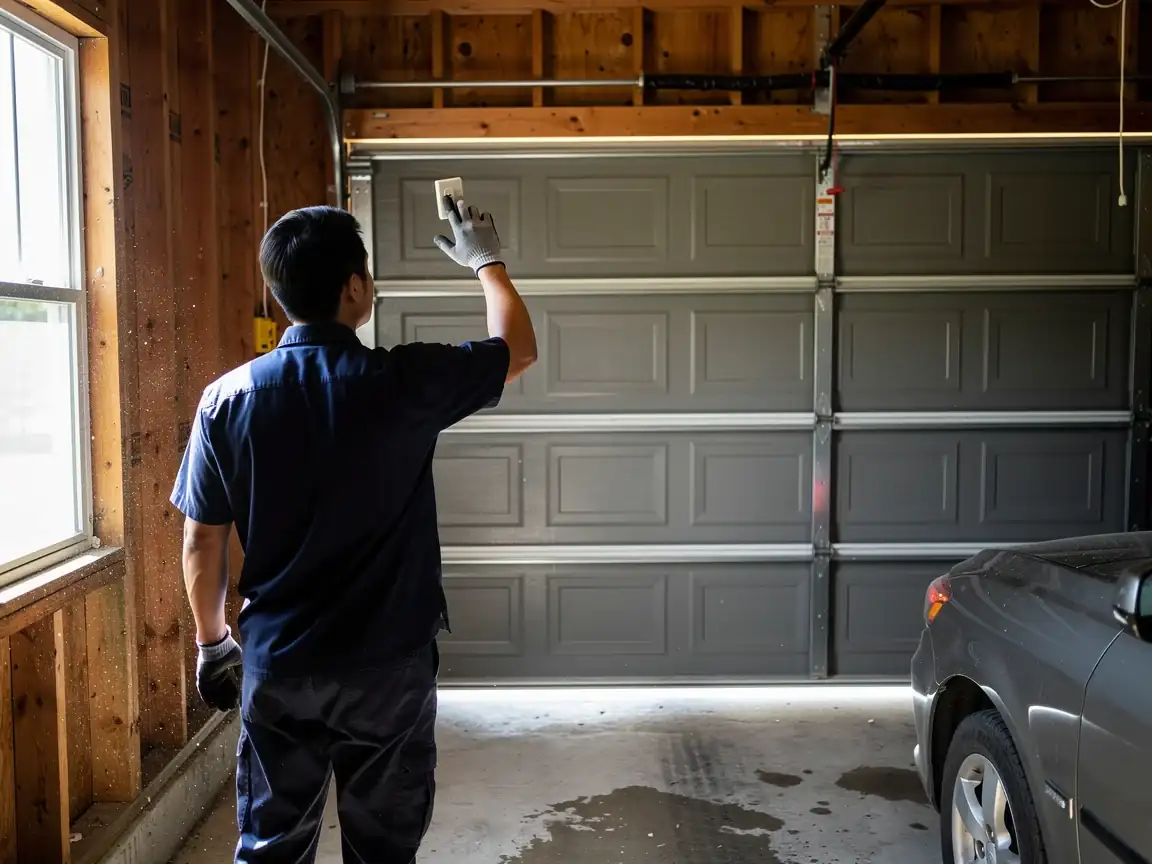
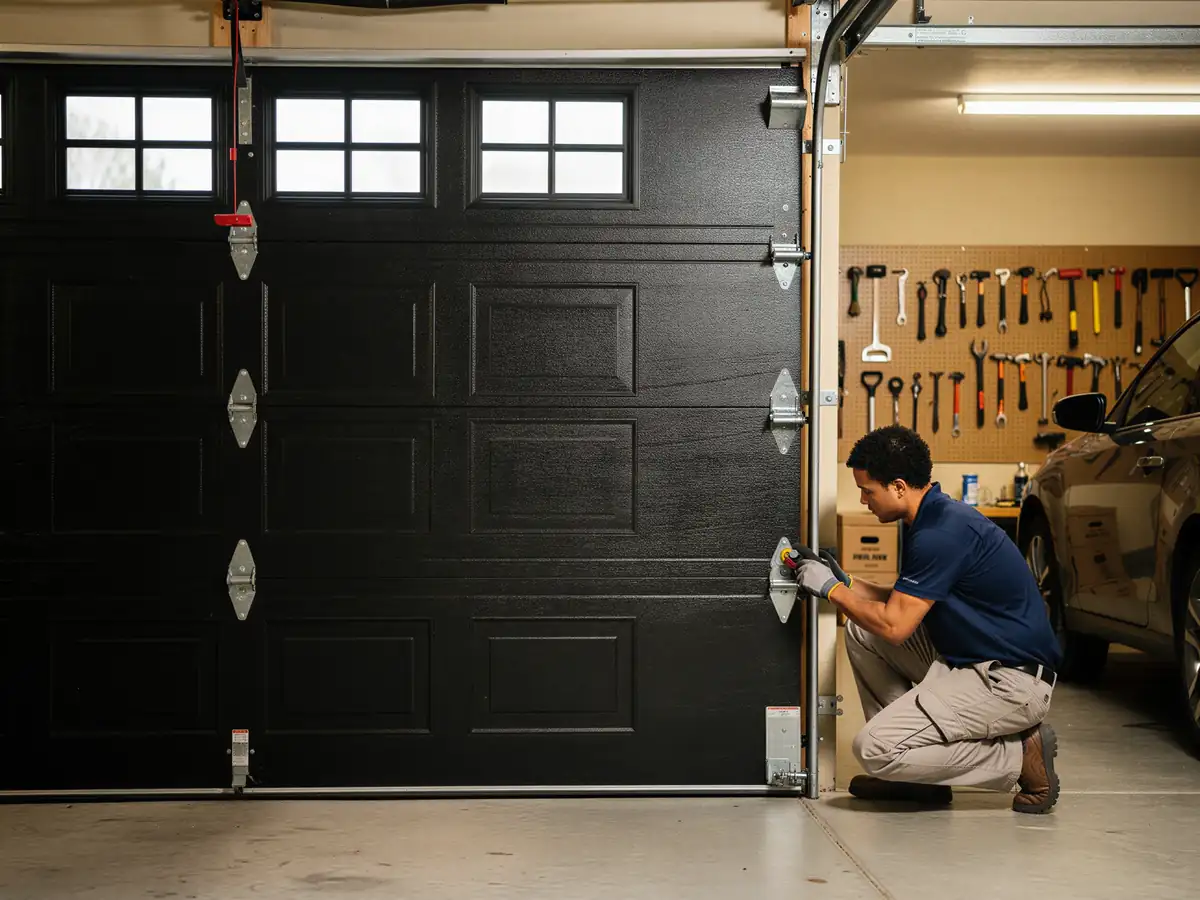
The call we actually get from Medina homeowners is rarely "my garage door won't open." It's closer to "the door's original to the house and it's starting to sag on one side" or "the spring just let go and we want to replace the whole thing instead of patching it again." Because most of these houses are only two to five decades old at most, you're not dealing with the rust-through panels or badly out-of-square frames you'd find on a much older door. You're dealing with a door that did its job for years and has simply worn out its moving parts - springs, rollers, cables - to the point where replacing the whole unit makes more sense than piecing it back together. If your door is binding on the track, making a grinding noise on the way up, or won't stay level when it opens, that's usually the sign it's time to talk replacement instead of another round of patch repair.
Can You Do This Yourself
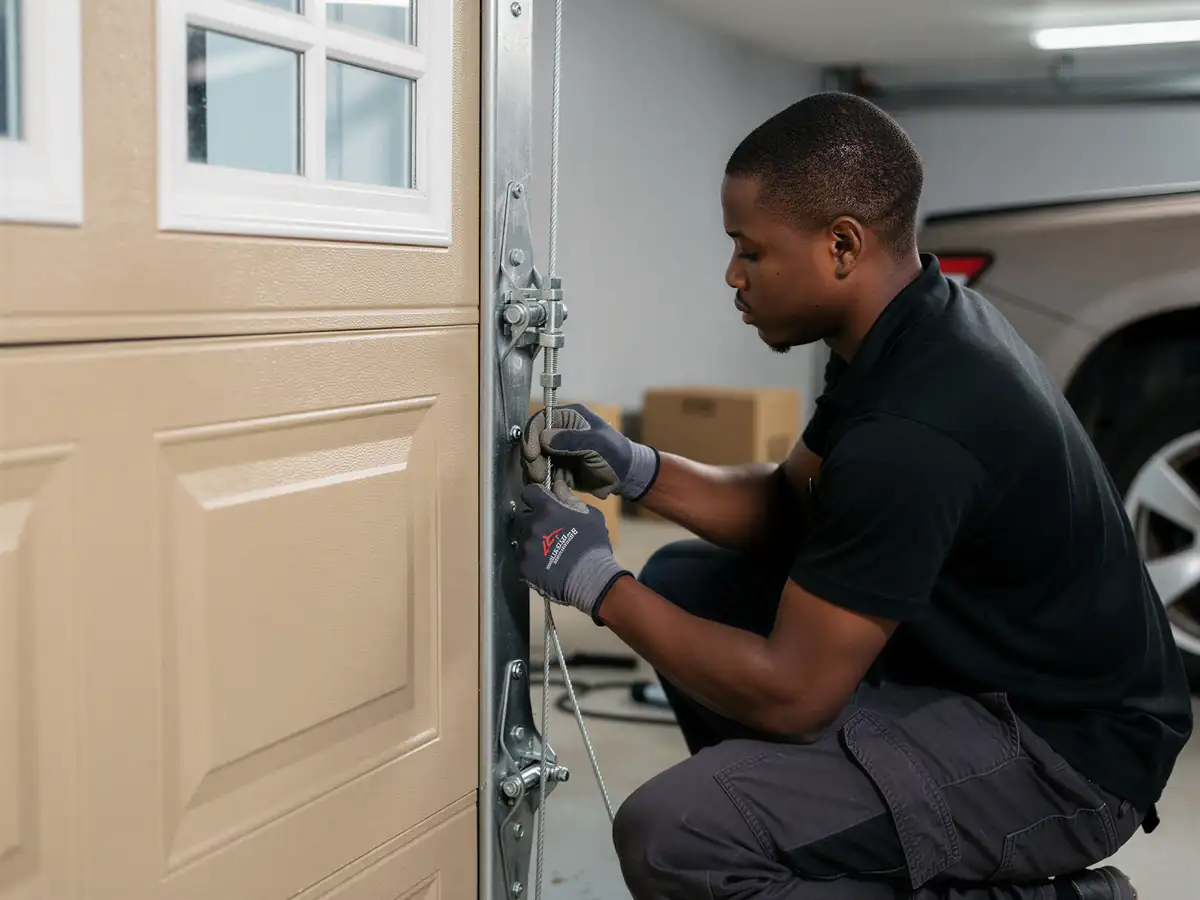
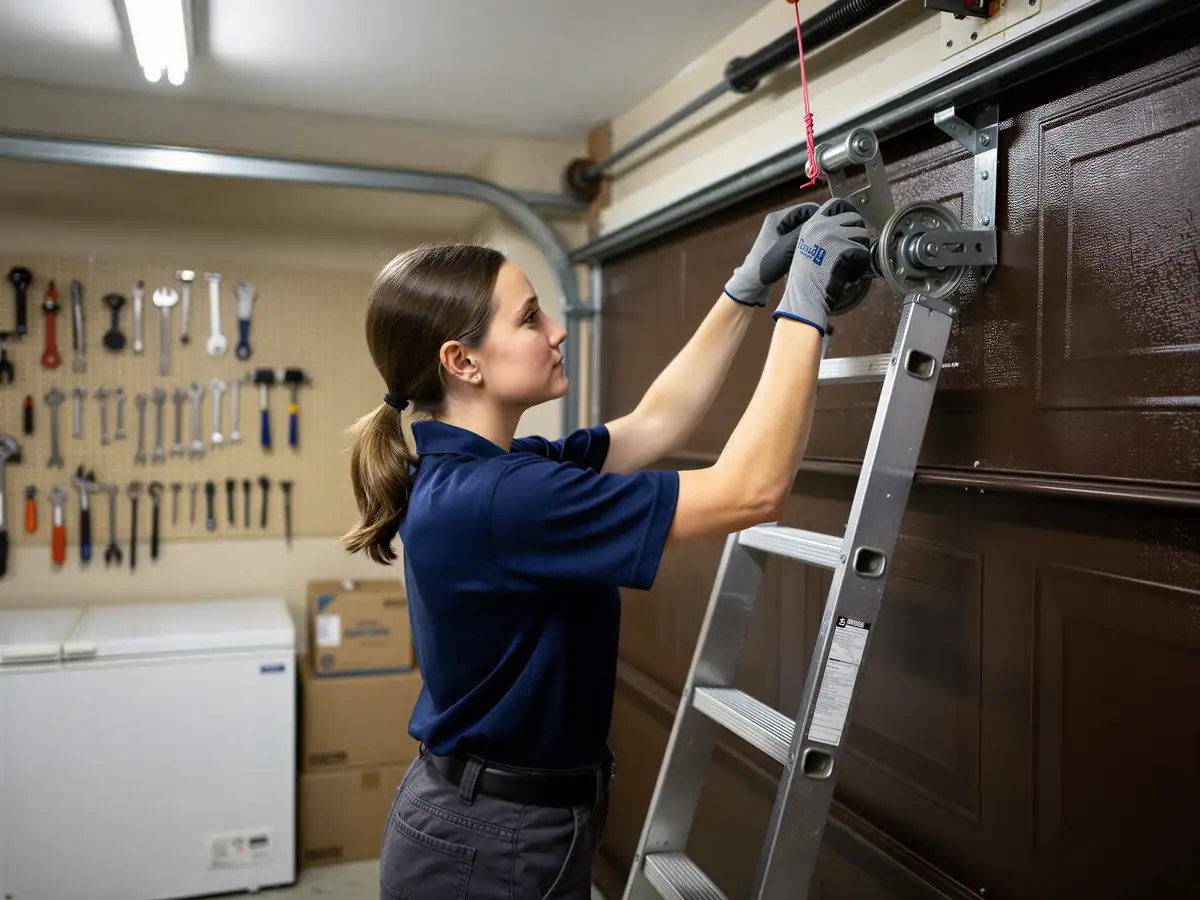
Swapping a full garage door, torsion springs included, isn't a safe solo weekend project - a wound torsion spring under tension can do real damage if you don't have the bars and the experience to handle it. That's true no matter where you live. What is worth doing yourself first: check whether your current door is actually worn out or just needs a lubricated roller and a tightened bracket, since a newer Medina door built post-2000 often just needs minor hardware attention rather than a full replacement. If the panels are dented, the spring's broken, or the door's pulling away from the track, that's past the point of a DIY fix and into install territory. We'll give you a straight answer on which one you're looking at before we quote anything.