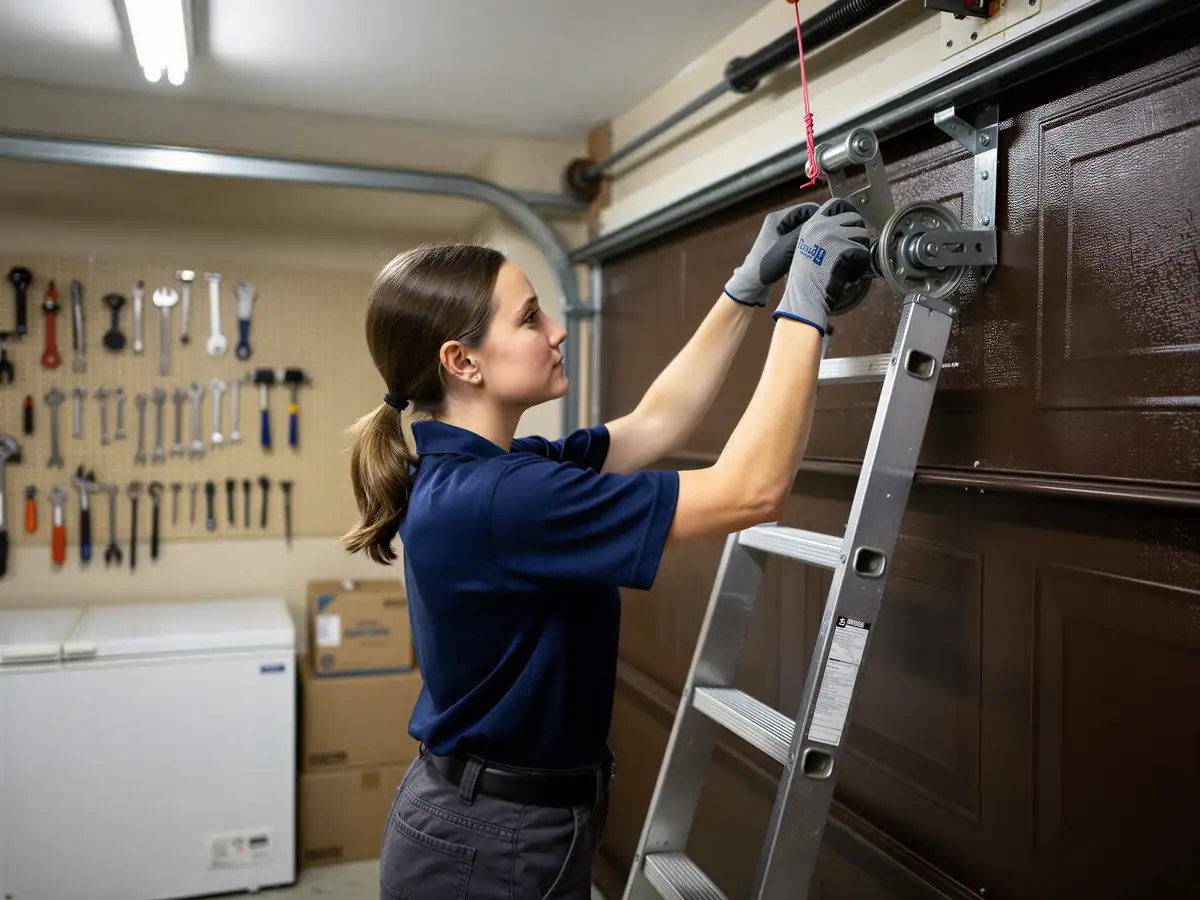
Can You Do This Yourself
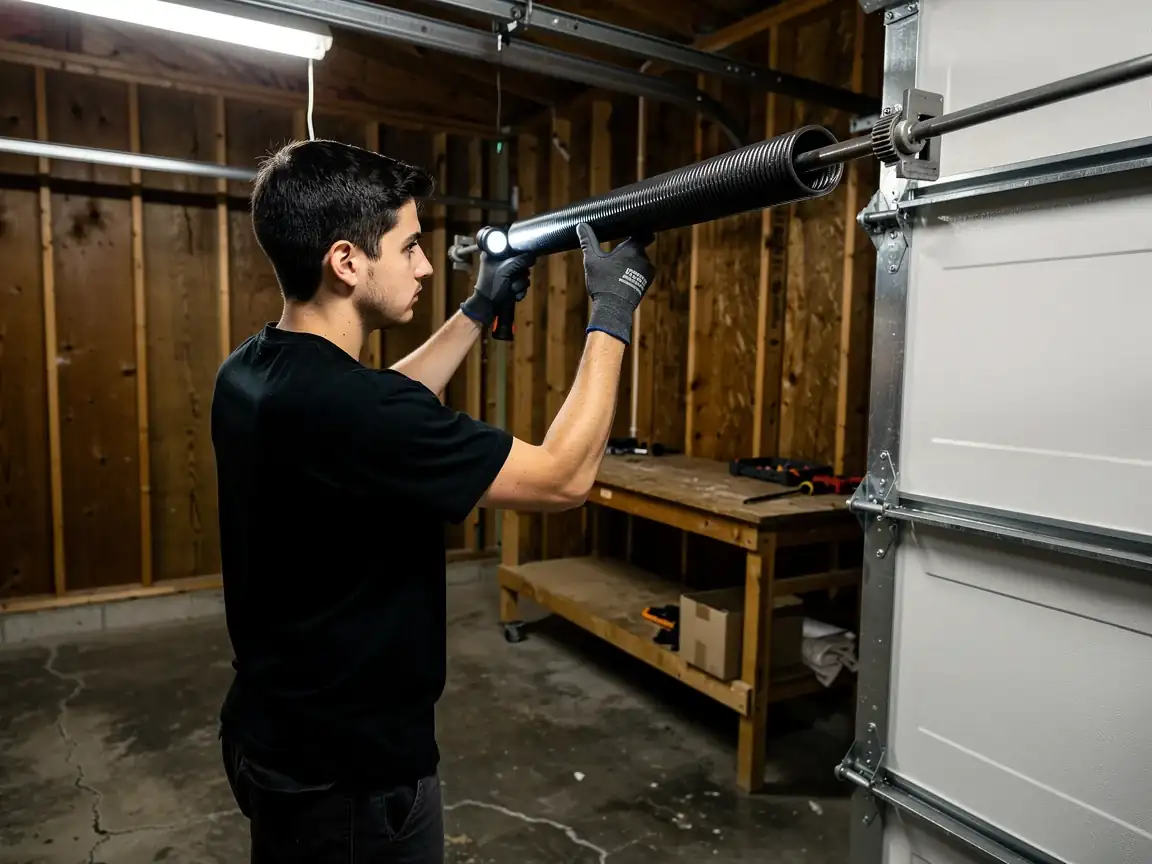
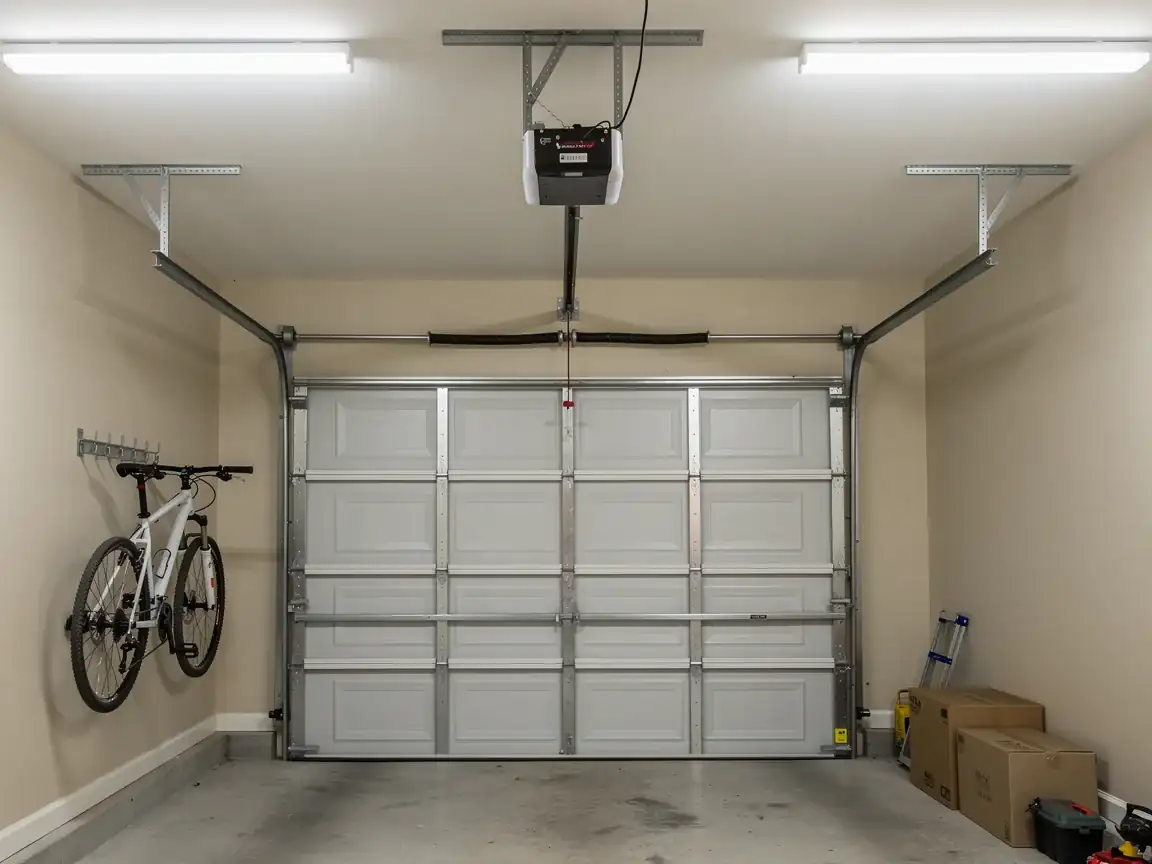
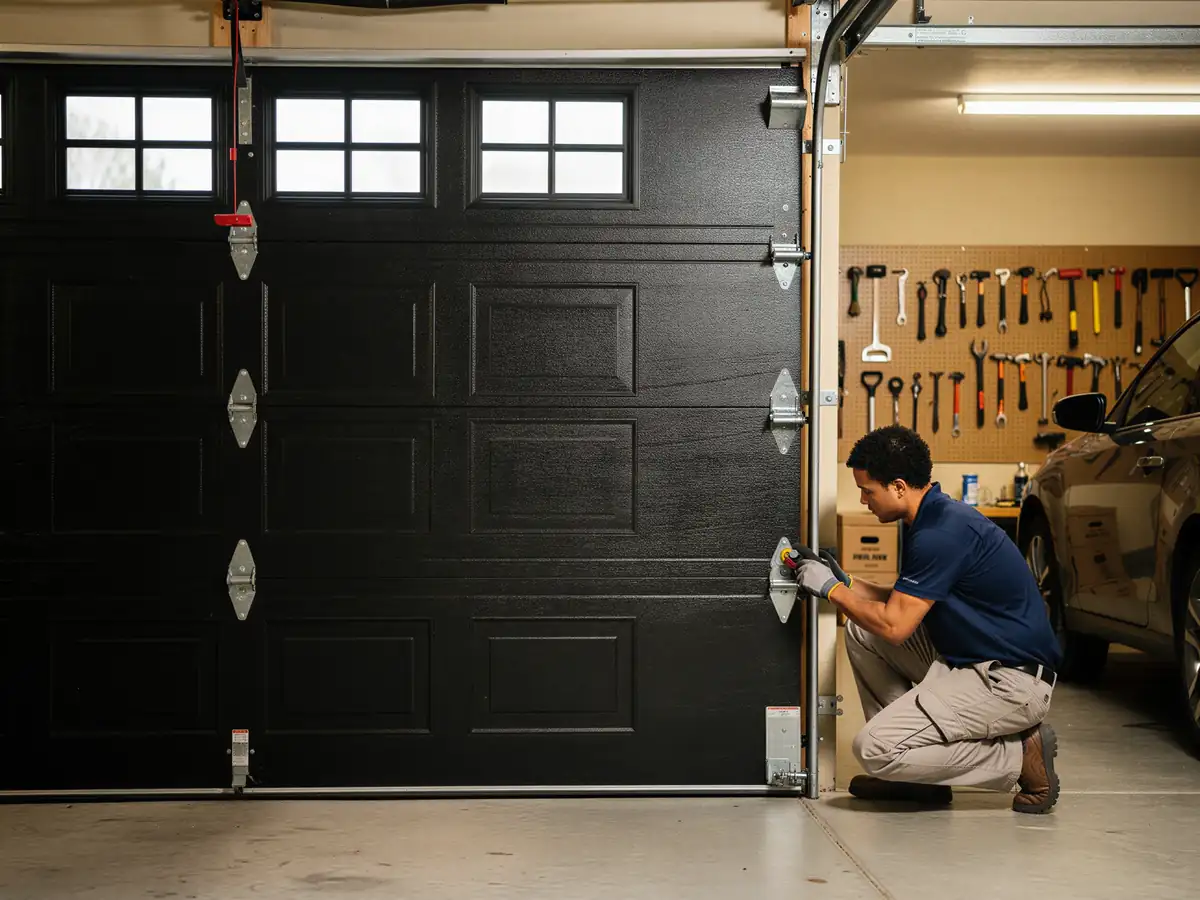
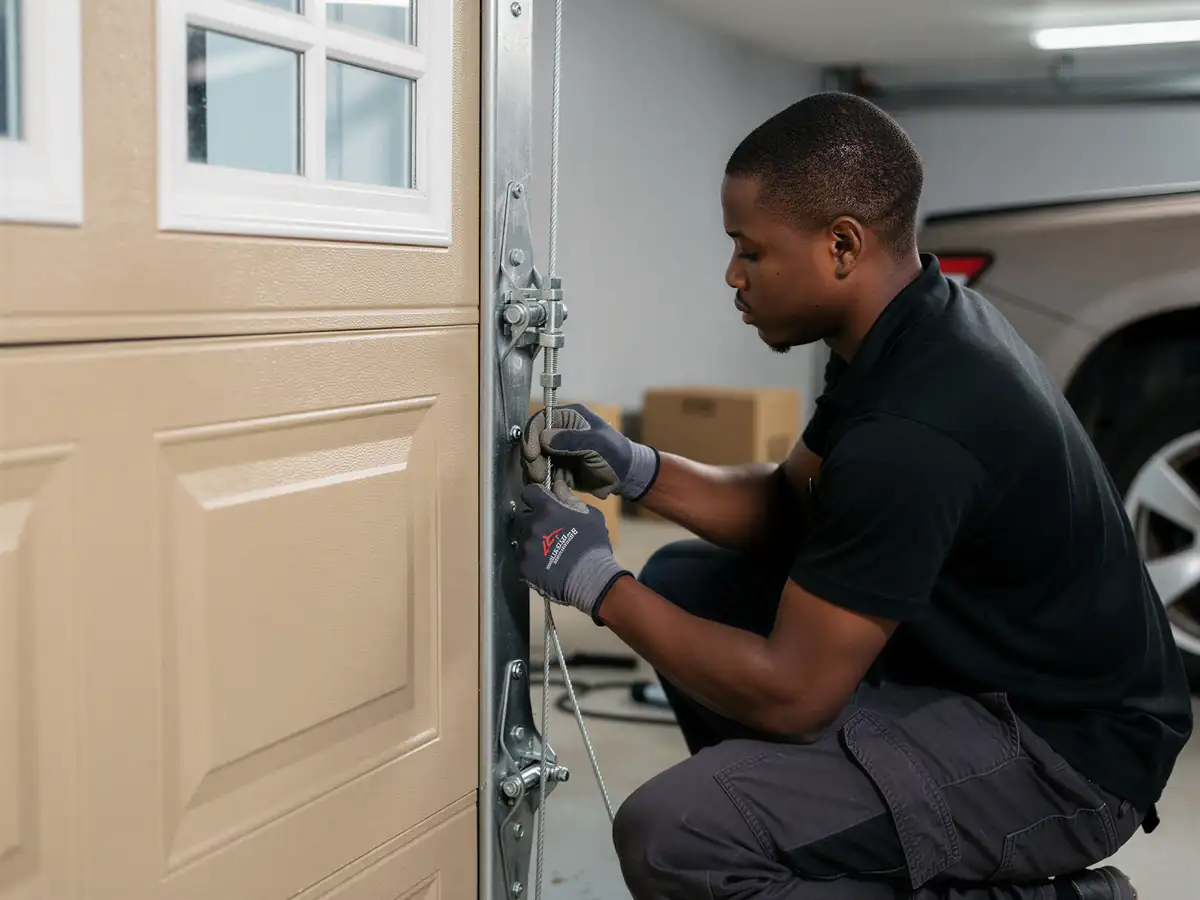
Swapping a roller isn't the hardest job on a garage door, but it isn't a five-minute one either. You've got to release spring tension or work around it, pull the roller bracket off the track without bending the track, and get the new roller seated so the door doesn't bind halfway up. On a door from the late 1960s, which is what a lot of Gadsden has, the track gauge and bracket spacing can be narrower than what you'll find on a door sold today, so a roller bought off a big-box shelf sometimes doesn't sit right without shimming. If you've got one stuck or noisy roller and the rest of the track is straight, it's doable with basic tools and some patience. If more than two or three rollers are worn, or the track itself is bent, you're better off having someone look at the whole run before you start pulling parts off, because a rushed DIY swap on an old track can turn a $20 part into a bent rail that needs full replacement.
The Symptom
The giveaway is noise before it's anything else - a grinding or popping sound as the door travels, usually worse on one side than the other. Steel rollers without bearings wear down fastest and start to flat-spot, which you'll feel as a jolt each time that roller rotates past the same worn section. On doors from Gadsden's main building era, the mid-to-late 1960s, you're often dealing with the original steel rollers still running in galvanized track, and thirty-plus years of use on that hardware means the roller stems wear loose in the bracket before the wheel itself gives out. That looseness lets the door wobble in the track, which is a different fix than just swapping the roller. If the door jumps the track on one side, or you see metal shavings in the track channel, that's wear past the point where a roller swap alone fixes it - the track or hinges need a look too.
The Complications
Gadsden sits about 12 miles out from our shop in Jackson, which isn't far, but it does mean the job gets planned, not walked into cold. We load roller stock sized for the housing stock out this way before we leave, based on what we've seen on doors from the 1960s and 70s era that makes up most of the area. The complication that actually shows up on the job, though, is usually the track, not the roller. On older doors, the vertical track sections were often installed with less tolerance for a wobble than modern track, so a worn roller that's been left too long can warp the rail enough that a straight roller swap won't quiet the door - the track needs to be pulled true first, or replaced if it's bent past that. With 192 households in Gadsden, we're not running a dedicated route through town, so parts get sourced and loaded ahead of the trip rather than figured out on-site.
What Causes It Around Here
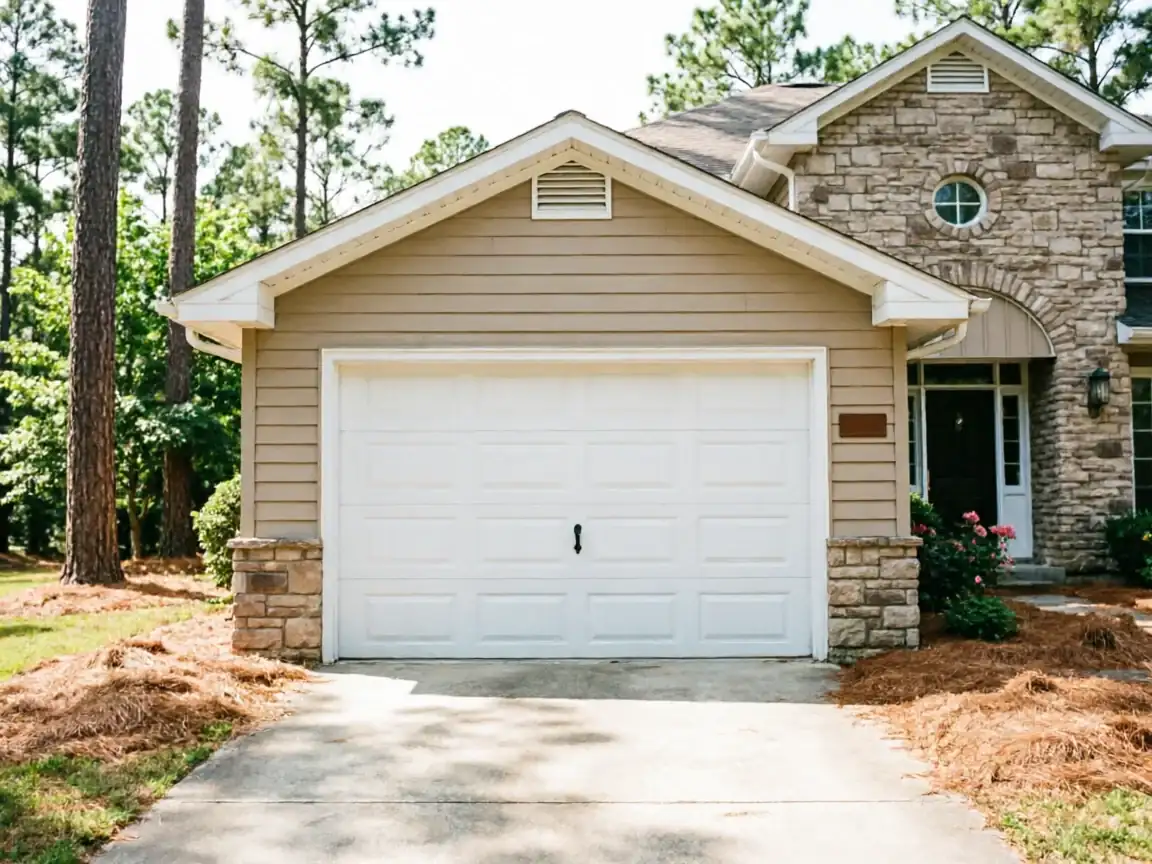
Most of the wear we see on rollers out this way traces straight back to age of the stock, not abuse. Housing in this part of the service area mostly dates to the 1960s and 70s, and a door installed when the house was built is a door running on its original hardware forty-plus years later if nobody's touched it. Steel rollers without bearings were standard then, and they simply wear out - there's no fixing worn steel, only replacing it. Add a cold-moderate winter climate into that mix and the stems and bearings (where there are any) stiffen up in low temperatures, which speeds up wear on anything already marginal. Household income in Gadsden runs around $54,250, close to the $54,132 median across the wider area we cover, and what that tends to mean on the ground is owners who'll fix a roller when it starts grinding rather than replace a whole door - which is usually the right call, as long as the track underneath hasn't gone with it.