Can You Do This Yourself
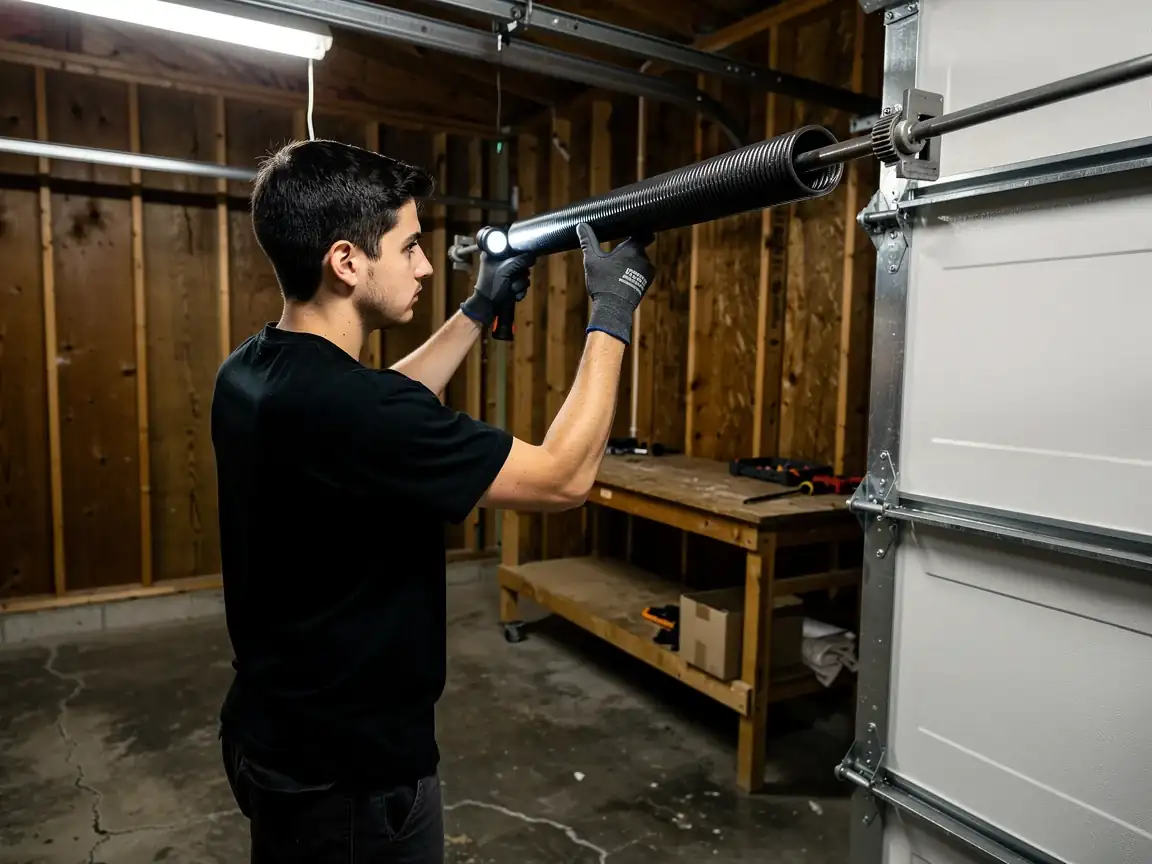
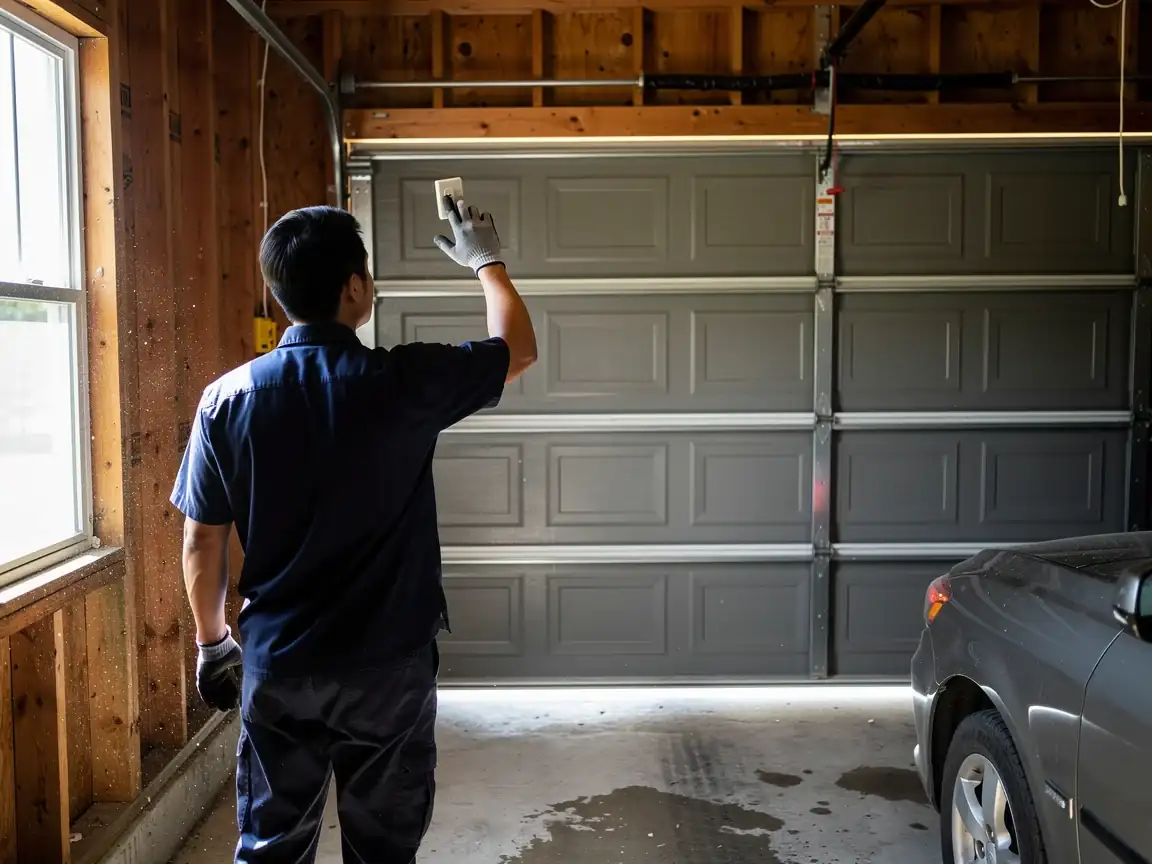
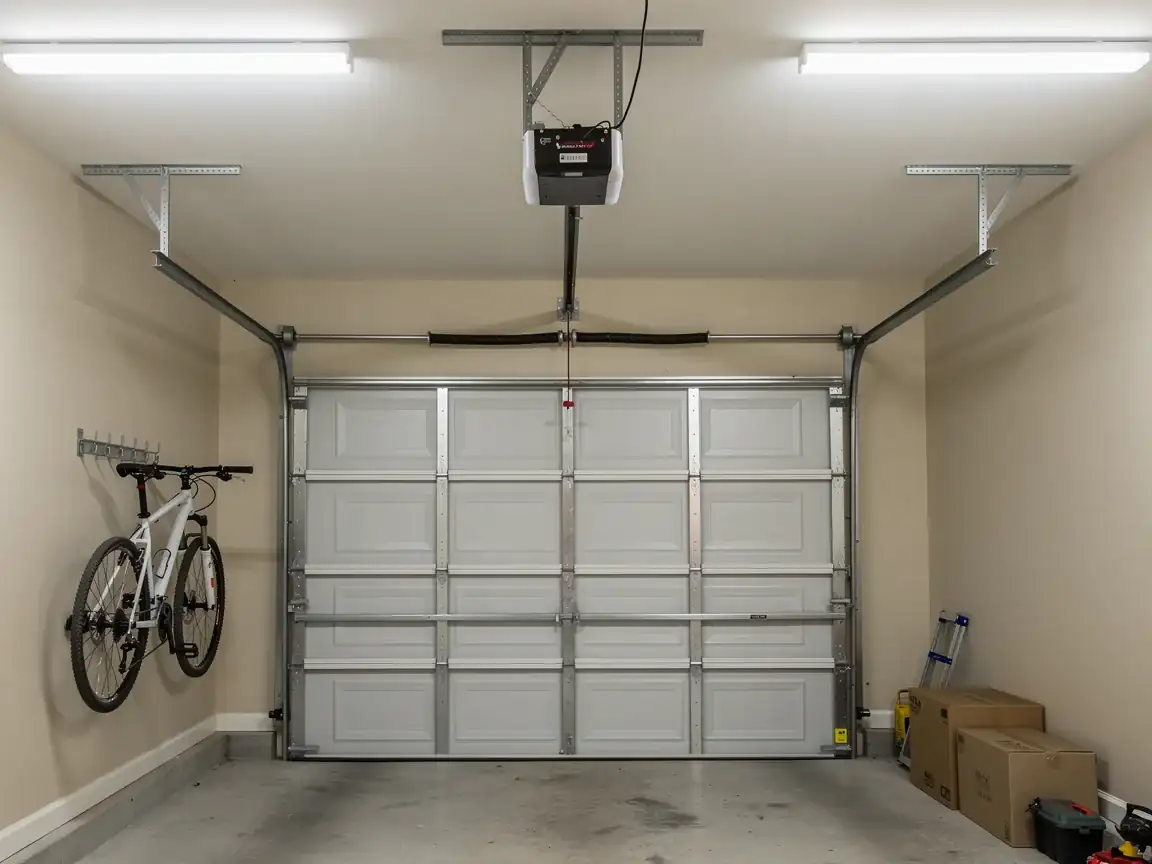
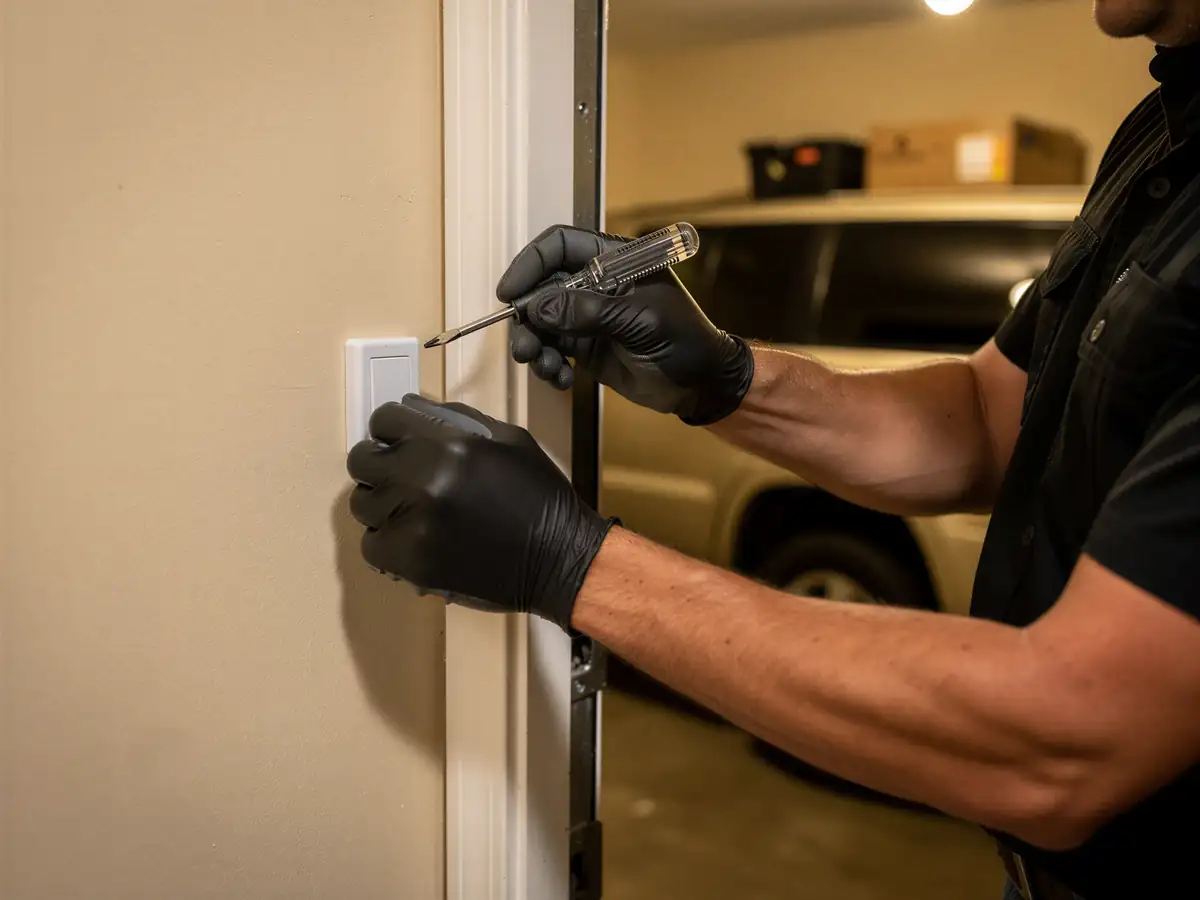
Swapping a chain-drive opener for a belt-drive unit is a weekend job if the door itself is sound - the header bracket, the track alignment, the wiring are usually fine on a house this age. Where it stops being a DIY job is the safety side. If the house still has its original opener from anywhere near 1968, there's a real chance it predates the federal rule requiring photo-eye sensors and auto-reverse, which means the old unit has none. Swapping the opener head without adding sensors and testing reverse force is the mistake we see most - a new motor bolted onto hardware that was never built to the current safety standard. We'll tell you straight: if your bracket or track is rusted through, replacing the opener alone won't fix the underlying problem, and we'd rather say that up front than sell you a motor that fights bad hardware for the next ten years.
The Symptom
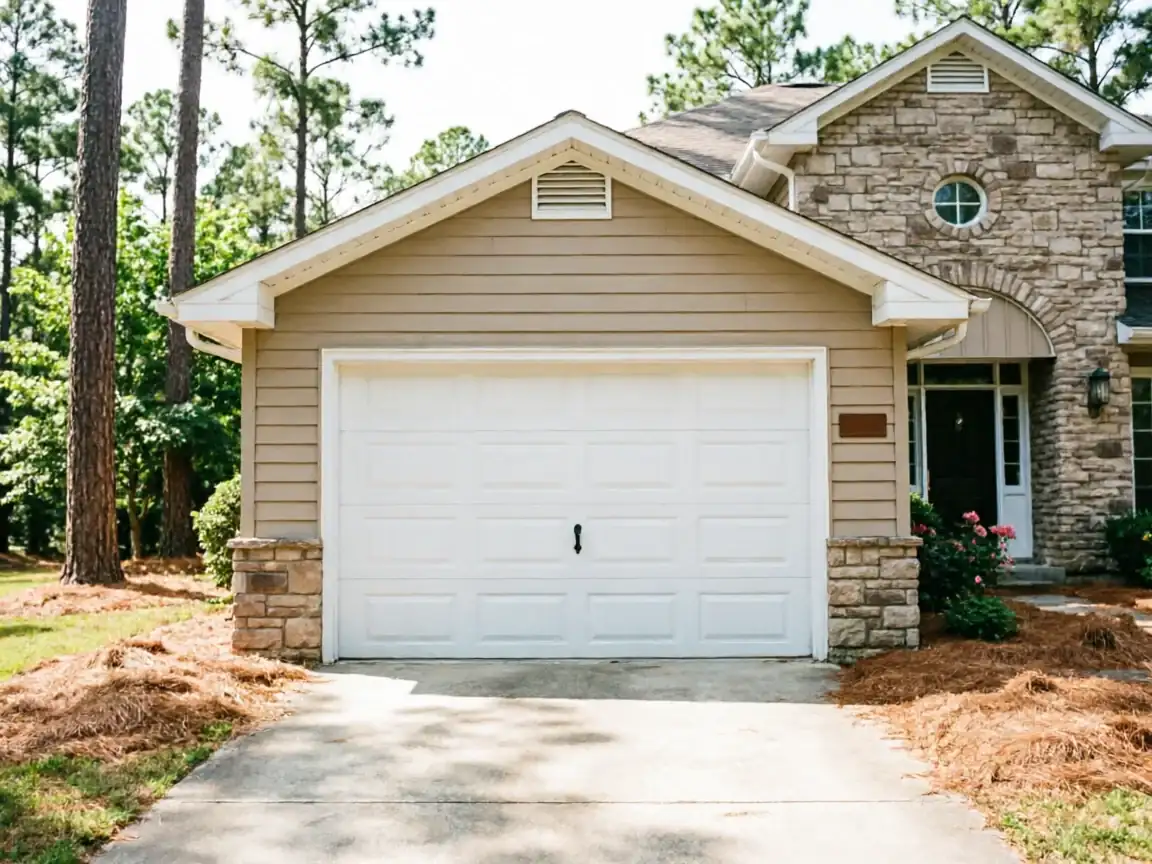
The calls we get from this part of the service area usually start the same way: the opener runs but the door doesn't move, or it strains and reverses on its own halfway up. On a house built around 1968, that's often the travel limits drifting on a decades-old chain-drive unit, or a worn drive gear that's been grinding quietly for years before it finally slips. Because median income across this stretch of the area sits near $54,250, a lot of these openers were kept running as long as possible rather than swapped out early - which means when they do go, it's often a full failure rather than a gradual one. We check the chain tension and the limit switches before we recommend a full replacement, because sometimes the fix really is that small.
The Complications
Gadsden sits about 12 miles from our shop in Jackson, which doesn't change the repair itself but it does change how we handle parts. If your opener is old enough to use a discontinued logic board or a chain style nobody stocks locally, we order it rather than carry it on the truck, and that adds a day or two to the job. We tell customers this before we schedule, not after. The other complication on houses from this era is the header above the door - framing from the late 1960s wasn't always built with opener mounting in mind, so sometimes we're adding blocking before the bracket goes up, which is extra labor we won't know about until we're standing in the garage.
What Causes It Around Here
This area sits in a cold-moderate climate band, and that matters more for openers than people expect. Chain-drive units from the 1960s and 70s use steel components with tighter tolerances than today's belt systems, and repeated winter contraction and summer expansion works those tolerances loose over the years - gears wear unevenly, chains stretch, limit switches drift out of calibration. On a house built close to 1968, that's forty-plus winters of that cycle on hardware that was never designed to be maintenance-free. It's not dramatic failure, usually - it's gradual, which is why so many of these openers get replaced only after they stop working rather than before.