Can You Do This Yourself
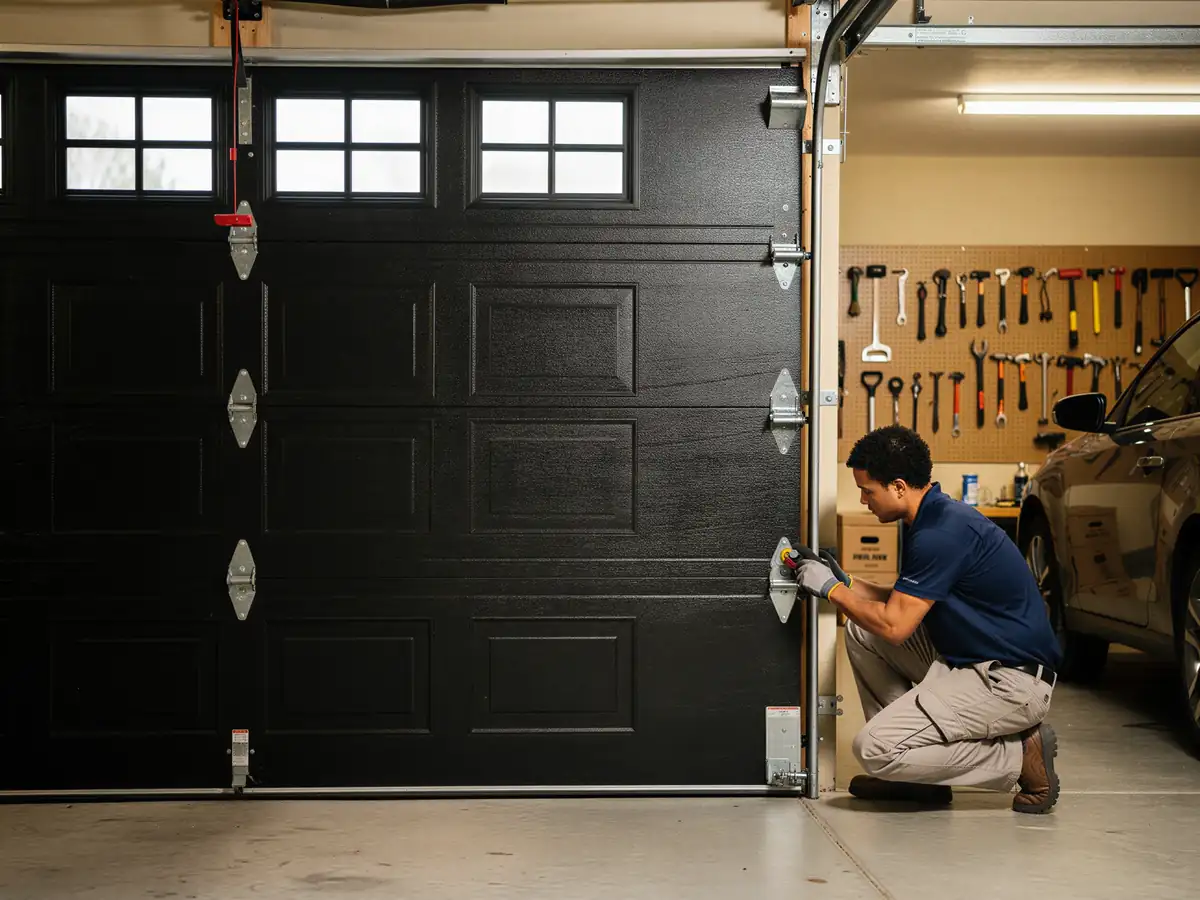
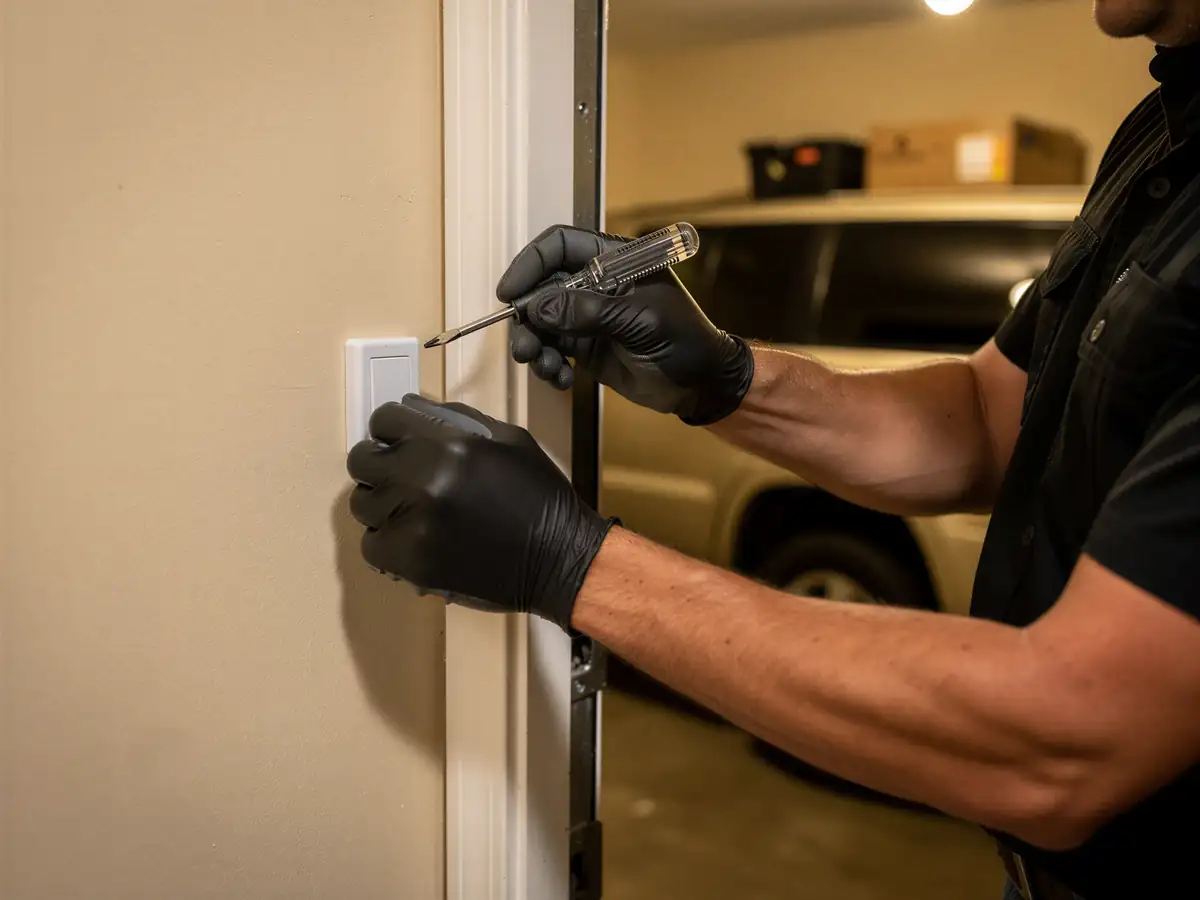
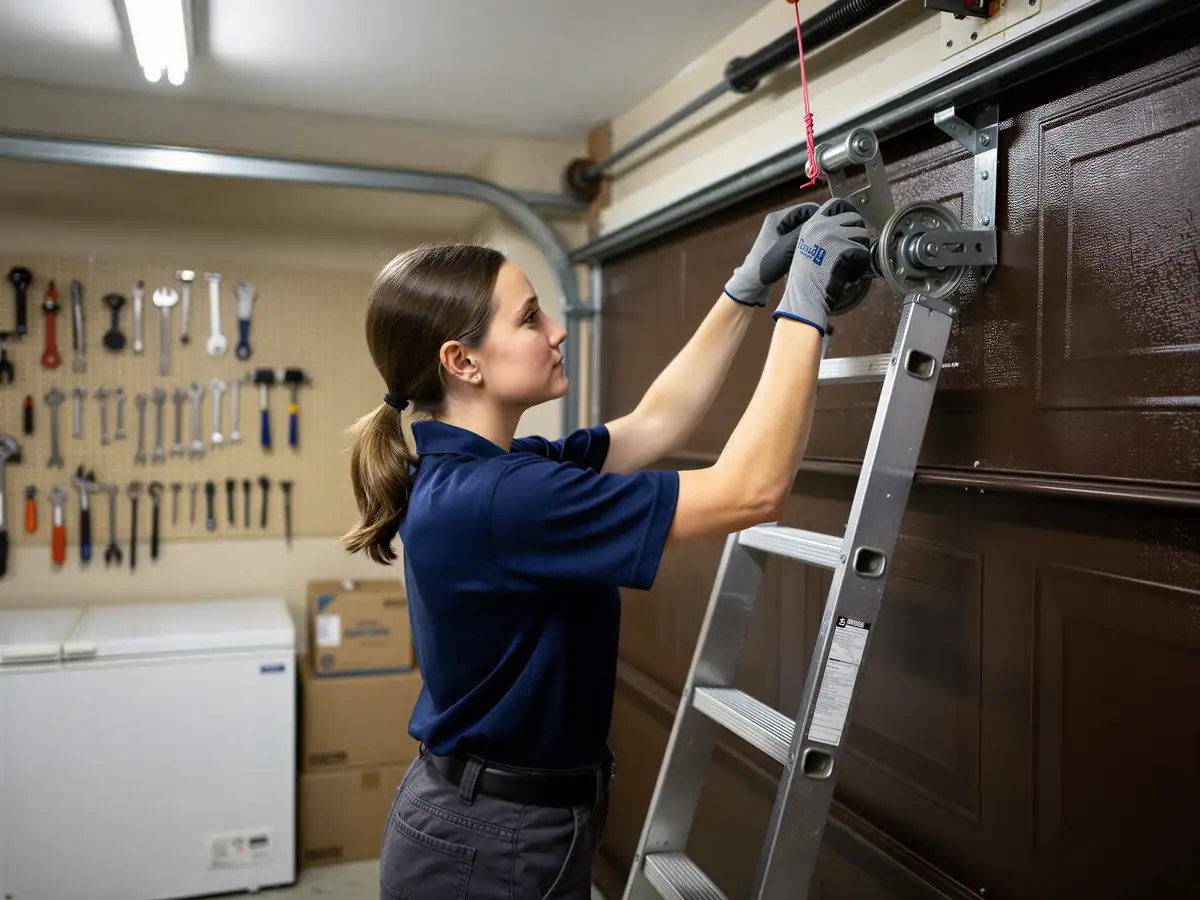
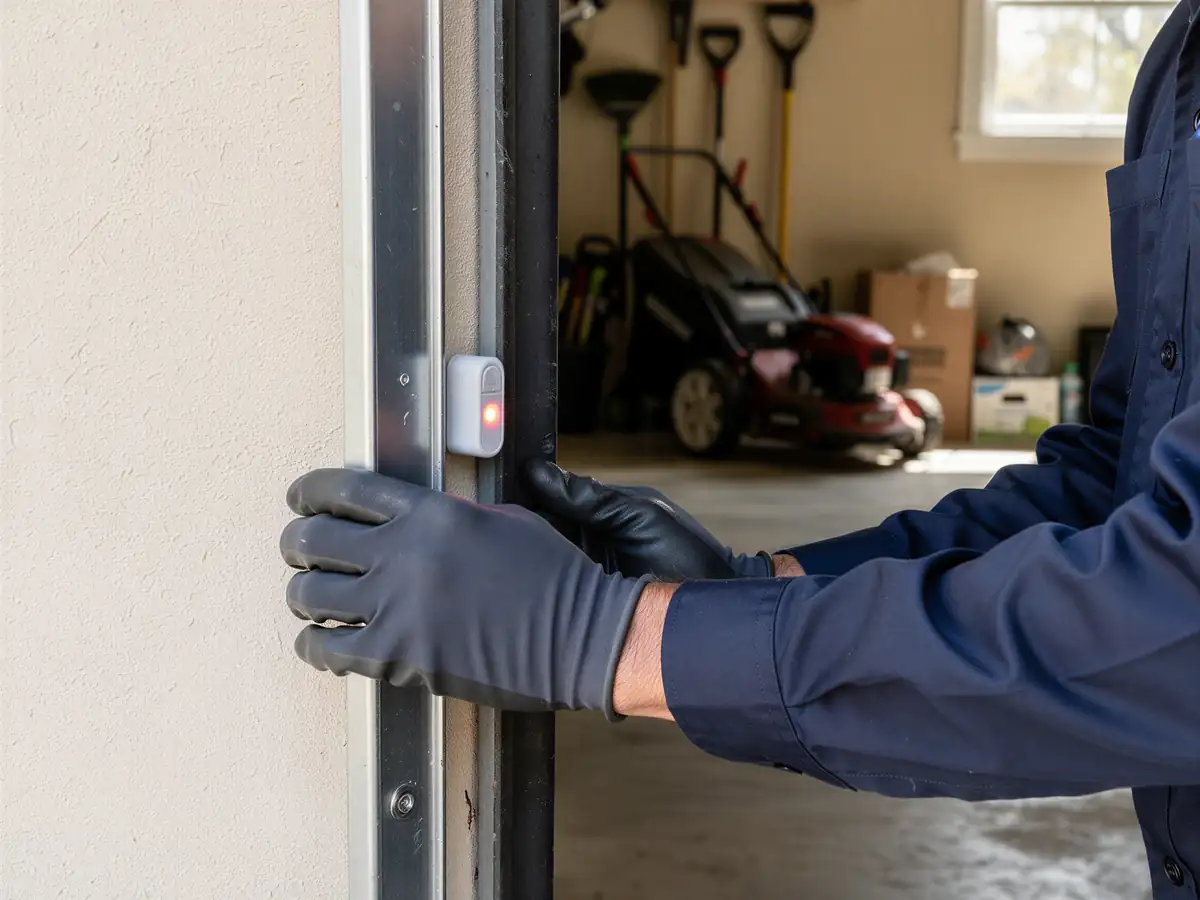
A lot of opener trouble on a house built around 1968 isn't the opener at all - it's the door it's trying to lift. These doors are often heavier steel or built-up wood panel units sized for garages from that era, and decades of use have worn the rollers, bent the track, or let the springs lose tension. If you swap in a new opener on a door that's binding or out of balance, the new motor just burns out the same way the old one did. You can safely check a few things yourself: make sure the wall switch has power, pull the manual release and see if the door moves freely by hand, and look at the sensor eyes near the floor for dust or misalignment. Past that - testing capacitor voltage, adjusting travel limits on an older logic board, or diagnosing an intermittent circuit board fault - isn't a weekend project, and we won't pretend it is. If the door doesn't glide smoothly by hand, the opener isn't your real problem yet.
The Symptom
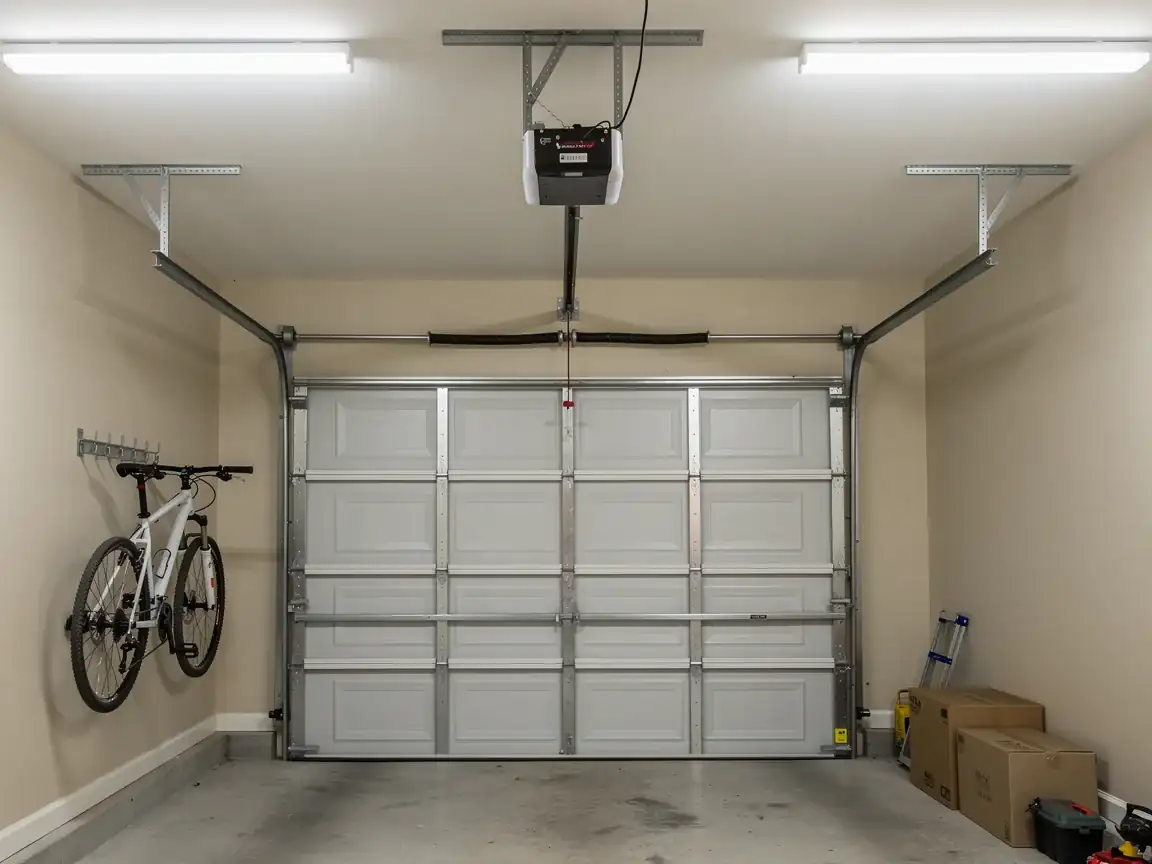
The most common call out of Gadsden is an opener that runs the motor but the door doesn't move, or moves a few inches and reverses. On a door from the late 1960s, that's usually the drive mechanism fighting hardware that predates the opener itself - a screw drive rail that's never been lubricated, or a chain drive sprocket worn from running against a track that's shifted slightly out of plumb. Some owners report the opener working fine in summer and stuttering once the cold sets in, which lines up with a climate here that runs cold enough in winter to stiffen grease in older gear housings and tighten metal tolerances on the rail. Clicking without movement usually means a stripped gear inside the housing, not a wiring fault.
The Complications
Gadsden sits far enough from Jackson that we schedule the trip rather than treat it as a same-day drop-in - a fact worth knowing if you're debating whether to wait out a minor issue or call now. Parts availability is the other wrinkle: openers made to pair with doors from the 1960s and 70s sometimes used proprietary logic boards or drive components that современные manufacturers no longer stock, which can mean a short wait on a part rather than a same-visit fix. We'll tell you up front if that's the case rather than string you along. On a household budget around $54,250 for the area, replacing the whole opener is sometimes the more honest answer than chasing parts for a unit that's reached the end of its production run.
What Causes It Around Here
Housing in this part of the service area mostly dates to the 1960s and 70s, and Gadsden's own stock centers on 1968 - old enough that a lot of original openers have already been replaced once, sometimes with a unit that doesn't match the door's weight or track geometry. That mismatch shows up as premature gear wear or an opener straining against a door it was never sized for. Add a moderate cold climate that stiffens lubricant and tightens hardware tolerances each winter, and you get openers that work fine most of the year and then start slipping or reversing once temperatures drop. With around 192 households in Gadsden, we're not out here constantly, so most of what we see is build-up over years, not sudden failure - which is exactly why an opener that's starting to strain is worth a call before it quits outright.