Can You Do This Yourself
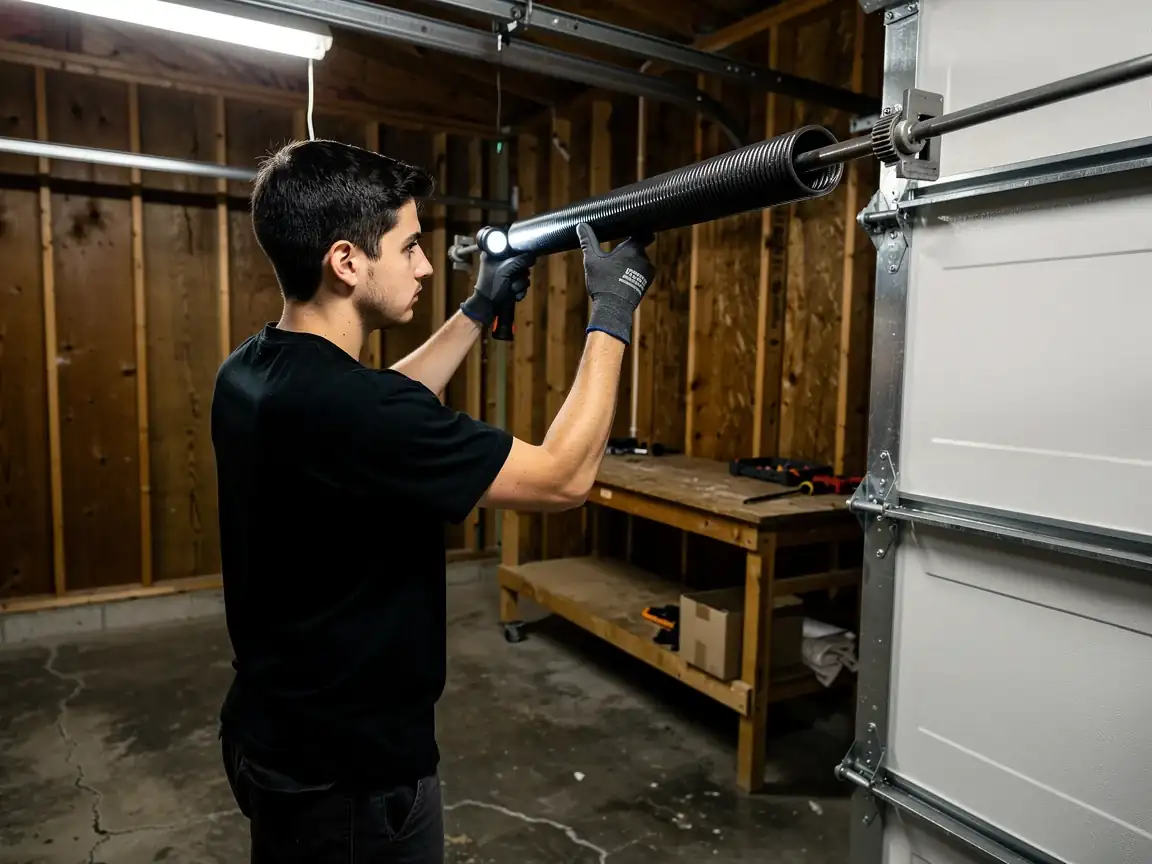
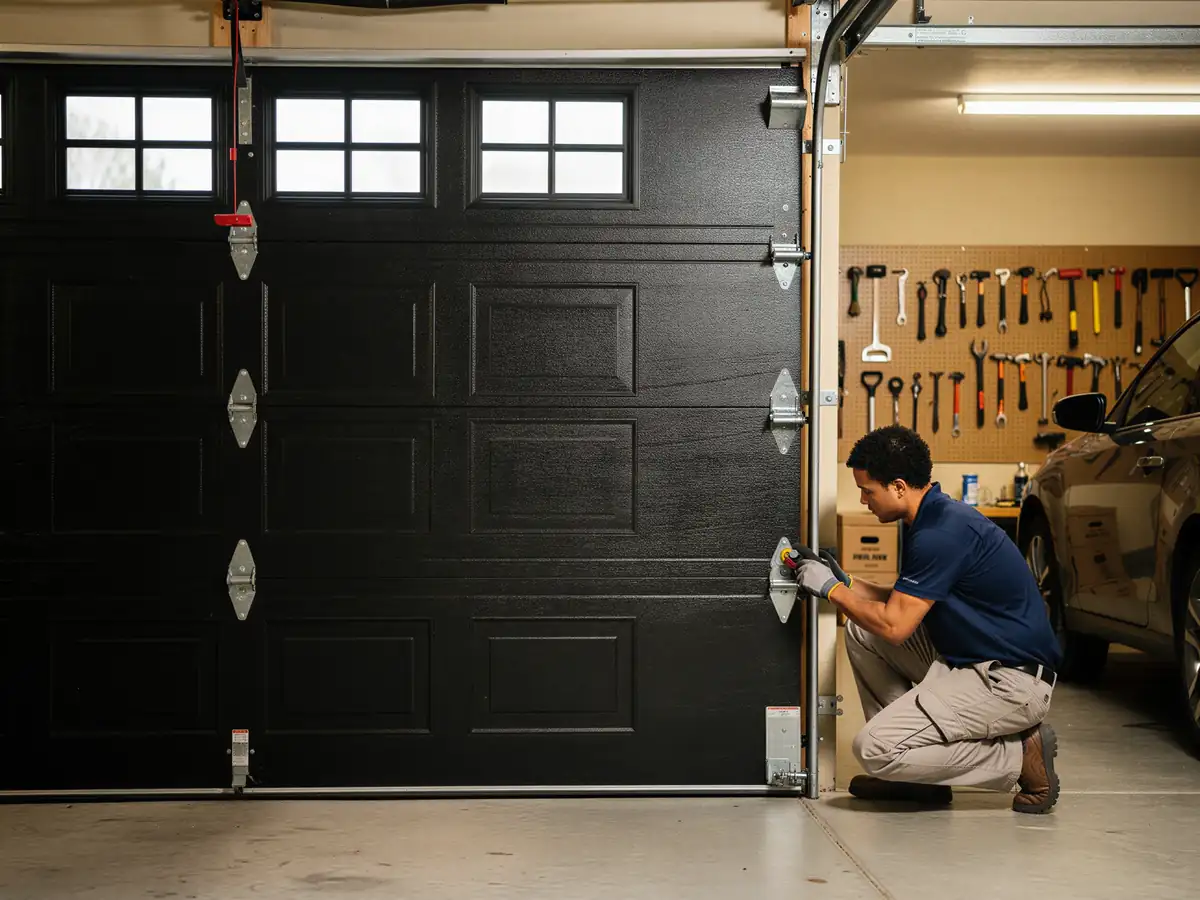
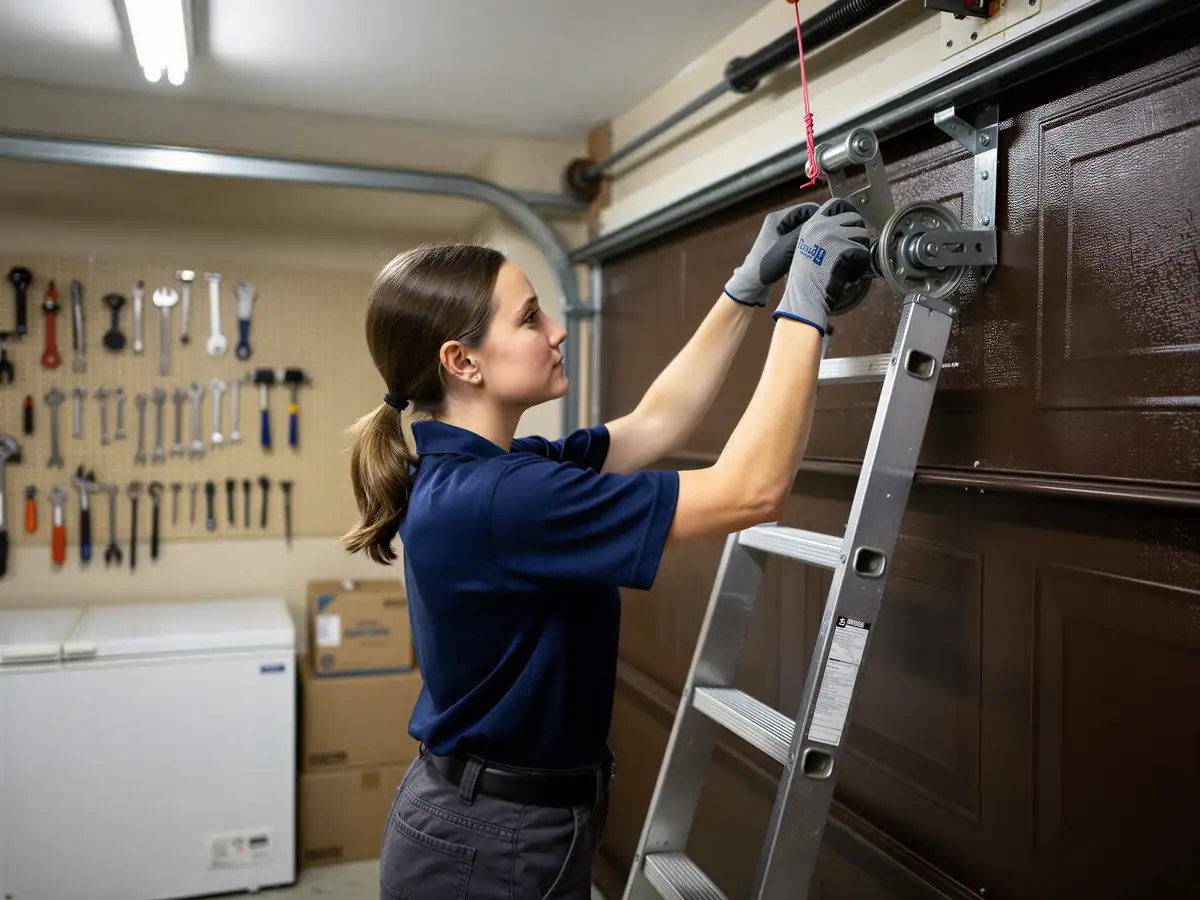
A broken lift cable looks simple from the outside - a strand of wire, right? But that cable is under tension the whole time the door is closed, and the spring on the other end of the system is storing the force that used to pull your door up. Pop the wrong clip or loosen the wrong bolt and you're not looking at a bent panel, you're looking at an ER visit. If the door is down and won't move, leave it down. Don't try to crank it open by hand or force the opener past the jam - you'll bend the track or tear the bracket loose from the jamb, and that turns a cable job into a track-and-bracket job.
On the 1968-era construction common around Gadsden, a lot of these doors are still running original or first-replacement hardware - galvanized cable on steel drums that have been flexing the same groove for decades. That cable doesn't fail clean. It frays first, one strand at a time, until the last few give out under a cold-morning lift. If you can see rust bloom or splayed wire anywhere on the cable, that's not a maybe - that door comes down soon, on its own schedule, not yours.
The Symptom
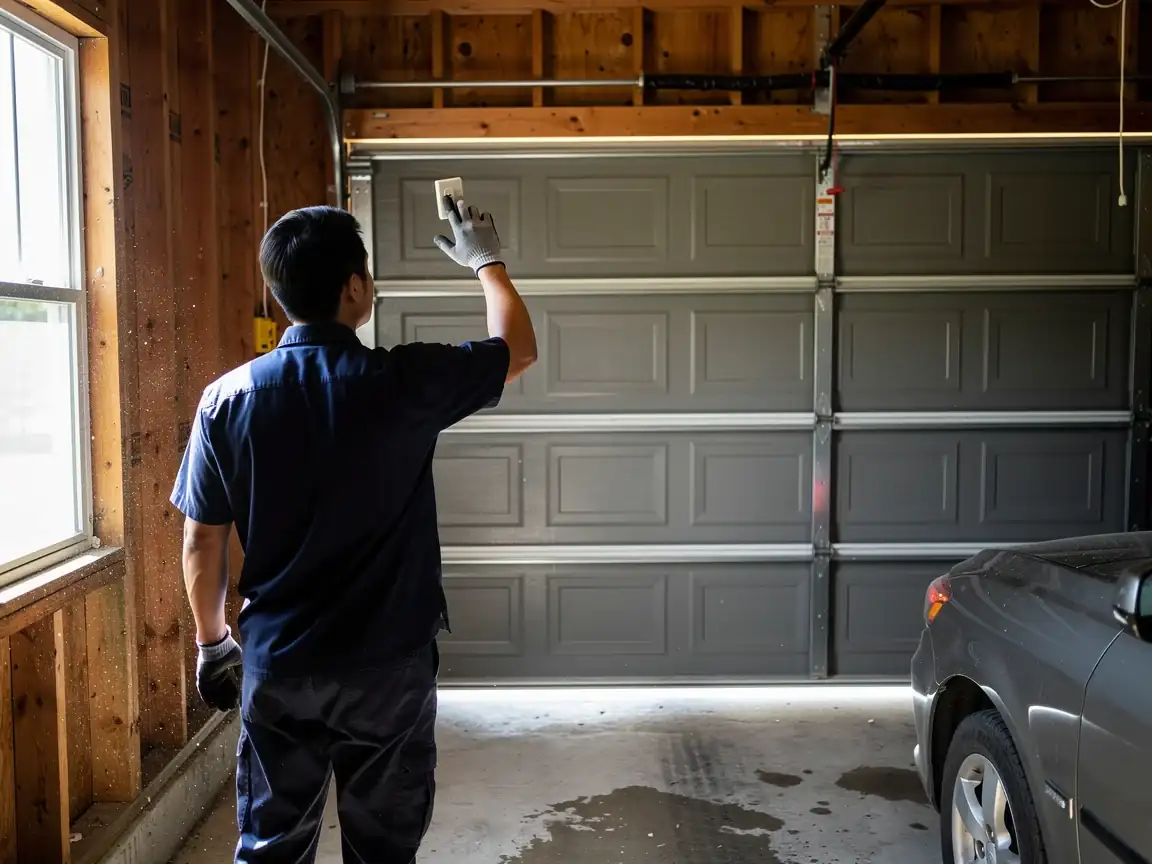
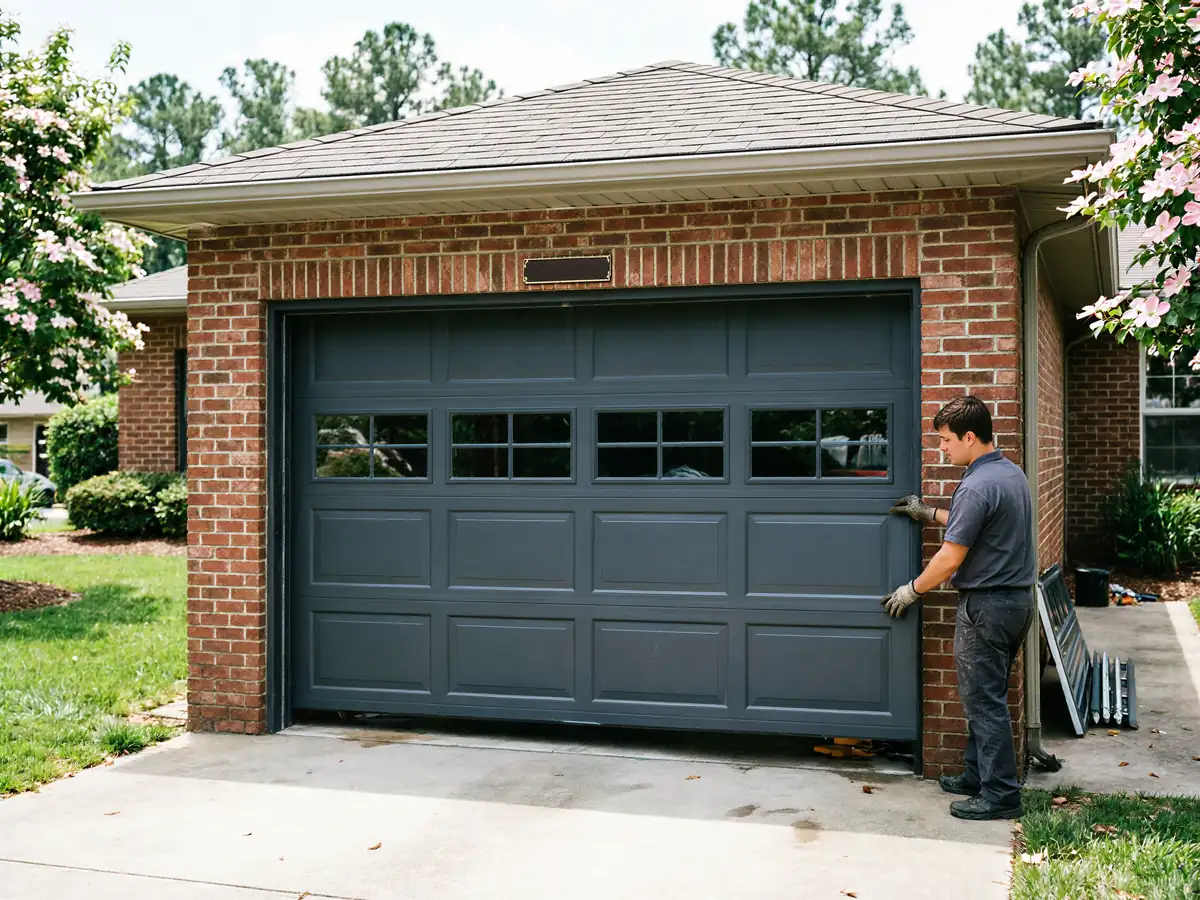
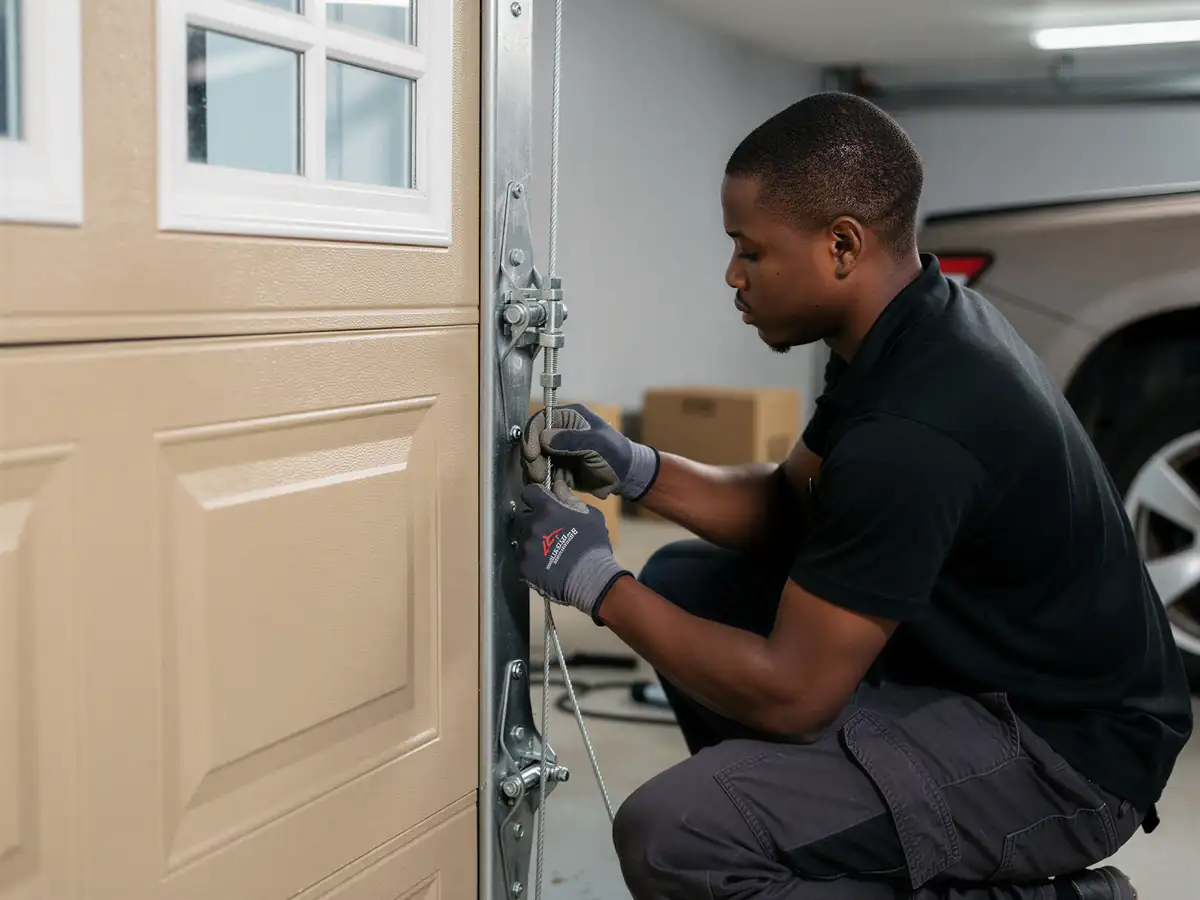
Most calls start the same way: the door drops unevenly, one corner lower than the other, or it comes off the track entirely and leans in the opening. Sometimes it's a loud bang followed by the door refusing to budge - that's usually the cable letting go at the drum instead of fraying through. On double doors especially, a single snapped cable throws the whole panel off square, and you'll see the door cocked sideways in the frame rather than sitting flat.
If your opener keeps running but the door doesn't move, or moves and then reverses hard, that's consistent with a cable that's slipped its drum rather than broken outright - still a job, but a different repair than a full cable replacement. Either way, once a cable is compromised, the second one usually isn't far behind, since both have logged the same years under the same spring tension.
The Complications
The complication that shows up most on these older Gadsden builds is matched-pair wear. If one cable has frayed from age and tension cycling, the other cable on the same door has lived an identical life and is usually close behind it. Replacing one and leaving the other is a callback waiting to happen, so we'll flag it rather than just swap the broken one and leave.
The second complication is drum groove wear. Original steel drums from builds this old sometimes have a worn or rusted groove that chews up a new cable fast, so the repair isn't always cable-only - sometimes it's cable plus drum, or the whole lift side gets rebuilt. We'll show you the groove before we quote, so you're not paying twice for the same fix.
One honest limit: if the track is also bent from the door riding off its rollers, we don't force that back into shape and call it fixed. Bent track gets replaced, not hammered straight - a straightened track looks fine and then fails again under load.
What Causes It Around Here
Gadsden's housing stock centers on 1968, which puts a lot of original lift hardware well past its working life by any standard measure - cable, drums, and springs all wear out together on that timeline, not separately. Add a cold-moderate winter climate, and steel cable that's already thinning from age cycles harder through freeze-thaw mornings, which is when we see the most snap calls. None of that is unique to one house; it's the pattern across the 192 households in this area built around the same years.
We cover Gadsden out of Jackson, about 12 miles up the road, so if your door drops, call and we'll get a truck headed out.