How to Book
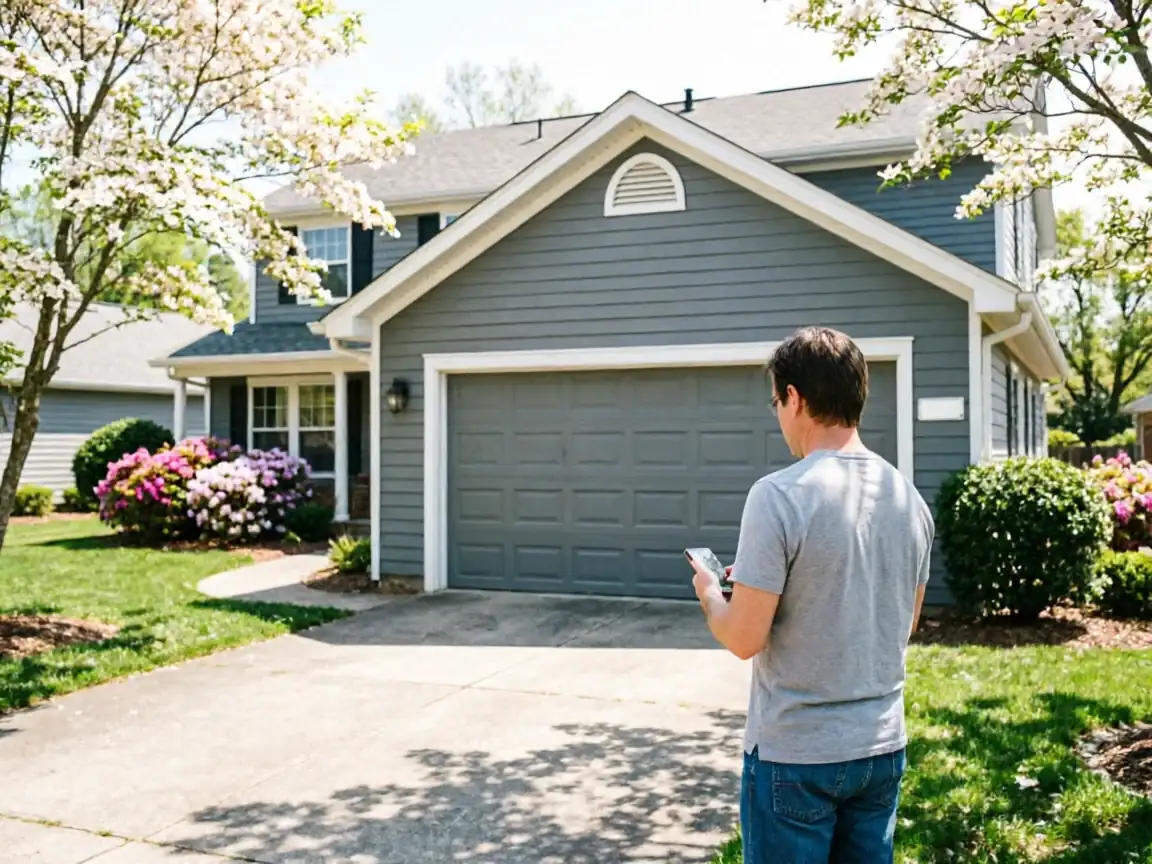
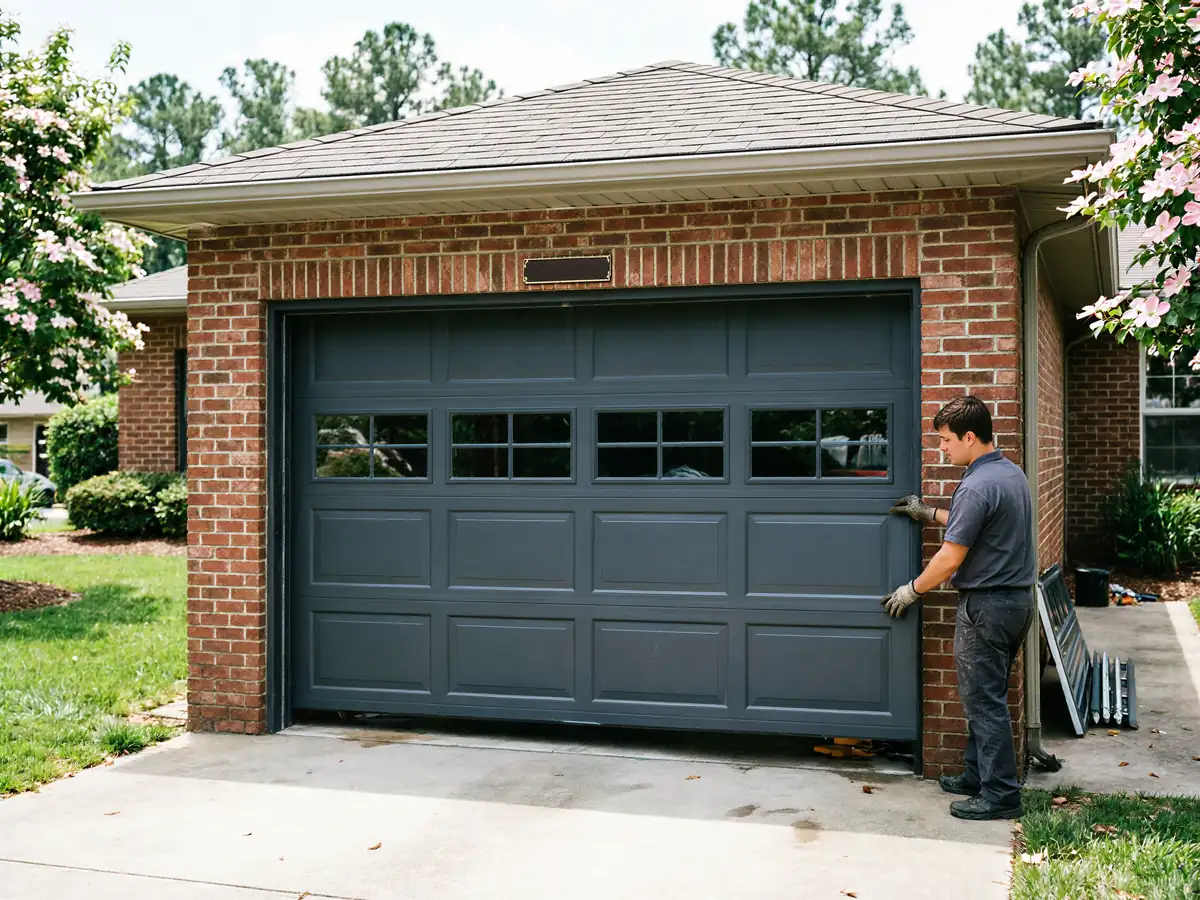
We run out of Jackson, about 8 miles from Three Way, so there's no local branch to call - just a truck that comes to you. Book a panel replacement the same way you'd book anything else with us: describe the damage (a dented section, a cracked seam, a panel a mower or trailer caught), and we bring samples that actually match what's likely on your door rather than guessing from a photo. Because Three Way's housing stock runs newer than much of the rest of the service area, we usually know before we arrive what door family we're dealing with, which saves a trip back for the wrong part.
We don't keep a Three Way-specific stock point, so if your door takes an odd-width panel, expect us to confirm the order before we schedule the install. That's a scheduling fact, not a sales pitch - better to wait two extra days for the right panel than install a close-enough one that doesn't seat right in the track.
Use the link below for the broader Three Way page if you're not sure panel replacement is the right call versus full door replacement or opener work.
The Complications
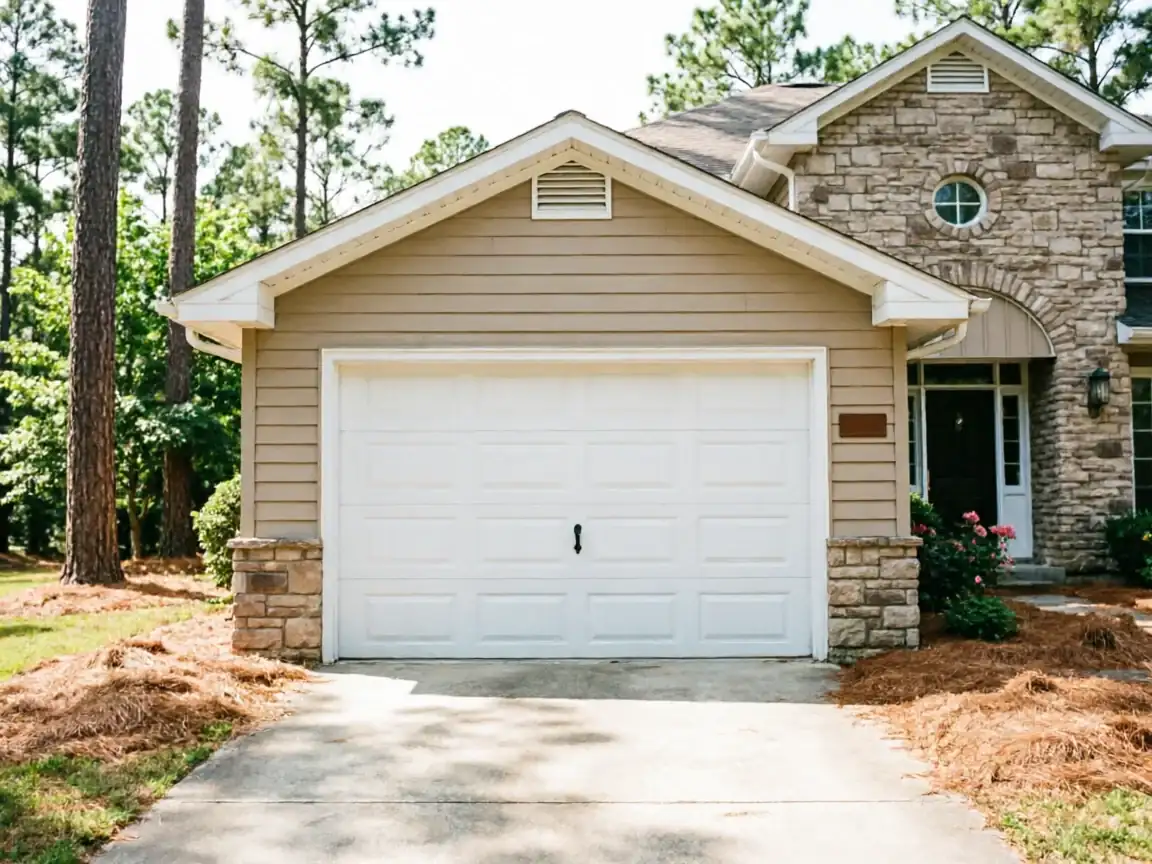
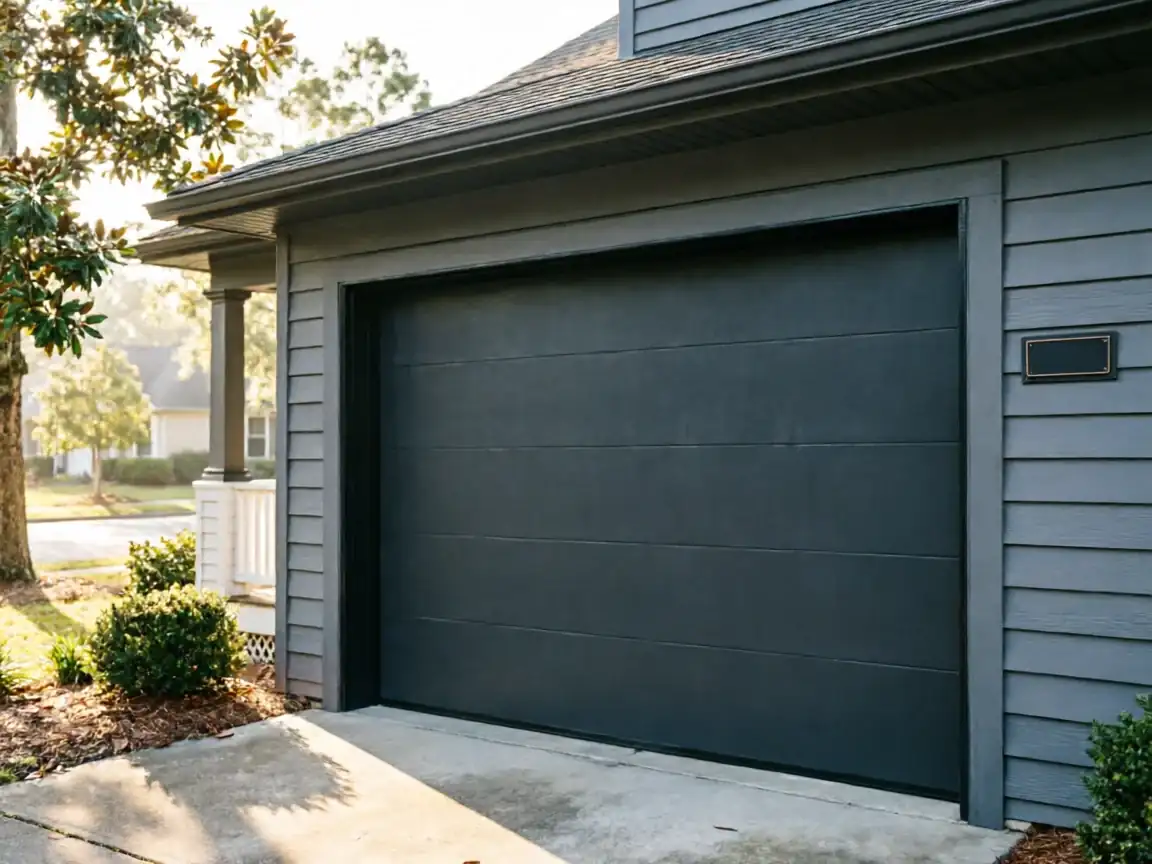
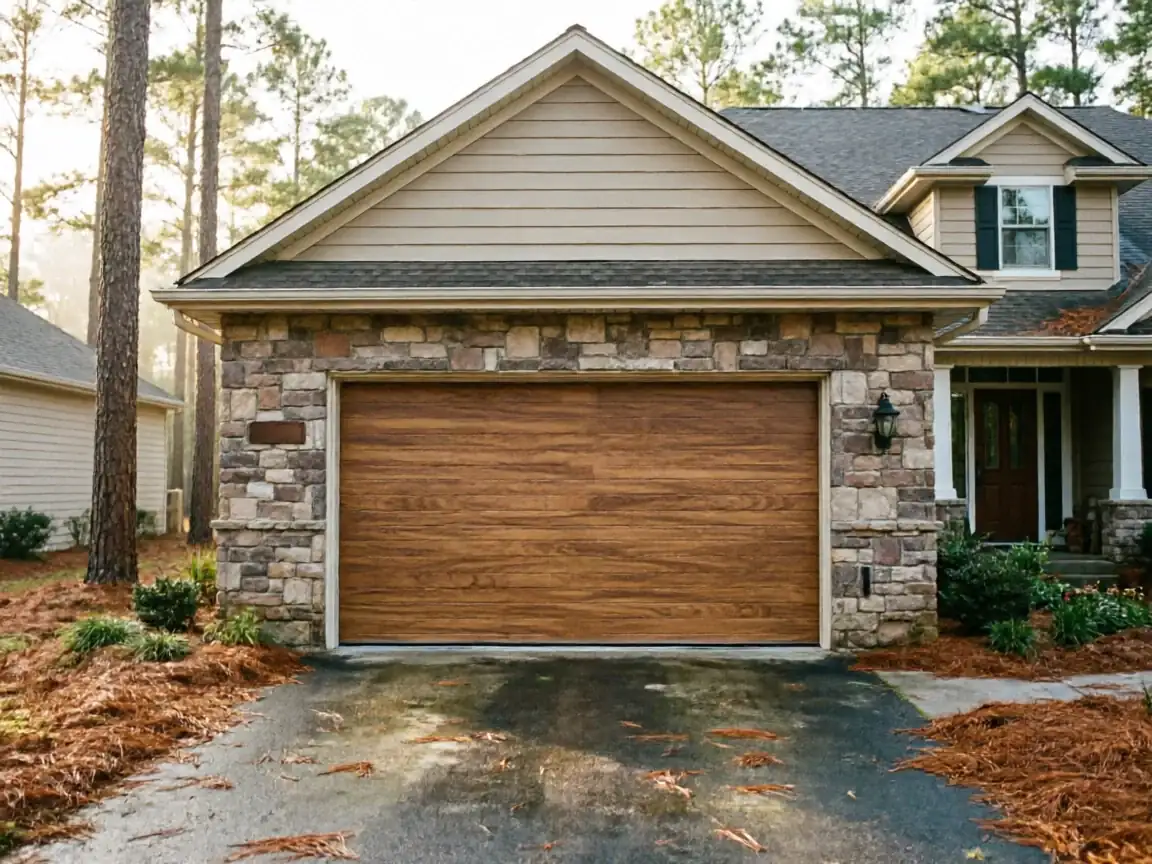
At a median household income of $91,845, well above the roughly $54,132 median across the wider service area, the math on panel replacement in Three Way skews differently than it does on older housing elsewhere. Houses here cluster around a median build year of 1997, which puts most doors on steel sectional stock with standard panel widths still in production - not the harder-to-source one-piece or early sectional doors common on 1960s and '70s construction in other parts of the territory.
That's good news for repair cost, but it doesn't make every job simple. A single dented panel on a door that age is usually a clean swap. The complication shows up when the rest of the door has faded or the panel style has been discontinued even on a newer run - a 1997-era door's finish rarely matches a current-stock panel exactly, so a single-panel fix can leave a visible seam of color difference on a light-colored door. We'll tell you straight if that's likely before you commit to a partial job instead of a full-door replacement.
The Symptom
The most common call we get for panel work out this way is a bottom panel that's been clipped
A trailer hitch, a mower, a kid learning to back a truck down a short driveway. On newer sectional doors like the ones common in Three Way, that usually means a bent or torn bottom section with the rest of the door tracking fine, which is a straightforward candidate for single-panel replacement rather than a full teardown.
Less common but real
A middle panel cracked from age-related stress on hardware that's now pushing 25-plus years old on the earliest houses here. If a crack runs the full width of a panel or you're seeing daylight through a seam that used to be tight, that's past cosmetic and into structural, and it changes which panel count we're replacing.
What we don't see much of here, compared to older pockets of the service area
Are the warped one-piece panels or obsolete hinge patterns that come with pre-1970s doors. That's one advantage of Three Way's newer housing stock - the part usually still exists.
Parts We Carry
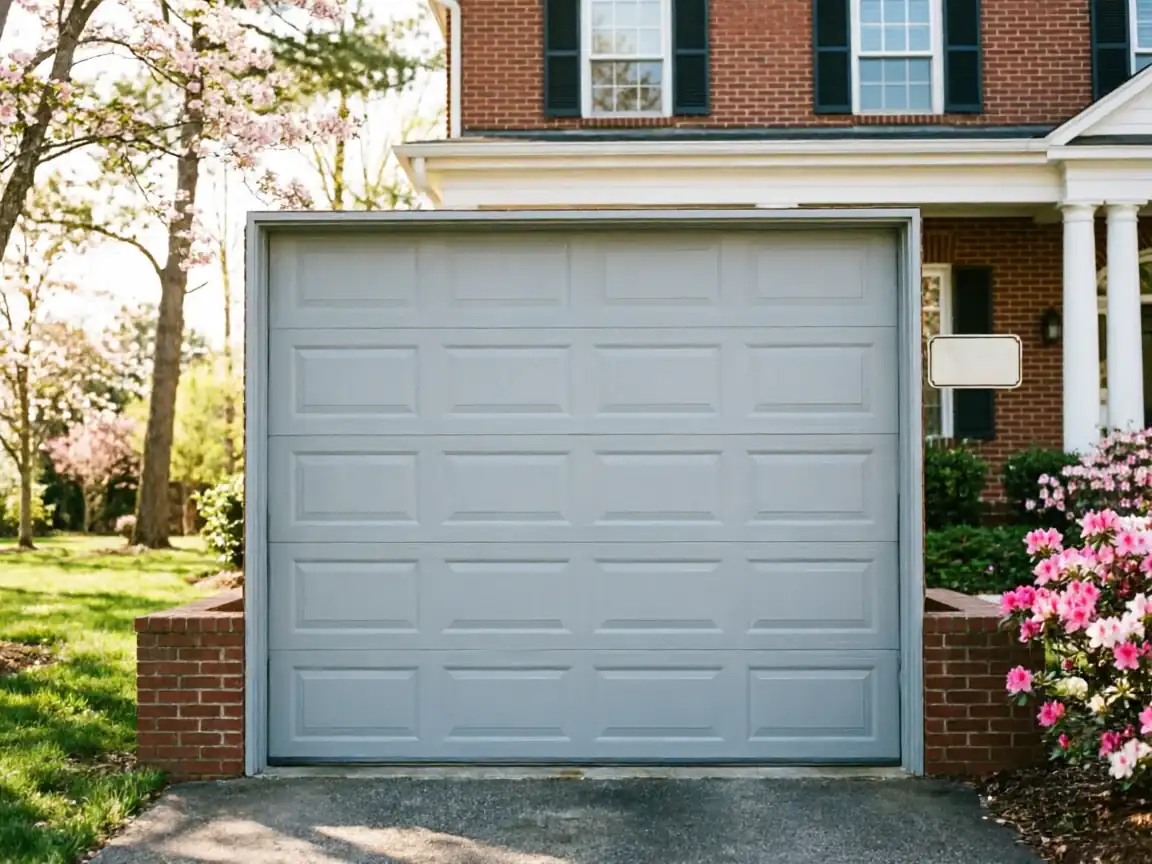
Because the median build year in Three Way sits around 1997, the panels we're swapping out are mostly current or recent sectional styles - raised-panel steel sections in standard widths, the kind still made by major door lines today. We carry stock colors and standard insulation options for these on the truck or can order a matched section within a normal lead time.
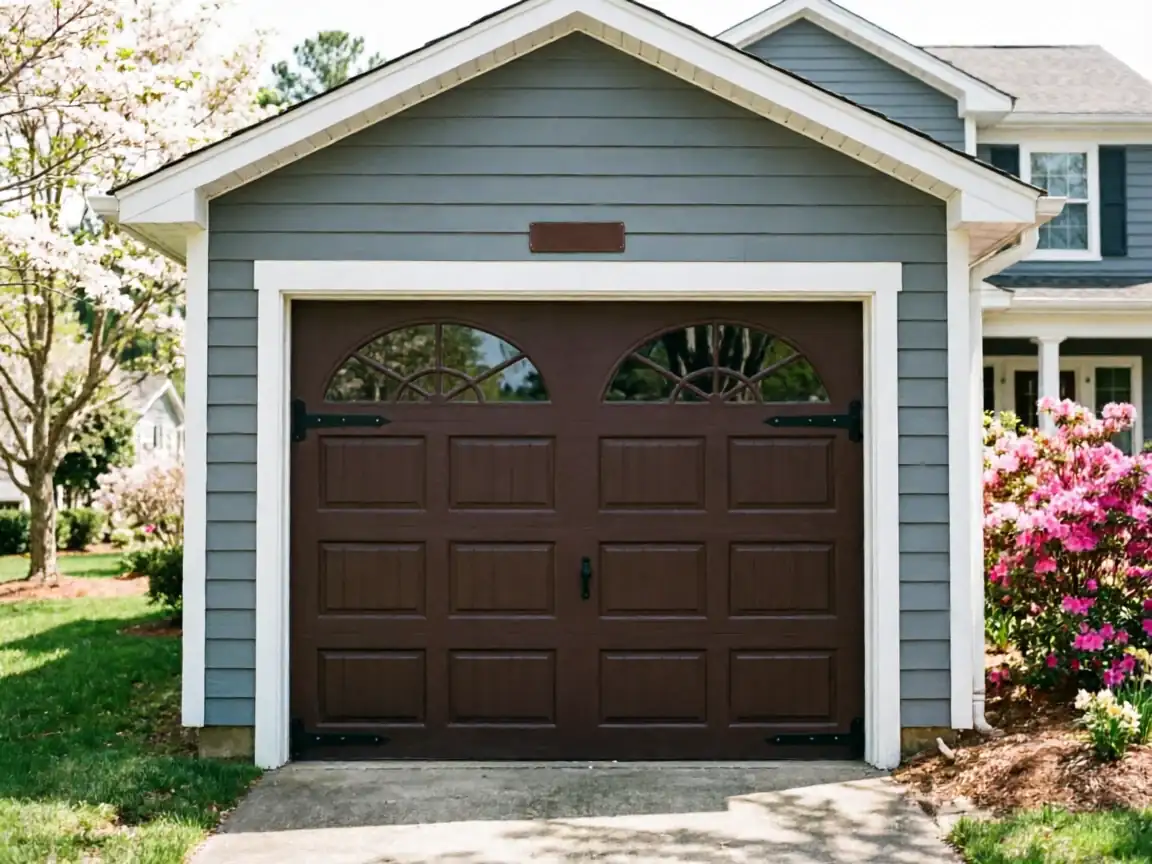
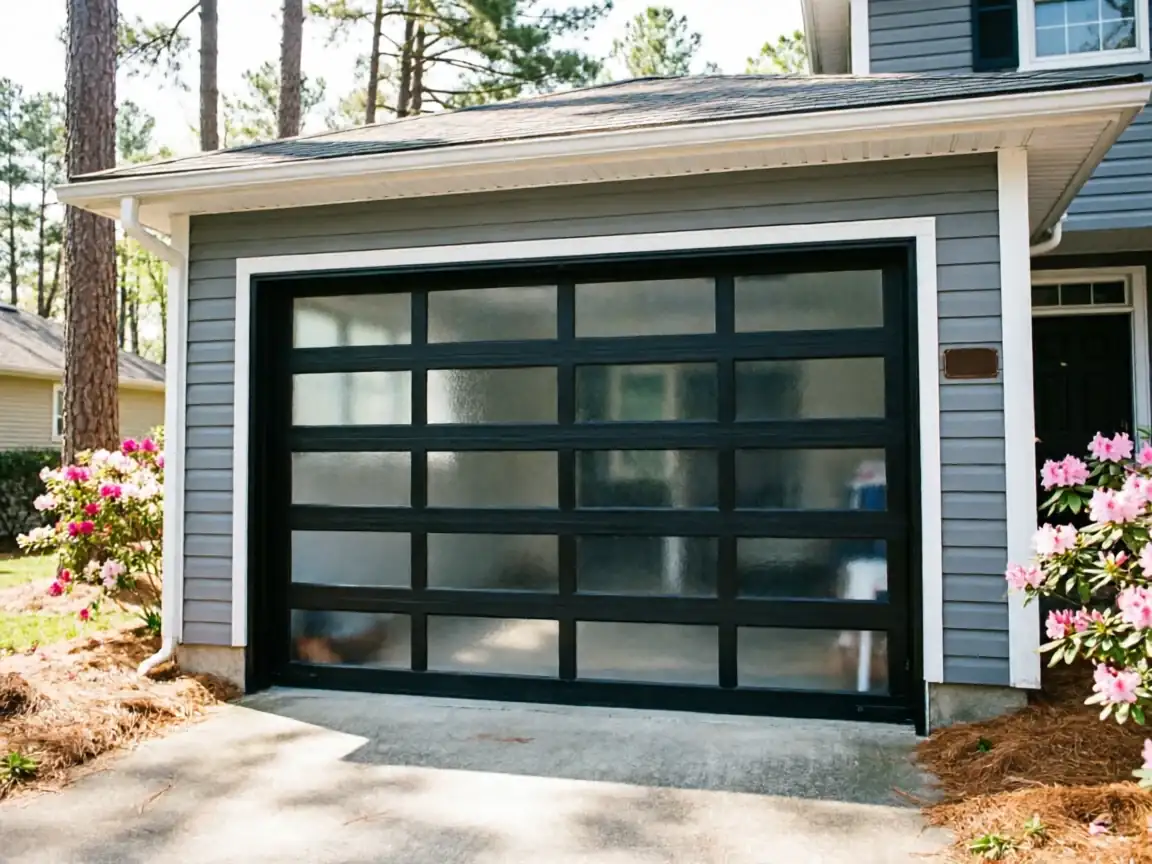
What we don't carry on the truck: discontinued colors, custom window inserts, or anything matching a door style no longer in production. If your door's finish has faded enough that a new panel won't blend, we'll say so rather than install a mismatch and let you discover it in daylight. That's the one honest limit on this job - a panel swap fixes function every time, but it only fixes appearance if the rest of the door hasn't aged past the new part.
How Long It Takes
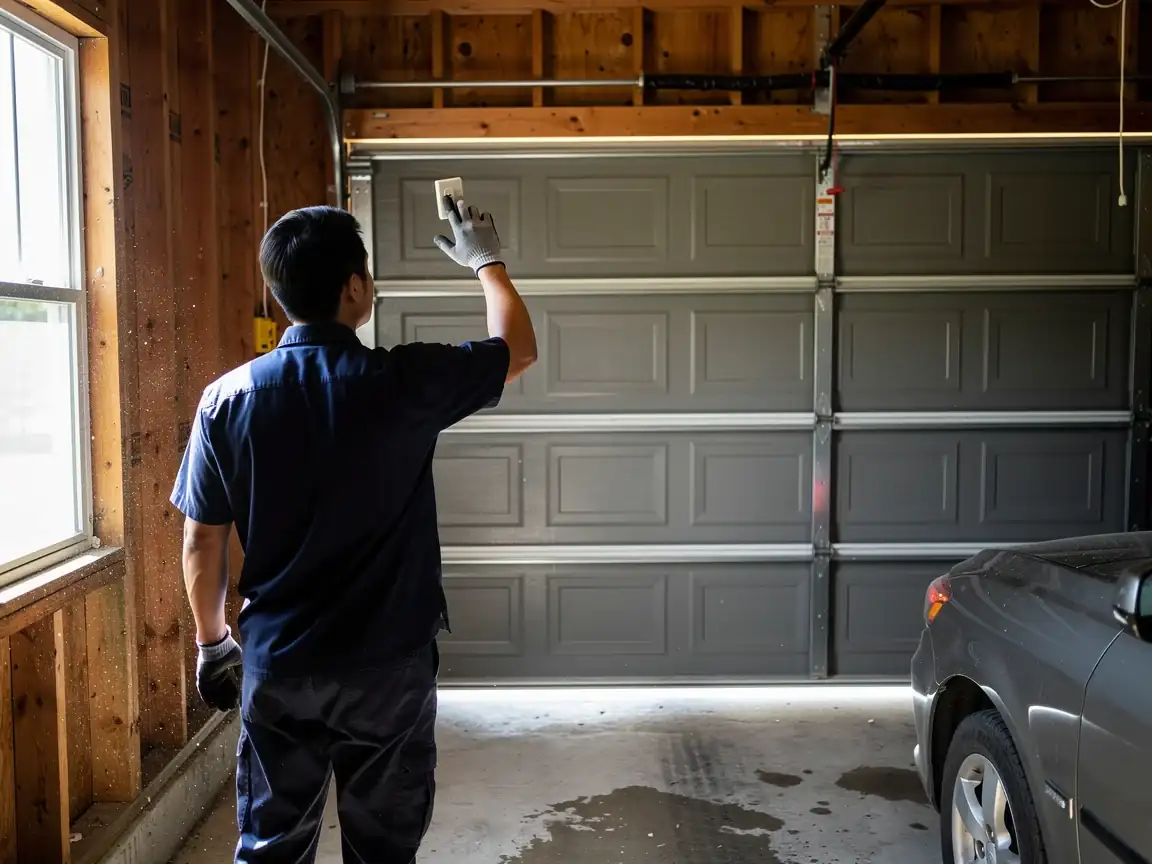
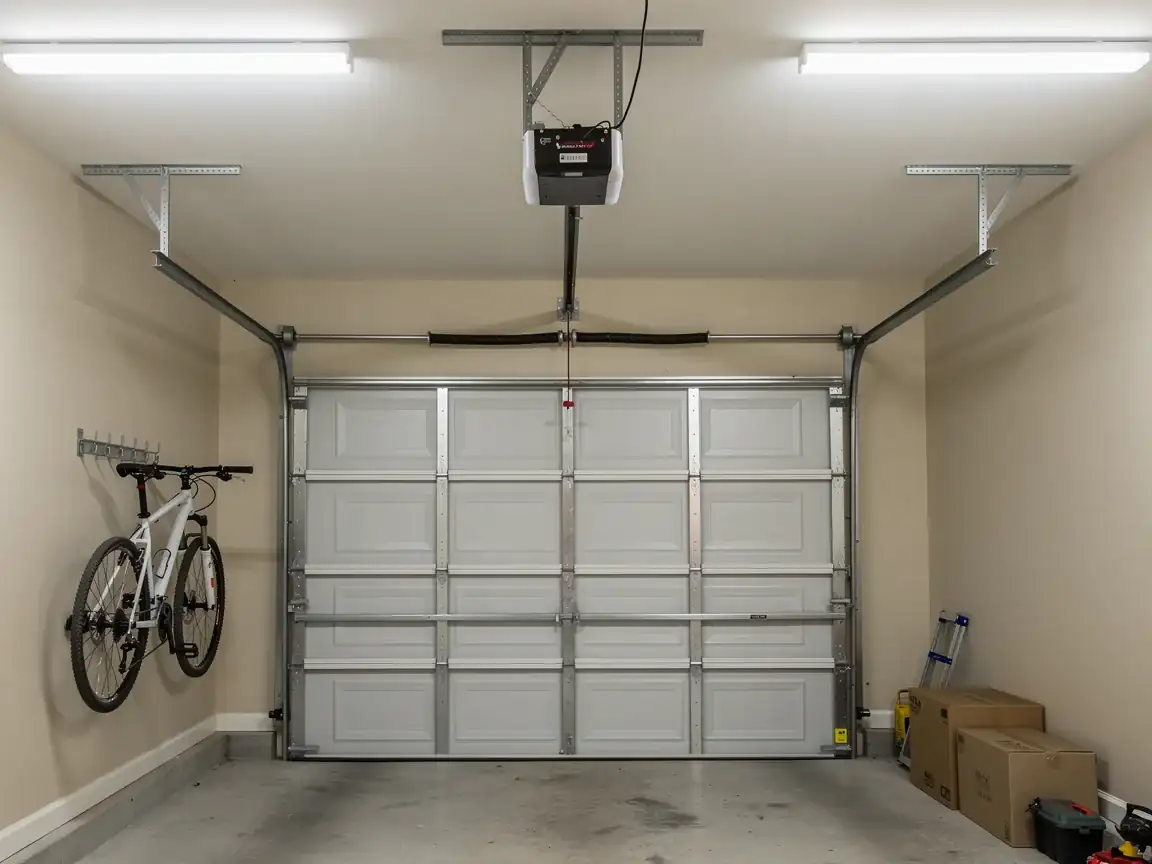
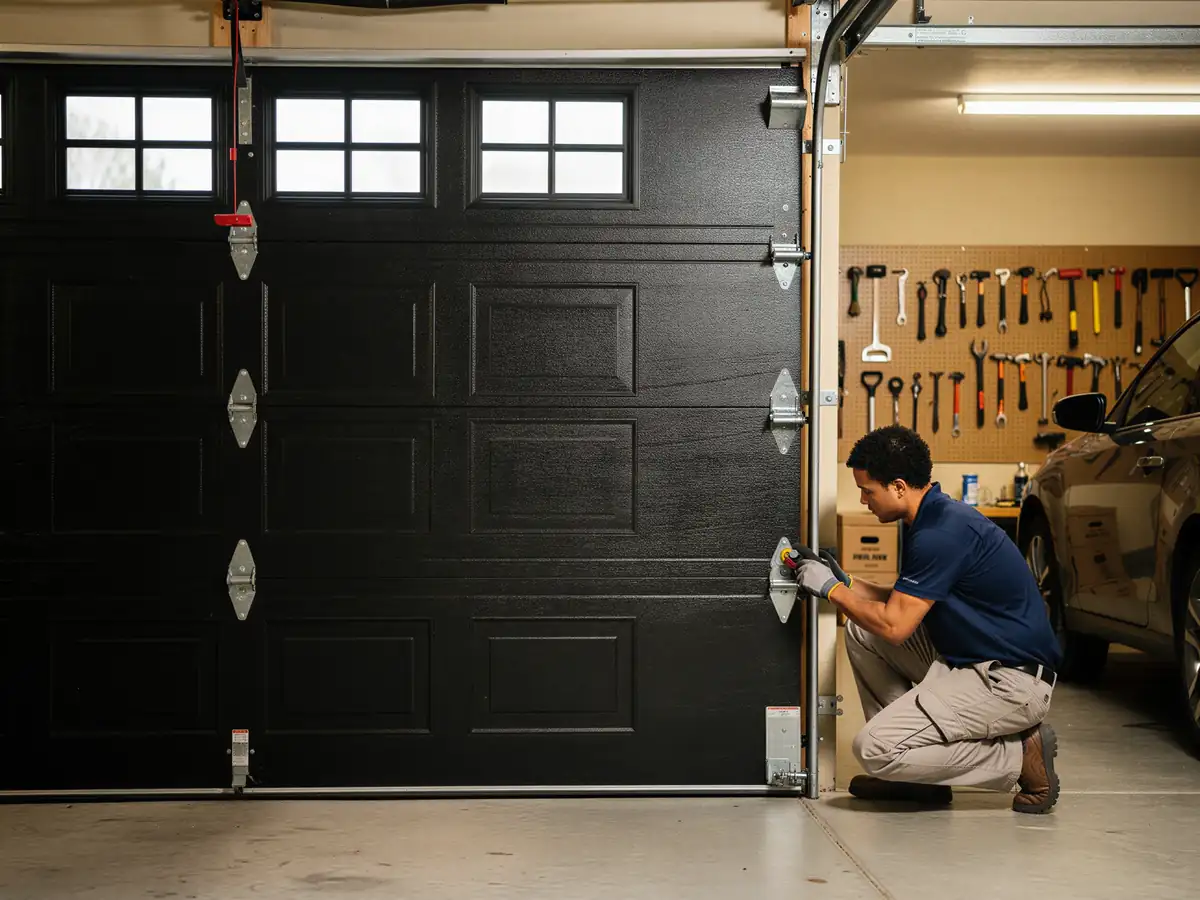
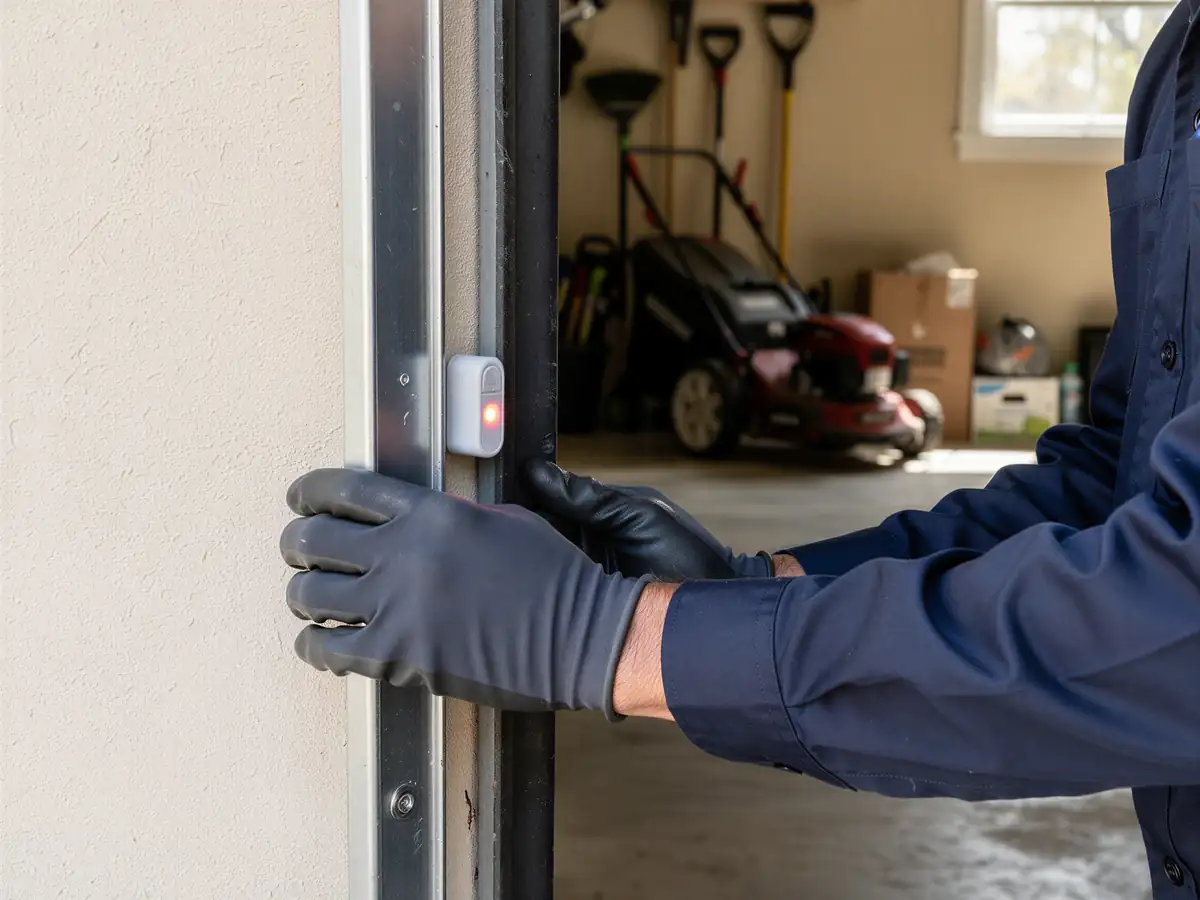
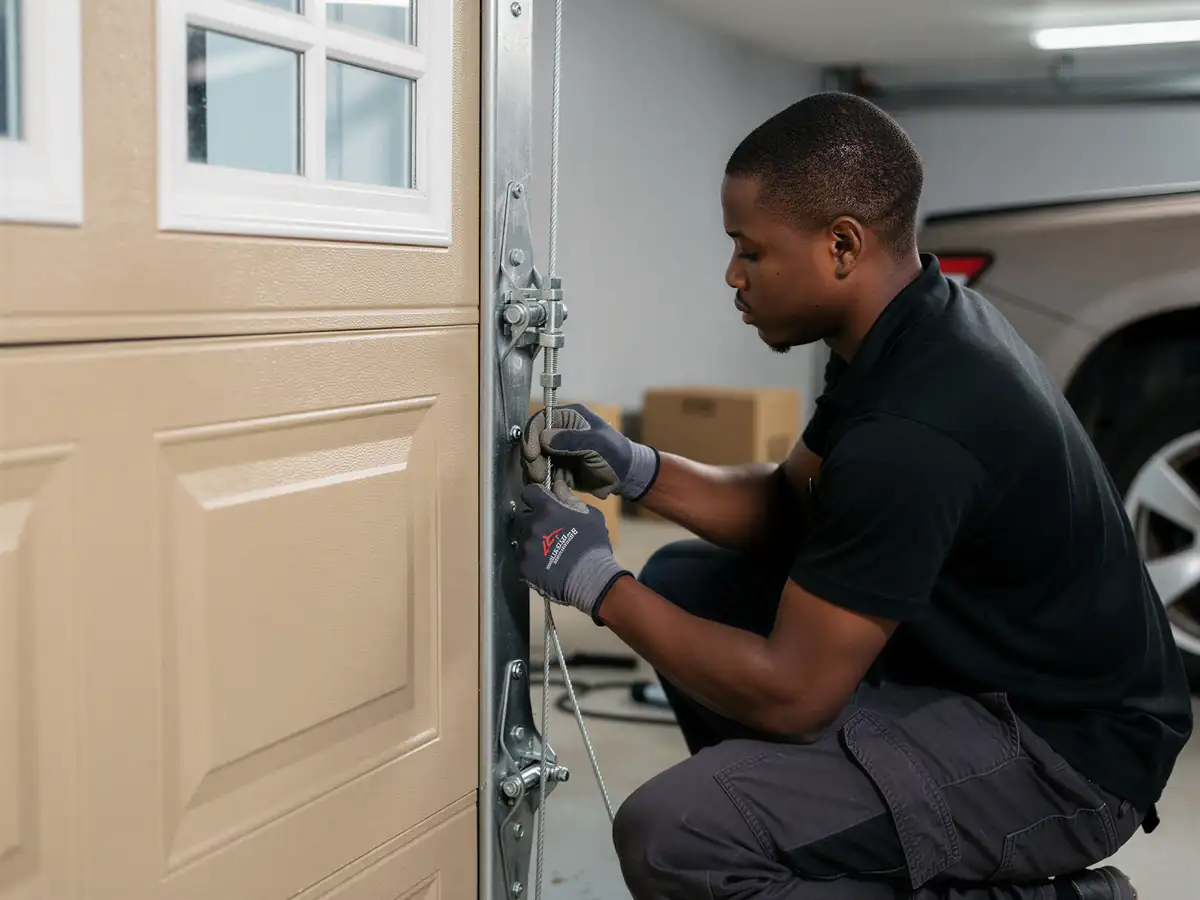
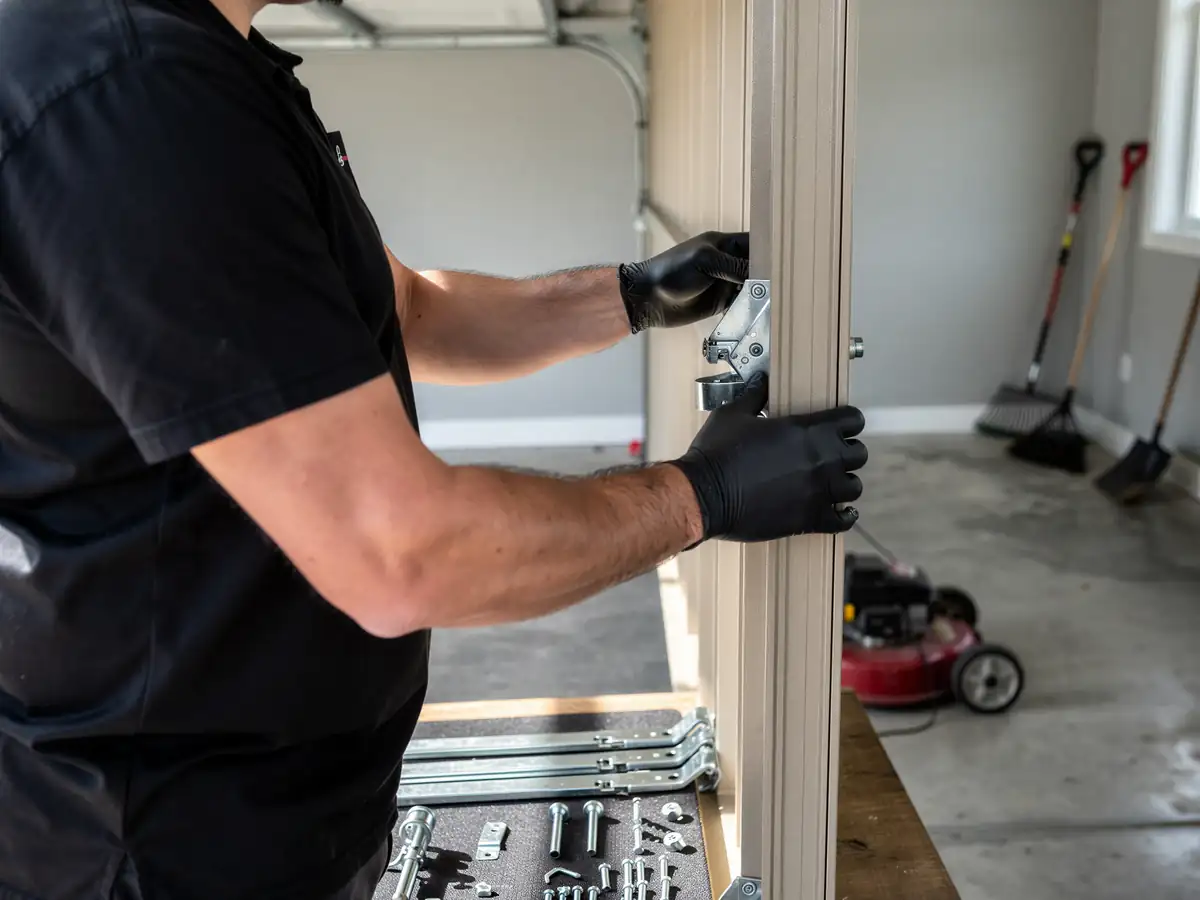
A single-panel swap on the kind of sectional door common in Three Way is typically a same-visit job once the part is on the truck - the panel bolts into the section joints, the door gets rehung and balanced, and we test the opener against the new weight if one's attached. Multi-panel jobs, where a crack or impact took out more than one section, take longer because we're rebalancing spring tension across more door weight.
The variable that actually controls your timeline isn't the install - it's the part. If your color or insulation spec isn't something we carry standard, ordering adds lead time before we can schedule the visit at all. We'd rather tell you that up front than promise a date we can't hit from Jackson.
Can You Do This Yourself
A bottom panel on a newer sectional door is one of the more DIY-feasible garage door repairs that exists
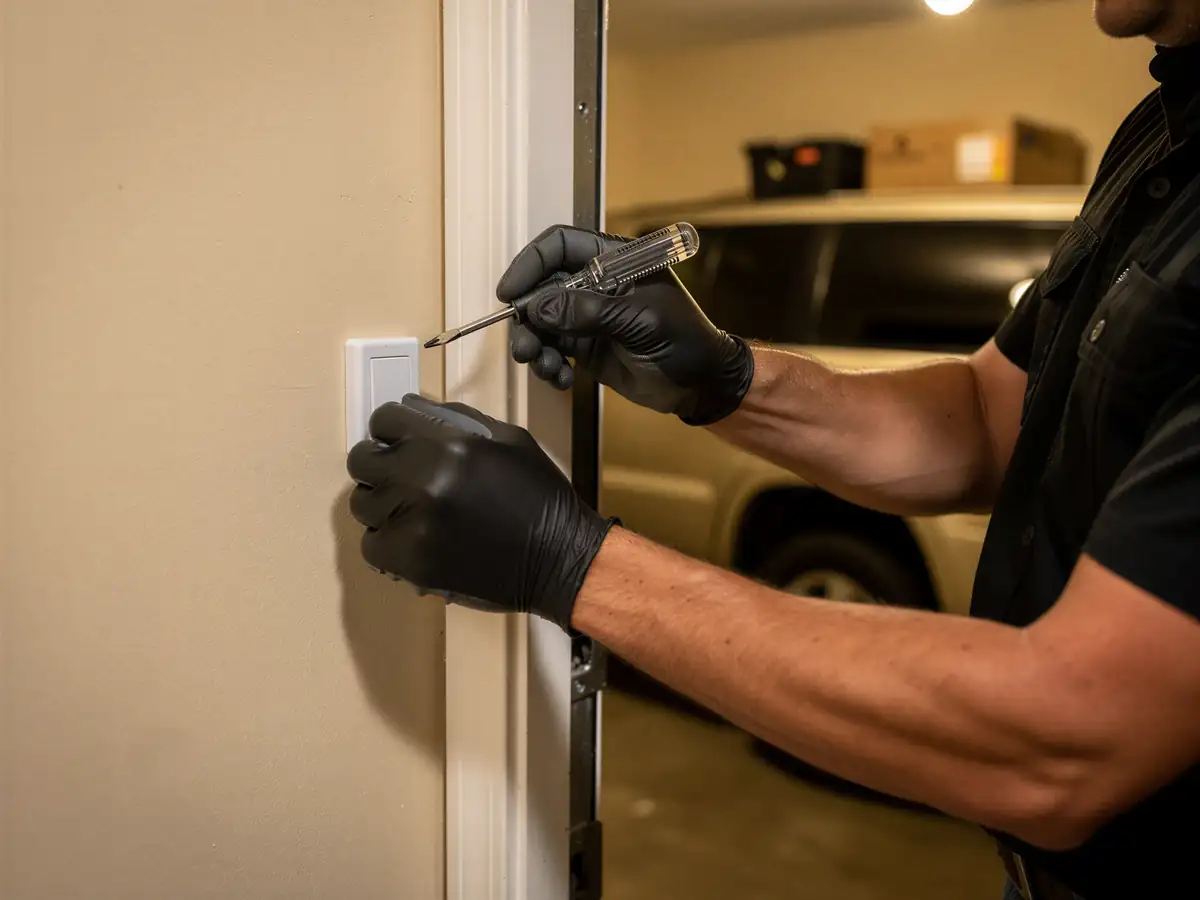
Mechanically speaking - the hardware is current, bolts are standard, and instructions exist for most major brands still in production. If you're comfortable disconnecting the opener and supporting the door safely while you work, a single-panel swap is within reach for someone handy.
Where we'd tell you to stop and call
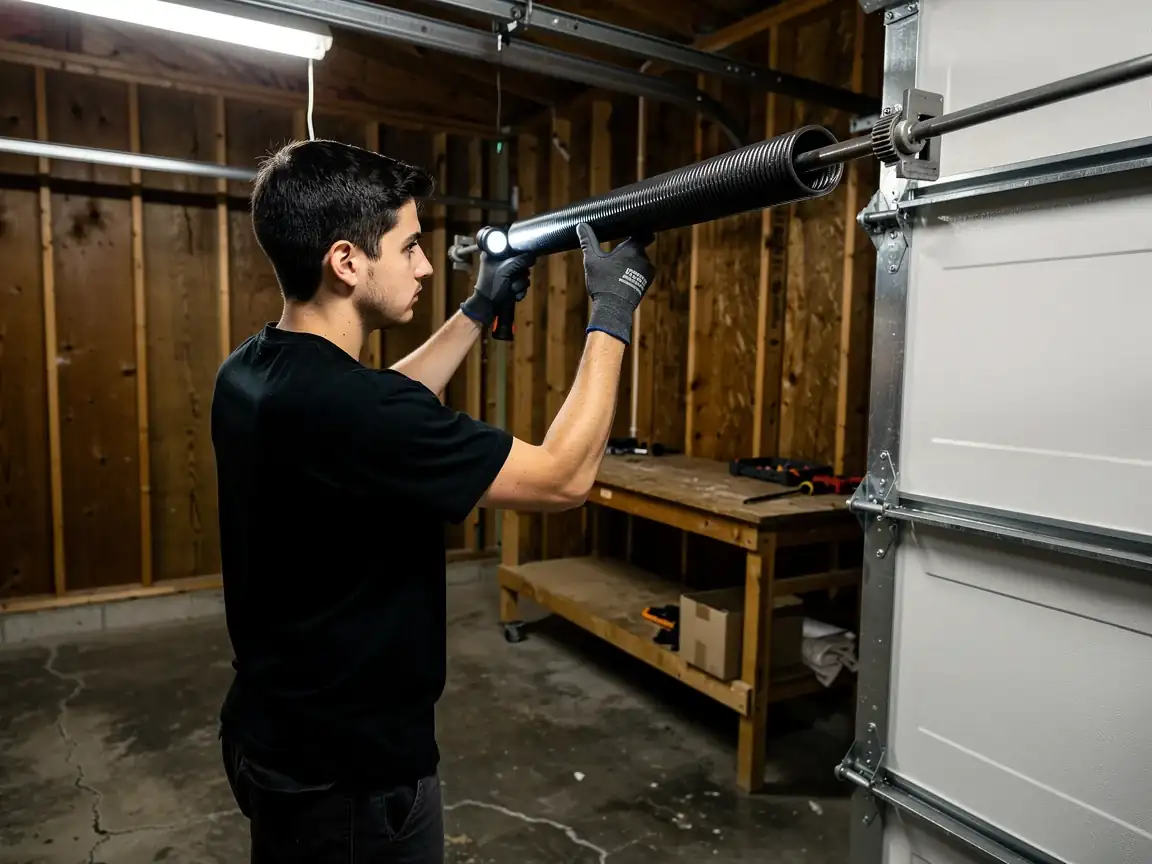
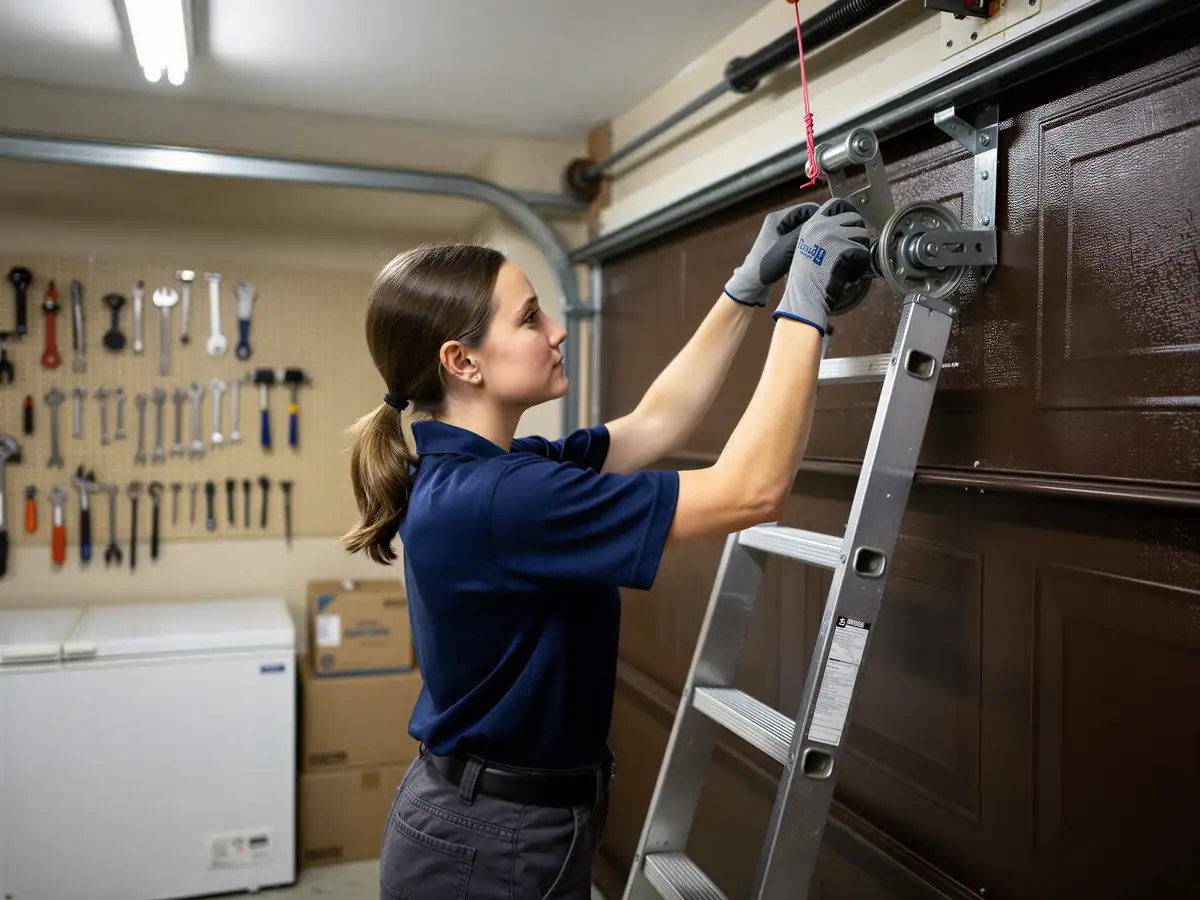
Anything involving the torsion spring assembly, or any job where the door won't hold its position unsupported. Spring tension on a sectional door is dangerous to misjudge, and it's not where a first DIY garage door job should happen. If the panel swap is clean and the door holds its balance on its own once unbolted, it's a reasonable weekend job. If it doesn't, that's the line where the cost of a mistake outweighs the cost of the call.