How to Book
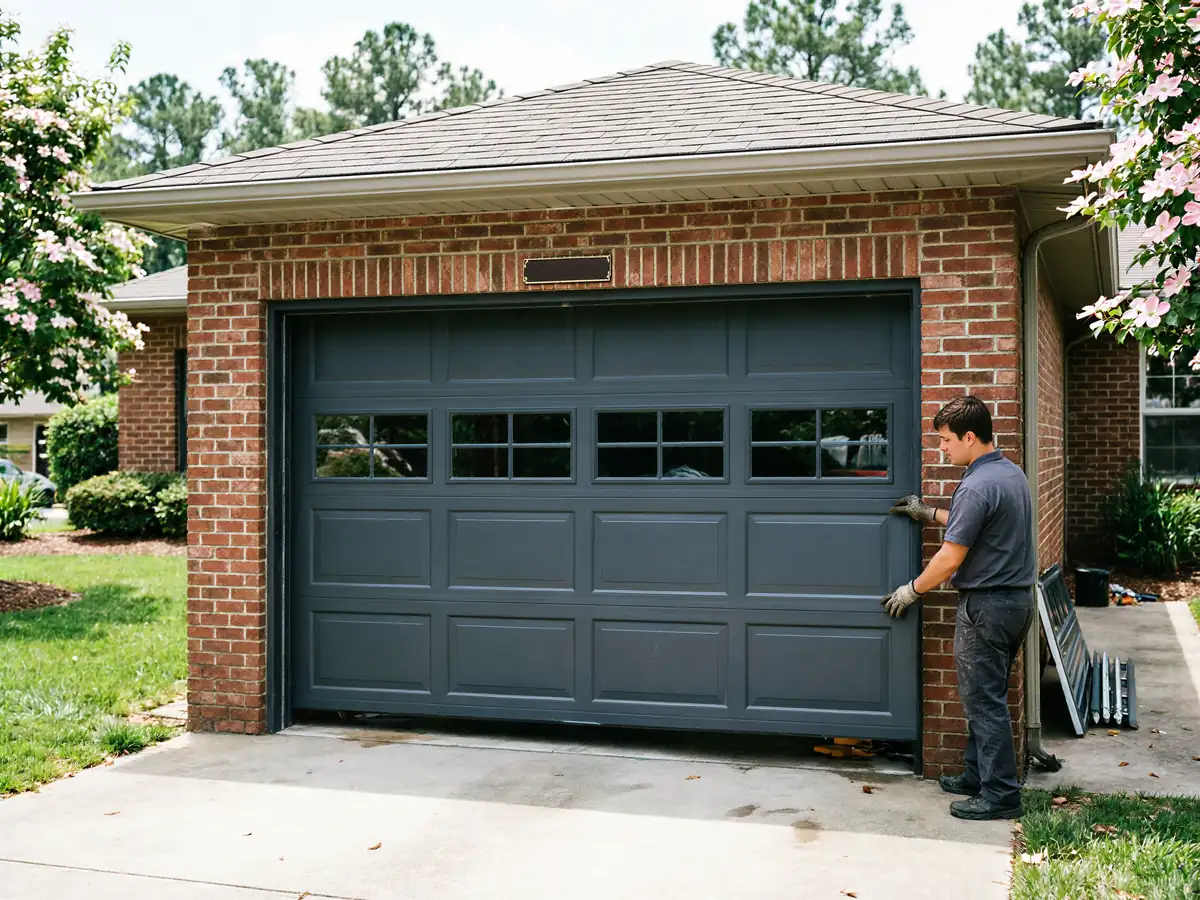
We run this job out of our Jackson shop, and Three Way sits about eight miles out, close enough that a crew can handle an opener swap and be back on the road the same morning without the day getting eaten up in travel. Book through our Three Way page and tell us what you've got on the wall now, chain or belt, and whether the old unit still runs or has quit outright. If you're also weighing other door work at the same address, our opener install page for the Jackson area covers the broader service territory and pricing patterns that apply here too. For a straight opener swap with no header or framing changes, there's not much prep needed on your end beyond clearing the garage floor and having the remote or keypad codes handy if you want them carried over to the new unit. We'll confirm the drive type and horsepower that match your door's weight before the truck leaves Jackson, so the right unit is already on board when we get there.
The Complications
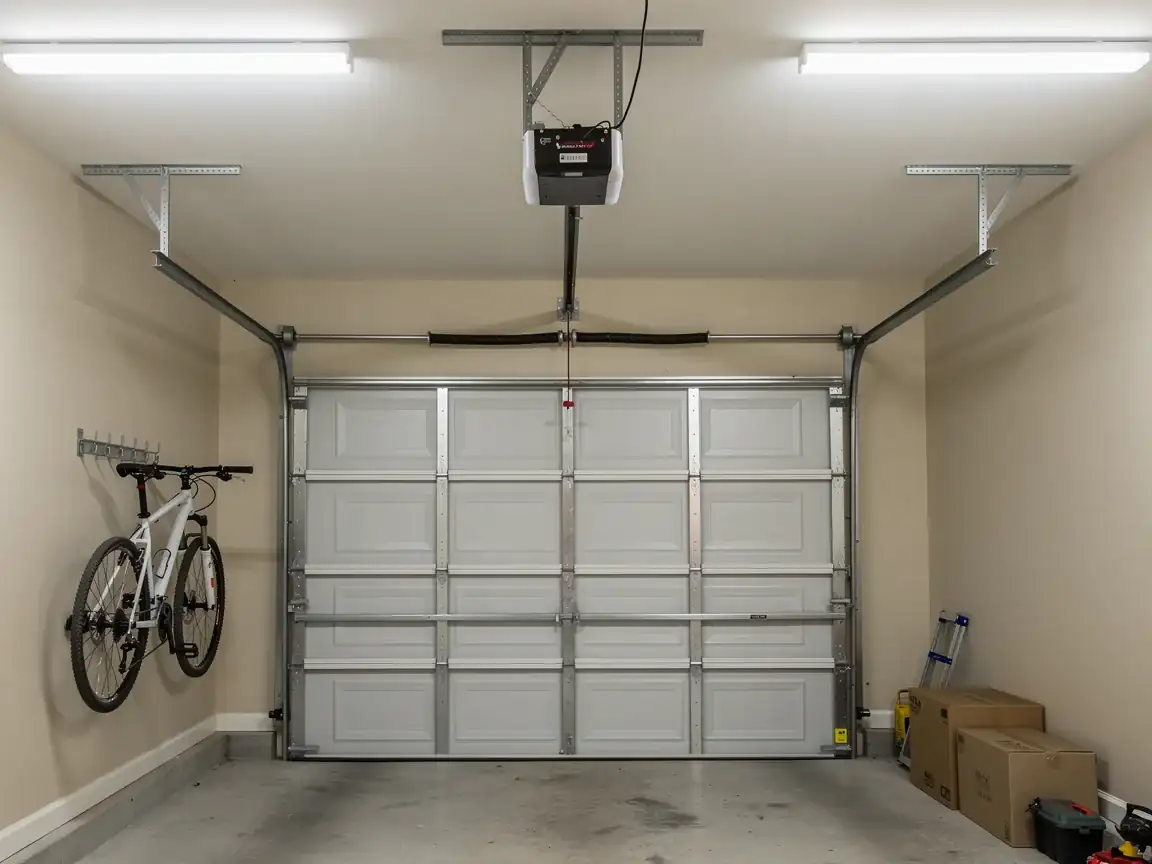
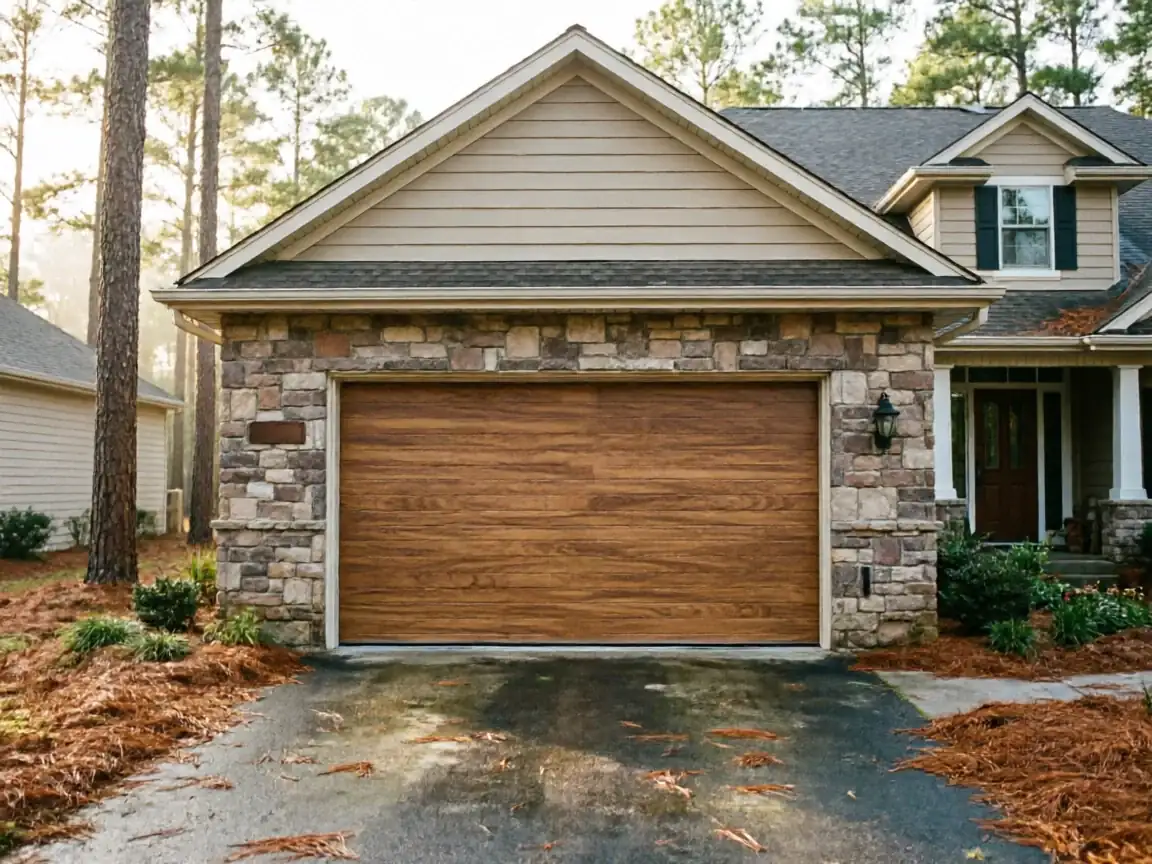
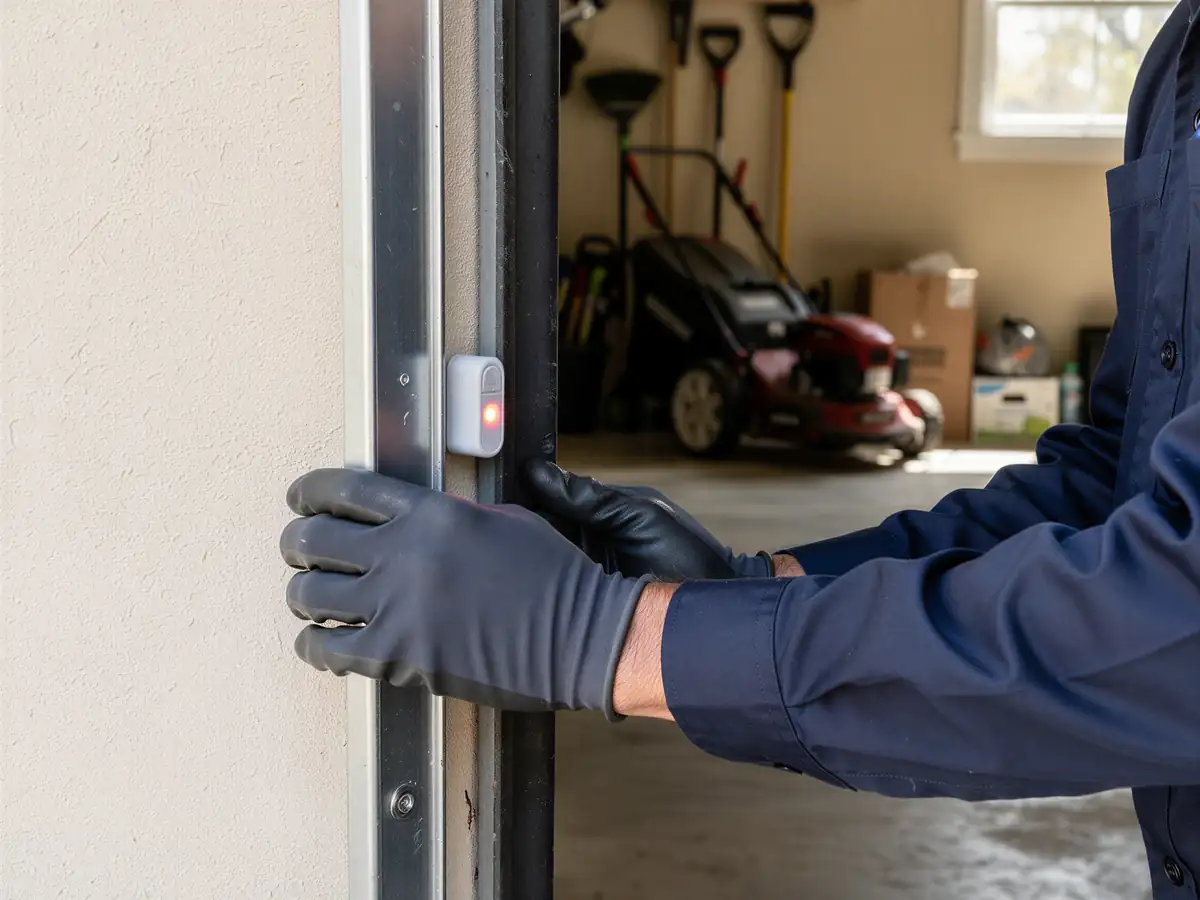
Three Way's housing stock runs younger than most of the territory we cover - the median home here went up around 1997, a good two decades newer than the 1960s-70s builds that make up much of the rest of the service area. That matters for openers because houses from this era were built after the 1993 federal rule requiring photo-eye safety sensors, so nearly every garage here already has that wiring in place. The complication isn't adding sensors from scratch, it's working around whatever bracket height and wire routing the original builder used, which varies more than you'd think even within one subdivision built in the same few years. Ceiling height and header clearance also tend to run more standardized in this era of construction than in older homes, which usually makes mounting straightforward. Where we do run into trouble is garages with finished ceilings or added insulation installed after the fact, since that can hide the horizontal rail path or force a jackshaft conversion instead of a standard chain or belt unit. We check this before quoting, not after the truck's already there.
Parts We Carry
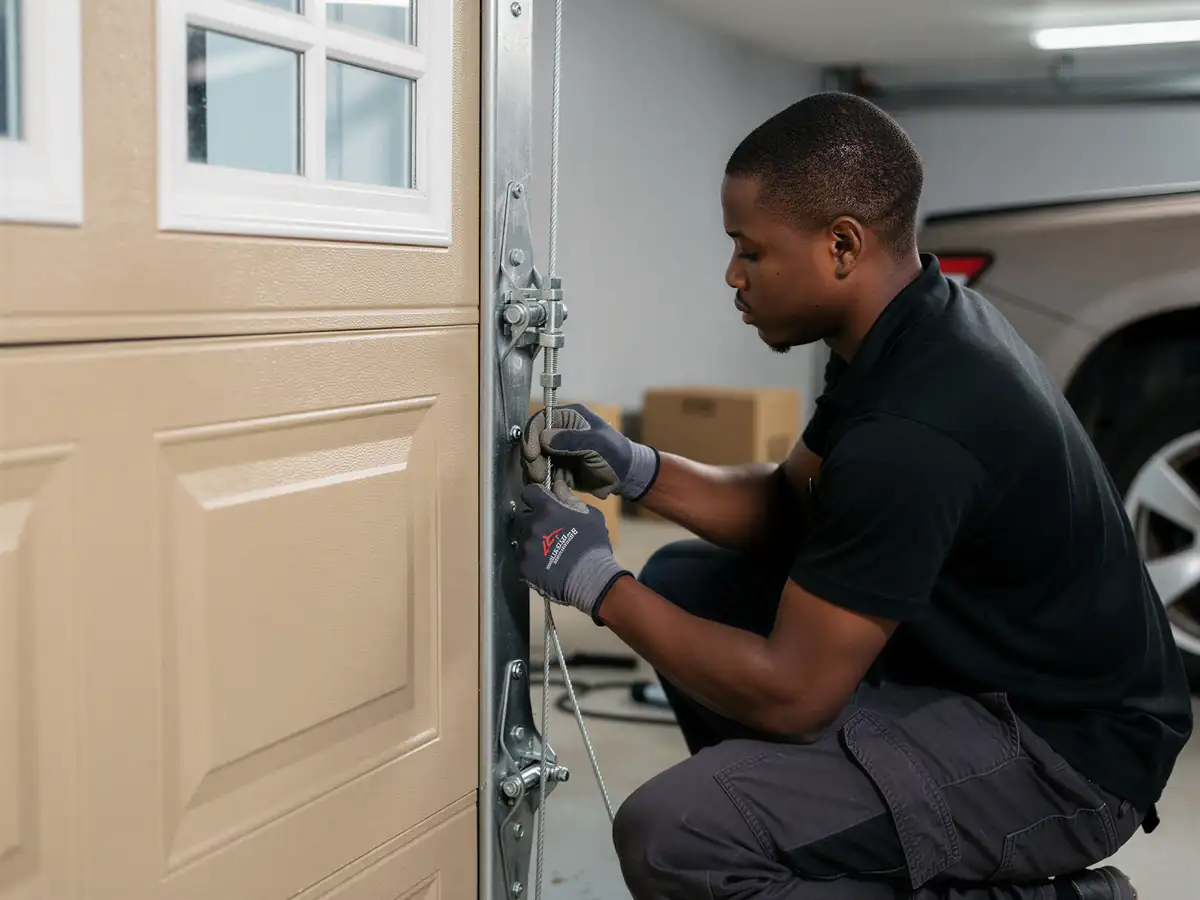
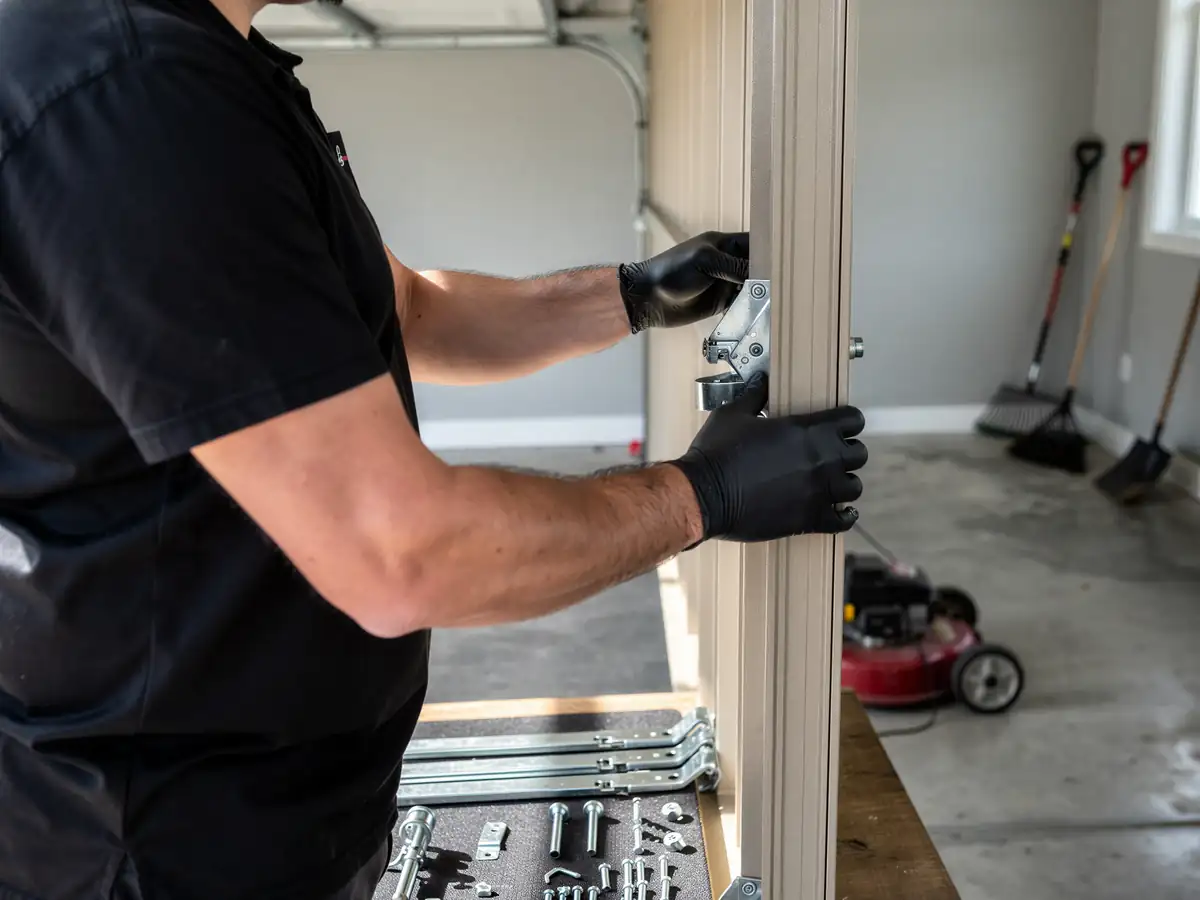
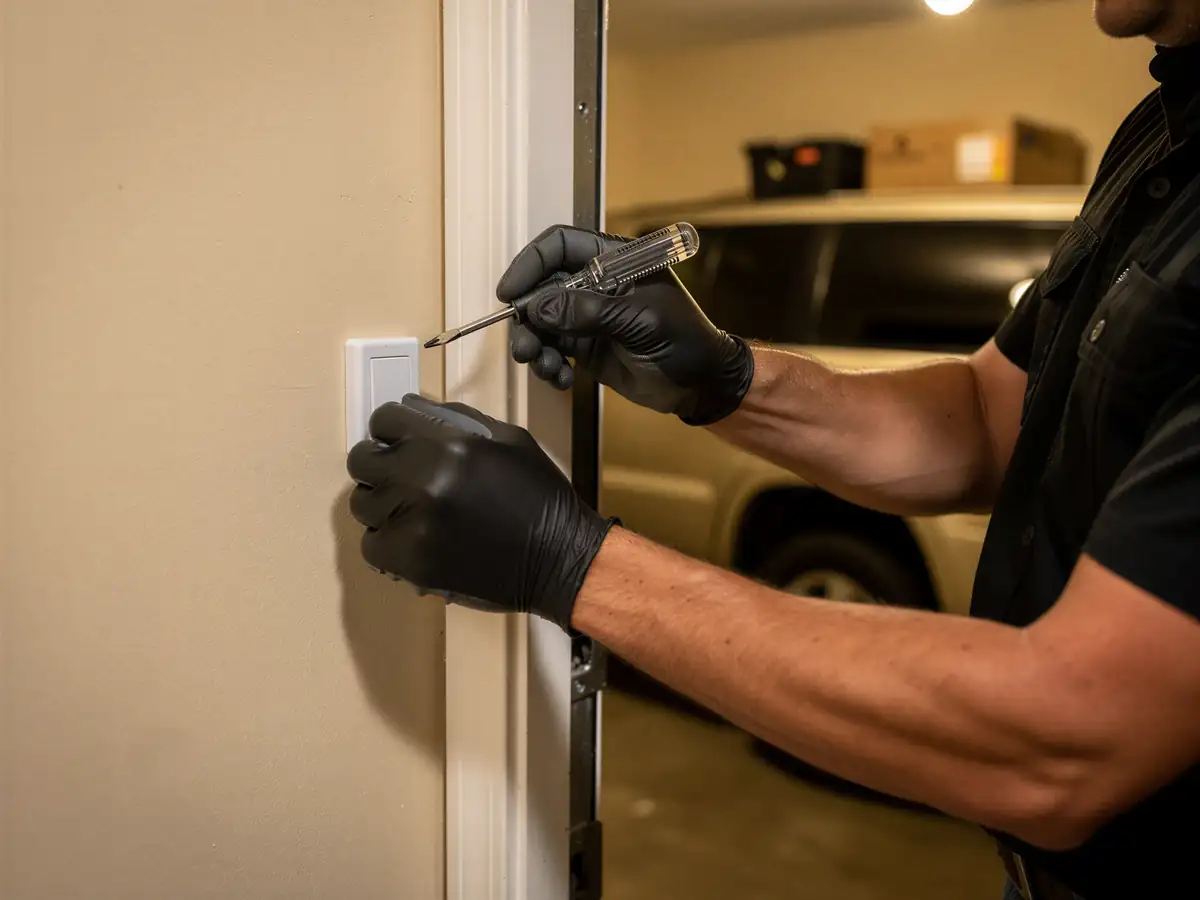
We keep chain-drive and belt-drive opener units on the truck along with the gear kits, drive sprockets, and circuit boards that fail most often on units from the 1990s and 2000s. Photo-eye safety sensor pairs and the low-voltage wire that connects them are standard stock, since replacing a cracked or fogged sensor eye is one of the more common small jobs we do on houses this age. We also carry wall console buttons, keypad entry units, and remotes compatible with most major drive systems, so a dead remote doesn't always mean a whole-unit swap. Given the cold winters this region sees, we stock cold-rated lubricant for chain and rail systems and keep battery backup units on hand, since a dead opener during a winter power outage is a common complaint in this climate band. What we don't carry on the truck is specialty jackshaft hardware for low-headroom conversions - that's a special-order part, and if your garage needs one we'll tell you up front rather than making you wait on-site while we figure that out.
How Long It Takes
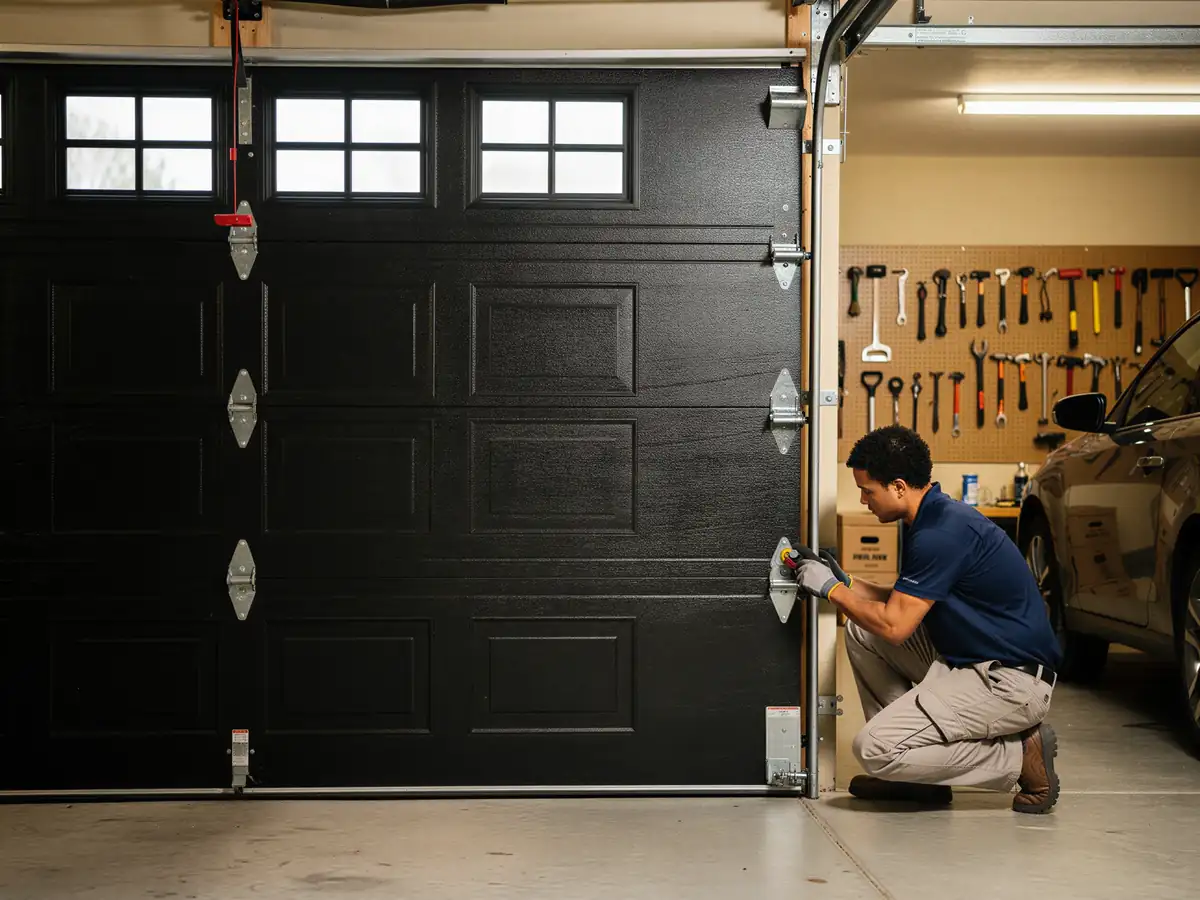
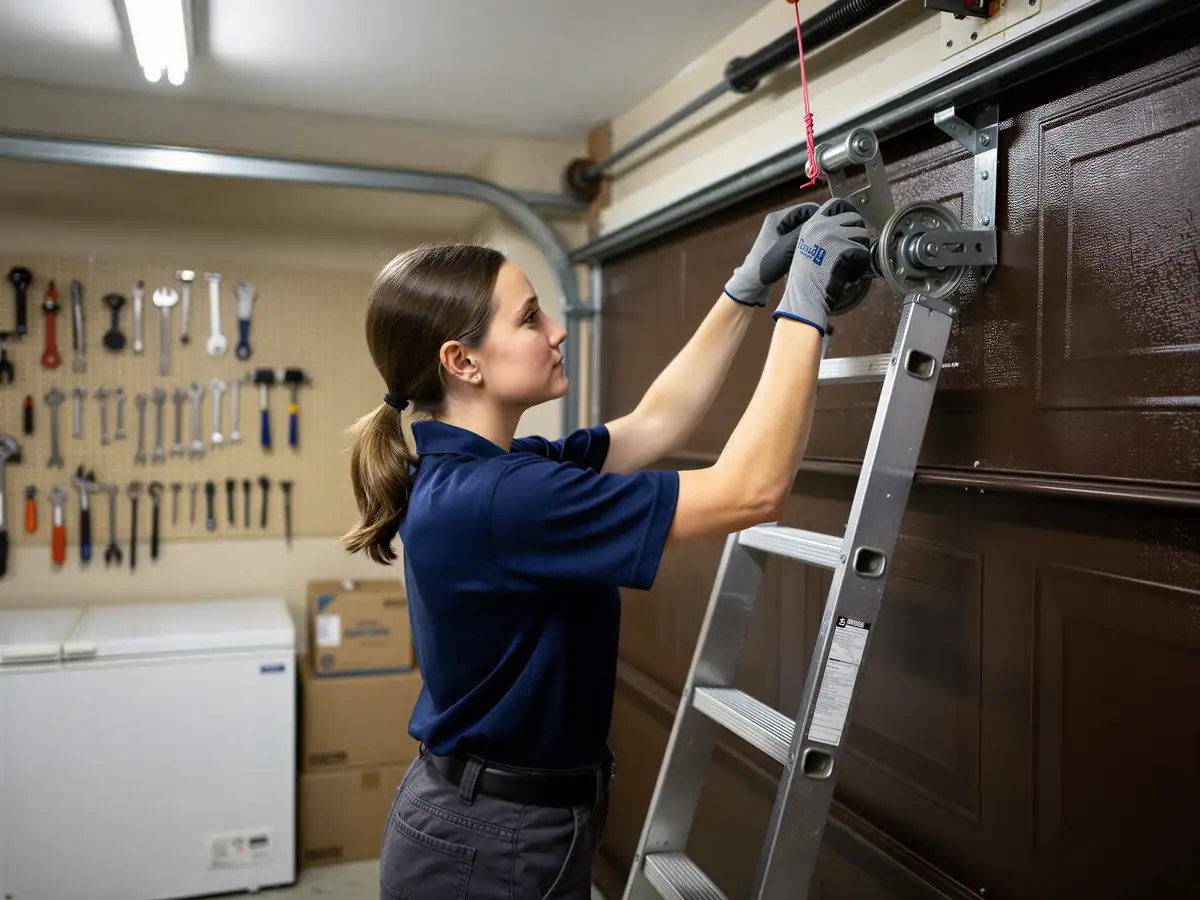
A straight opener swap, where the old unit comes down and a new chain or belt drive goes up on existing rail hardware, usually runs two to three hours once the crew is on site, not counting the drive out from Jackson. Add a sensor realignment or a wall console replacement and it stretches toward the longer end of that window. Jobs that turn into a rail or header modification, or that need a jackshaft conversion because of low ceiling clearance, take longer and we'll tell you that as soon as we see the garage, not after we've already started pulling the old unit down. We don't quote a fixed number before seeing the setup in person, because the age and condition of the existing rail and mounting bracket make more difference than the opener brand itself. What we can say is that for most of the homes built in this part of the territory in the 1990s and 2000s, the hardware underneath is standard enough that surprises are rare.