What You Pay
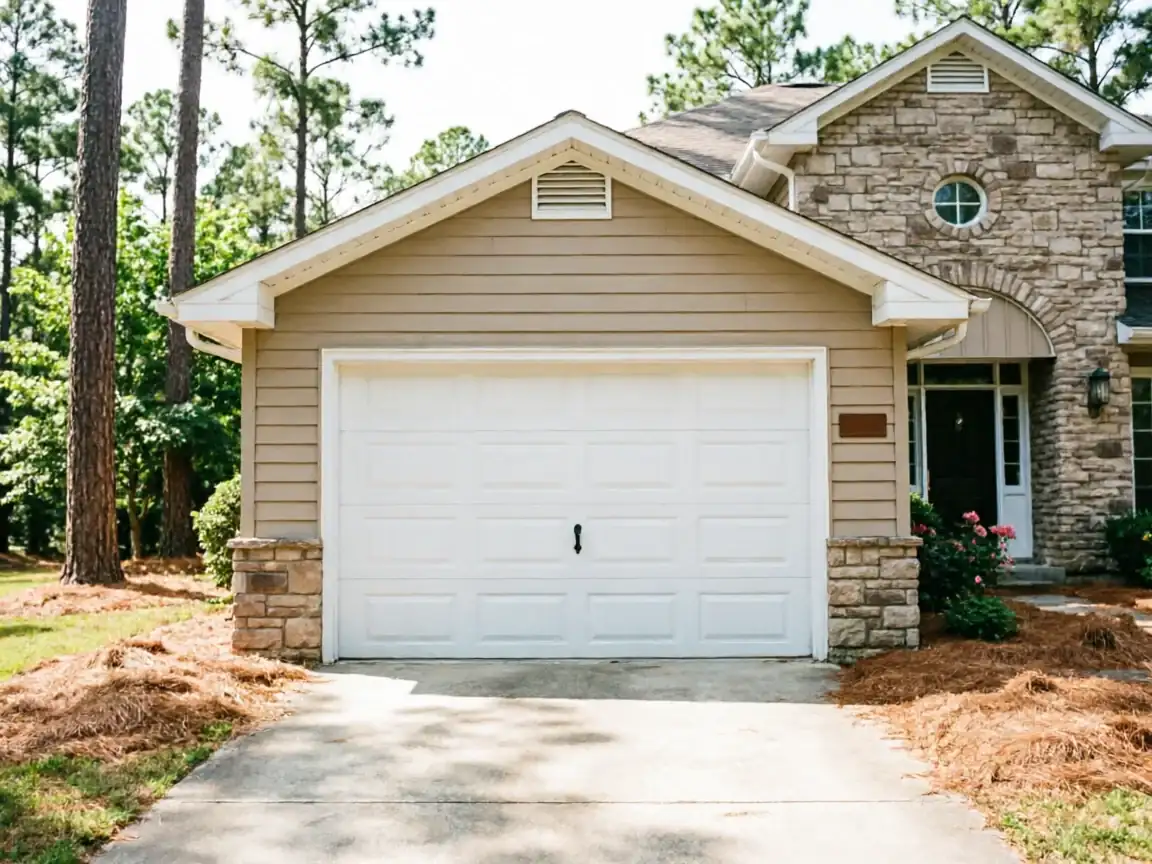
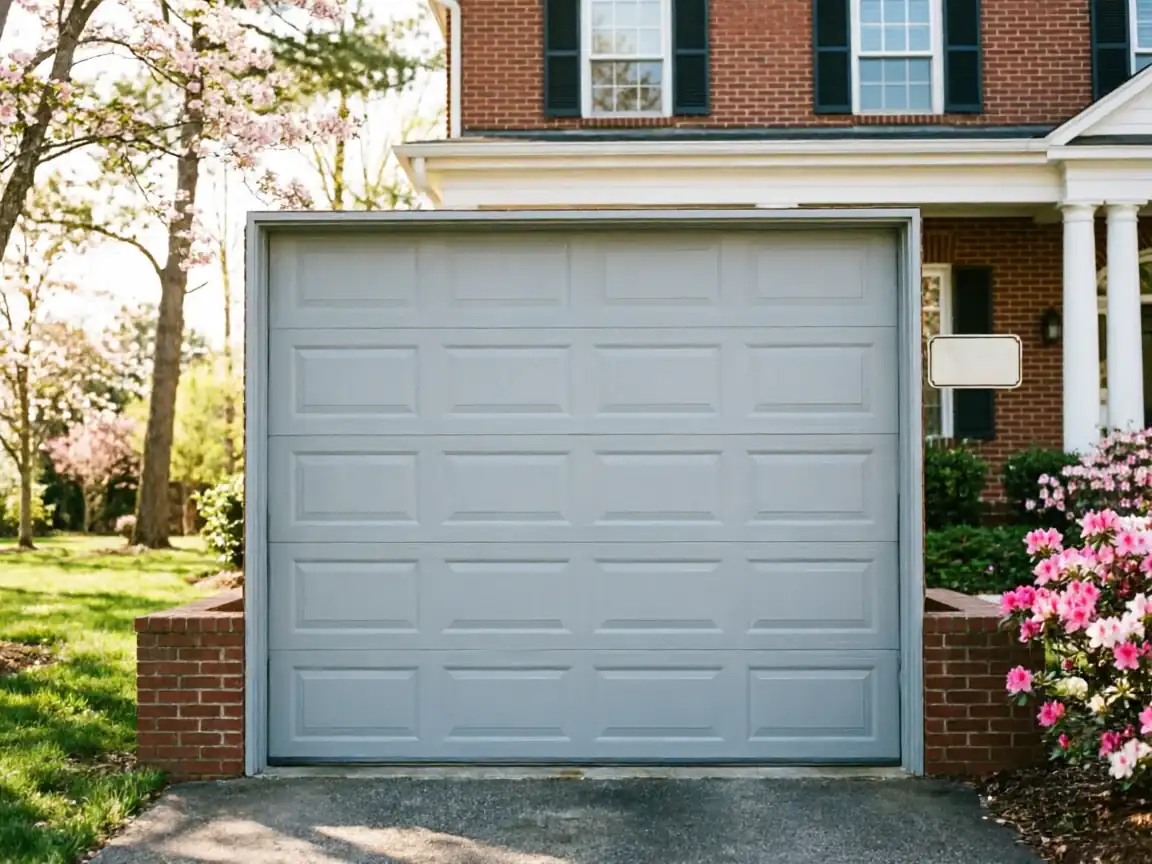
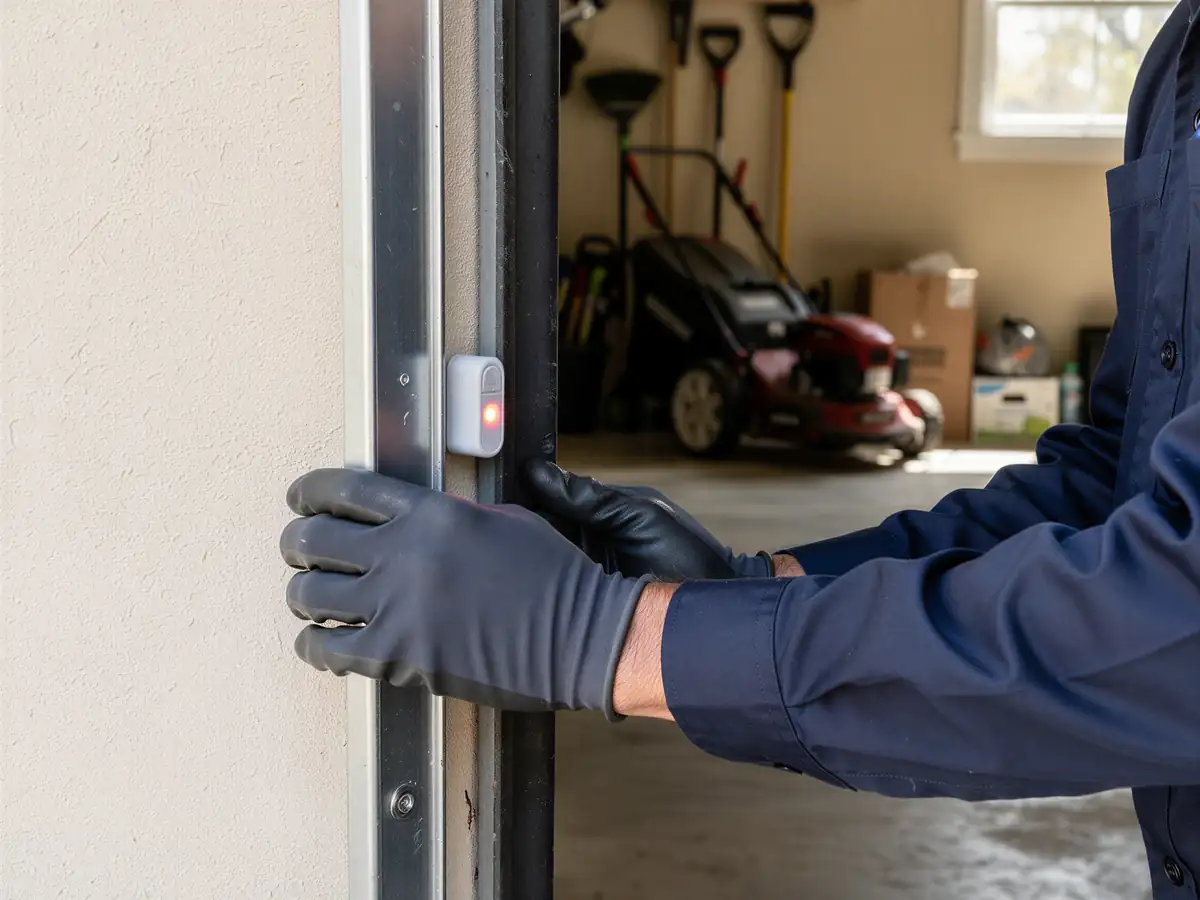
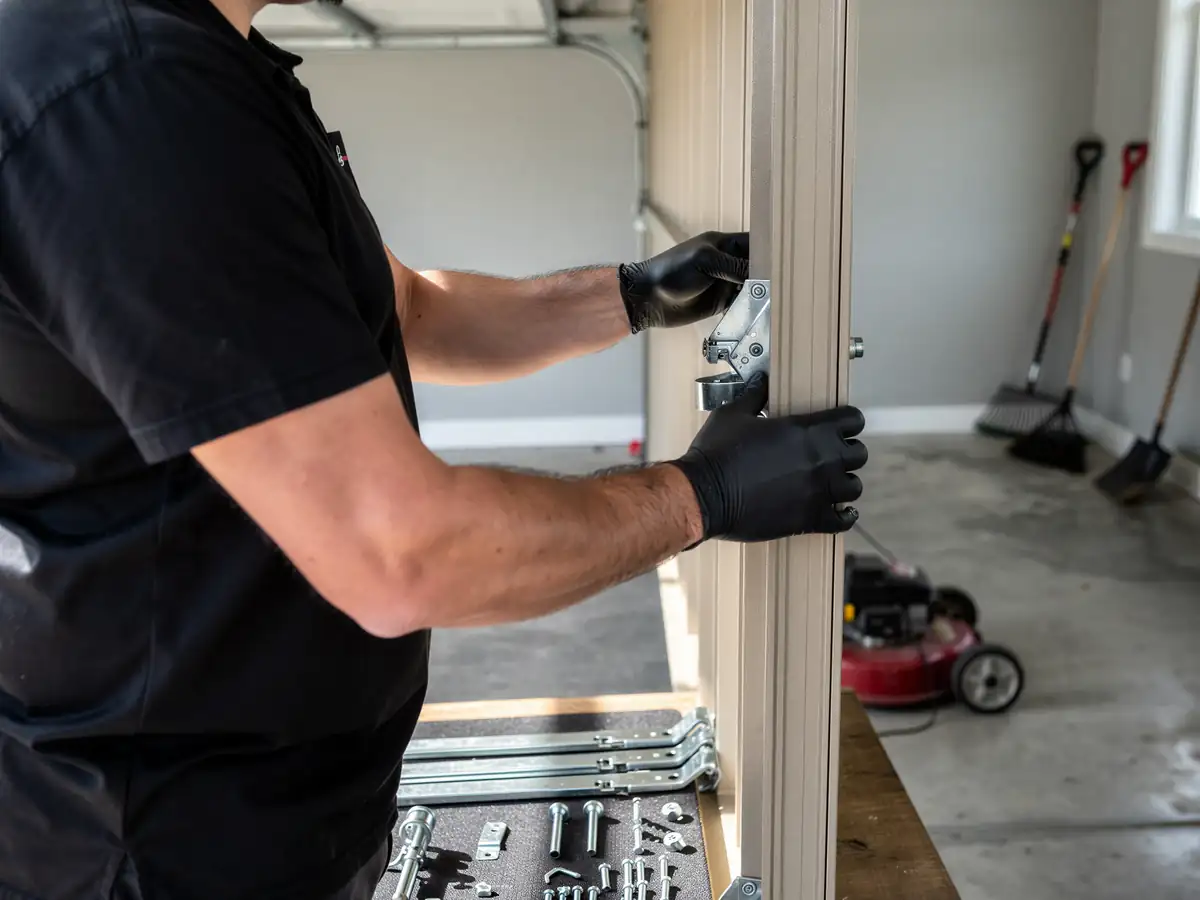
Most of the doors we see on roller calls in Milan are original steel sectional doors from the mid-1970s build wave - single or double, unfinished steel skin, running on 7-ball rollers in stamped steel track rather than the nylon-in-aluminum setups you'd find on anything put up after 2000. That matters for cost. A straight steel roller swap, done in pairs or as a full set, is one of the cheaper jobs we run a truck out for, and it's usually the right call on a door this age rather than a full replacement.
Milan's median household income runs lower than the $54,132 median across the wider service area we cover out of Jackson, and we see that reflected in what gets chosen here: steel rollers over nylon, repair over replace, more often than in some of the newer subdivisions closer to town. Nothing wrong with that call - steel rollers on steel track will run another decade if the track itself is straight. We don't carry a price list we can quote sight unseen, since the roller count, the track condition, and whether the spring's been dragging on bad rollers for years all change the number once we're looking at the door.
Can You Do This Yourself
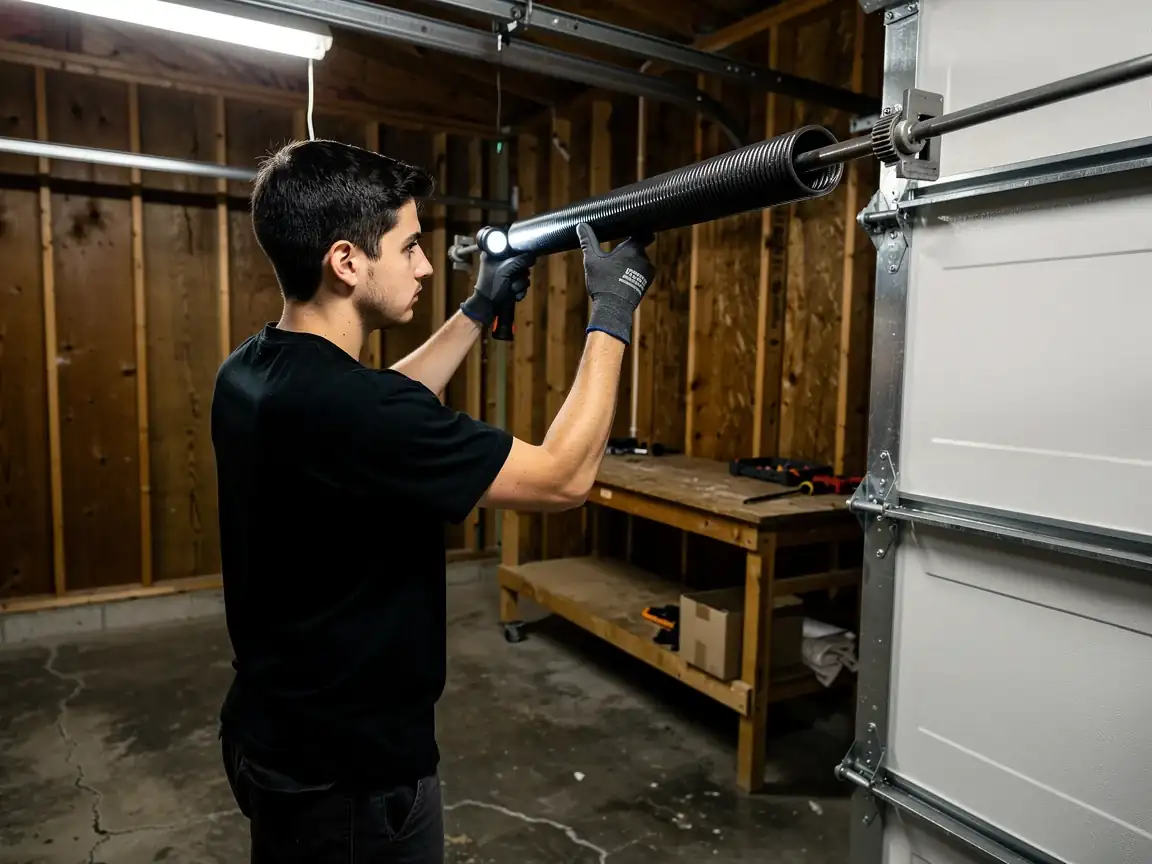
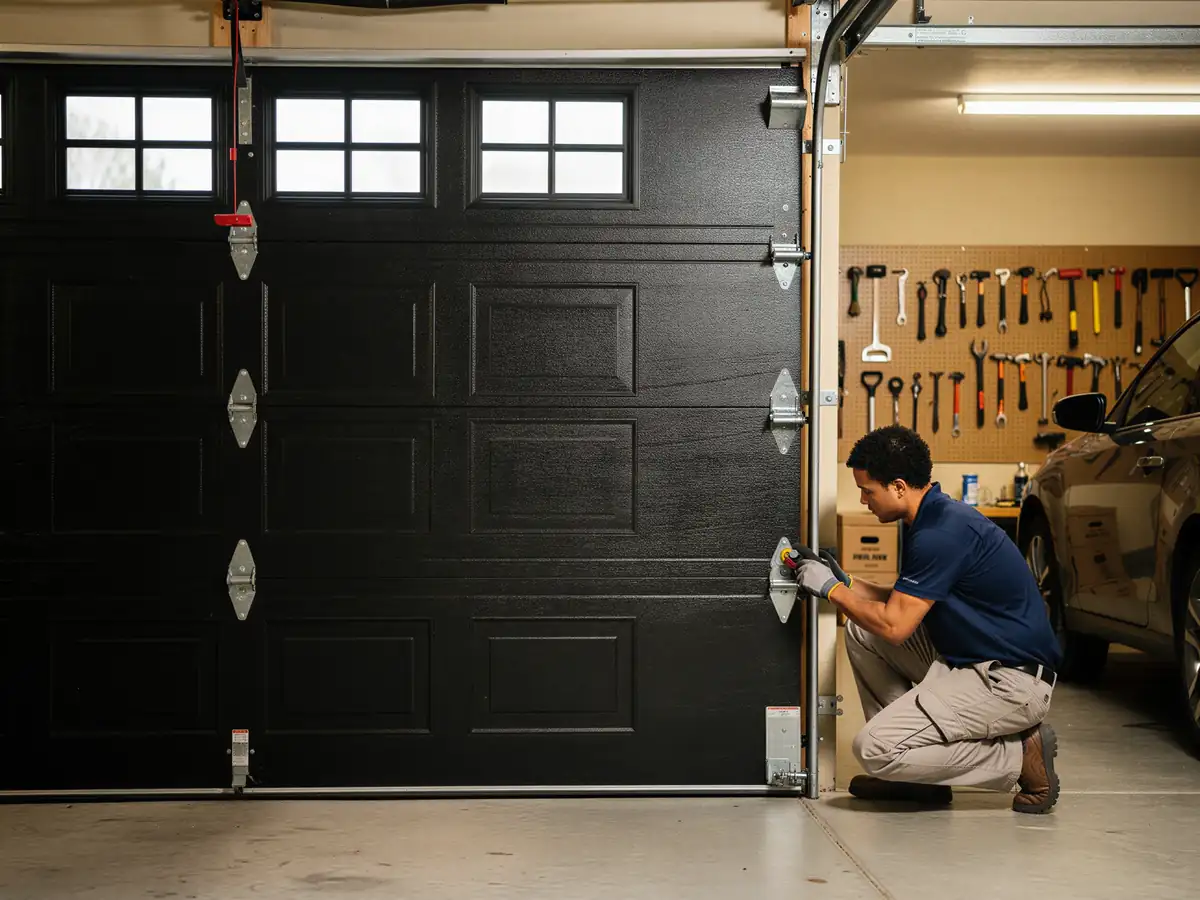
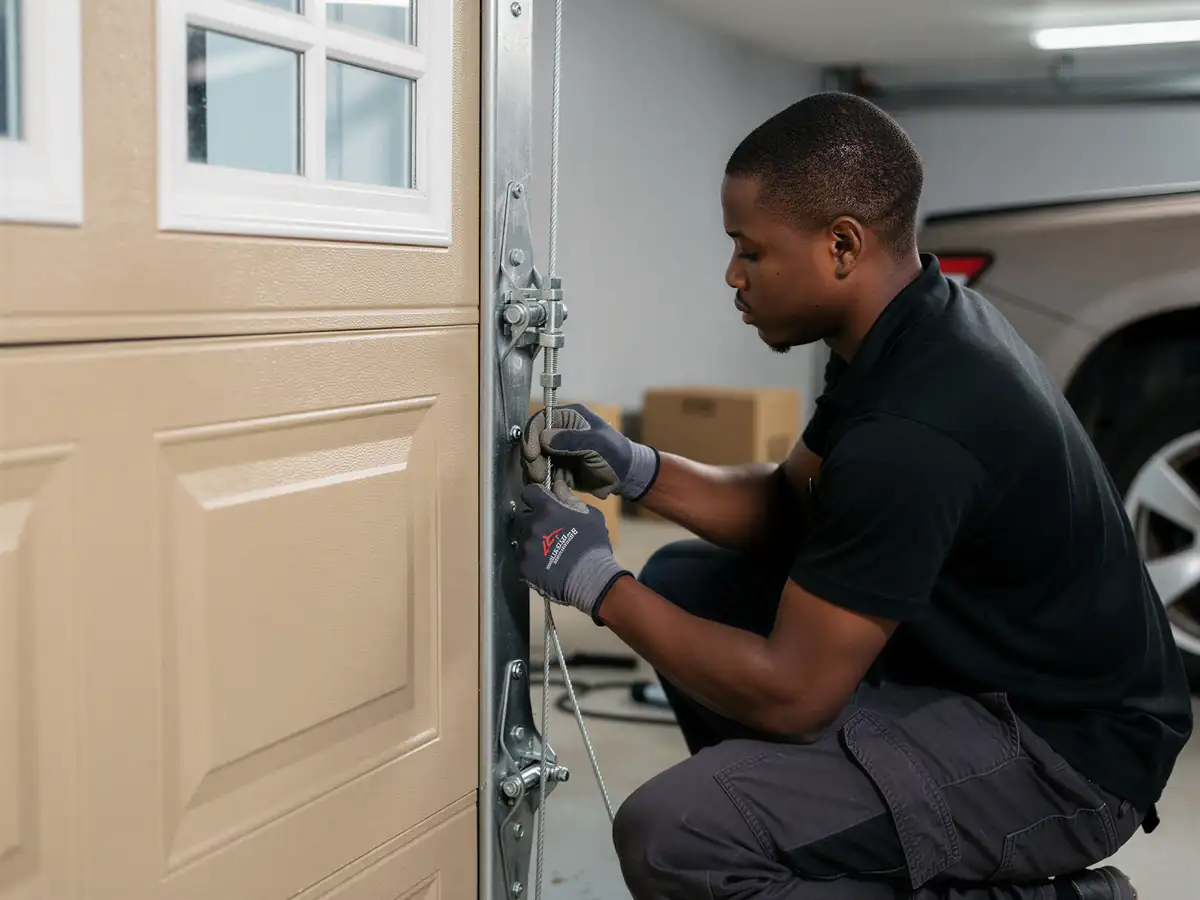
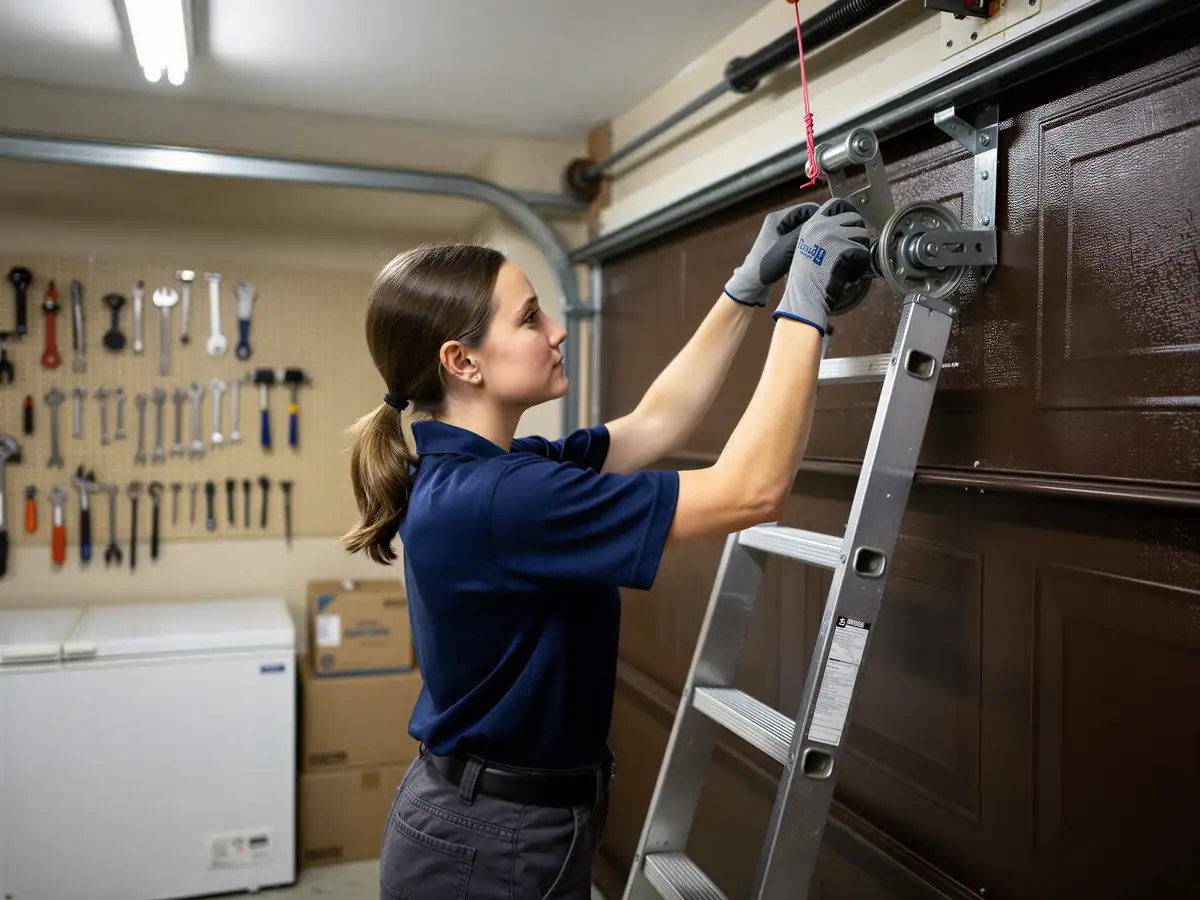
If your door is making a grinding or popping sound as it travels and the rollers themselves look worn, flat-spotted, or have a cracked plastic sleeve, swapping a roller or two on an unplugged opener with the door down and the spring untouched is within reach for someone comfortable with a socket wrench and a ladder. Top rollers on a door this age are usually the first to go since they carry the curve into the horizontal track.
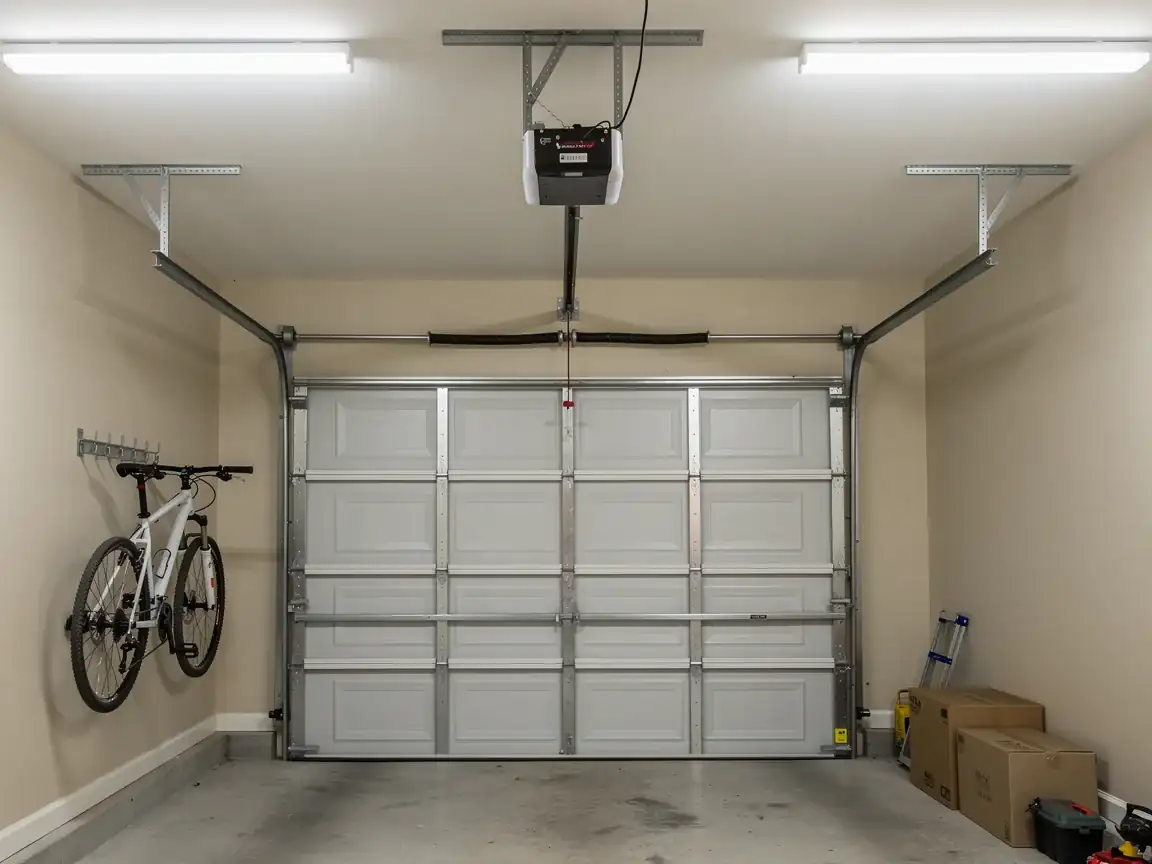
Where we'd stop you: if the noise is coming from a torsion spring on a double door, or if the track itself is bent or pulled away from the jamb, a roller swap won't fix it and working on a loaded spring without the right bars is how people get hurt. On a steel door built around 1975, the hardware is often original, which means the track brackets and spring anchor are also forty-plus years old - if one thing's worn, it's worth having the whole run looked at before you put new rollers on old track.
What Causes It Around Here
Milan sits in the same cold-moderate winter band as the rest of the Jackson service area
And that band is hard on two different roller materials for two different reasons. Nylon rollers go brittle and crack in a hard freeze, especially on doors that sit unused for stretches - you'll hear a sharp snap before you ever see the piece. Steel rollers don't crack, but they rust and pit at the stem where moisture sits, and a pitted stem wears the bearing out from the inside, which is the grinding sound a lot of Milan homeowners describe on the phone before we ever see the door.
Because the housing stock through this part of the service area mostly dates to the 1960s and 70s
A lot of these doors are hitting the same wear point around the same time - original steel track, original rollers, decades of seasonal temperature swings working on the same stem and the same bracket. It's less a single cause and more the math of a door built in 1975 still running its first set of hardware.
How to Book
We run out of Jackson, and Milan is about 18 miles from the shop, so a roller job here goes on the schedule like any other call in that radius - we don't keep a crew or a stocked truck sitting in Milan itself, and we're not going to tell you otherwise. What we can do is look at the door, tell you straight whether it's a roller-only fix or something bigger tied to the same worn hardware, and give you a number before anything gets touched.
If you're not sure whether what you're dealing with is roller noise or something in the spring or opener, our Milan page has more on the general signs we look for before we ever load the truck. For the roller job itself, we run the same process and the same parts out of Jackson whether the call is in town or out here - you can see how we handle the work on our main roller replacement page.
The Complications
A straight roller swap turns complicated fast on a double door where both tracks have been carrying a sagging panel for a while - worn rollers let a heavy steel door ride slightly off-level, and that puts uneven load on the cables and the spring that nobody notices until a cable frays. On a 1975-era door, we also run into brackets that have loosened over the decades, which means the new rollers go in fine but the door still rattles because the track itself is shifting in the opening.
The honest limit here: if the track is bent, rusted through, or pulled off true, new rollers are a short-term fix at best - the rollers will wear again fast and the noise comes back inside a year. On a door this old, once we're past a simple roller swap, we're usually also talking about whether the track and hinges are worth rebuilding versus whether the door's due for replacement anyway. We'll say so rather than sell you rollers on a track that isn't going to hold them.