How to Book
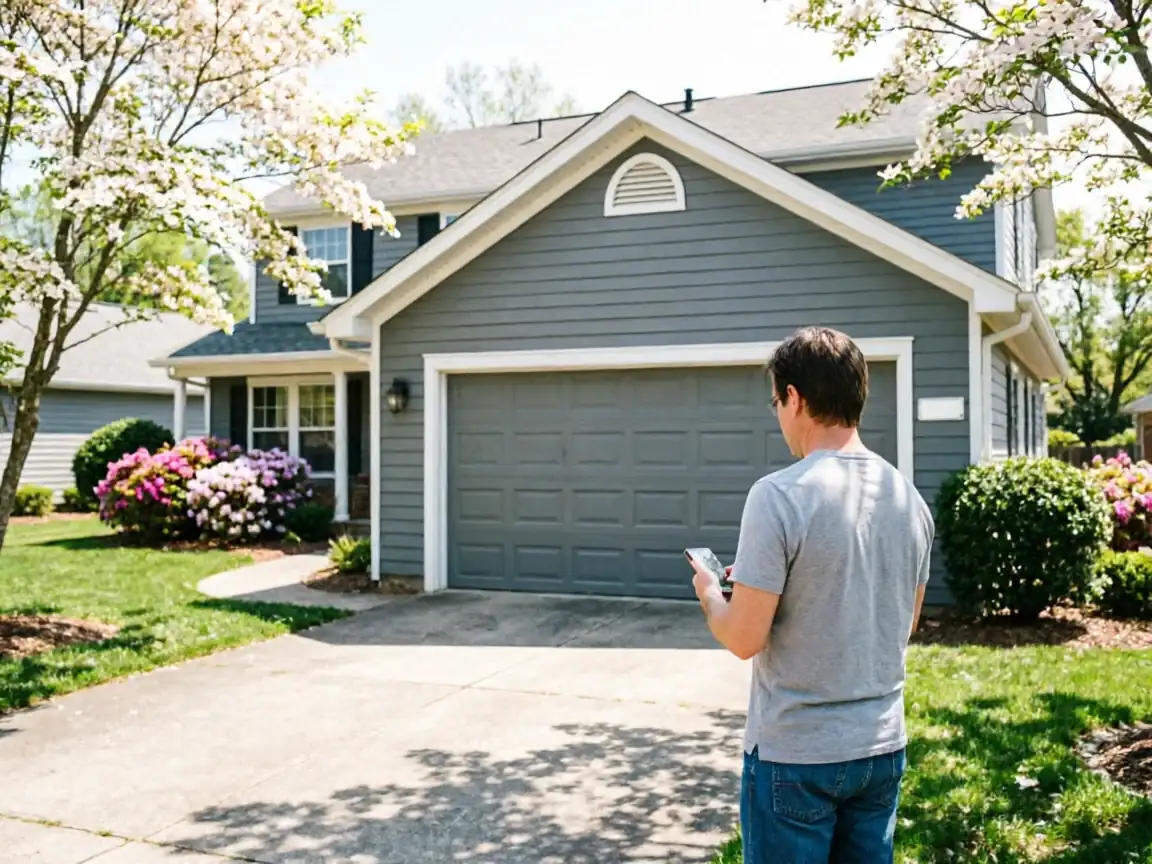
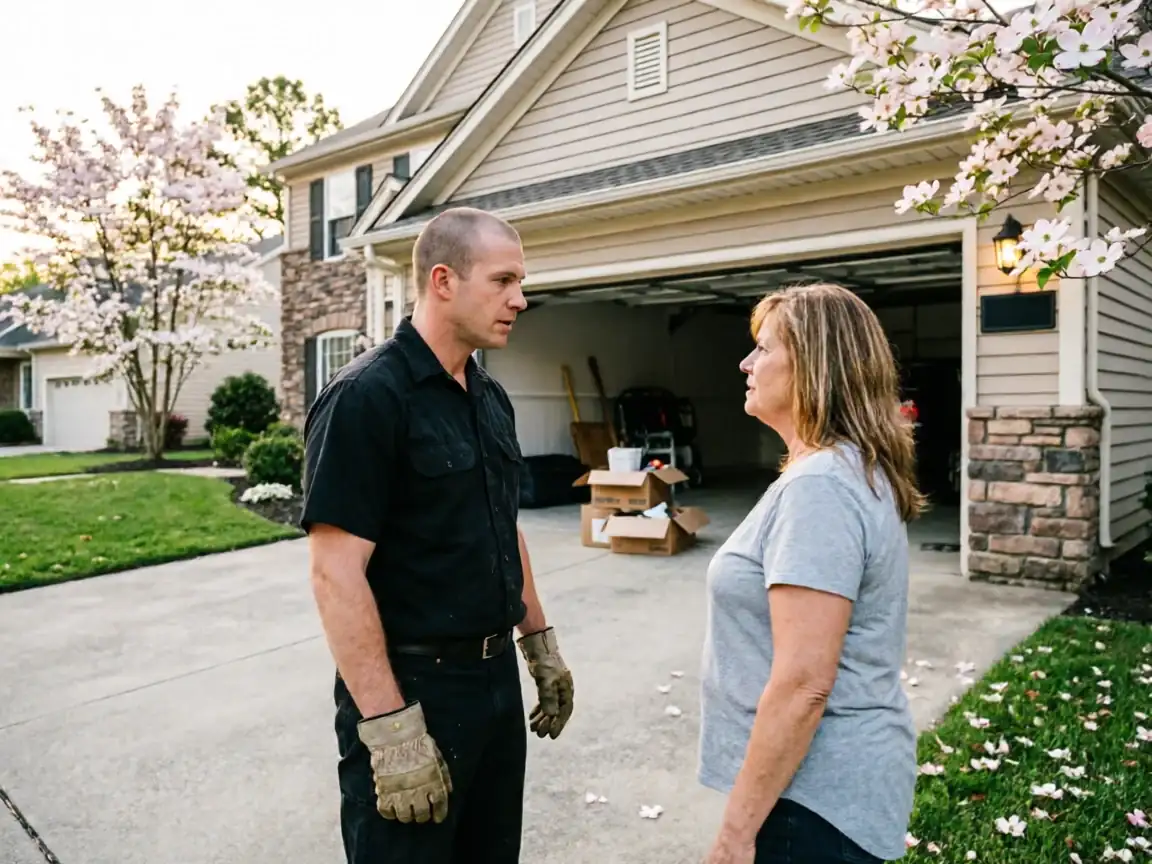
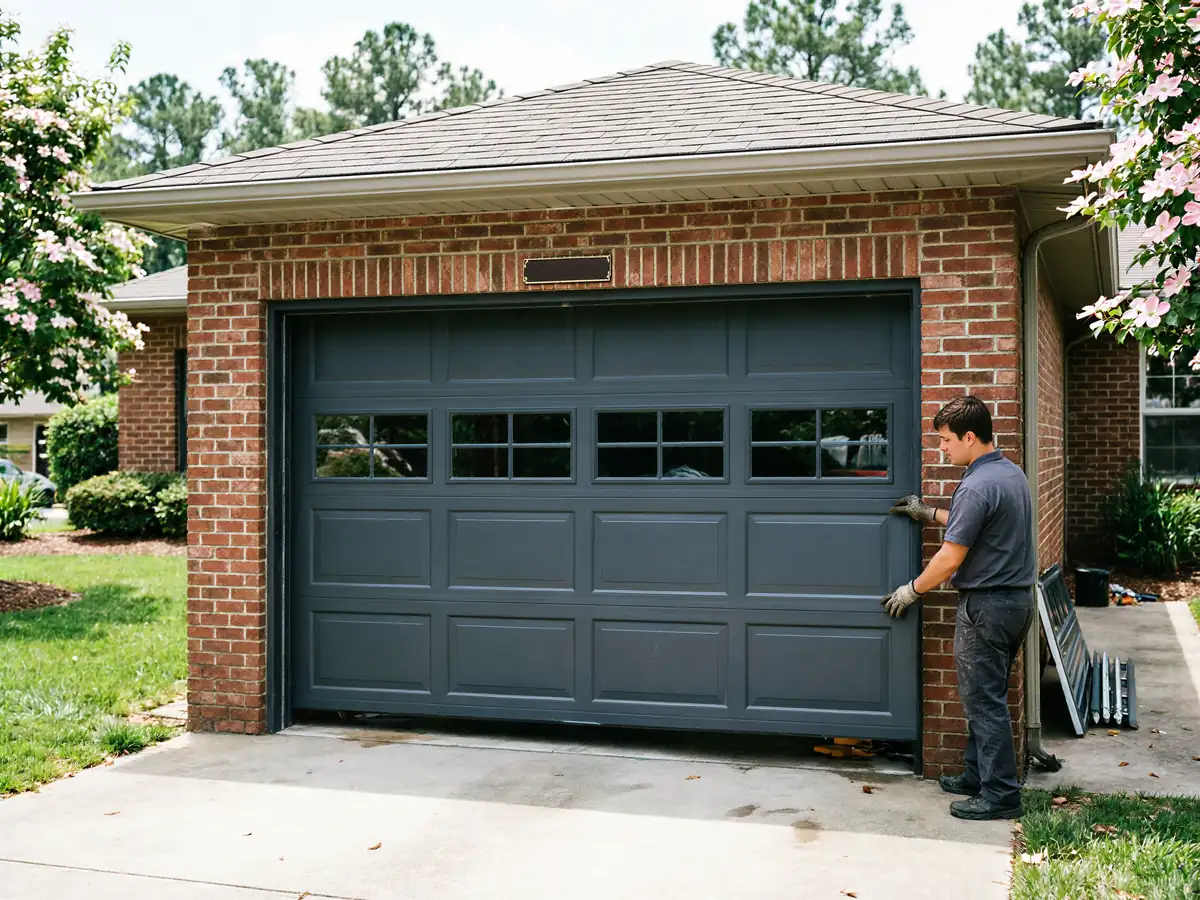
We run out of Jackson, and Alamo is about 18 miles out, farther than stops like Three Way (8 miles) or Medina and Gadsden (12 miles each). That distance doesn't change how a call gets booked, but it does mean the truck that shows up at your place is loaded before it leaves Jackson - whoever answers the phone needs to know what's wrong with the door before the driver pulls out, not guess and double back. Tell us the symptom straight: door won't open, spring snapped, opener runs but the door doesn't move, track is bent. The more specific you are, the less likely we show up with the wrong spring size or the wrong length of track. We book by the job, not by the zip code, so a stuck door in Alamo gets the same scheduling process as one in Jackson proper - it just sits on a route with a longer leg attached to it. If you're not sure whether it's worth a call, say what the door is doing and we'll tell you honestly whether it's a five-minute fix you can do yourself or something that needs a truck.
Can You Do This Yourself
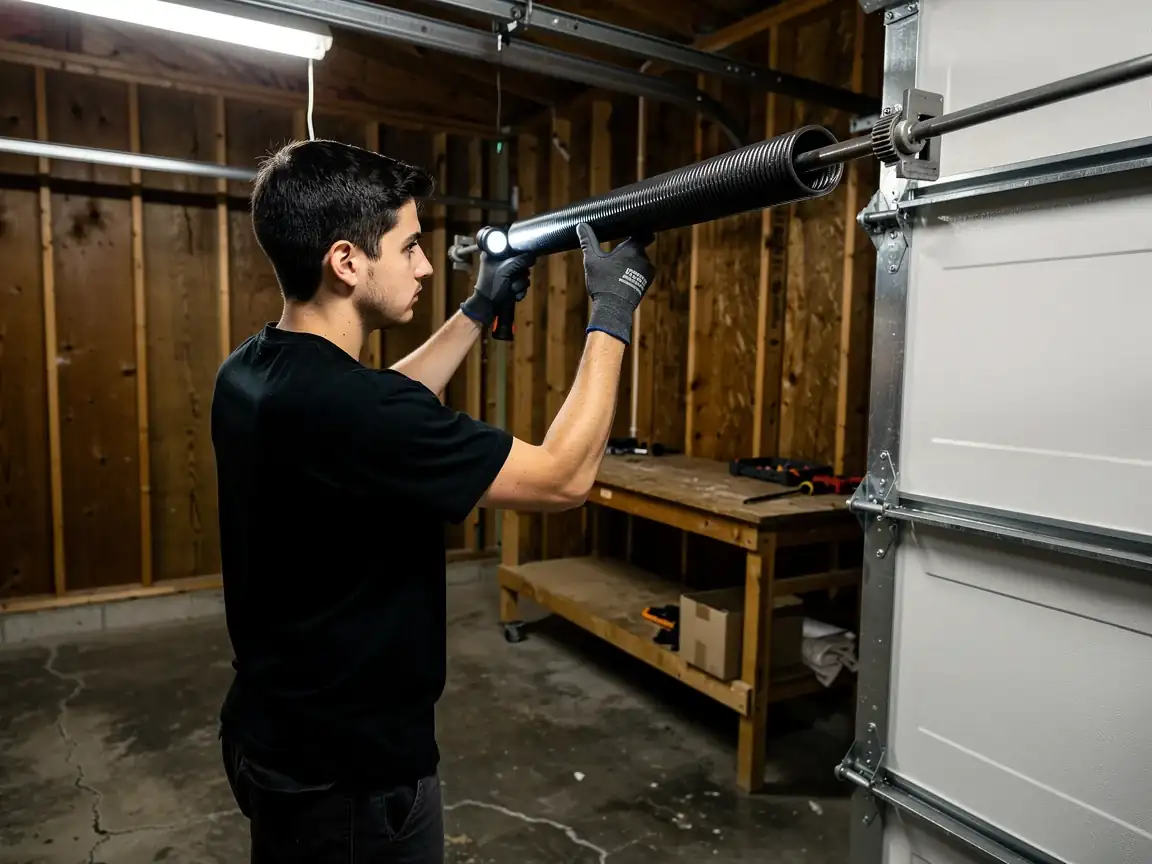
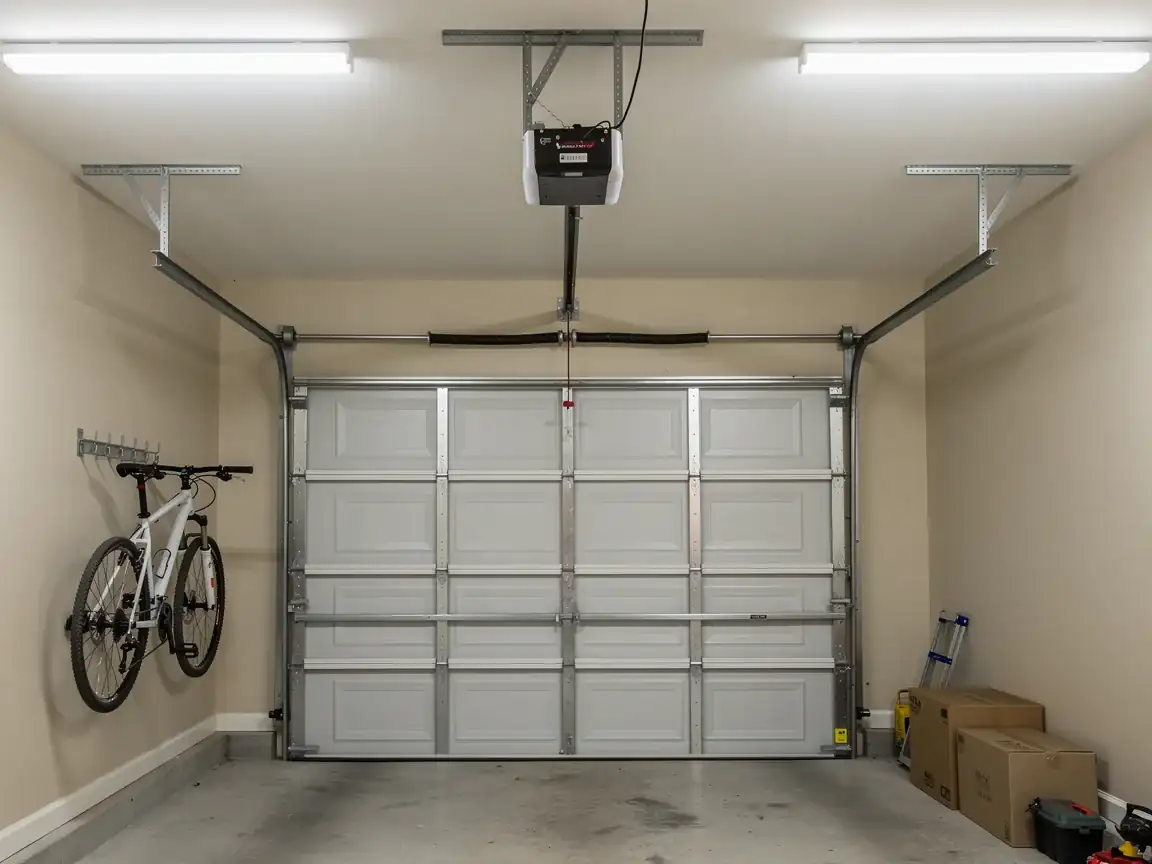
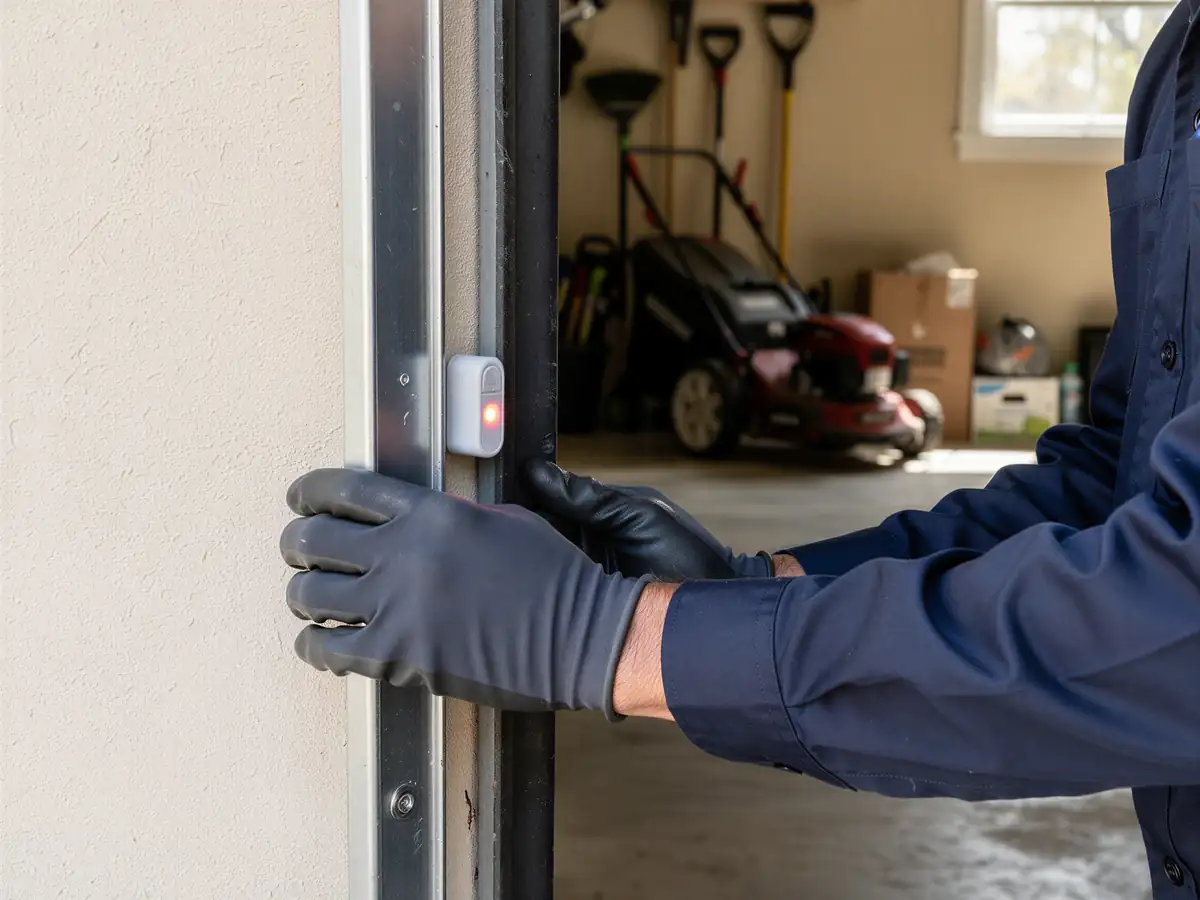
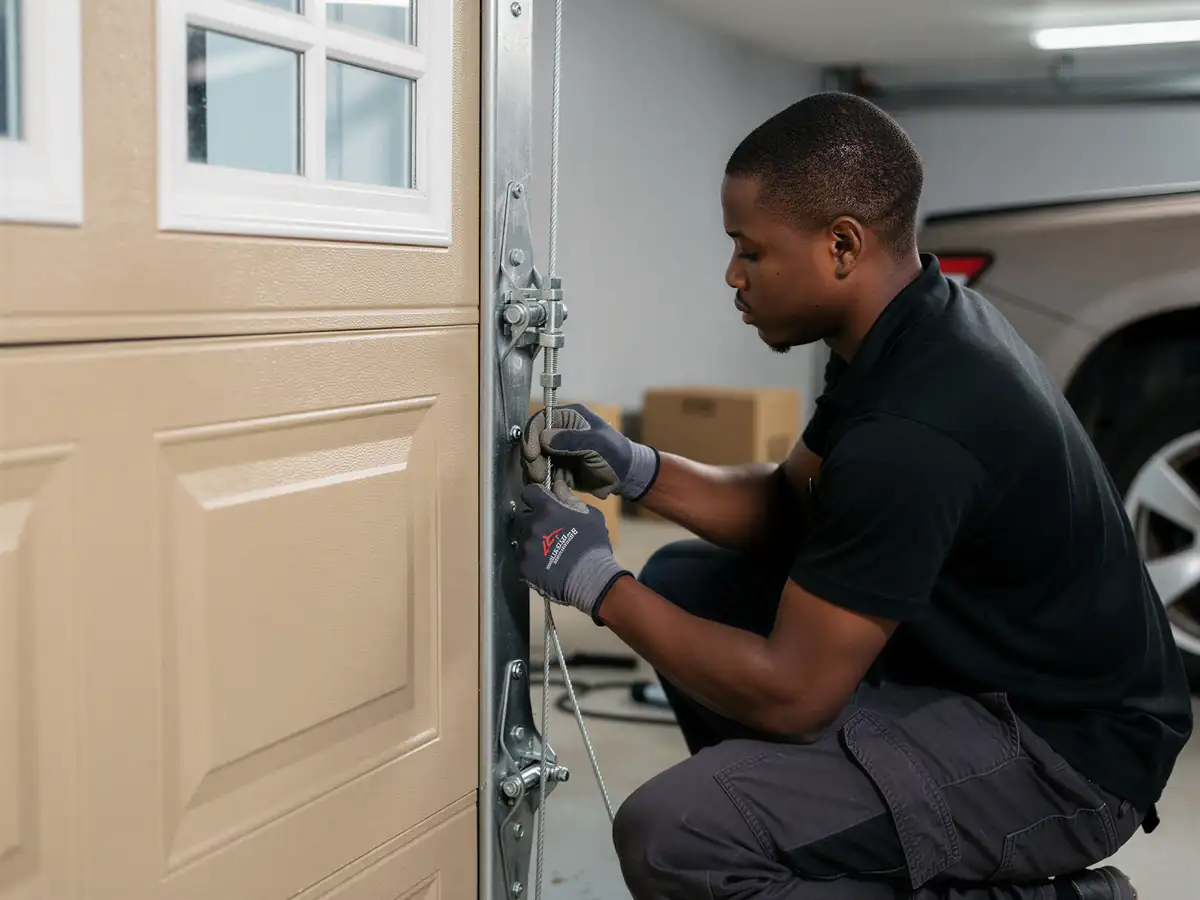
Some of it, yes. If a sensor is dirty or knocked out of alignment, you can usually clean the lens and re-aim it without tools. If the opener chain is loose, that's a wrench and ten minutes. Where we tell people to stop: torsion springs. A wound torsion spring holds enough stored force to break a wrist or worse if the winding bars slip, and that risk doesn't go down because you're careful - it goes down because you have the right bars and know the turn count for your door's weight. Same with cables under tension and anything involving the bottom bracket on a door that's still under spring load. If your door is from the 1971-era stock common here, the spring and drum sizing on original hardware often doesn't match what's sold off the shelf now, so even a confident DIY swap can leave you with a door that binds or slams. Our honest limit: we don't walk people through torsion spring replacement over the phone, and we won't sell you a spring kit to do it yourself. That one's a truck call.
Parts We Carry
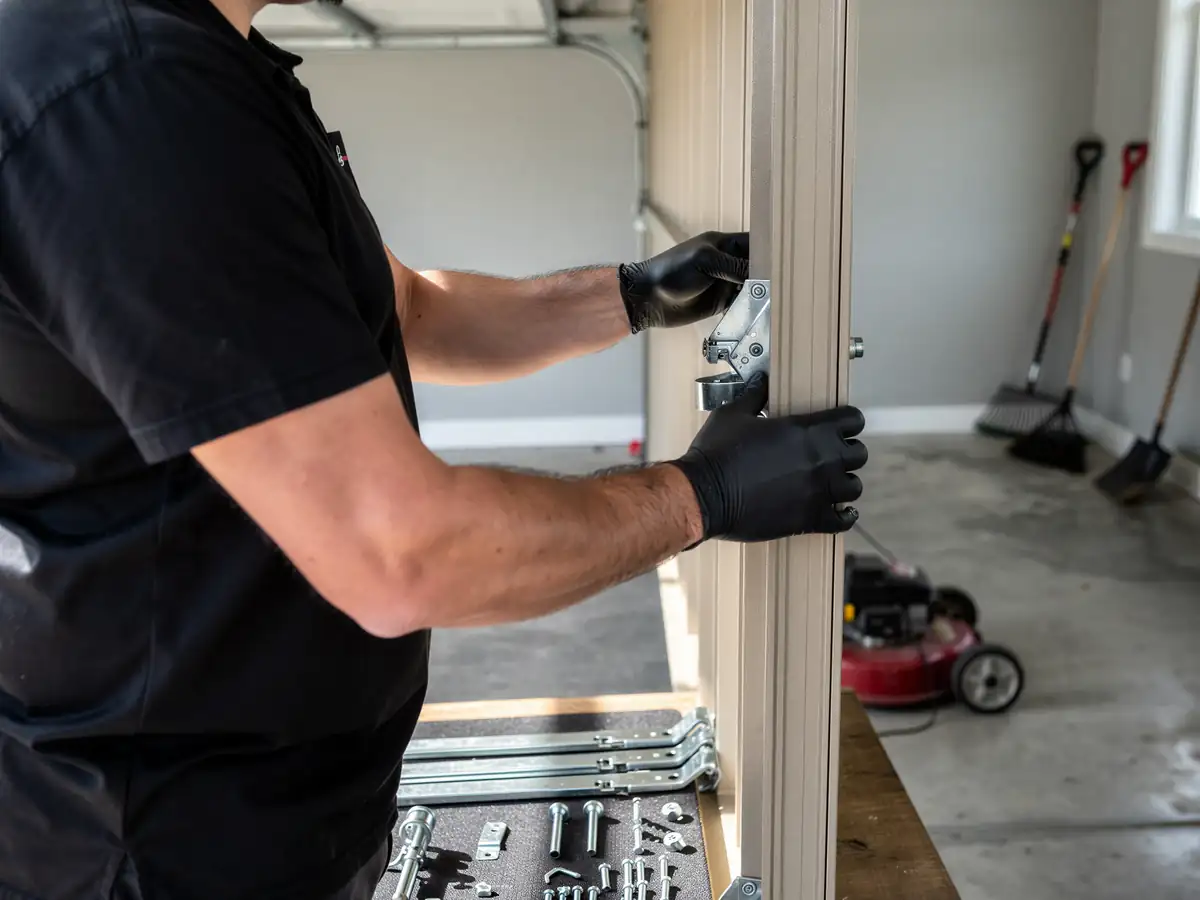
For the hardware common on Alamo's older stock, we carry torsion springs in the sizes that turn up most on 1960s-70s doors, standard-lift and high-lift drums, galvanized lift cable in the common gauges, and both nylon and steel rollers. We stock sealed ball-bearing hinges for doors where the stamped originals have worn oval, plus bottom astragal seal in the lengths that fit standard single and double openings. Opener parts - drive gears, belts, chain tensioners - cover the major brands sold in this region over the last couple of decades, not the full universe of discontinued models. If your door takes a spring size or a bracket pattern we don't have on the truck, we say so on the spot rather than improvise a fit; that part sometimes means a short order delay, which is the honest tradeoff for not forcing a mismatched part onto an old door. We don't carry glass panel inserts or custom wood door components - that's special order through the manufacturer, and we'll tell you that up front rather than string you along.
What the Repair Takes
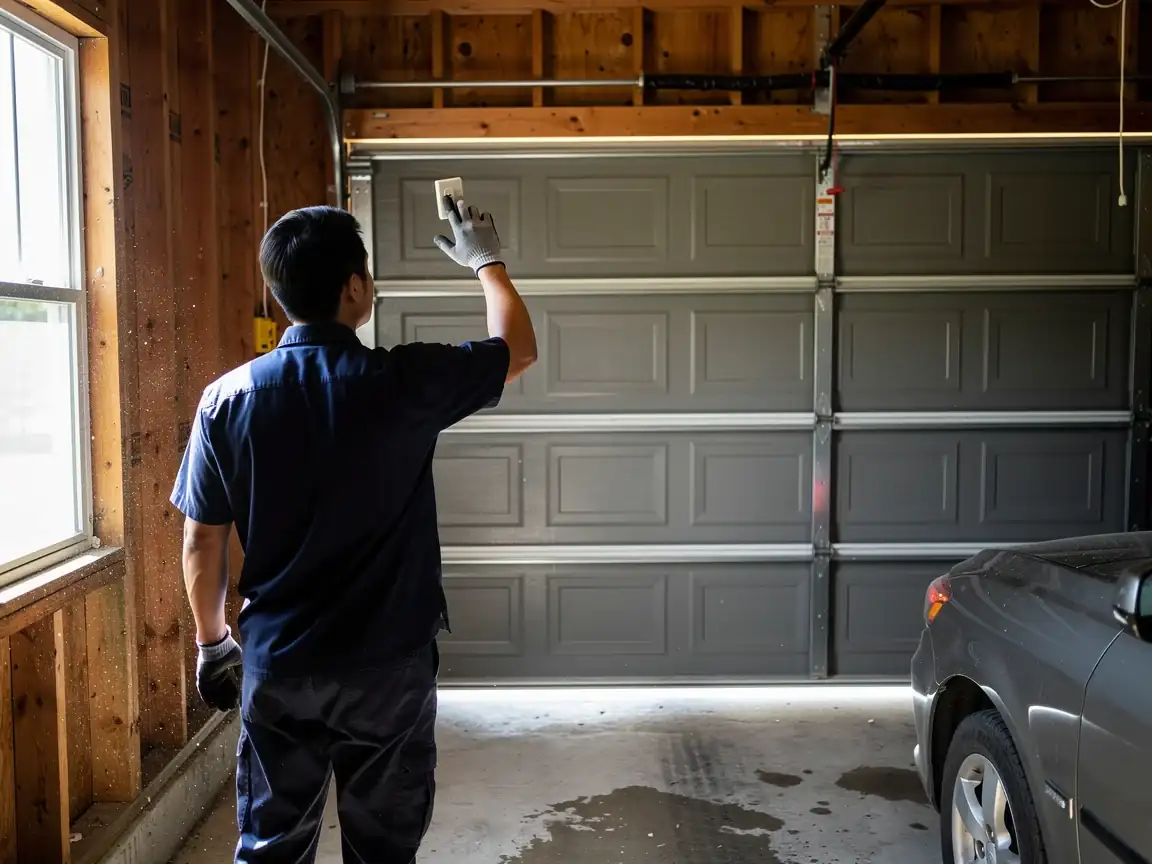
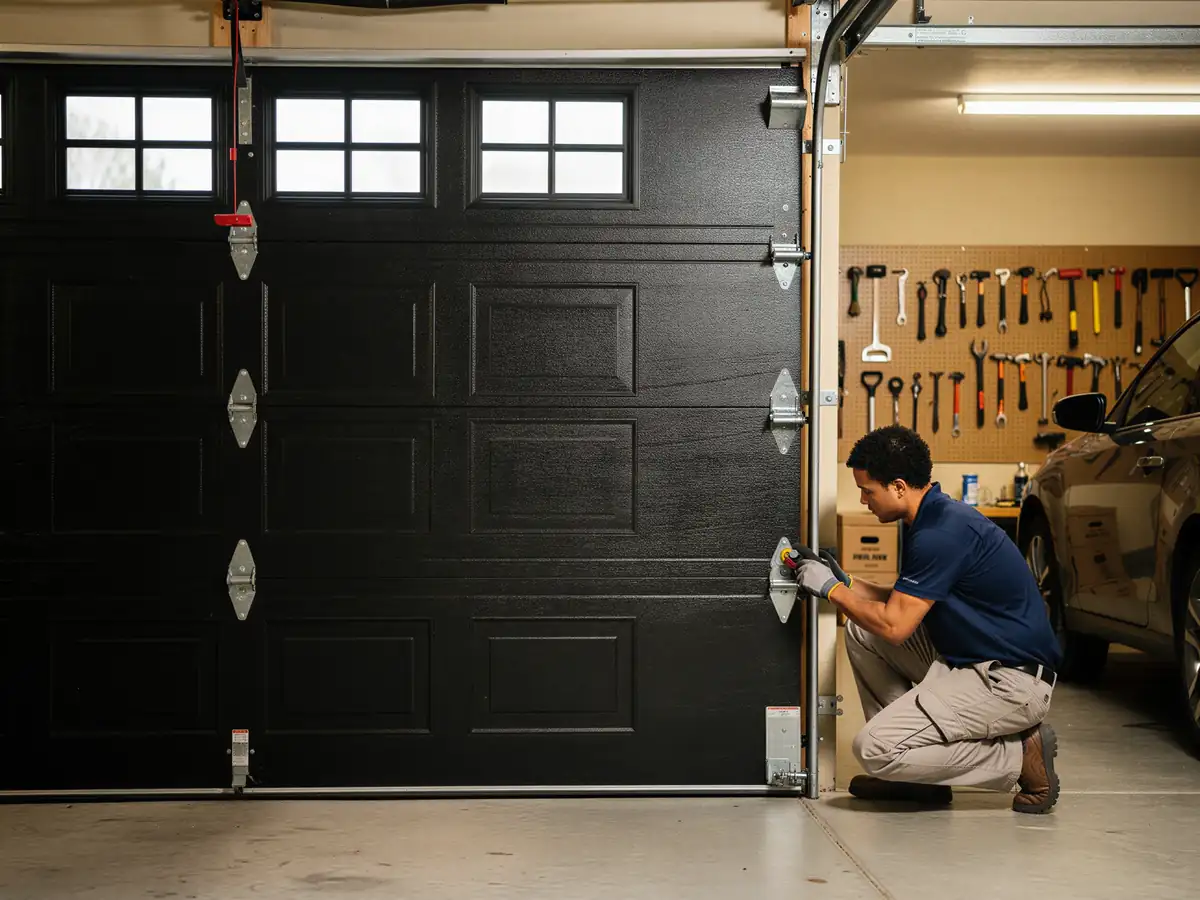
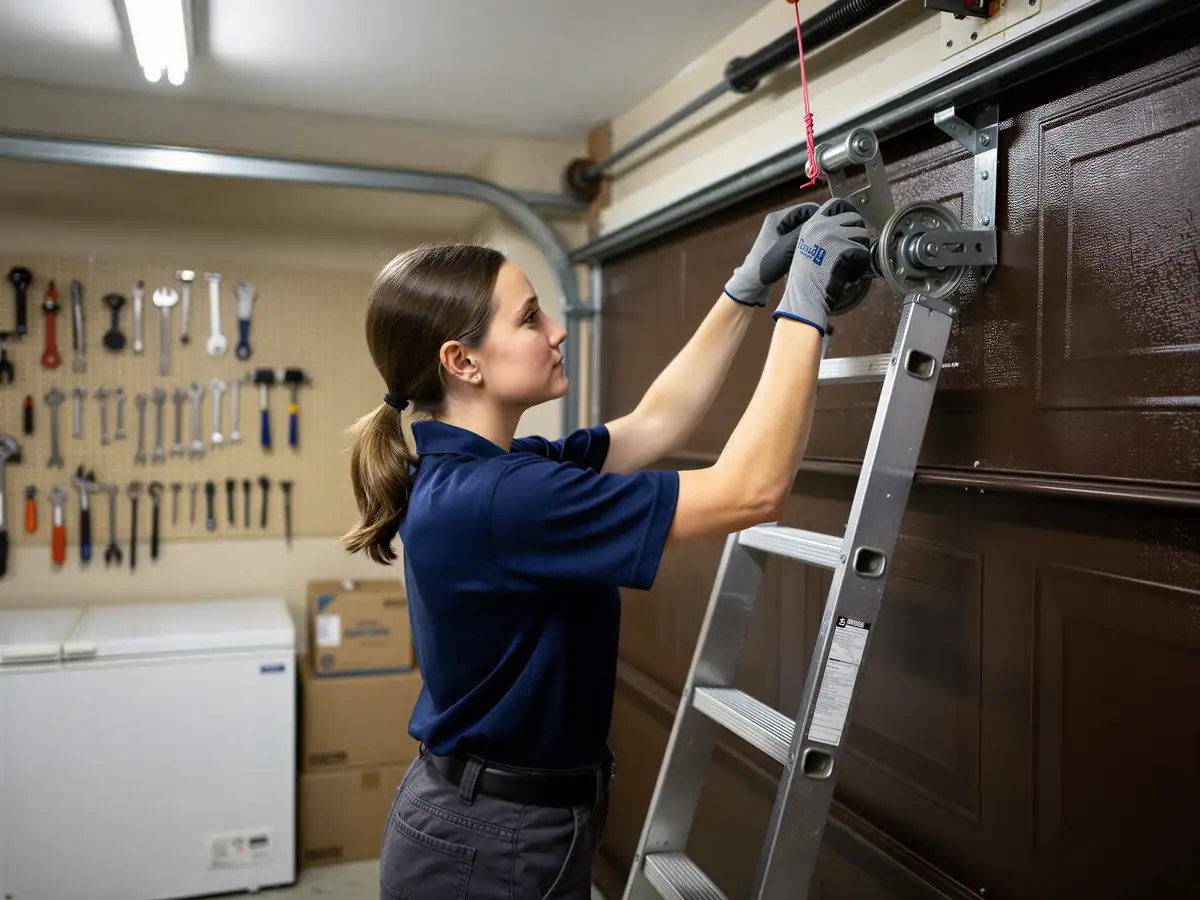
Most single-spring or roller jobs on an Alamo door run inside an hour once the truck is on site, not counting the drive. A torsion spring replacement on a standard double door usually takes the tech longer to set up safely - winding bars, clamping the door, checking balance after - than it does to actually swap the spring. Where the 1971-era stock adds time: finding the original drum size stamped (or worn unreadable) on the shaft, and confirming the door's actual weight rather than assuming it matches a newer standard. If the opener bracket or the track has been bent from someone forcing a jammed door, that's extra time to straighten or replace before the spring work even starts. We tell you before we start if a job looks like it'll run past the quoted range, and if a door's frame or track damage is bad enough that spot repair won't hold, we say replacement is the better call rather than patch something that'll fail again in a year.